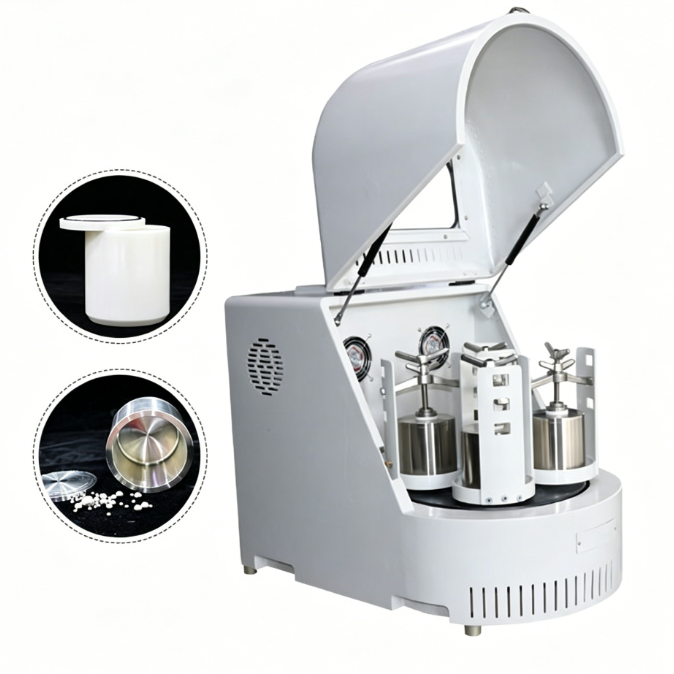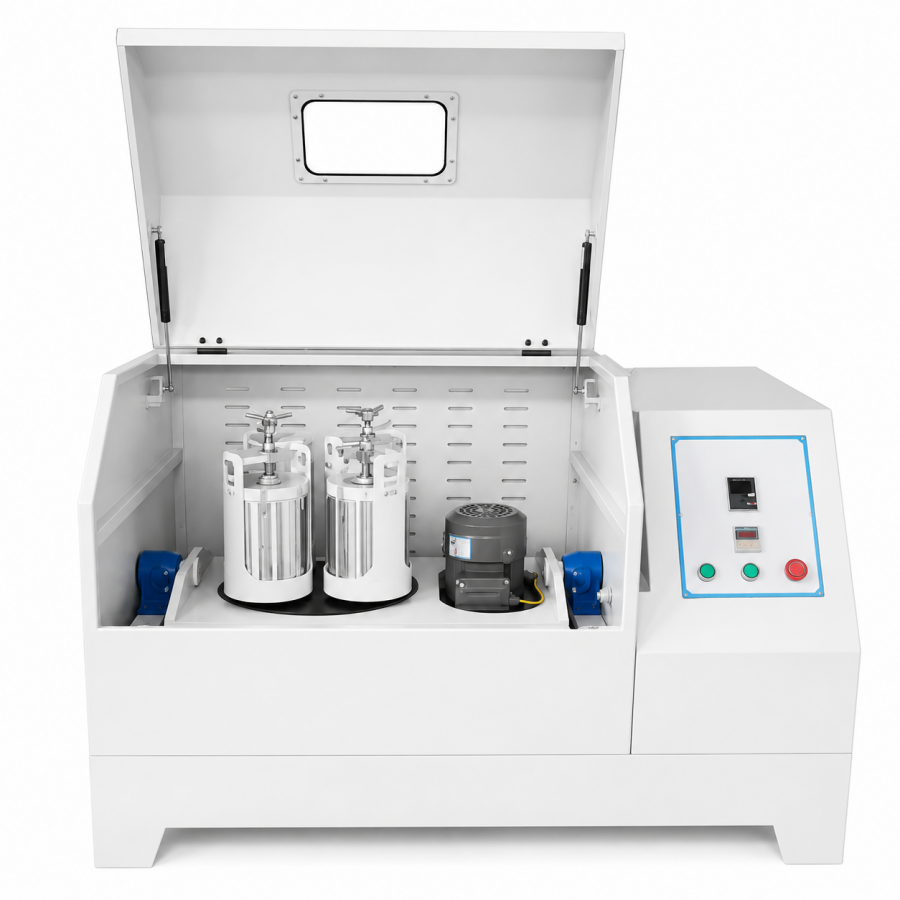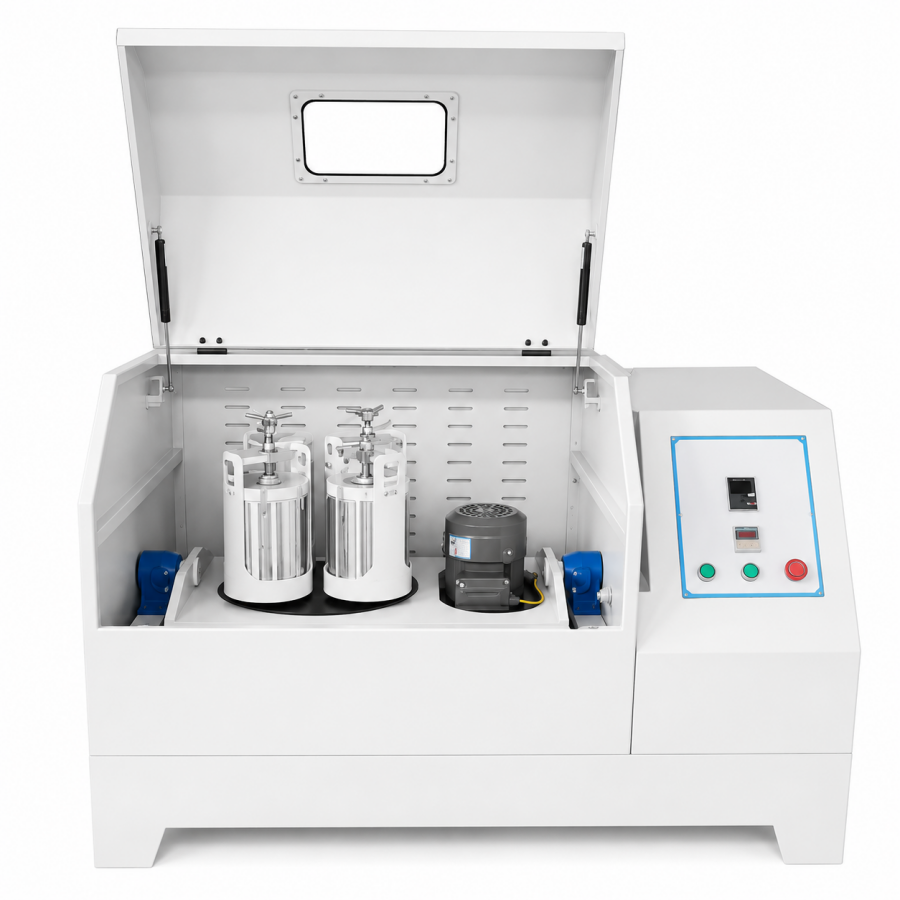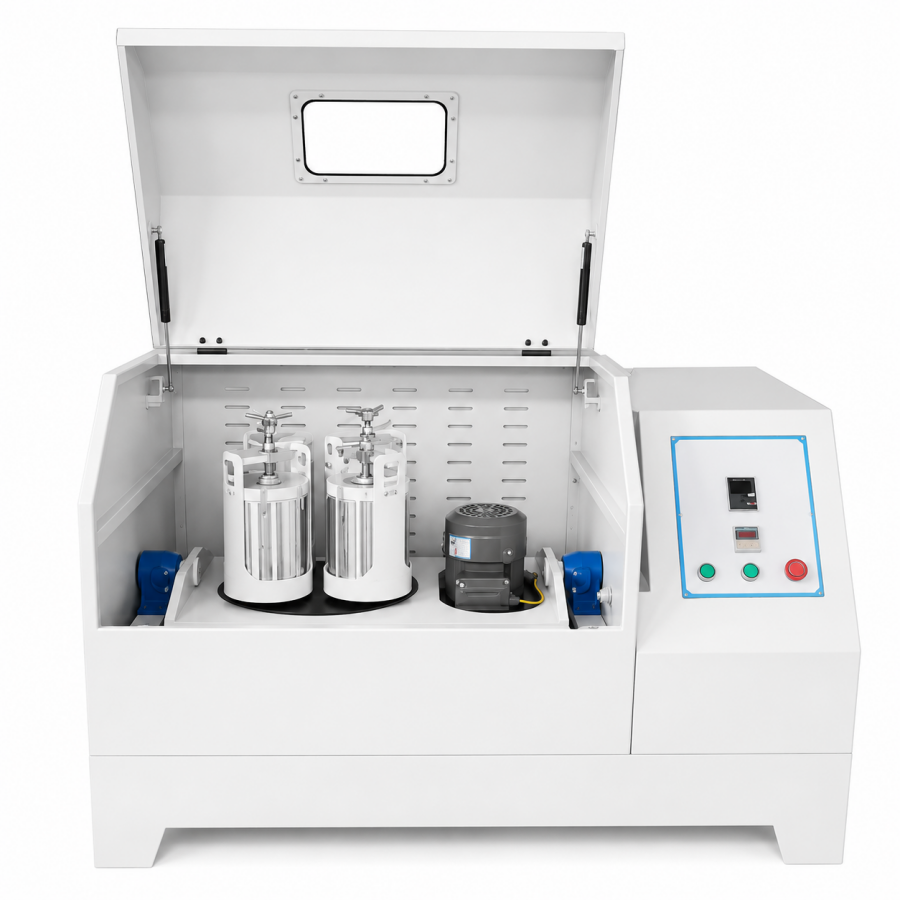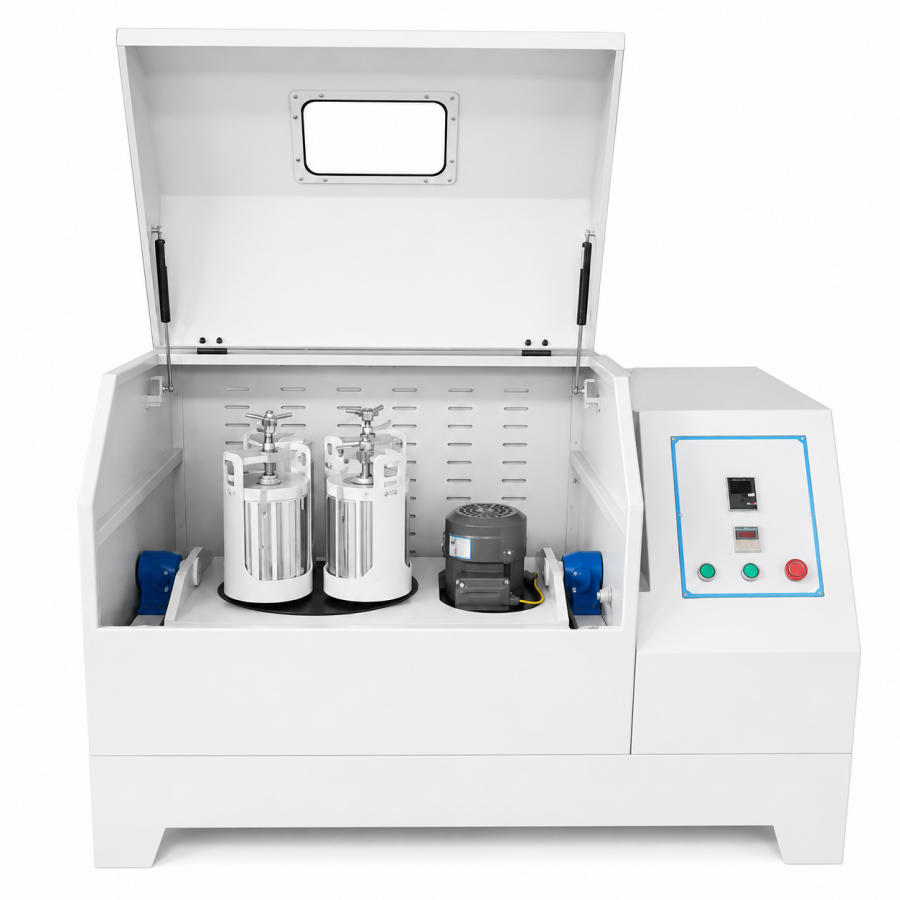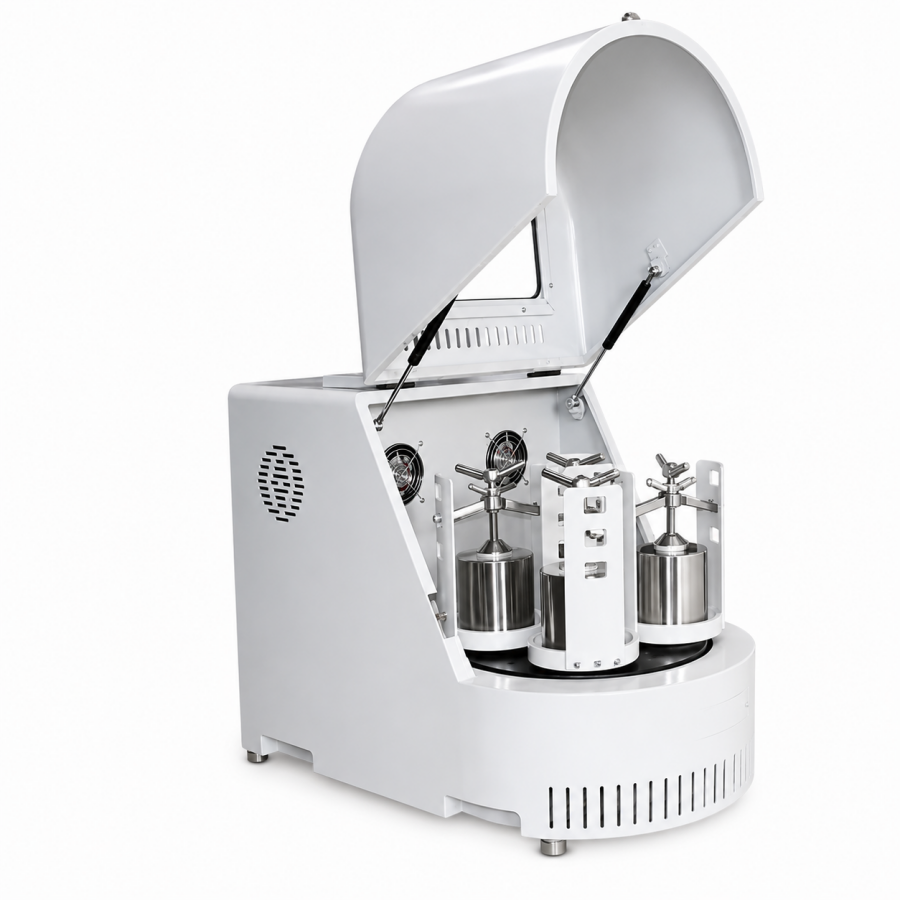
SPBM-4A LATERAL PLANETARY BALL MILL (LABORATORY TYPE)LABORATORY GRADE EQUIPMENT
|
|||||||||||||||||||||||||||||||||||||||||||||||||||||||||||||||||||||||||||||||||||||||||||||||||||||||||||||||||||||||||||||||||||||||||||||||||||||||||||||||||||||||||||||||||||||||||||||||
|
|||||||||||||||||||||||||||||||||||||||||||||||||||||||||||||||||||||||||||||||||||||||||||||||||||||||||||||||||||||||||||||||||||||||||||||||||||||||||||||||||||||||||||||||||||||||||||||||
|
TAILORED SOLUTIONS FOR RESEARCH
Contact our engineering team for technical support or official quotations.
EMAIL: inquiry@atomfair.com
|
|||||||||||||||||||||||||||||||||||||||||||||||||||||||||||||||||||||||||||||||||||||||||||||||||||||||||||||||||||||||||||||||||||||||||||||||||||||||||||||||||||||||||||||||||||||||||||||||
|
Manufacturer: Atomfair LLC
Brand: ATOMFAIR®
|
Operate the SPBM-4A mill only with a properly grounded 220V 50Hz single-phase power supply and ensure all safety interlock switches are engaged before use. Do not exceed two-thirds jar volume when loading material and select jar and ball materials chemically compatible with the sample to avoid cross-contamination or reaction.
- Electrical Safety Constraint: Use only with a 220V 50Hz single-phase grounded outlet and verify that the motor overload protection is functional.
- Mechanical Safety Constraint: Ensure all safety interlock switches are engaged and jar lids are securely fastened before starting the mill.
- Loading Capacity Constraint: Fill grinding jars to no more than two-thirds of their total volume to prevent overloading and ensure effective grinding.
- Material Compatibility Constraint: Select jar and ball materials that are chemically inert toward the sample to avoid contamination or hazardous reactions.
Prepare the mill by mounting the appropriate grinding jars and balls, then set the desired speed and time using the control panel. Follow the startup sequence to ensure safe operation and monitor the cycle for completion.
Required Equipment: Main Grinding Unit, Grinding Jars, Grinding Balls
- Mount Grinding Jars
Mount the grinding jars onto the mill's planetary disk and secure them with the locking mechanism. - Load Material and Balls
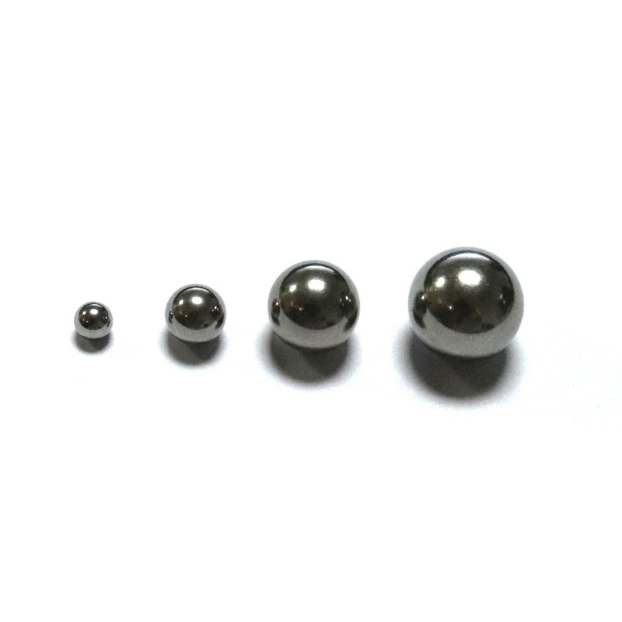
Fill each jar with grinding balls to approximately 40% of jar volume and add the material to be ground, not exceeding two-thirds total volume. - Secure Jars and Engage Safety Interlock
Close the jar lids tightly and ensure the safety interlock is engaged. - Set Grinding Time
Set the desired grinding time using the timing control, adjustable from 1 to 9999 minutes. - Set Disk Speed
Set the planetary disk speed using the variable frequency drive, adjustable from 0 to 335 rpm. - Configure Forward-Reverse Cycle
Select forward-reverse cycle mode if required and set the cycle interval, adjustable from 1 to 999 minutes. - Start and Monitor Operation
Press start and monitor the operation; allow the mill to complete the programmed cycle before opening.
How does the 1:2 speed ratio of the SPBM-4A planetary ball mill affect grinding efficiency compared to other planetary mills?
The SPBM-4A operates at a fixed 1:2 speed ratio between the planetary disk (0–335 rpm) and the grinding jars (0–810 rpm), delivering high energy density through compound planetary motion. This ratio is optimized for achieving minimum particle sizes down to 0.1 μm while maintaining uniform particle size distribution. The variable frequency drive allows stepless speed regulation within that ratio for different material requirements.
What jar materials are compatible with the SPBM-4A for wet grinding of ceramic slurries without metal contamination?
The SPBM-4A supports wet grinding and is compatible with a range of jar materials including Al₂O₃ (corundum), agate, YSZ (zirconia), polyurethane, ceramic, and nylon. For ceramic slurry preparation (e.g., kaolin), Al₂O₃ or ceramic jars are recommended to avoid metal contamination, as the product's application details specifically list ceramic slurry preparation under the ceramics and glass industry.
What are the electrical and safety requirements for installing the SPBM-4A in a standard research laboratory?
The SPBM-4A requires a 220V 50Hz single-phase power supply with a 0.75 kW motor and variable frequency drive. It includes safety interlock switches and motor overload protection for safe operation. The unit weighs 85 kg with dimensions 760×470×600 mm, so a sturdy bench or floor mount is recommended. Grinding jars and balls are ordered separately, and the maximum jar loading is two-thirds of jar volume to prevent overloading.
The SPBM-4A is a 4L compact lateral planetary ball mill with four 1000 mL jar stations, 0.75 kW motor, and 0–335 rpm disk speed (1:2 speed ratio) delivering compound planetary motion for high-energy grinding down to 0.1 μm. Variable frequency drive, timing, and forward-reverse cycle enable programmable operation, but jars and media must be ordered separately and loading is limited to two-thirds jar volume.
Positive
- High grinding efficiency and fine particle size: Compound planetary motion delivers high energy density, achieving minimum output particle size down to 0.1 μm with narrow distribution.
- Intelligent programmable control: Variable frequency stepless speed regulation, timing (1–9999 min), forward-reverse cycle (1–999 min), and LED display ensure high experimental repeatability.
Trade-offs
- Jars and media ordered separately: Grinding jars and balls are not included with the main unit; appropriate material selection is required to avoid cross-contamination with the sample.
- Limited jar loading capacity: Maximum jar loading is two-thirds of jar volume, reducing effective batch capacity per run.
Every advanced material, component, equipment, and instrument in our catalog is backed by rigorous testing. We maintain strict internal quality management frameworks and align with CE conformity metrics to deliver transparent, reproducible performance data via our public open-science repository.
To request raw batch performance data, submit formal vendor registration paperwork, or execute a fast-turnaround R&D manufacturing loop, contact us at inquiry@atomfair.com.
Item is dispatched under the Atomfair Shipping & Delivery Framework (Free worldwide shipping on orders over $59 USD excl. heavy equipment). Return is governed by the Atomfair Return & Refund Policy (7-day technical return window).