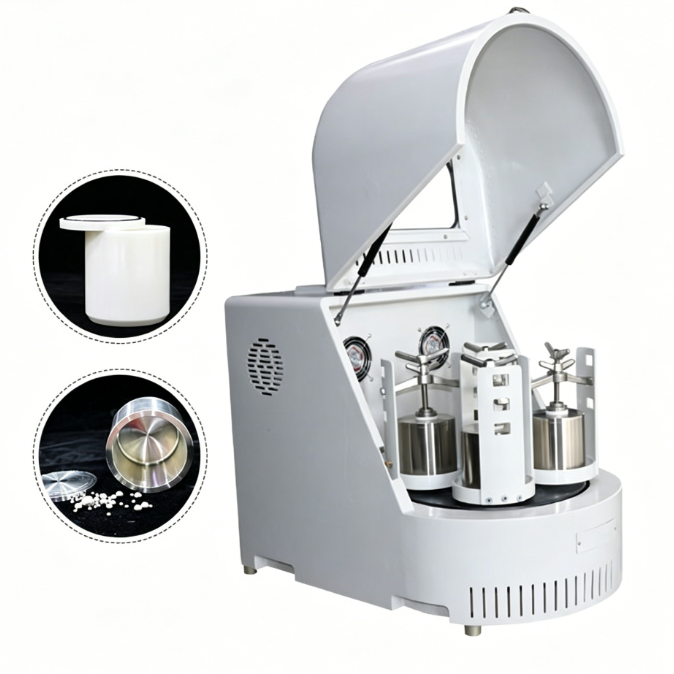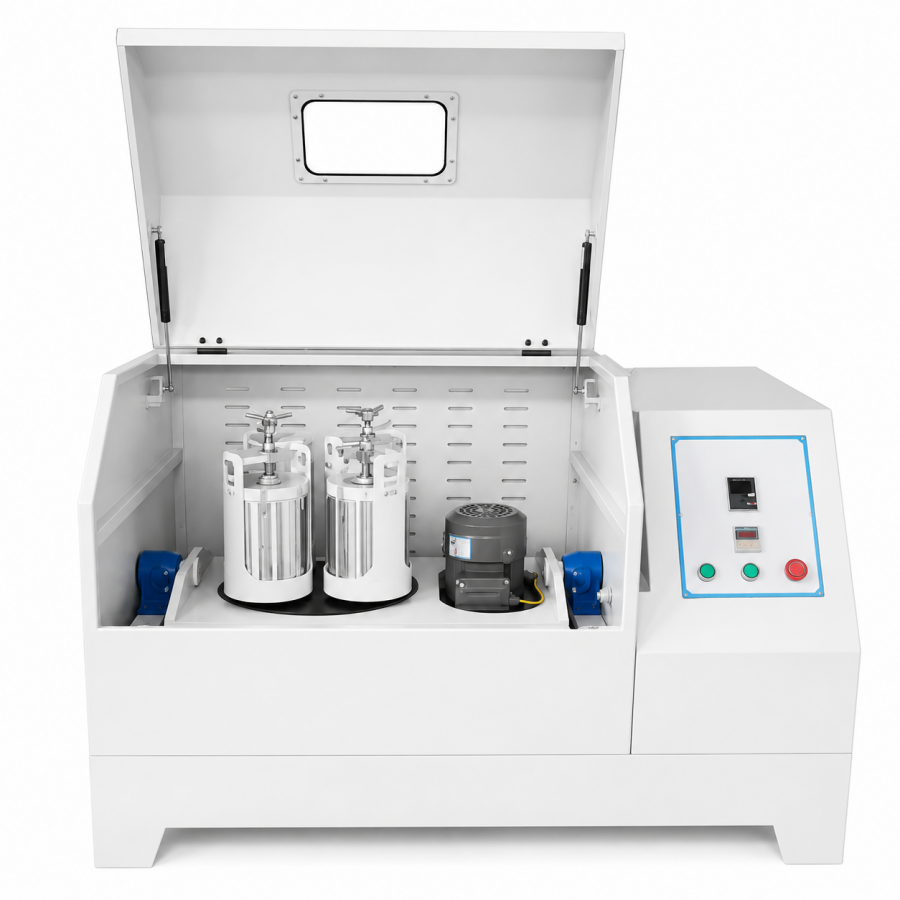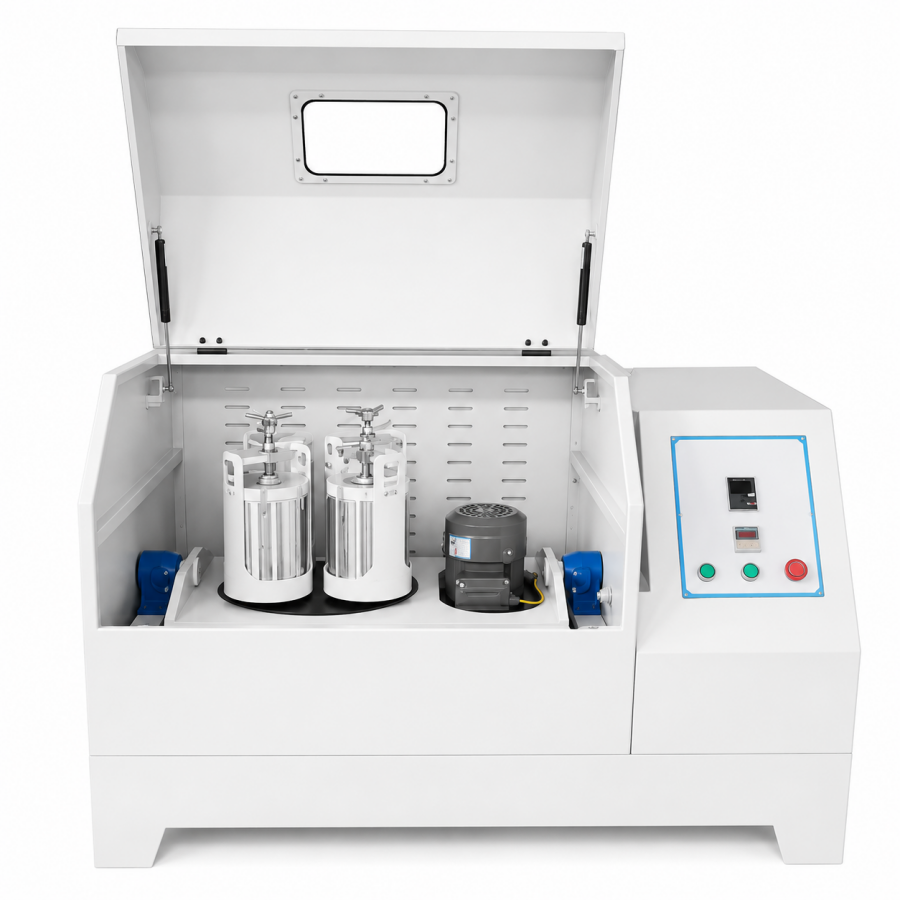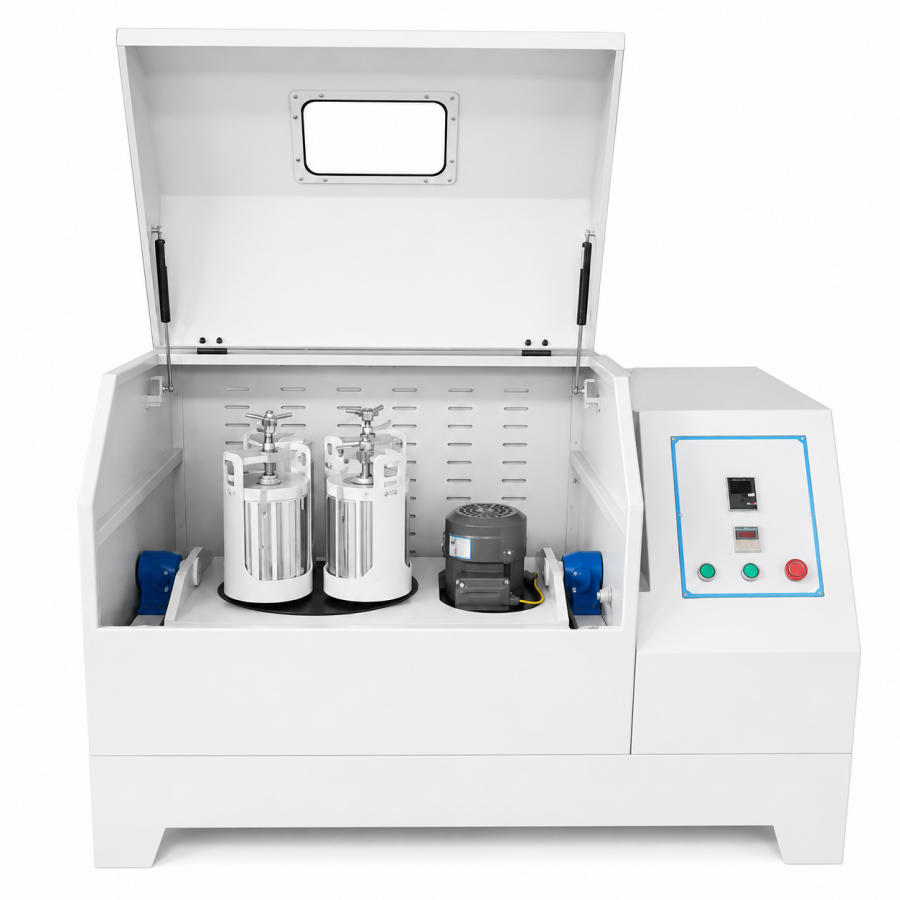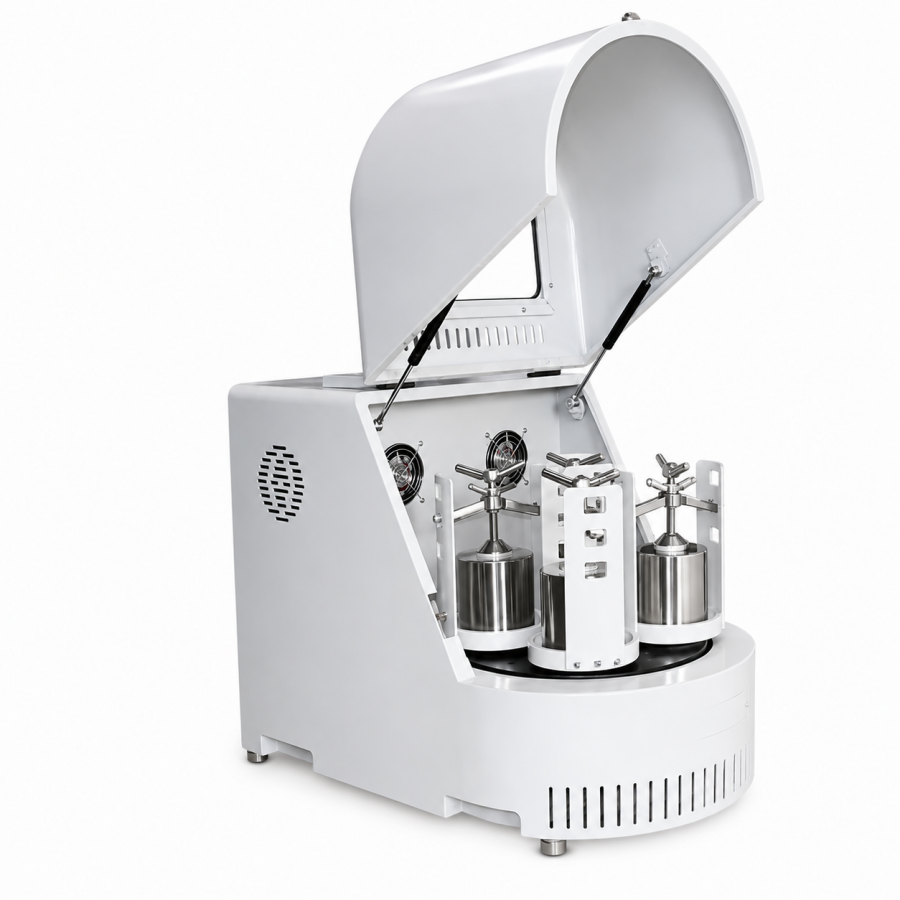
SPBM-1A LATERAL PLANETARY BALL MILL (LABORATORY TYPE)LABORATORY GRADE EQUIPMENT
|
|||||||||||||||||||||||||||||||||||||||||||||||||||||||||||||||||||||||||||||||||||||||||||||||||||||||||||||||||||||||||||||||||||||||||||||||||||||||||||||||||||||||||||||||||||||||||||||||
|
|||||||||||||||||||||||||||||||||||||||||||||||||||||||||||||||||||||||||||||||||||||||||||||||||||||||||||||||||||||||||||||||||||||||||||||||||||||||||||||||||||||||||||||||||||||||||||||||
|
TAILORED SOLUTIONS FOR RESEARCH
Contact our engineering team for technical support or official quotations.
EMAIL: inquiry@atomfair.com
|
|||||||||||||||||||||||||||||||||||||||||||||||||||||||||||||||||||||||||||||||||||||||||||||||||||||||||||||||||||||||||||||||||||||||||||||||||||||||||||||||||||||||||||||||||||||||||||||||
|
Manufacturer: Atomfair LLC
Brand: ATOMFAIR®
|
The SPBM-1A must be operated on a stable, level surface with a 220V 50Hz single-phase grounded power supply. Grinding jars and media must be ordered separately and selected for chemical compatibility with the sample material to prevent cross-contamination.
- Electrical Supply Requirements: The mill requires a 220V 50Hz single-phase grounded power supply with a dedicated circuit rated for the 0.75 kW motor load.
- Jar Loading Capacity: Each grinding jar must not be filled beyond two-thirds of its volume to prevent imbalance and mechanical stress during operation.
- Safety Interlock System: The safety interlock switches must be engaged before the mill will operate, and the overload protection circuit will shut down the motor if excessive current is drawn.
- Noise and Hearing Protection: Operating noise levels of 60±5 dB may require hearing protection in confined laboratory environments.
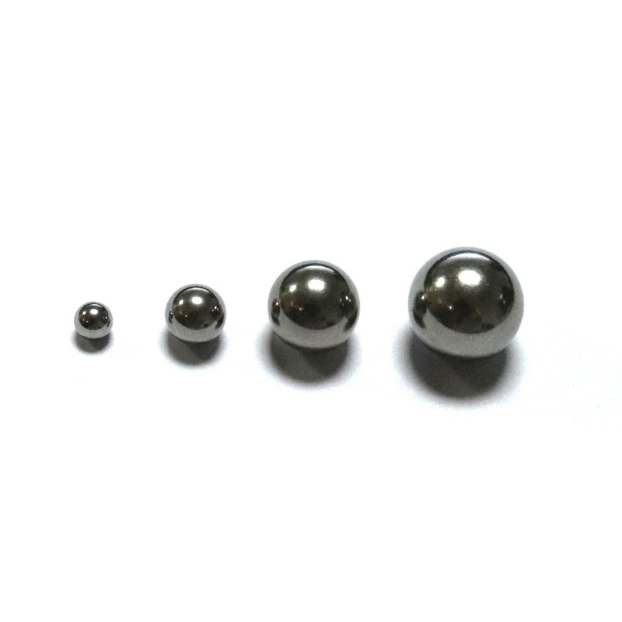
- Jar and Media Compatibility: Grinding jars and balls must be selected from compatible materials (e.g., WC-Co, Al₂O₃, agate, YSZ, stainless steel) to avoid contamination of the sample.
This guide provides essential steps for safe initialization and operation of the SPBM-1A ball mill. Follow the sequence to ensure proper loading, parameter setting, and monitoring during grinding.
Required Equipment: SPBM-1A Lateral Planetary Ball Mill, Grinding jars (ordered separately), Grinding balls (ordered separately)
- Inspect Equipment
Inspect the main unit, power cord, and safety interlock switches for any visible damage before each use. - Position Mill
Place the mill on a stable, level surface with adequate clearance for ventilation and operation. - Select Compatible Consumables
Select grinding jars and balls that are chemically compatible with the sample material to avoid cross-contamination. - Load Jars
Load each grinding jar to no more than two-thirds of its volume with sample and grinding media, then seal the jar securely. - Set Parameters
Set the desired rotation speed, grinding time, and forward-reverse cycle parameters using the variable frequency drive controls. - Start and Monitor
Start the mill and monitor operation for abnormal noise or vibration, adjusting parameters as needed.
What is the minimum achievable particle size when using the SPBM-1A planetary ball mill?
The SPBM-1A can achieve a minimum output particle size down to 0.1 μm. This is enabled by its compound planetary motion with a 1:2 speed ratio (disk speed 0–335 rpm, jar speed 0–810 rpm) and variable frequency stepless speed regulation, delivering high energy density for ultra-fine grinding.
Can the SPBM-1A be used for wet grinding and with vacuum grinding jars?
Yes, the SPBM-1A supports both dry and wet grinding processes. It is also compatible with vacuum grinding jars for closed-environment material grinding, making it suitable for air-sensitive or contamination-free sample preparation.
What are the power supply and noise specifications for the SPBM-1A?
The SPBM-1A requires a 220V 50Hz single-phase power supply with a 0.75 kW motor. It operates at a noise level of 60±5 dB, and is equipped with safety interlock switches and motor overload protection for safe laboratory use.
The SPBM-1A lateral planetary ball mill delivers high-energy compound planetary motion for ultra-fine grinding down to 0.1 μm, with versatile dry/wet modes and multiple jar materials. However, jars and grinding media are sold separately, and the usable jar capacity is limited to two-thirds volume.
Positive
- High energy density and fine particle size: Compound planetary motion with revolution and rotation delivers superior energy density, achieving minimum output particle size down to 0.1 μm with narrow size distribution.
- Versatile grinding modes and jar compatibility: Supports both dry and wet grinding, compatible with multiple jar materials (Al₂O₃, YSZ, agate, WC-Co, etc.), and can accommodate vacuum grinding jars for closed-environment processing.
Trade-offs
- Jars and grinding media sold separately: Grinding jars and balls are not included with the main unit; they must be ordered separately, which adds to the total procurement cost and requires advance planning.
- Limited usable jar capacity: Maximum jar loading is restricted to two-thirds of jar volume, reducing effective batch size per run and requiring careful volume management.
Every advanced material, component, equipment, and instrument in our catalog is backed by rigorous testing. We maintain strict internal quality management frameworks and align with CE conformity metrics to deliver transparent, reproducible performance data via our public open-science repository.
To request raw batch performance data, submit formal vendor registration paperwork, or execute a fast-turnaround R&D manufacturing loop, contact us at inquiry@atomfair.com.
Item is dispatched under the Atomfair Shipping & Delivery Framework (Free worldwide shipping on orders over $59 USD excl. heavy equipment). Return is governed by the Atomfair Return & Refund Policy (7-day technical return window).