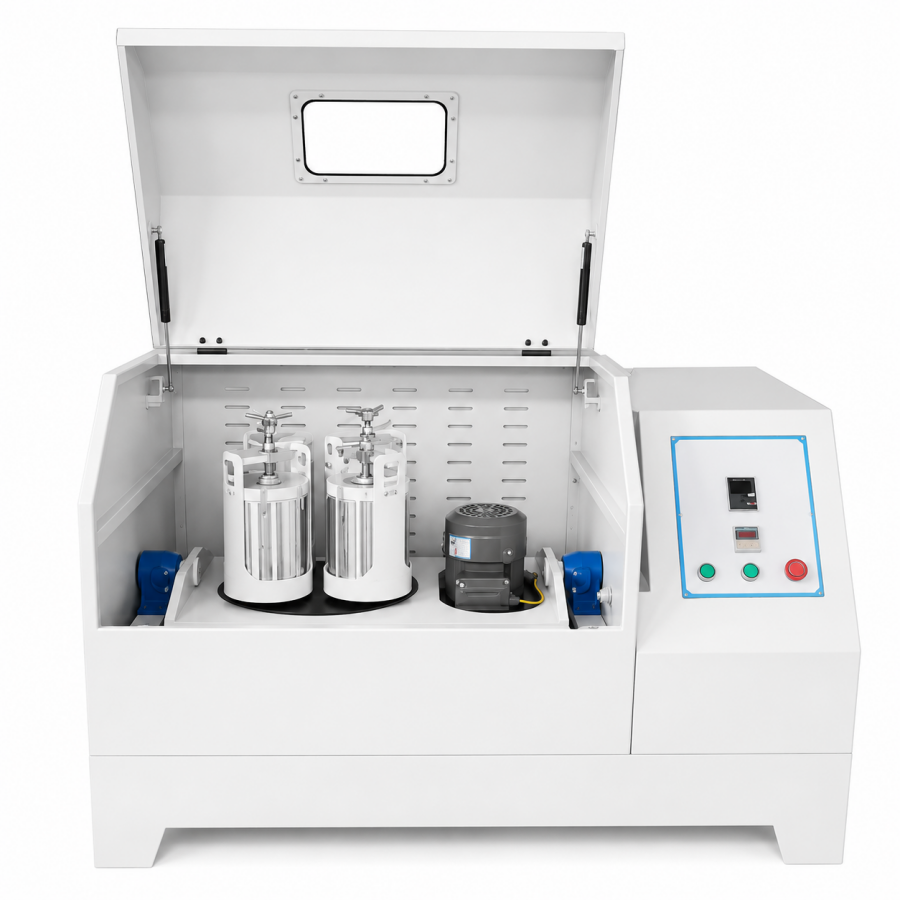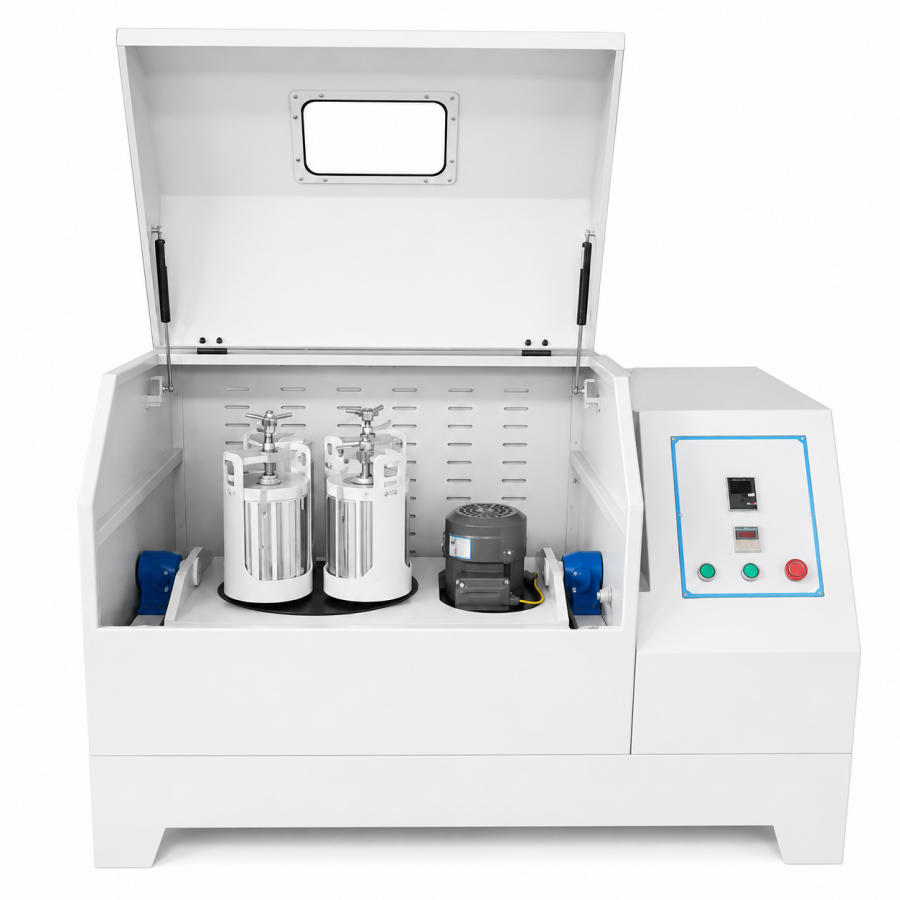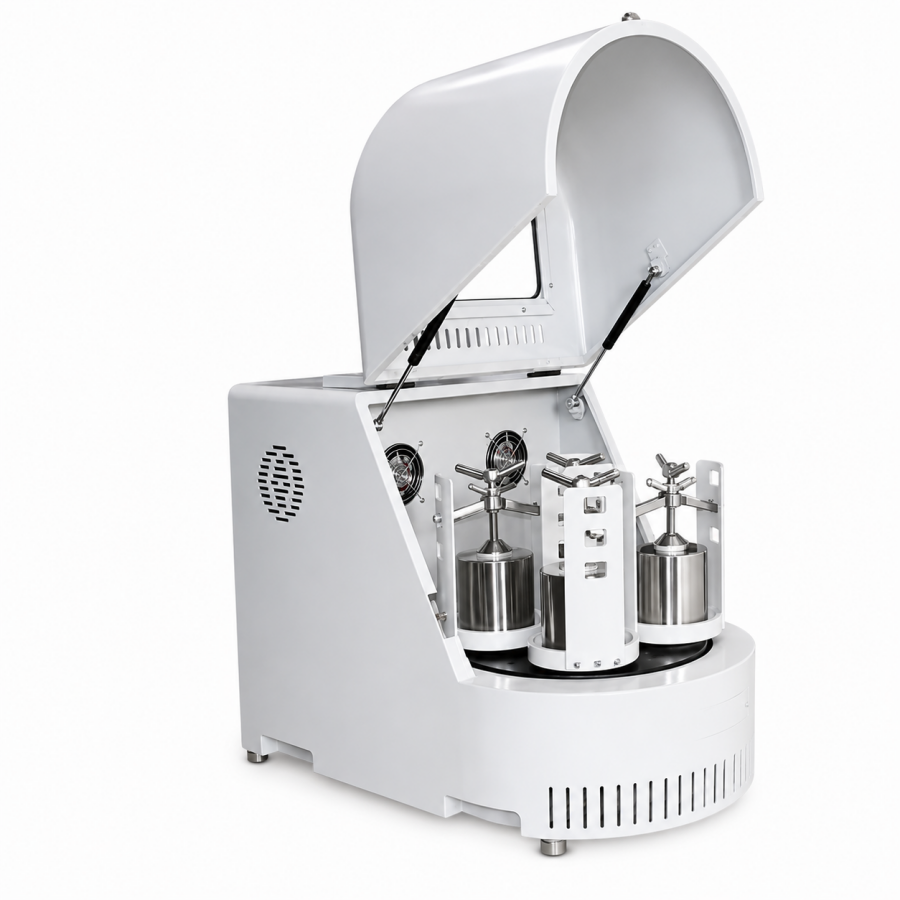
SPBM-12A LATERAL PLANETARY BALL MILL (LABORATORY TYPE)LABORATORY & PRODUCTION GRADE EQUIPMENT
|
|||||||||||||||||||||||||||||||||||||||||||||||||||||||||||||||||||||||||||||||||||||||||||||||||||||||||||||||||||||||||||||||||||||||||||||||||||||||||||||||||||||||||||||||||||||||||||||||
|
|||||||||||||||||||||||||||||||||||||||||||||||||||||||||||||||||||||||||||||||||||||||||||||||||||||||||||||||||||||||||||||||||||||||||||||||||||||||||||||||||||||||||||||||||||||||||||||||
|
TAILORED SOLUTIONS FOR RESEARCH
Contact our engineering team for technical support or official quotations.
EMAIL: inquiry@atomfair.com
|
|||||||||||||||||||||||||||||||||||||||||||||||||||||||||||||||||||||||||||||||||||||||||||||||||||||||||||||||||||||||||||||||||||||||||||||||||||||||||||||||||||||||||||||||||||||||||||||||
|
Manufacturer: Atomfair LLC
Brand: ATOMFAIR®
|
The SPBM-12A ball mill requires a 220V 50Hz single-phase power supply and operates with safety interlock switches and motor overload protection. Material compatibility must be verified to prevent cross-contamination, and jar loading must not exceed two-thirds of the jar volume.
- Electrical Supply: This equipment must be connected to a 220V 50Hz single-phase grounded outlet.
- Safety Interlock: The safety interlock switches prevent operation when the lid is open.
- Overload Protection: Motor overload protection automatically shuts down the mill to prevent damage.
- Jar Loading Limit: Each grinding jar must be filled to no more than two-thirds of its volume to ensure safe operation.
- Material Compatibility: Grinding jar and ball materials must be selected to avoid chemical or abrasive contamination of the sample.
Ensure the mill is placed on a stable, level surface and connected to the appropriate power supply. Verify that all safety interlocks are functional and that the selected grinding jars and balls are compatible with the target material.
Required Equipment: Grinding jars, Grinding balls, Variable frequency drive controls
- Inspect safety interlocks
Inspect the safety interlock switches and confirm the lid closes securely before operation. - Select compatible materials
Select grinding jars and balls made of materials compatible with the target sample to prevent cross-contamination. - Load jars with material and balls
Fill each grinding jar with sample material and grinding balls to a maximum of two-thirds of the jar volume. - Set operating parameters
Set the rotation speed, grinding time, and forward-reverse cycle parameters using the variable frequency drive controls. - Start and complete the cycle
Start the mill and allow it to run until the programmed cycle completes before opening the lid.
What is the significance of the 1:2 speed ratio between the planetary disk and grinding jars in the SPBM-12A, and how does it affect grinding performance?
The 1:2 speed ratio means the jar rotation speed (0–580 rpm) is twice the planetary disk speed (0–290 rpm), generating compound planetary motion with high energy density. This design enables the SPBM-12A to achieve a minimum output particle size down to 0.1 μm, as stated in the product features, making it suitable for ultra-fine grinding of advanced materials.
Can the SPBM-12A be used with vacuum or inert gas grinding jars for processing air-sensitive materials?
Yes, the SPBM-12A is compatible with vacuum grinding jars for closed-environment material grinding, as noted in the product introduction. This allows researchers to process air-sensitive or oxidation-prone samples without atmospheric contamination, expanding its utility in battery chemistry, nanomaterials, and other fields requiring inert atmospheres.
What are the electrical and physical installation requirements for the SPBM-12A in a laboratory setting?
The SPBM-12A requires a 220V 50Hz single-phase power supply with a 1.5 kW motor and variable frequency drive. Its overall dimensions are 880×560×642 mm with a net weight of 150 kg, so a sturdy bench or floor area is needed. The operating noise is 60±5 dB, which is relatively low for a planetary ball mill of this capacity.
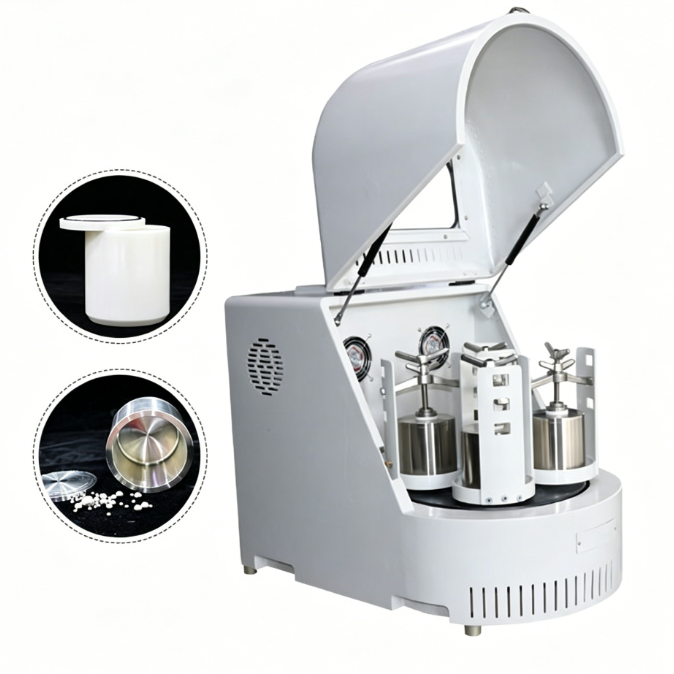
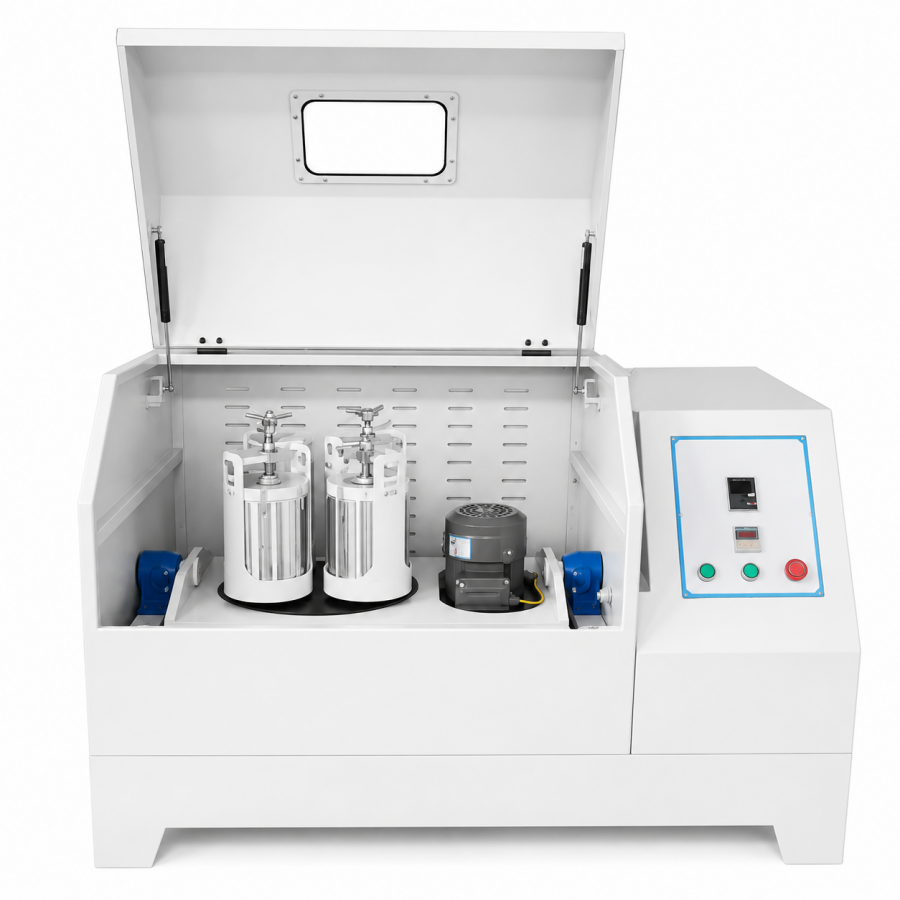
The SPBM-12A lateral planetary ball mill provides a 12 L total volume with four 3 L jar stations, a 1.5 kW motor, and variable frequency drive enabling disk speeds up to 290 rpm. Its compound planetary motion delivers high energy density for ultra-fine grinding down to 0.1 μm, supporting both dry and wet processes with programmable cycle control for reproducibility. Jars and grinding media are sold separately, and effective loading is limited to two-thirds of jar volume, requiring careful material selection to avoid cross-contamination.
Positive
- Compound planetary motion for high energy density: The SPBM-12A utilizes compound planetary motion combining revolution and rotation, delivering high energy density that enables ultra-fine grinding down to 0.1 μm particle size.
- Versatile dry/wet grinding with intelligent control: Supports both dry and wet grinding processes, is compatible with multiple jar materials, and features variable frequency stepless speed regulation, timing, and forward-reverse cycle for reproducible experimental results.
Trade-offs
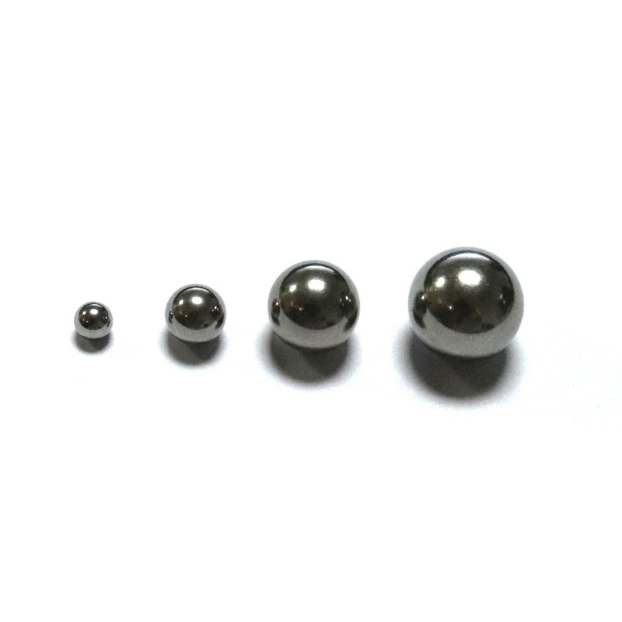
- Separate procurement of jars and media: Grinding jars and balls are not included with the main unit and must be ordered separately, requiring careful material compatibility selection to avoid cross-contamination.
- Limited effective milling volume per jar: Maximum jar loading capacity is two-thirds of jar volume, reducing the effective batch size per grinding cycle.
Every advanced material, component, equipment, and instrument in our catalog is backed by rigorous testing. We maintain strict internal quality management frameworks and align with CE conformity metrics to deliver transparent, reproducible performance data via our public open-science repository.
To request raw batch performance data, submit formal vendor registration paperwork, or execute a fast-turnaround R&D manufacturing loop, contact us at inquiry@atomfair.com.
Item is dispatched under the Atomfair Shipping & Delivery Framework (Free worldwide shipping on orders over $59 USD excl. heavy equipment). Return is governed by the Atomfair Return & Refund Policy (7-day technical return window).