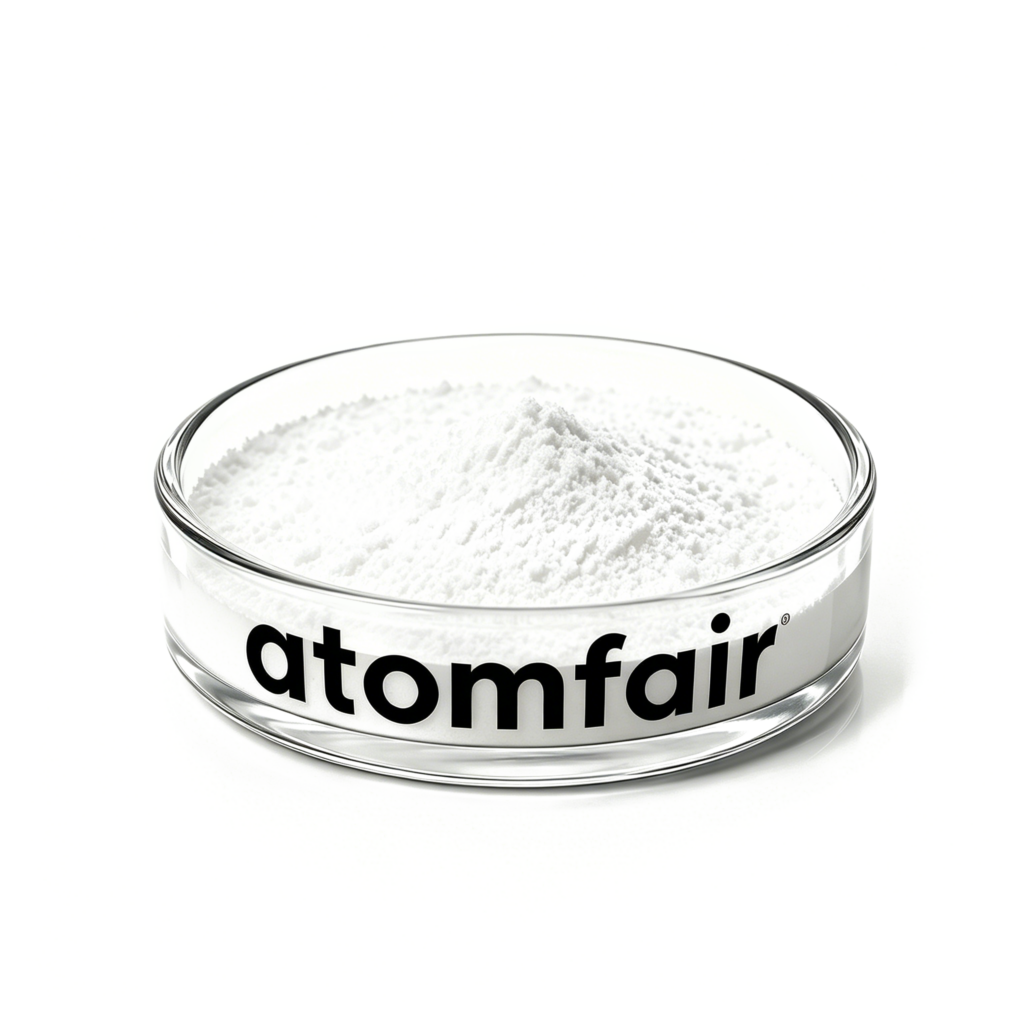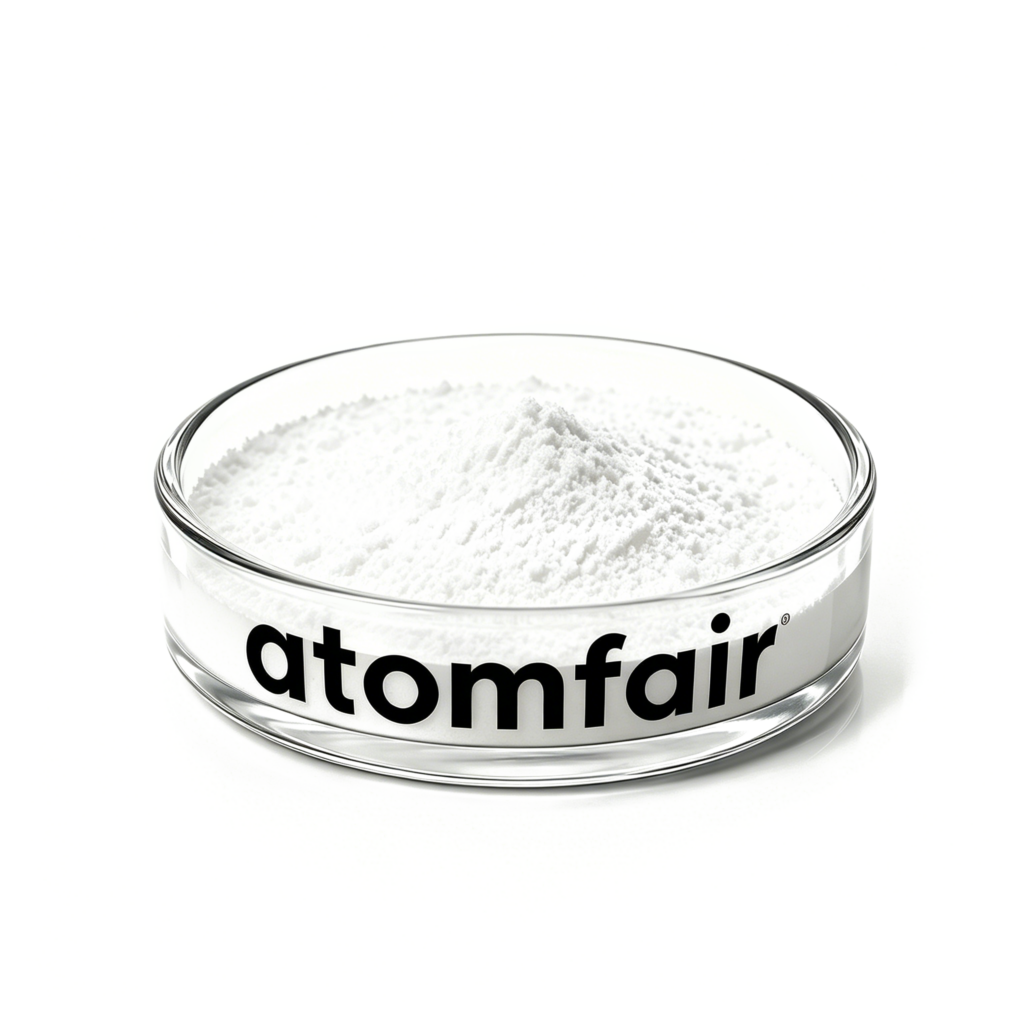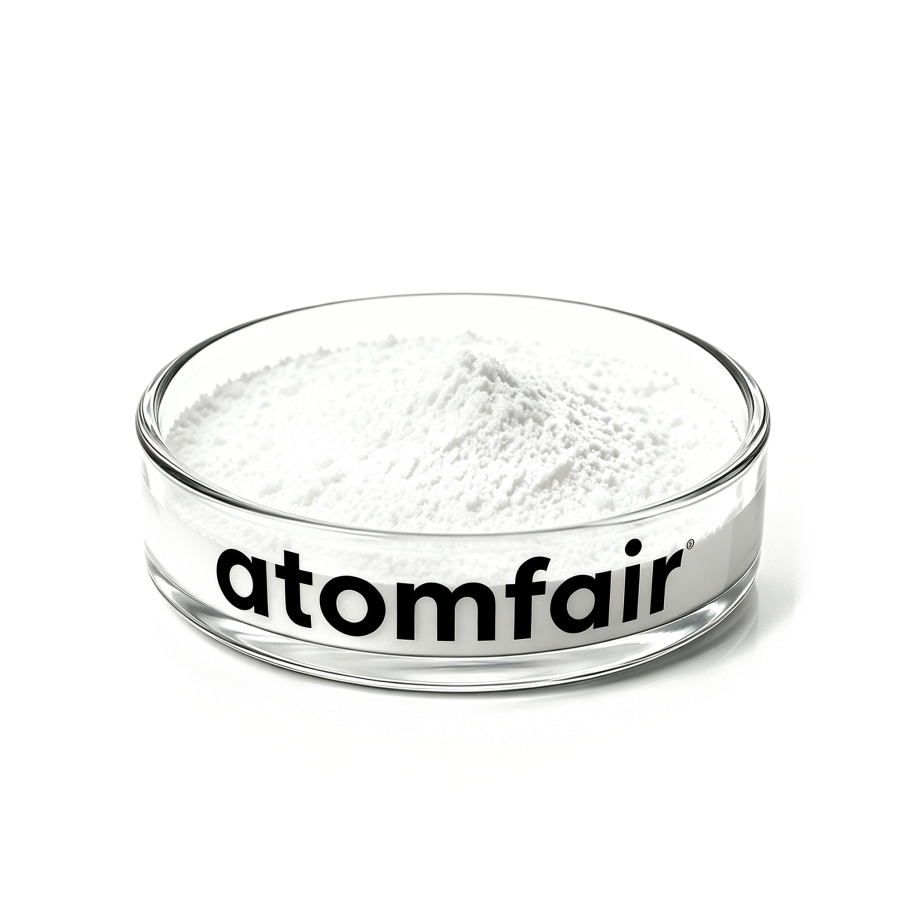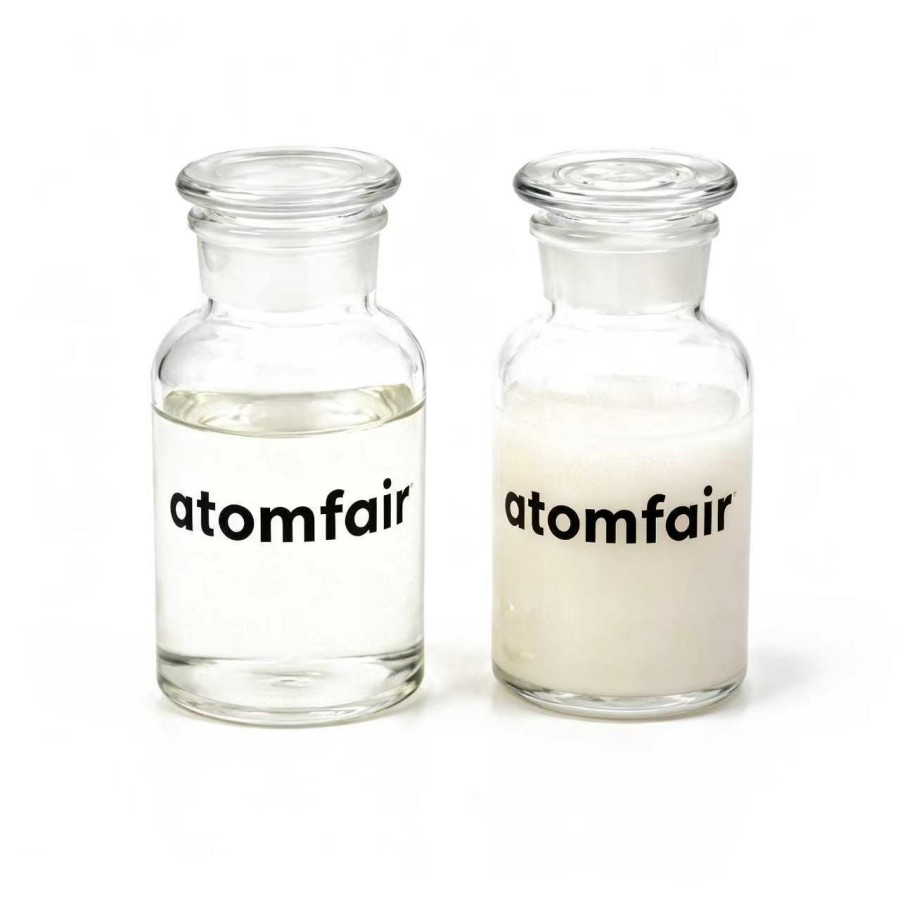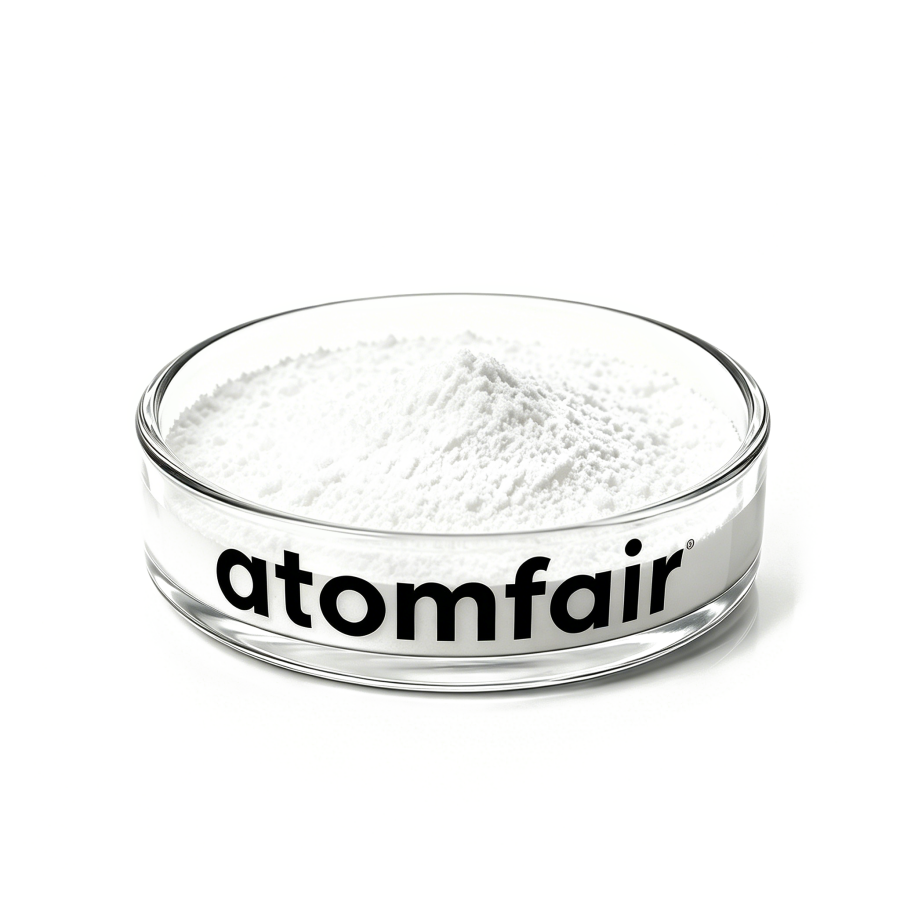
ATOMFAIR® PVDF HOMOPOLYMER MODEL HSV900RESEARCH GRADE MATERIAL
|
||||||||||||||||||||||||||||||||||||||||||||||||||
|
||||||||||||||||||||||||||||||||||||||||||||||||||
|
|||
|
TAILORED SOLUTIONS FOR RESEARCH
Contact our engineering team for technical support or official institutional quotations.
EMAIL: inquiry@atomfair.com
|
|||
|
Manufacturer: Atomfair LLC
Brand: ATOMFAIR®
|
This PVDF binder is formulated for casting and coating processes in lithium-ion battery electrode production. It incorporates heat and UV stabilizers to ensure chemical resistance and thermal stability under operating conditions.
- Chemical Resistance: PVDF exhibits inherent chemical resistance to common battery electrolytes and solvents, ensuring binder stability during electrode fabrication and cycling.
- Thermal and UV Stability: The incorporated heat and UV stabilizers allow the binder to withstand elevated processing temperatures and prolonged exposure to ultraviolet light without degradation.
- Processing Methods: This material is designed for casting molding and coating processes, necessitating dispersion in a compatible solvent before application.
How does the melt viscosity of PVDF HSV900 (48-52.5 kPoise) affect its processability in electrode slurry formulation compared to lower viscosity grades?
The melt viscosity range of 48-52.5 kPoise indicates a high molecular weight homopolymer that requires sufficient solvent and shear to achieve proper dispersion and coating. This viscosity provides robust mechanical properties (tensile strength 40-55.2 MPa and flexural modulus 1380-2210 MPa per ASTM D638 and D790) necessary for electrode integrity, but may necessitate higher solvent ratios or longer mixing times to avoid agglomeration.
Is PVDF HSV900 compatible with standard N-methyl-2-pyrrolidone (NMP) solvent and common cathode active materials like NMC or LFP?
Yes, PVDF HSV900 is designed for casting molding and coating processes typical in lithium battery electrode fabrication, where NMP is the standard solvent. As a high-purity homopolymer with added heat and UV stabilizers, it provides the chemical resistance and barrier properties required for stable slurry formation with NMC and LFP cathodes, though optimal dispersion parameters should be validated for each active material system.
What are the recommended storage conditions and handling precautions for PVDF HSV900 powder to maintain its research-grade purity?
PVDF HSV900 powder should be stored in a dry, cool environment below 30°C in tightly sealed containers to prevent moisture absorption and contamination. Its heat-stable and UV-resistant formulation (with LOI of 44% per ASTM D2863) allows safe handling without special inert atmosphere, but avoid exposure to temperatures above its melting range of 162-172°C during processing to prevent degradation.
This research-grade PVDF homopolymer binder (HSV900) offers high chemical resistance and thermal stability suitable for lithium-ion battery electrode fabrication, but its powder form necessitates solvent-based processing and the presence of stabilizers may be a consideration for purity-critical applications.
Positive
- High Purity and Chemical Resistance: Designated research grade with high purity and barrier resin characteristics, ensuring low contamination in electrode slurries and resistance to electrolyte degradation.
- Excellent Thermal and Mechanical Stability: Melting range of 162–172°C and tensile strength up to 55 MPa provide structural integrity during cell drying and cycling, with robust adhesion for electrode films.
Trade-offs
- Requires Solvent-Based Processing: Supplied as a powder for casting/coating, it must be dissolved in polar solvents such as NMP, requiring solvent handling infrastructure and controlled evaporation steps.
- Additives May Affect Ultra-High Purity Applications: Includes heat and UV stabilizers, which, while beneficial for stability, introduce additional components that could influence electrochemical performance in highly sensitive research.
Every advanced material, component, equipment, and instrument in our catalog is backed by rigorous testing. We maintain strict internal quality management frameworks and align with CE conformity metrics to deliver transparent, reproducible performance data via our public open-science repository.
To request raw batch performance data, submit formal vendor registration paperwork, or execute a fast-turnaround R&D manufacturing loop, contact us at inquiry@atomfair.com.
Item is dispatched under the Atomfair Shipping & Delivery Framework (Free worldwide shipping on orders over $59 USD excl. heavy equipment). Return is governed by the Atomfair Return & Refund Policy (7-day technical return window).