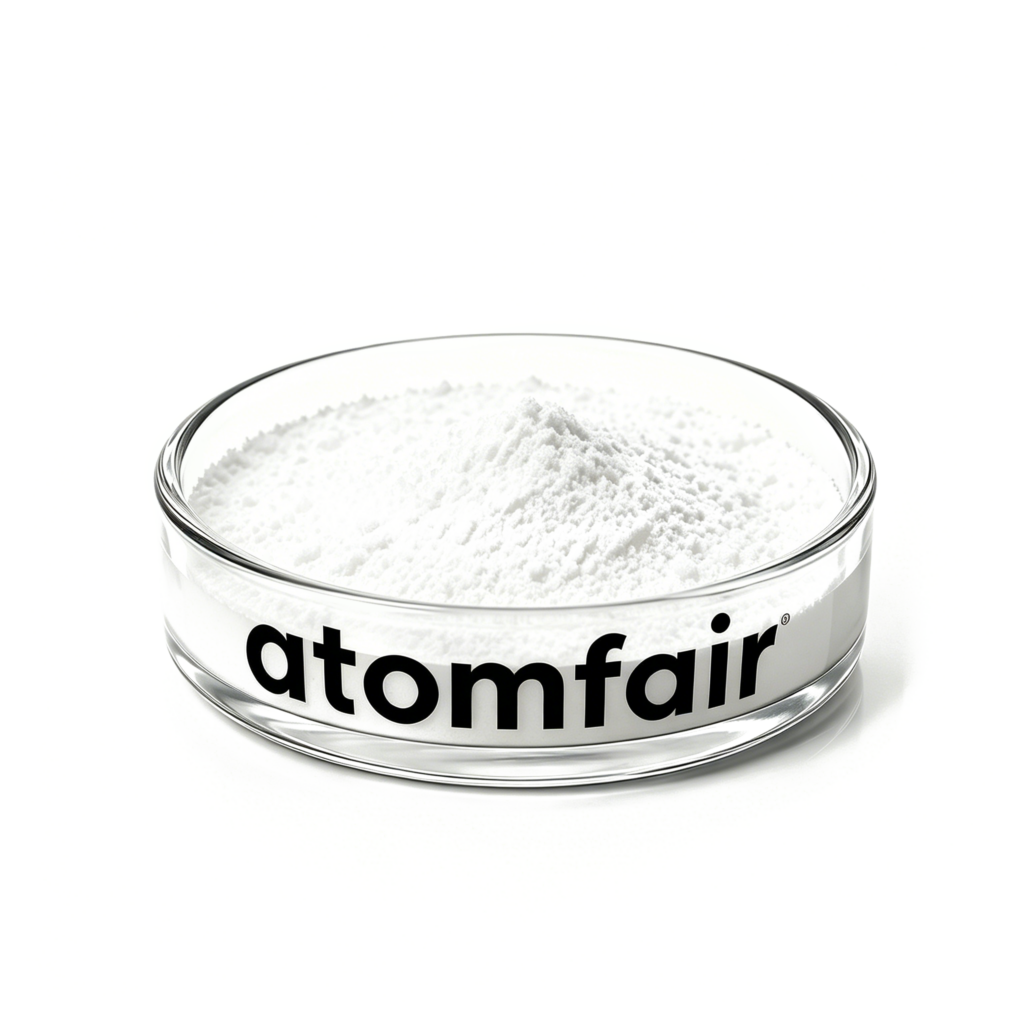
ATOMFAIR® POLYACRYLIC ACID (PAA)RESEARCH GRADE MATERIAL
|
||||||||||||||||||||||||
|
||||||||||||||||||||||||
|
|||
|
TAILORED SOLUTIONS FOR RESEARCH
Contact our engineering team for technical support or official quotes. Use our materials to elevate your experiments!
EMAIL: support@atomfair.com
|
|||
|
Manufacturer: Atomfair LLC
Brand: ATOMFAIR®
|
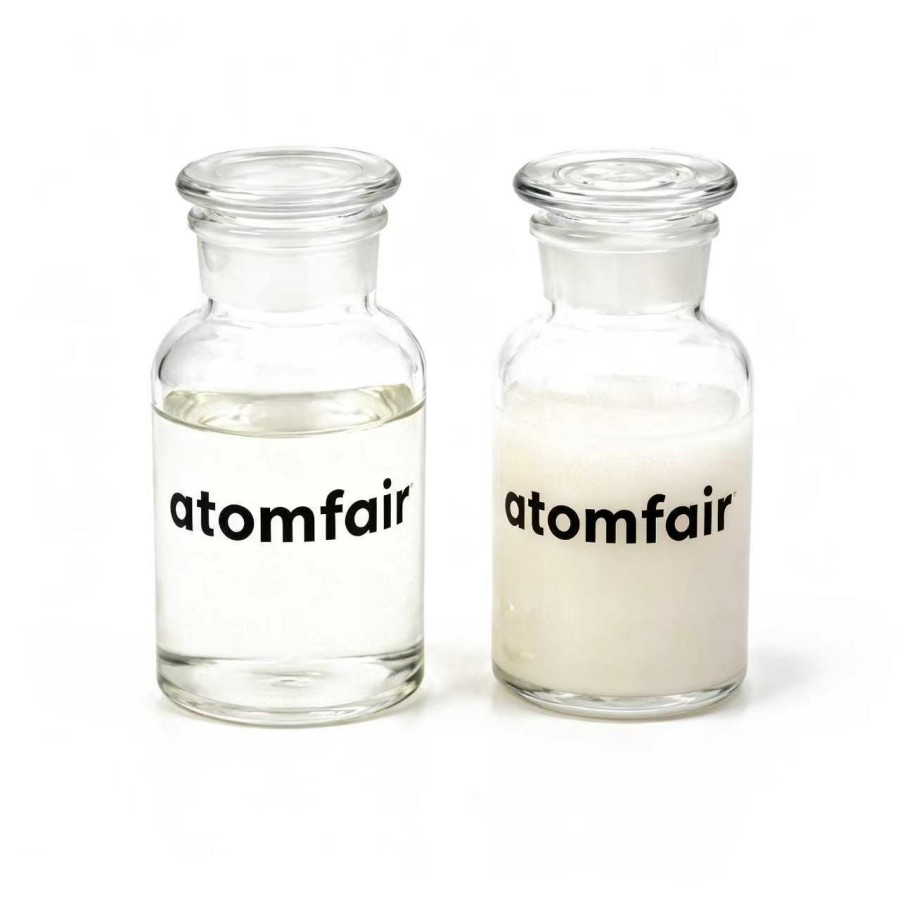
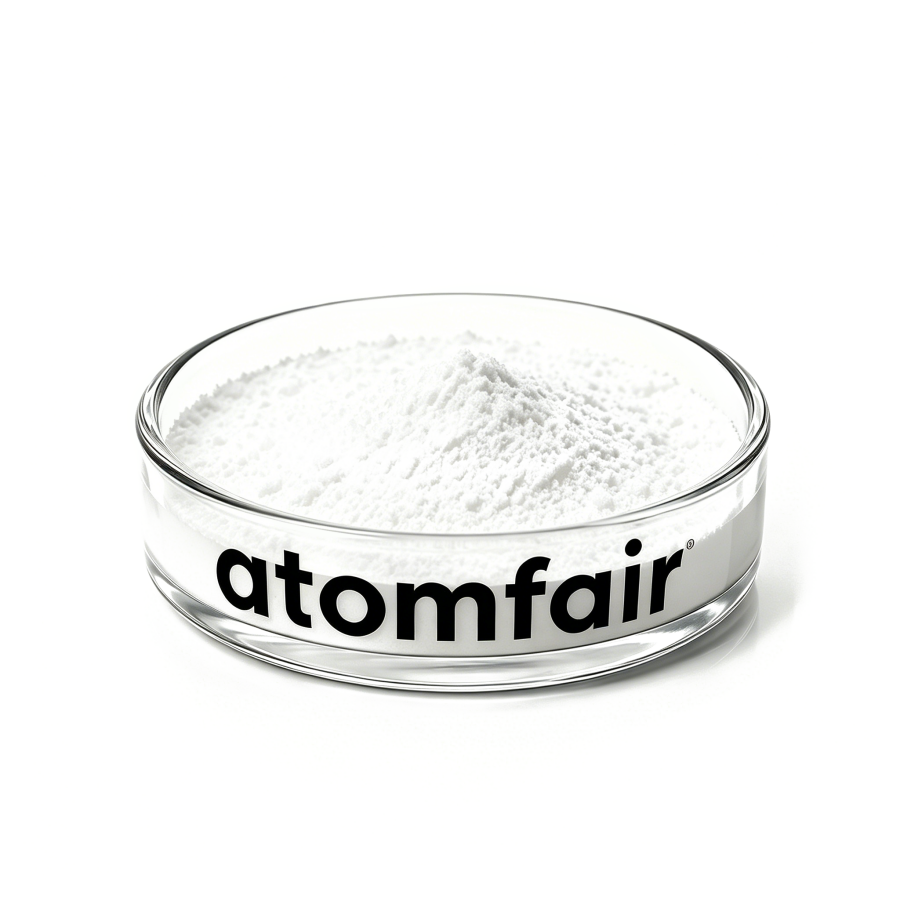
Polyacrylic Acid (PAA) is a water-soluble polymer that requires dissolution in aqueous media for processing. The polymer remains stable within a pH range of 4 to 10, limiting compatibility with extreme acidic or alkaline formulations.
- Water Solubility Requirement: The polymer must be dissolved in water to form a viscous solution; incomplete dissolution may affect the intended application.
- pH Compatibility Range: The polymer is stable only within a pH range of 4 to 10, and exposure outside this range risks degradation or loss of functional properties.
What is the typical molecular weight range for Polyacrylic Acid (PAA) and how does it affect performance?
The molecular weight varies based on synthesis conditions, as stated in the technical specifications. Higher molecular weight grades generally yield greater viscosity and absorbency, while lower molecular weight variants are preferred for coatings and adhesives requiring easier flow and penetration.
What pH range is Polyacrylic Acid (PAA) stable in, and what happens outside that range?
PAA is typically stable in a wide pH range of 4–10, as per the specifications. Outside this range, the polymer may undergo hydrolysis or chain degradation, reducing its thickening and absorbent efficiency. For extreme acidic or alkaline conditions, modified PAA grades with enhanced stability are recommended.
What are the primary application constraints for Polyacrylic Acid (PAA) in superabsorbent formulations?
In superabsorbent applications, PAA must maintain high water retention under load and resist ionic interference. The technical specs confirm its solubility in water forming a viscous solution, but crosslinking density and salt tolerance are critical parameters not explicitly listed here. For diaper or agricultural use, formulations often require neutralized or partially neutralized PAA to optimize swelling capacity.
Polyacrylic Acid (PAA) is a water-soluble polymer exhibiting high absorbency and biocompatibility, making it suitable for superabsorbent, adhesive, coating, and pharmaceutical applications. Its performance is contingent on controlled storage conditions to prevent degradation and on maintaining pH within the 4–10 stability window.
Positive
- High absorbency and water retention: Capable of absorbing large amounts of water relative to its weight, providing effective water retention for superabsorbent materials and agricultural applications.
- Biocompatible for pharmaceutical use: Safe for medical and pharmaceutical applications, including drug delivery systems, due to its biocompatibility and thickening properties.
Trade-offs
- Requires controlled storage conditions: Must be stored in a cool, dry place away from direct sunlight and moisture to prevent degradation and maintain product integrity.
- pH stability limited to 4–10 range: Typically stable only within a pH range of 4–10; excursions outside this window may compromise polymer performance and solution properties.
Every advanced material, component, equipment, and instrument in our catalog is backed by rigorous testing. We maintain strict internal quality management frameworks and align with CE conformity metrics to deliver transparent, reproducible performance data via our public open-science repository.
To request raw batch performance data, submit formal vendor registration paperwork, or execute a fast-turnaround R&D manufacturing loop, contact us at inquiry@atomfair.com.
Item is dispatched under the Atomfair Shipping & Delivery Framework (Free worldwide shipping on orders over $59 USD excl. heavy equipment). Return is governed by the Atomfair Return & Refund Policy (7-day technical return window).