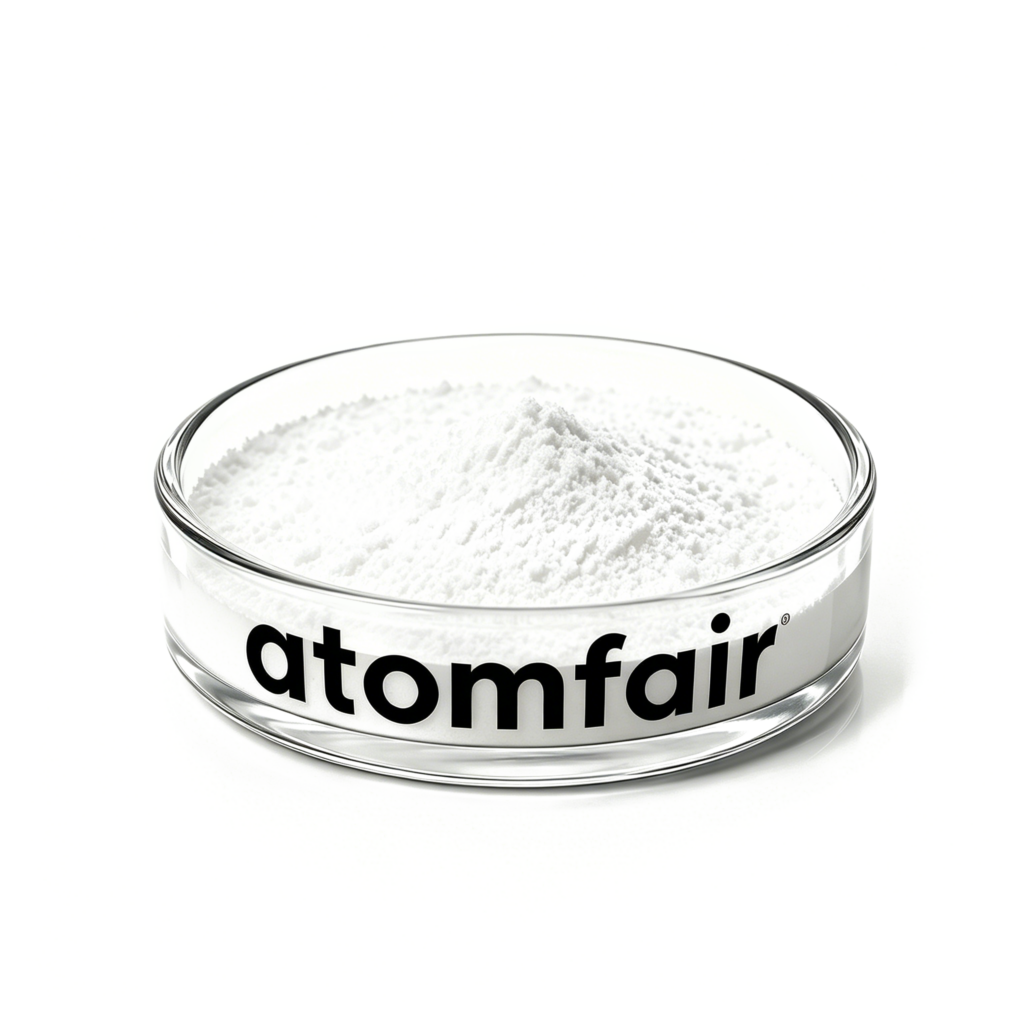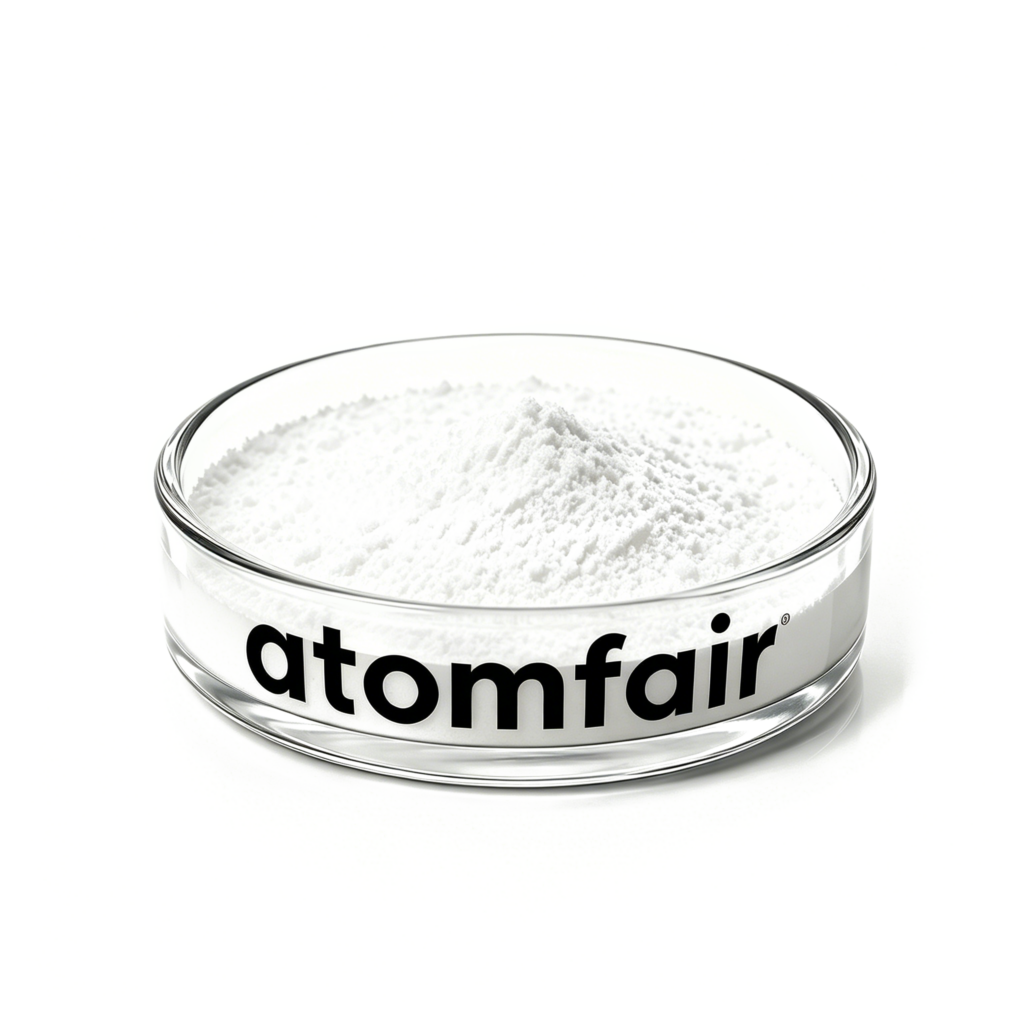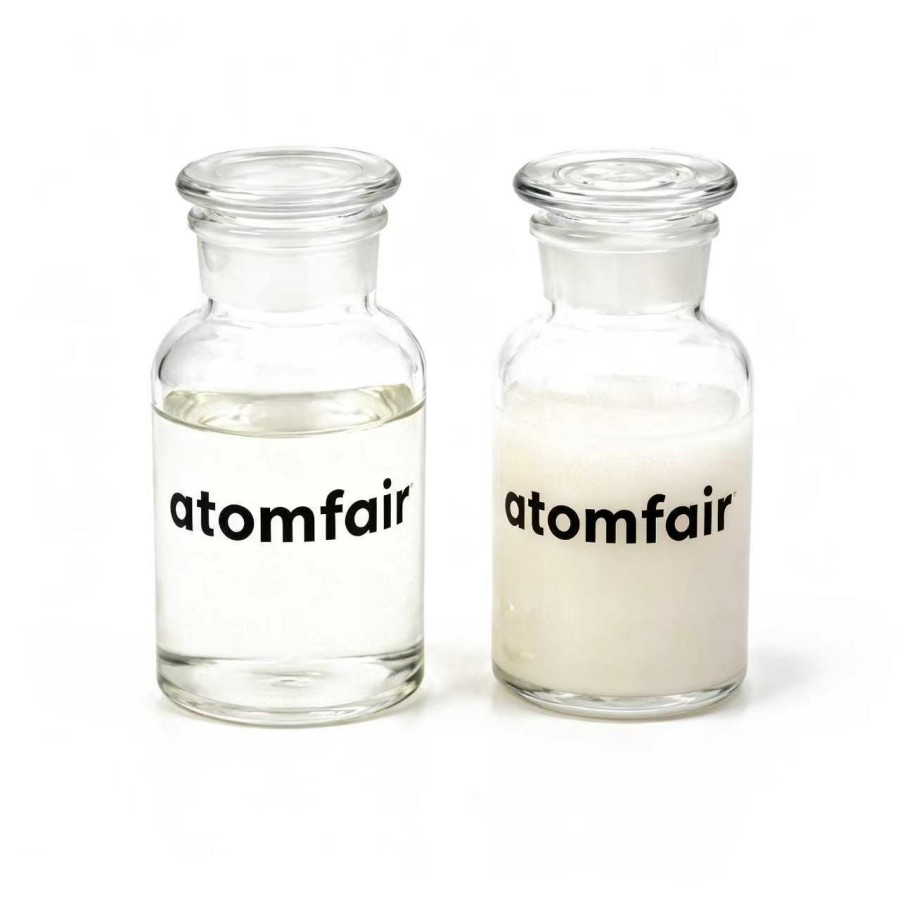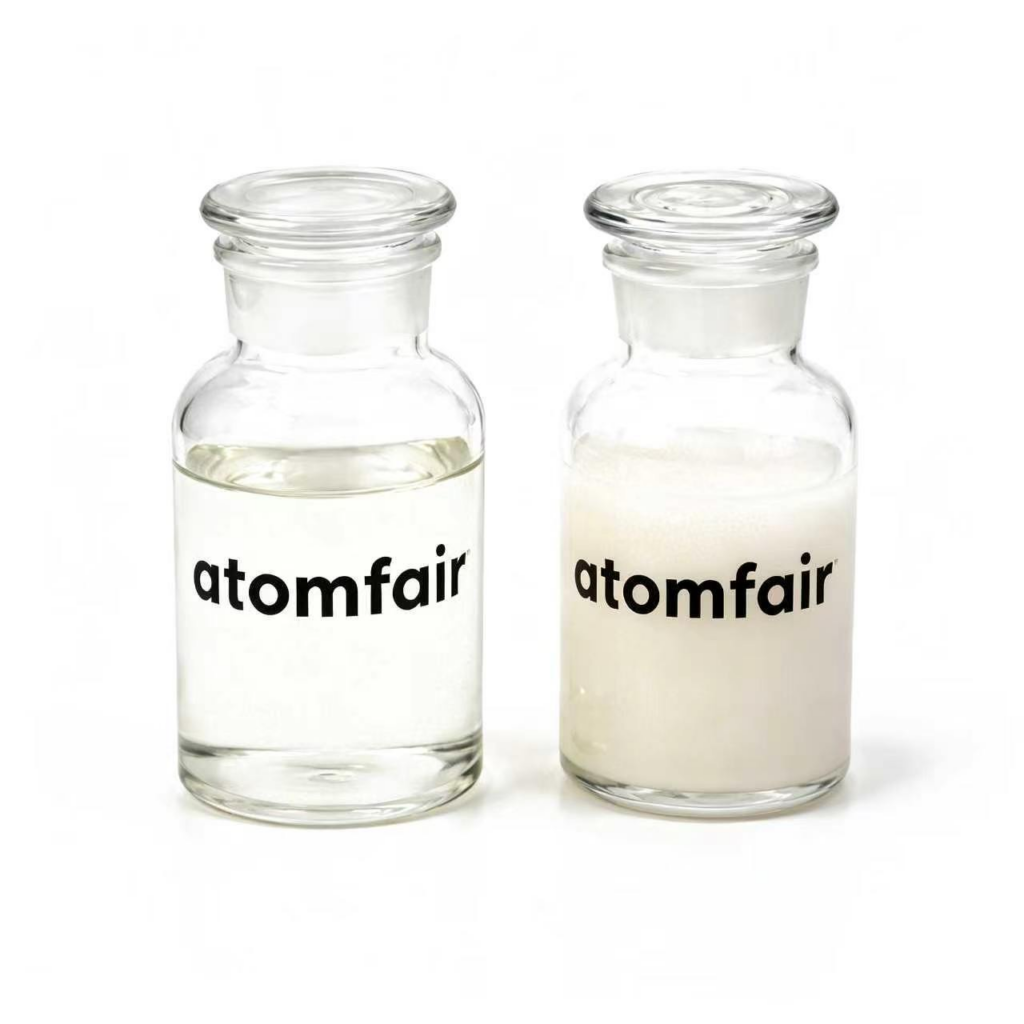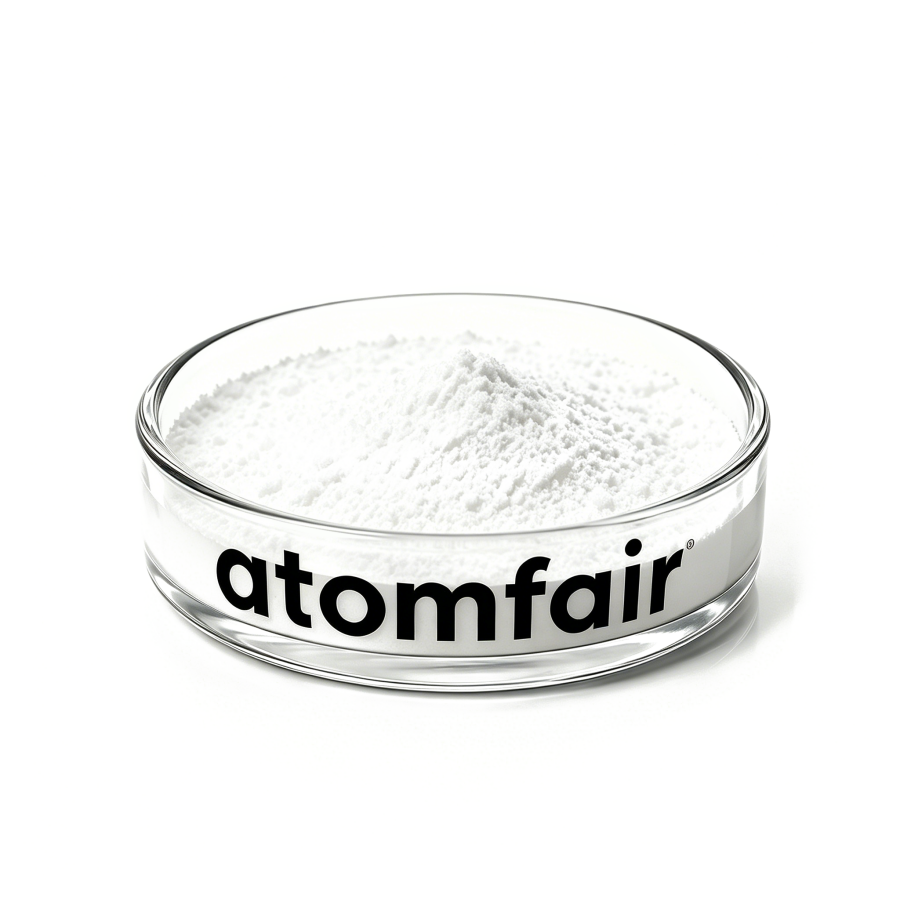
ATOMFAIR® LITHIUM BATTERY GRADE CARBOXYMETHYL CELLULOSE (CMC) BINDERRESEARCH GRADE MATERIAL | WATER-SOLUBLE MATRICES
|
|||||||||||||||||||||||||||||||||||||||||||||||||||||||
|
|||||||||||||||||||||||||||||||||||||||||||||||||||||||
|
TAILORED SOLUTIONS FOR RESEARCH
Contact our engineering team for technical support or official quotations.
EMAIL: inquiry@atomfair.com
|
|||||||||||||||||||||||||||||||||||||||||||||||||||||||
|
Manufacturer: Atomfair LLC
Brand: ATOMFAIR®
|
|||||||||||||||||||||||||||||||||||||||||||||||||||||||
The binder solution must be maintained at a pH between 6.5 and 8.5 and a viscosity within the specified model range to ensure proper electrode slurry formation. Sodium content should be kept below 0.5 wt% to avoid contamination of lithium-ion battery anodes.
- pH Range Constraint: Maintain the aqueous binder solution pH between 6.5 and 8.5 to ensure colloidal stability and compatibility with anode active materials.
- Viscosity Grade Selection: Select the appropriate viscosity grade (1000–2000 or 2000–3000 mPa·s) based on slurry rheology requirements for coating uniformity.
- Sodium Contamination Limit: Ensure the sodium content in the final binder remains below 0.5 wt% to prevent detrimental effects on battery cycling performance.
- Dissolution Procedure: Dissolve the CMC-Li powder in deionized water under continuous stirring to achieve a homogeneous solution without undissolved aggregates.
How does the viscosity range of CMC-Li binders (1000–5000 mPa·s across models) affect electrode slurry homogeneity and coating performance?
The viscosity range directly influences slurry rheology and coating uniformity. For example, model CL120 (1000–2000 mPa·s) is suitable for low-viscosity slurries requiring high solid loading, while CL450 (4000–5000 mPa·s) provides superior binding for high-capacity anodes like silicon. All models maintain a degree of substitution of 0.80–1.00 and pH 6.5–8.5 to ensure stable dispersion.
Can lithium CMC be used as a standalone binder for silicon-dominant anodes, or is it typically combined with SBR?
Lithium CMC (CMC-Li) is primarily designed as a thickener and dispersing framework for electrode slurries and is often used in combination with SBR for flexible anode binding. The product's high content (≥99.5% measured 99.90%) and low sodium (≤0.5 w%) ensure minimal ionic contamination, making it suitable for high-voltage and silicon-based anodes when paired with an elastomeric binder.
What are the critical storage and handling requirements for lithium CMC powder to prevent moisture absorption and maintain performance?
Lithium CMC powder is highly hygroscopic and must be stored in a sealed container under dry conditions to avoid premature dissolution or viscosity changes. The product's water solubility means exposure to ambient moisture can alter its rheological properties, compromising slurry consistency. It should be handled in a low-humidity environment and used immediately after opening.
This lithium carboxymethyl cellulose binder exhibits high chemical uniformity and low sodium content, making it suitable for research-grade anode slurries, though residual sodium may require consideration for alkali-sensitive chemistries.
Positive
- High purity >99.5%: Assayed at 99.90% purity, this binder minimizes contamination sources in battery electrode slurries, directly supporting electrochemical reproducibility.
- Low sodium impurity ≤0.5%: Sodium content is held below 0.5 w%, reducing parasitic side reactions and maintaining lithium-ion transport integrity in the anode matrix.
Trade-offs
- Residual sodium present: Despite low levels, the ≤0.5% sodium content may still interfere with ultra-high-purity lithium systems or sodium-sensitive electrochemical measurements, requiring end-user verification.
Every advanced material, component, equipment, and instrument in our catalog is backed by rigorous testing. We maintain strict internal quality management frameworks and align with CE conformity metrics to deliver transparent, reproducible performance data via our public open-science repository.
To request raw batch performance data, submit formal vendor registration paperwork, or execute a fast-turnaround R&D manufacturing loop, contact us at inquiry@atomfair.com.
Item is dispatched under the Atomfair Shipping & Delivery Framework (Free worldwide shipping on orders over $59 USD excl. heavy equipment). Return is governed by the Atomfair Return & Refund Policy (7-day technical return window).