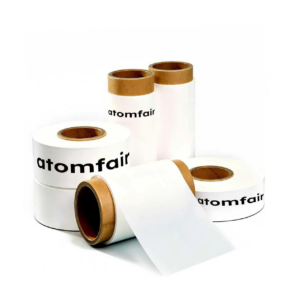
Double-Side LATP-Coated PE Separator 16μm 60mm ATOMFAIR®

$220.00

Institutional Procurement & Supply Compliance: As a verified US supplier, Atomfair accepts formal institutional Purchase Orders (POs), contract billing schedules, and custom procurement loops for university and national laboratories, and corporate R&D departments globally.

Double-side LATP-coated PE separator, 16μm thick, 60mm wide, 100m length. 42% porosity, ≥395gf puncture. Research-grade for solid-state batteries. Order now.

SKU: AFMSXPHL092
Category:
Brands:

Description

ATOMFAIR® DOUBLE-SIDED LATP-COATED PE SUBSTRATE SOLID ELECTROLYTE SEPARATOR ROLL

RESEARCH & PILOT PRODUCTION GRADE MATERIAL

Product Overview

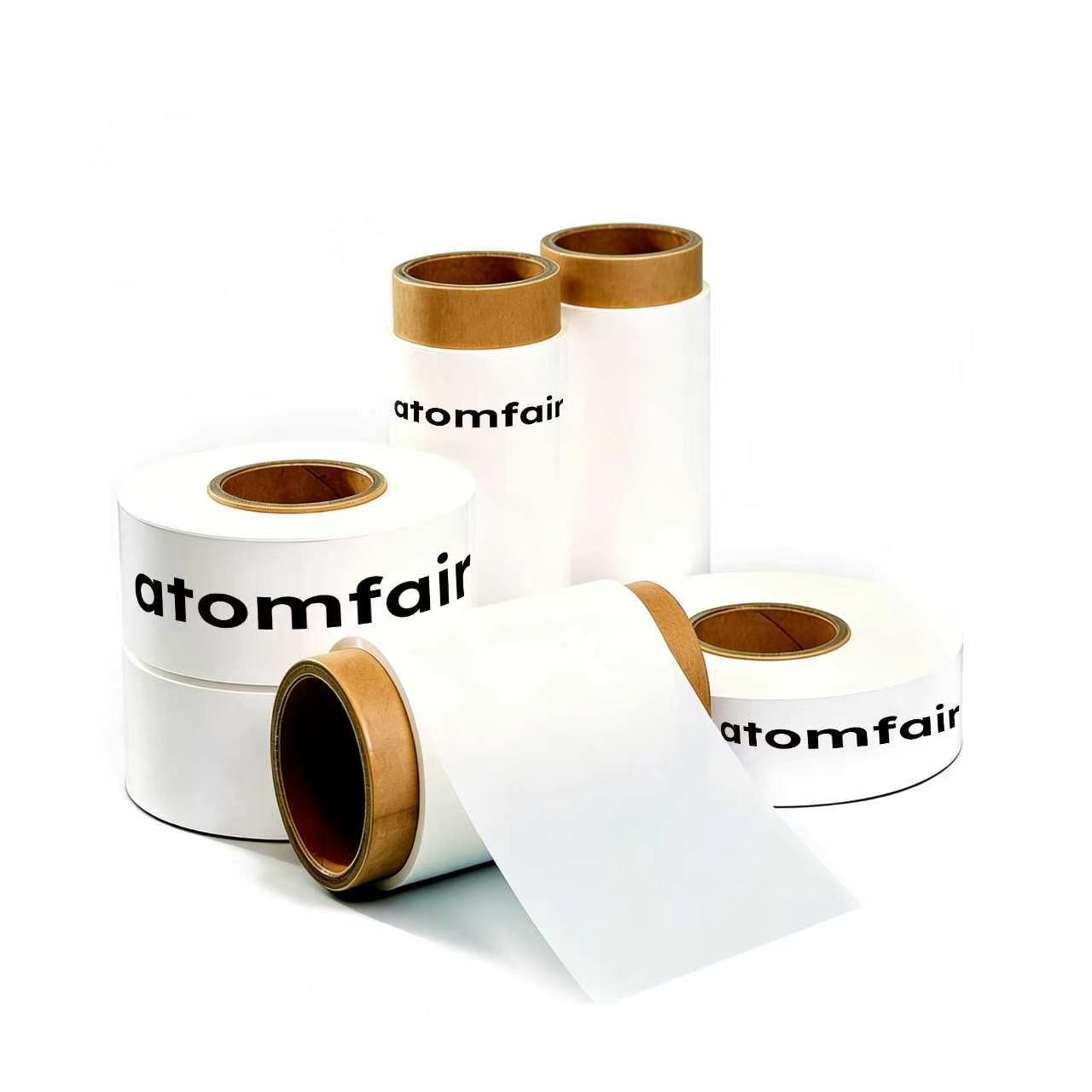
The ATOMFAIR® Double-sided LATP-Coated PE Substrate Solid Electrolyte Separator Roll features an advanced symmetrical multi-layered composite architecture engineered exclusively for high-reliability automated lamination and continuous cell winding within solid-state lithium-ion battery configurations. By combining the exceptional mechanical flexibility and matrix of a Polyethylene (PE) baseline film with the stable fast-ion conductivity of a micro-calibrated, dual-sided Li₁.₃Al₀.₃Ti₁.₇(PO₄)₃ (LATP) ceramic coating layer, this roll-form platform optimizes alkali-ion migration networks evenly on both sides. Tailored to withstand continuous automated line tensions without structural delamination, it suppresses high-temperature shrinkage variables, guaranteeing uncompromised validation data reproducibility across advanced institutional R&D workflows.

Technical Specifications

PARAMETER DETAILS / METRIC VALUES
1. Core Device & Device Root Substrate Designation
Material Configuration Polyethylene (PE) polymeric substrate film + symmetrical double-sided Li₁.₃Al₀.₃Ti₁.₇(PO₄)₃ (LATP) solid electrolyte ceramic coating
Available Delivery Form Factor Continuous roll-only architecture (Optimized for automated pilot winding and lamination equipment)
Roll Geometrical Size Profile 100 m (Continuous Delivery Run Length) × 60 ± 0.5 mm (Calibration Width)
Packaging Enclosure Volumetrics 16 × 8 × 8 inches Continuous Shipping Standard Container Box
2. Membrane & Porous Barrier Parameters
Total Symmetrical Thickness 16 μm Total Thickness Cross-Section (Baseline PE substrate: 12 μm | Symmetrical single-sided LATP coating: 2 μm)
Air Permeability Matrix (Gurley) 248 s/100mL Porous Cross-Transmission Rate
Micro-Porous Porosity Rating 42 % Open Void Fraction
Composite Surface Density 13.0 ± 1.0 g/m² Matrix Area Mass Weight
3. Mechanical, Thermal & Kinetic Transport Matrix
Puncture Deflection Strength ≥ 395 gf Micro-Dendrite Resistance Force Limit
Ultimate Mechanical Tensile Strength Longitudinal Direction (MD): ≥ 1200 Kgf/cm² | Transverse Direction (TD): ≥ 1460 Kgf/cm²
Extreme Thermal Shrinkage Profile Longitudinal Direction (MD): ≤ 2% | Transverse Direction (TD): ≤ 1% (Verified post extended high-heat thermal validation stress)
Manufacturing Rules Processed under strict ISO standard compliance requirements (ISO 10993, ASTM D882, ASTM D726, and IEC 61960 certified)
Alternative Options Optimized for pouch and prismatic cells using high-precision automatic laminators (e.g., MSK-111A-ES). For customized run lengths or institutional bulk quotes, please contact our support team.


Key Features & Advantages

  • Homogeneous Material Purity: Formulated via a symmetrical double-sided coating tech to guarantee uncompromised interface integration, seamlessly binding fast-ion conducting LATP crystals on both faces of the polymeric base film to eliminate curling and microstructural layer peeling.
  • Enhanced Operational Efficiency: Specifically engineered with balanced multi-directional tensile parameters and a reliable puncture profile (≥ 395 gf), avoiding internal shorting variables and performance discrepancies between faces during automated cell lamination.
  • Optimized Microstructure: Symmetrical double-coated geometry delivers isotropic thermal stress distribution and ultra-low thermal shrinkage at extreme evaluation thresholds, maintaining complete physical separation boundaries under elevated thermal validation loads.

APPLICATION SCOPE: Symmetrical high-performance solid-state electrolyte separators for advanced lithium-ion battery R&D laboratories, automatic line lamination trials (pouch/prismatic configurations), and rigorous high-temperature electrochemical safety verification loops.
PACKAGING: Delivered in secure continuous roll forms enclosed in robust international shipping standard boxes (16 × 8 × 8 inches dimensions) with dedicated structural edge spacing blocks.
IMPORTANT NOTICE: This symmetrical ceramic-coated functional roll substrate is vulnerable to sudden tension shocks and ambient water absorption. Keep continuous rolls properly tensioned and process exclusively within dry, non-contaminating laboratory spaces away from factory moisture, dropping impacts, or external particle exposure to safeguard interface integrity before definitive battery validation testing workflows.

TAILORED SOLUTIONS FOR RESEARCH
Contact our engineering team for technical support or official institutional quotations.
EMAIL: inquiry@atomfair.com
Manufacturer: Atomfair LLC
Brand: ATOMFAIR®

This separator roll requires controlled temperature and mechanical handling to maintain integrity. Exceeding rated thermal or mechanical limits may cause irreversible damage.

  • Thermal Exposure Limits: The separator must not be exposed to temperatures at or above 130°C for extended periods to avoid shrinkage and structural changes.
  • Mechanical Load Limits: Applied forces must remain below the puncture strength of 395gf and tensile strengths of MD 1200 Kgf/cm² and TD 1460 Kgf/cm² to prevent tearing or puncturing.

How does the double-sided LATP coating thickness of 2 μm per side affect the separator's ionic conduction and mechanical puncture resistance?

The 2 μm LATP coating per side provides uniform, continuous ion-conductive pathways while maintaining the flexibility of the 12 μm PE substrate. Despite the thin ceramic layers, puncture strength remains ≥395 gf, ensuring robust electrode isolation without sacrificing the mechanical integrity needed for automated lamination.

What are the temperature constraints for using this LATP-coated PE separator in battery testing?

The separator is tested to maintain dimensional stability up to 130°C for 1 hour, with thermal shrinkage ≤2% in the machine direction and ≤1% in the transverse direction. Prolonged exposure above this limit will cause PE substrate deformation and loss of electrode isolation, limiting its use to moderate-temperature solid-state electrolyte evaluations.

What handling and equipment infrastructure is required to process the 100 m roll of LATP-coated PE separator?

The separator is supplied in a roll format (60 ±0.5 mm width, 100 m length, 16×8×8 in outer packaging) and is fully compatible with automatic laminators such as MSK-111A-ES (110 mm×100 mm). Handling requires a clean, dry environment and automated unwinding to prevent creasing or cracking of the 2 μm LATP coatings; manual cutting must be performed with sharp, clean tools.

This double-sided LATP-coated PE separator provides a unique combination of mechanical flexibility and thermal stability for battery R&D, with symmetrical coating ensuring uniform ion conduction. However, its exclusive roll format and measured thermal shrinkage of up to 2% at 130°C introduce handling and dimensional considerations during cell assembly.

Positive

  • Symmetrical Dual-Coating Design: Both sides are uniformly coated with LATP, eliminating ion conduction discrepancies between faces and improving the consistency of battery test data.
  • Flexibility and Thermal Balance: The PE substrate provides excellent flexibility for easy processing, while the LATP coating maintains structural stability under high-temperature testing, preventing deformation and ensuring reliable electrode isolation.

Trade-offs

  • Roll-Only Sales Form: The separator is supplied exclusively in roll form, requiring additional cutting and handling steps when preparing small-scale pouch or prismatic cells, which may increase manual labor and risk of edge damage.
  • Thermal Shrinkage at 130°C: With MD shrinkage up to 2% and TD up to 1% after 1 hour at 130°C, dimensional changes must be accounted for in cell assembly processes that involve elevated temperatures, potentially affecting electrode alignment.

Every advanced material, component, equipment, and instrument in our catalog is backed by rigorous testing. We maintain strict internal quality management frameworks and align with CE conformity metrics to deliver transparent, reproducible performance data via our public open-science repository.

To request raw batch performance data, submit formal vendor registration paperwork, or execute a fast-turnaround R&D manufacturing loop, contact us at inquiry@atomfair.com.

Item is dispatched under the Atomfair Shipping & Delivery Framework (Free worldwide shipping on orders over $59 USD). Return is governed by the Atomfair Return & Refund Policy (7-day technical return window).