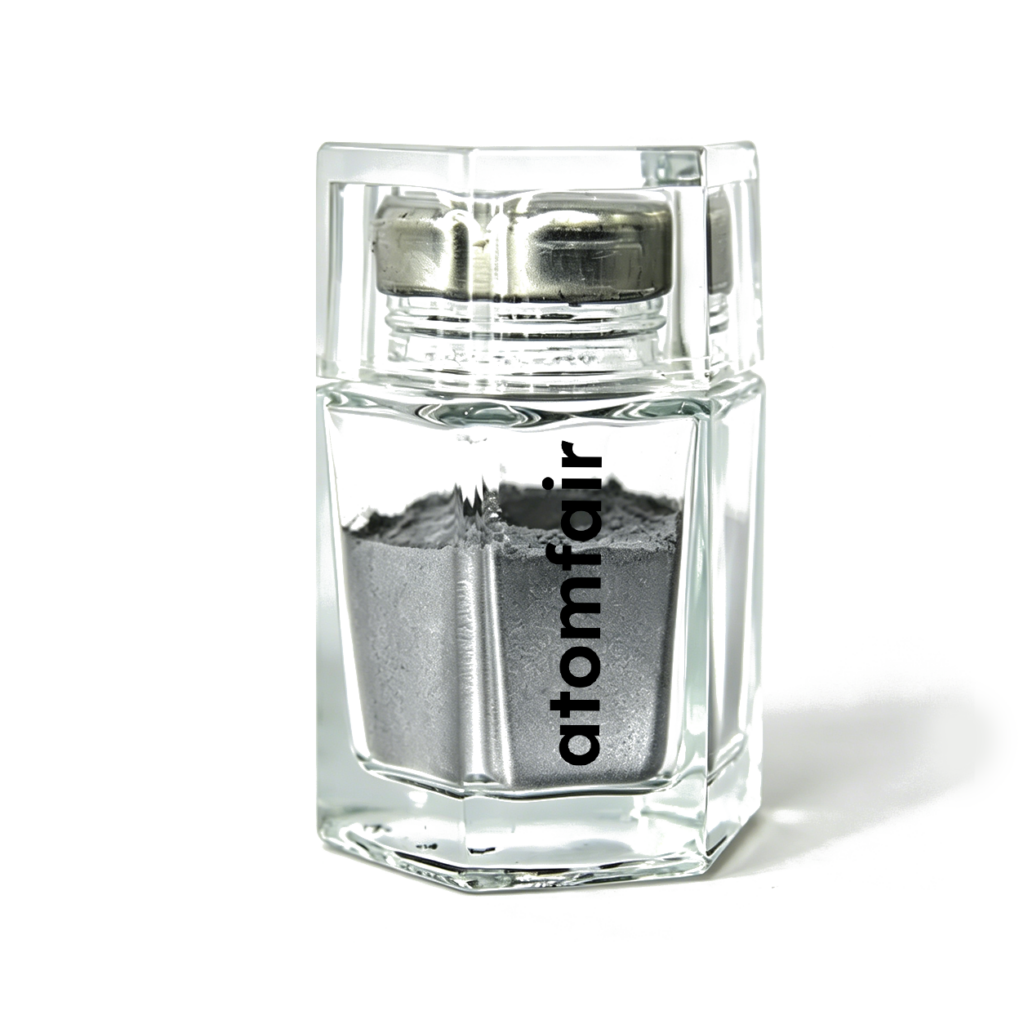
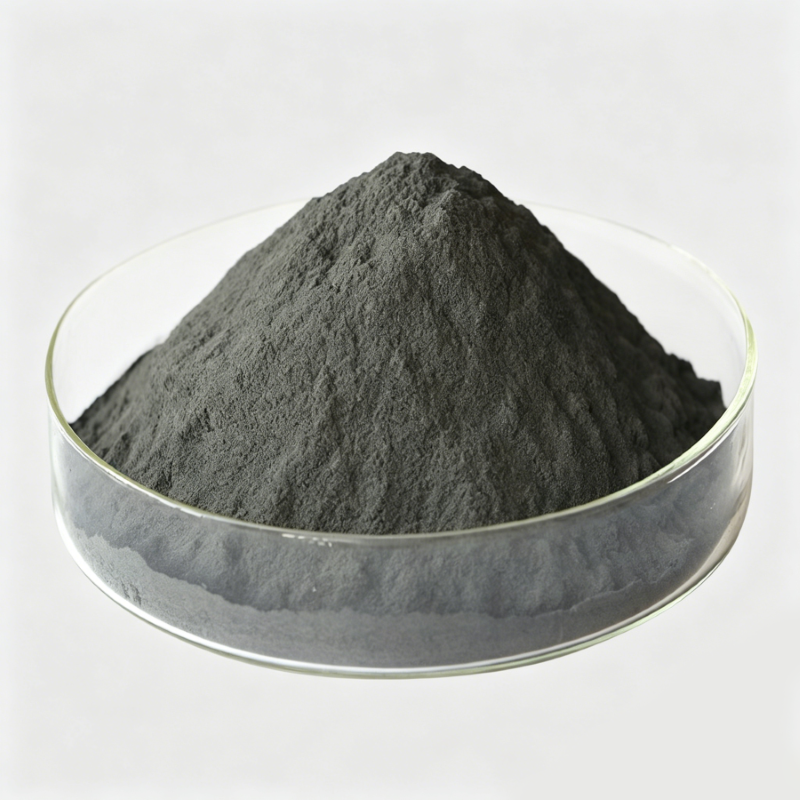
Metal Injection Molding Feedstocks
Metal Injection Molding (MIM) feedstocks are homogeneous mixtures of fine metal powders and specially formulated binder systems. They are designed for injection molding, followed by debinding and sintering, to produce complex metal components with a high level of design freedom.
MIM feedstocks support the efficient manufacture of small, intricate, and precision metal parts that may be difficult or costly to produce through conventional machining, casting, or stamping. Typical component features include thin walls, holes, threads, undercuts, curves, and multiple integrated functions.
This category covers MIM feedstock material systems for stainless steels, low-alloy steels, tool steels, titanium alloys, cobalt-chromium alloys, nickel-based alloys, copper alloys, and soft magnetic alloys. Select the material according to the component’s operating environment, mechanical requirements, geometry, and processing route.
Show More: MIM Feedstock Materials and Selection Guide
Material Systems and Application Directions
| Material System | Key Characteristics | Typical Application Direction |
|---|---|---|
| Stainless Steel | Balanced mechanical properties and corrosion resistance for versatile precision components. | Medical components, electronic hardware, consumer products, industrial fittings, and automotive parts. |
| Precipitation-Hardening Stainless Steel | Suitable where strength, hardness, and corrosion resistance must be considered together. | Precision mechanisms, fasteners, locking components, and structural hardware. |
| Low-Alloy Steel | A practical balance of strength, toughness, and cost for structural applications. | Mechanical parts, automotive components, hardware, and locking parts. |
| Tool Steel | Designed for parts requiring hardness, wear resistance, and durable working surfaces. | Wear-resistant mechanisms, tooling components, and precision industrial parts. |
| Titanium Alloy | High strength-to-weight ratio and corrosion resistance for lightweight component design. | Medical devices, sports equipment, consumer electronics, and high-performance components. |
| Cobalt-Chromium Alloy | Wear-resistant and corrosion-resistant material option for demanding component environments. | Medical devices, precision hardware, and wear-resistant components. |
| Nickel-Based Alloy | Suitable for applications involving elevated temperatures, corrosion, or demanding service conditions. | Energy, chemical-processing, and high-temperature component development. |
| Copper and Copper Alloy | Useful where electrical conductivity or thermal conductivity is important. | Electrical contacts, heat-management parts, and electronic structural components. |
| Soft Magnetic Alloy | For complex small parts that require defined magnetic performance. | Electromagnetic components, actuator parts, and sensor-related hardware. |
How to Select a MIM Feedstock
| Selection Consideration | What to Evaluate |
|---|---|
| Service Environment | Consider corrosion, wear, temperature, electrical, magnetic, and weight-related requirements. |
| Mechanical Requirements | Define the required strength, hardness, toughness, fatigue resistance, and heat-treatment needs. |
| Part Geometry | Review wall thickness, fine features, threads, holes, undercuts, curves, and dimensional tolerances. |
| Molding Process | Match feedstock flow behavior to the mold design, injection equipment, and expected production cycle. |
| Debinding and Sintering | Confirm compatibility with the intended debinding method, sintering atmosphere, and thermal-processing capability. |
| Dimensional Control | Account for material-specific sintering shrinkage, density targets, and any required post-processing. |
Suitable Component Types
MIM feedstocks are well suited to small, complex, and repeatable metal components. They are particularly useful for parts with fine details, thin sections, internal or external threads, holes, grooves, curved surfaces, and multiple integrated structural features.
Typical application directions include precision hardware, locking components, electronic-device structures, medical-device parts, automotive small components, mechanical transmission parts, wearable-device accessories, and industrial equipment hardware. Material selection should always consider the complete combination of part design, quantity, performance target, and manufacturing route.
Frequently Asked Questions
What is MIM feedstock?
MIM feedstock is a homogeneous material made from metal powder and a binder system. It is used for injection molding and is later debound and sintered to create a metal part.
What is the difference between metal powder and MIM feedstock?
Metal powder is a raw material used to prepare a feedstock. MIM feedstock has already been compounded with a binder system and is intended for direct use in the injection molding process.
Which material is suitable for corrosion-resistant MIM parts?
Stainless steel, titanium alloy, and cobalt-chromium feedstocks are commonly considered for corrosion-resistant applications. The best choice depends on the operating environment, required strength, and part design.
Can MIM feedstock be used to make complex parts?
Yes. MIM is particularly suitable for complex small metal parts with fine features, thin walls, threads, holes, curves, and integrated functions.
Do MIM parts shrink during processing?
Yes. Parts shrink during debinding and sintering. Mold design normally includes shrinkage compensation based on the selected material system and process conditions.
How should I choose a feedstock for my part?
Start with the required material performance and service environment, then consider part geometry, molding conditions, debinding route, sintering capability, dimensional tolerance, and anticipated production volume.
Can feedstock flow behavior be selected for different molding needs?
Yes. Appropriate flow behavior is important for mold filling and production stability. It should be evaluated with the component geometry, wall thickness, gate design, and injection process.
What information is helpful before selecting MIM feedstock?
Useful project information includes the target material, part application, key performance requirements, part dimensions and geometry, estimated quantity, injection equipment, and planned debinding and sintering conditions.
Showing all 5 results