ATOMFAIR® POLYVINYLIDENE FLUORIDE (PVDF)RESEARCH GRADE MATERIAL
|
||||||||||||||||||||||||
|
||||||||||||||||||||||||
|
|||
|
TAILORED SOLUTIONS FOR RESEARCH
Contact our engineering team for technical support or official institutional quotations. Use our materials to elevate your experiments!
EMAIL: support@atomfair.com
|
|||
|
Manufacturer: Atomfair LLC
Brand: ATOMFAIR®
|
Polyvinylidene Fluoride (PVDF) must be processed using extrusion, injection molding, or film casting techniques to achieve desired properties. The material exhibits thermal stability between -40°C and 150°C and requires protection from prolonged UV exposure for outdoor applications.
- Extrusion Processing: Extrusion processing requires controlled temperature profiles to maintain melt viscosity and prevent thermal degradation.
- Injection Molding Processing: Injection molding of PVDF demands precise mold temperatures and injection speeds to avoid warping and ensure dimensional stability.
- Film Casting Processing: Film casting requires uniform melt flow and controlled cooling rates to achieve consistent film thickness and mechanical properties.
- UV Exposure Sensitivity: Prolonged exposure to ultraviolet radiation can degrade PVDF surface properties, necessitating UV-stable additives or protective coatings for outdoor use.
- Thermal Operating Range: Continuous use temperature should remain within -40°C to 150°C to avoid embrittlement at low temperatures or softening at high temperatures.
How does the thermal stability range of -40°C to 150°C relate to the melting point of 175°C for PVDF in continuous use applications?
The melting point of PVDF is approximately 175°C, but its continuous use temperature range is -40°C to 150°C. This gap ensures structural integrity under sustained thermal and mechanical load, preventing creep and dimensional change that would occur near the melt transition. The 25°C safety margin is typical for semi-crystalline fluoropolymers to balance processability with long-term performance.
What processing methods are recommended for PVDF to ensure optimal mechanical and chemical performance?
PVDF can be processed via extrusion, injection molding, and film casting as stated in the technical specifications. These methods preserve the material's high tensile strength, chemical inertness, and UV resistance, enabling reliable use in coatings, membranes, electrical insulation, and chemical processing equipment. No alternative methods such as 3D printing are supported by the product data.
What storage and handling conditions are required to maintain PVDF's material properties and safety?
PVDF must be stored in a cool, dry place away from direct sunlight and moisture to preserve its thermal stability and chemical resistance. Appropriate personal protective equipment (PPE) is required during handling, and disposal must follow local regulations for fluoropolymers. These conditions ensure the material retains its durability and safety certification for food contact applications.
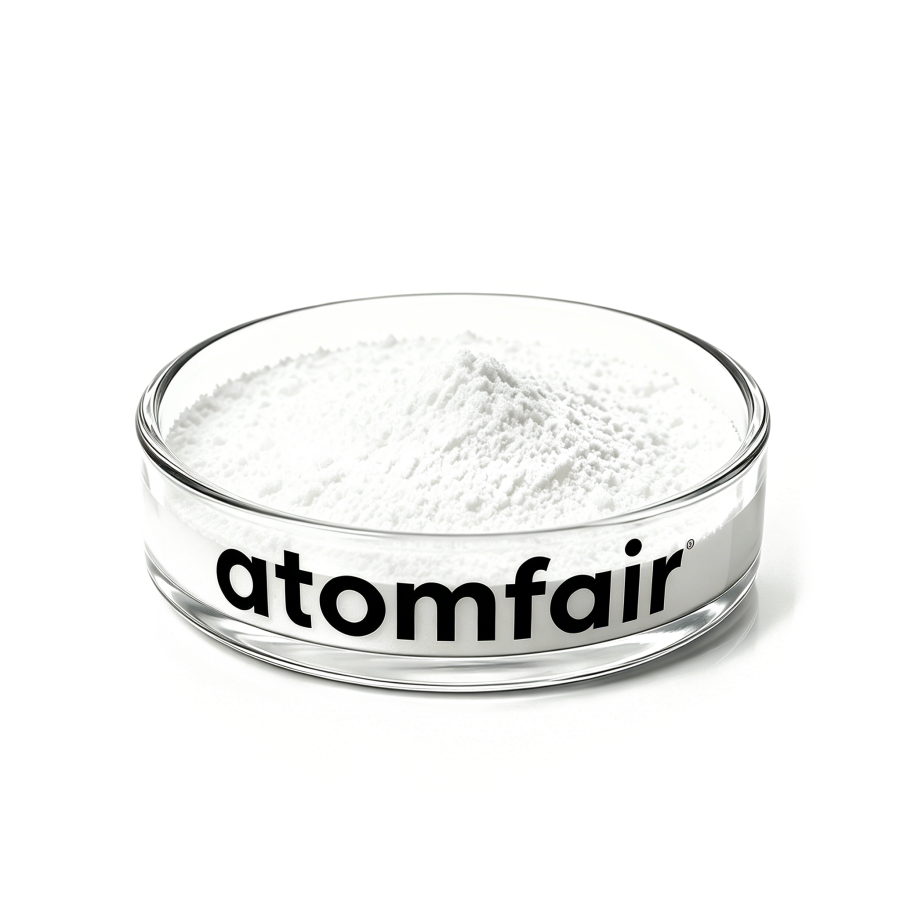
This research-grade PVDF (400g) provides excellent chemical inertness and thermal resilience across -40°C to 150°C, making it suitable for demanding applications in coatings, membranes, and electrical insulation. Operational considerations include strict storage conditions to avoid moisture and sunlight, and regulatory compliance for disposal.
Positive
- Outstanding chemical resistance: Inert to most chemicals, making it ideal for harsh environments in coatings, membranes, and chemical processing.
- Wide thermal stability range: Maintains performance from -40°C to 150°C, suitable for applications requiring consistent mechanical and dielectric properties across temperature extremes.
Trade-offs
- Sensitive to moisture and UV: Must be stored in a cool, dry place away from direct sunlight and moisture to prevent degradation and maintain performance.
- Disposal regulations apply: Fluoropolymer disposal must follow local regulations, adding an operational step for end-of-life material handling.
Every advanced material, component, equipment, and instrument in our catalog is backed by rigorous testing. We maintain strict internal quality management frameworks and align with CE conformity metrics to deliver transparent, reproducible performance data via our public open-science repository.
To request raw batch performance data, submit formal vendor registration paperwork, or execute a fast-turnaround R&D manufacturing loop, contact us at inquiry@atomfair.com.
Item is dispatched under the Atomfair Shipping & Delivery Framework (Free worldwide shipping on orders over $59 USD excl. heavy equipment). Return is governed by the Atomfair Return & Refund Policy (7-day technical return window).