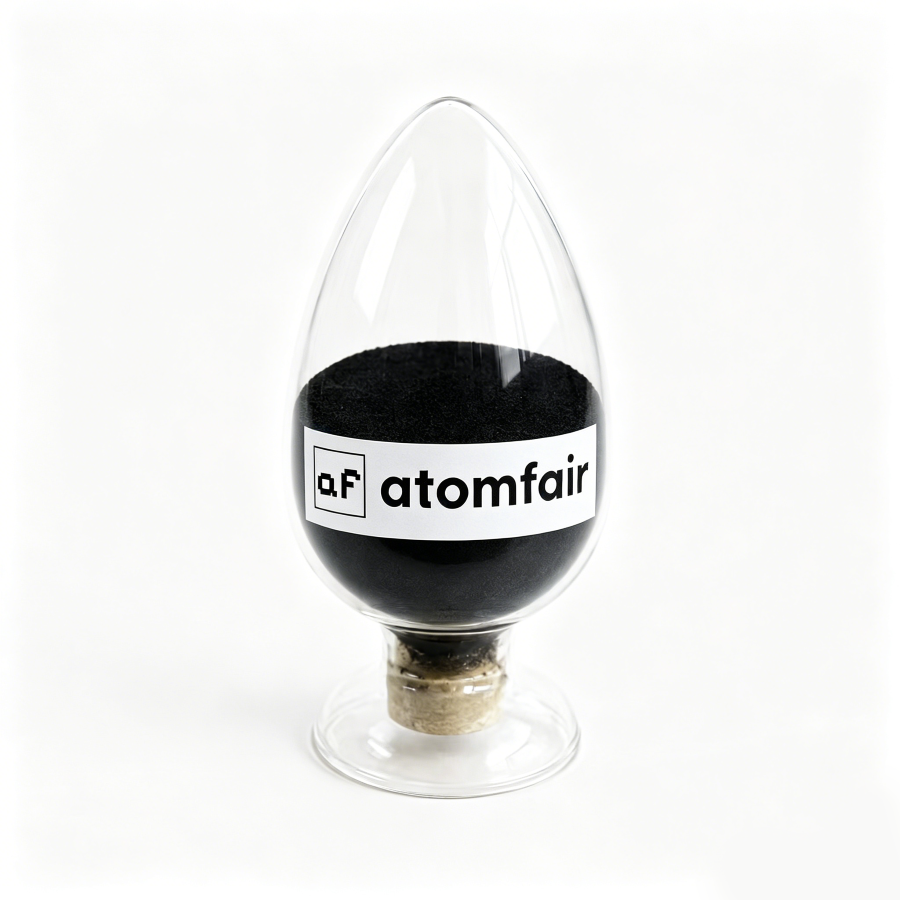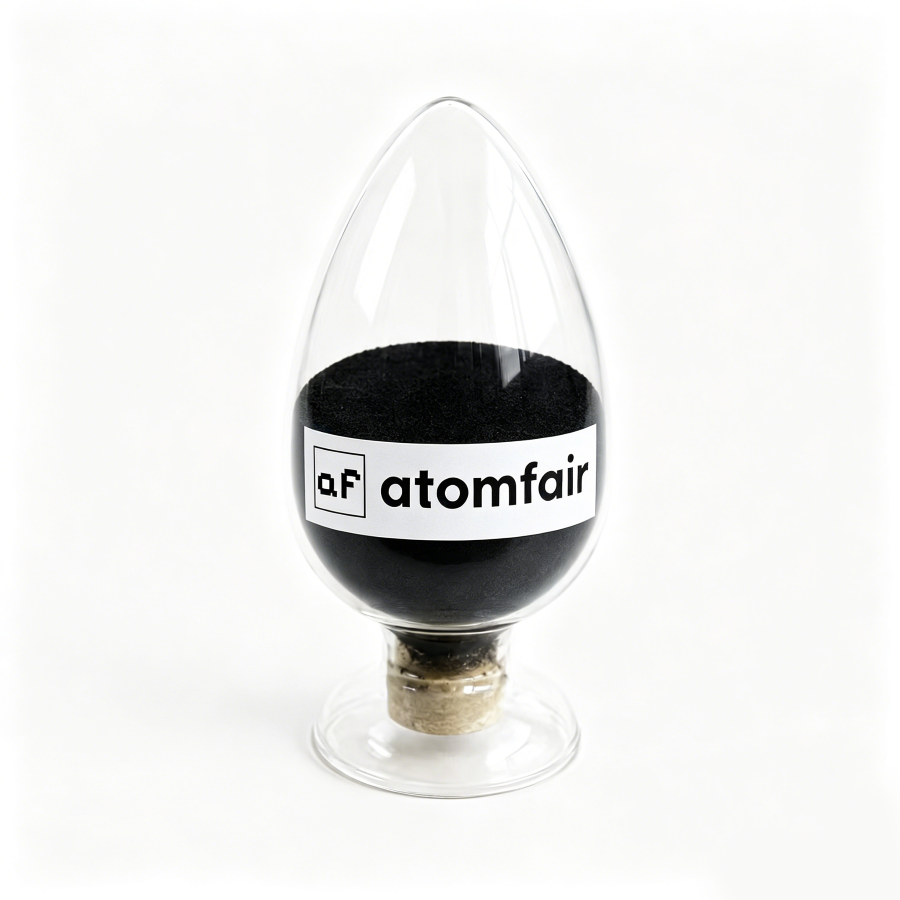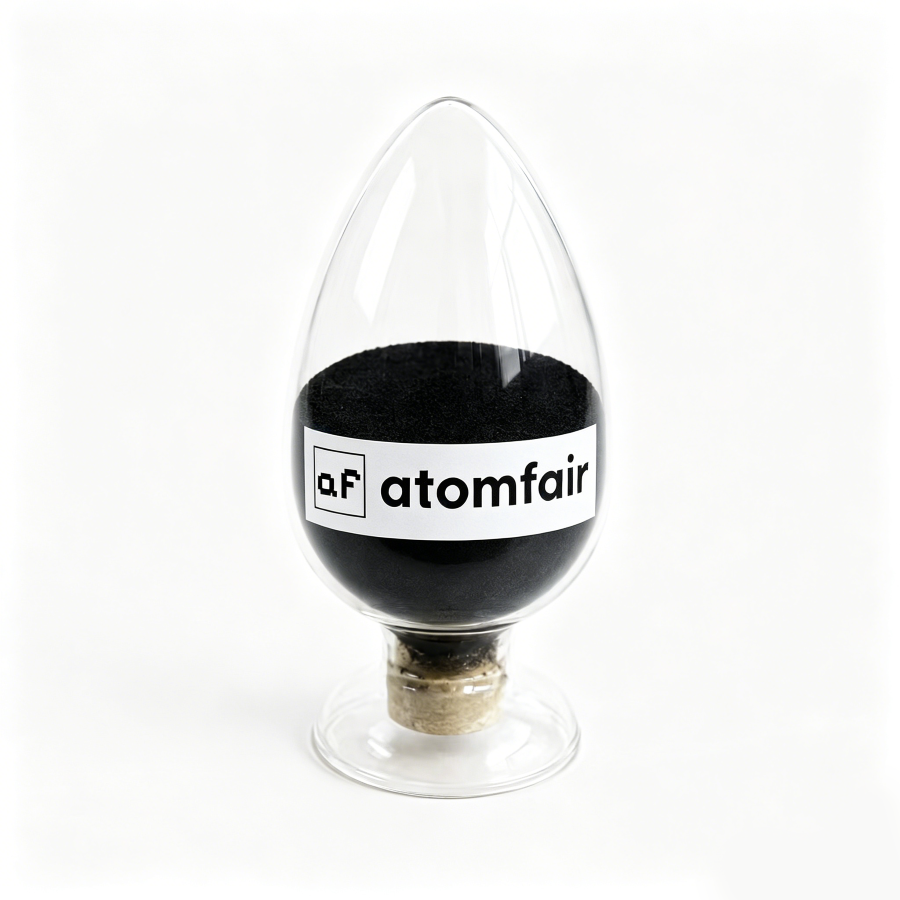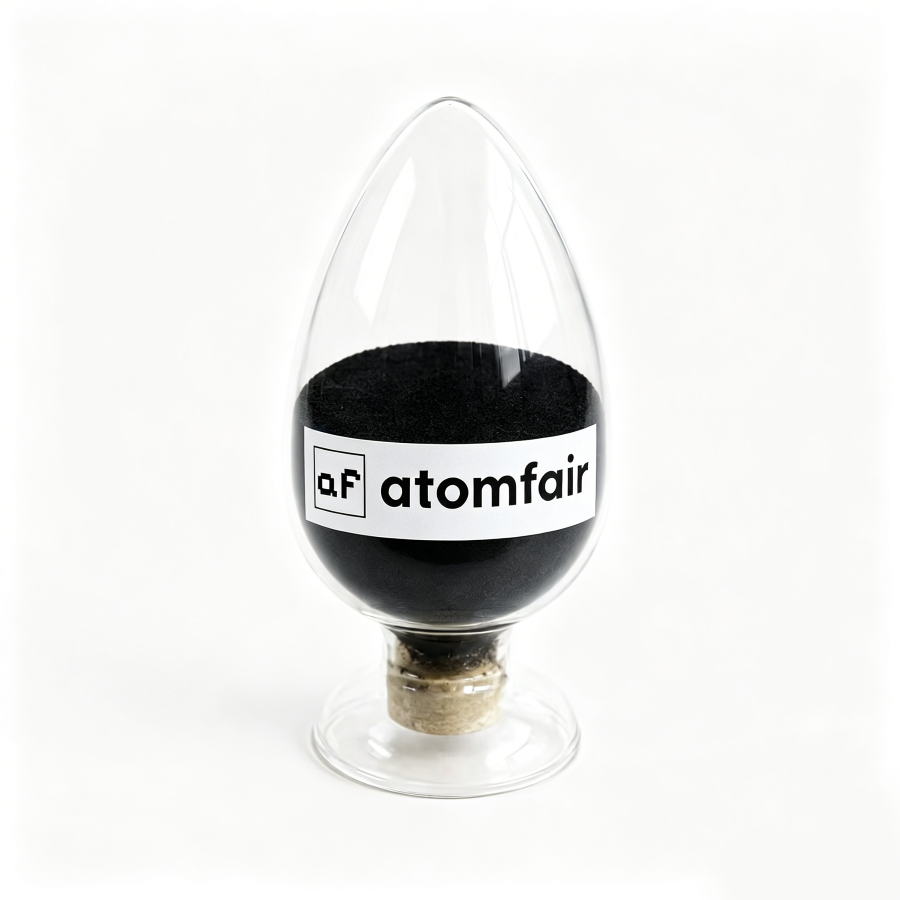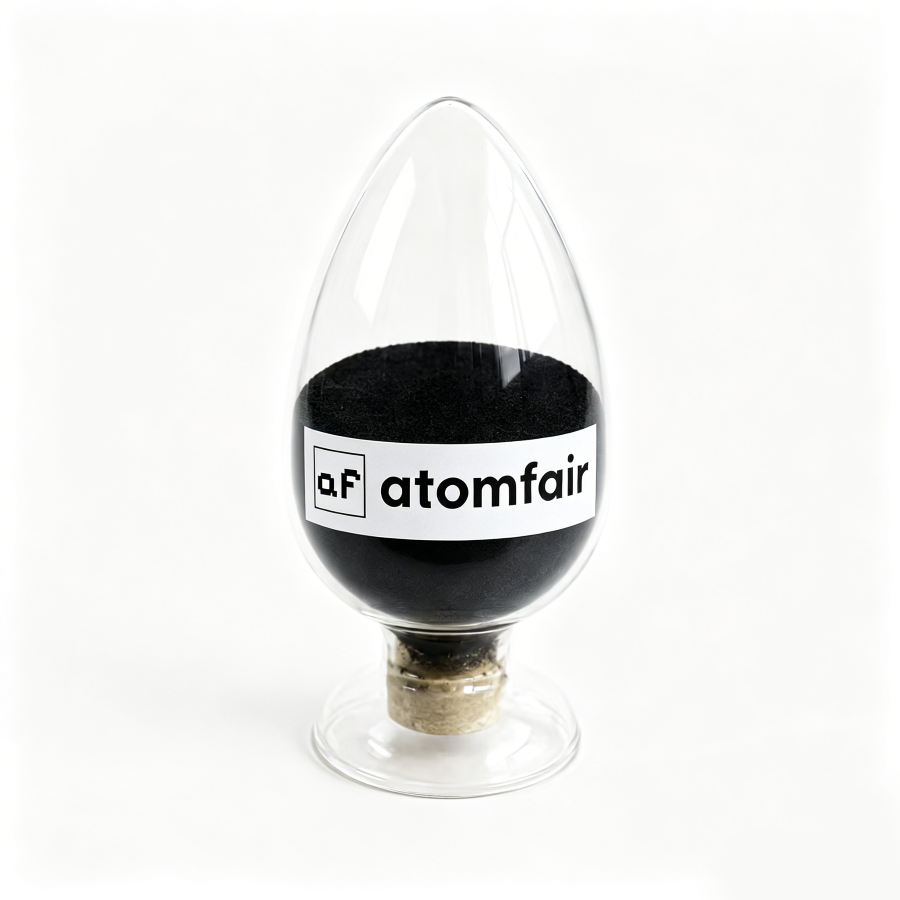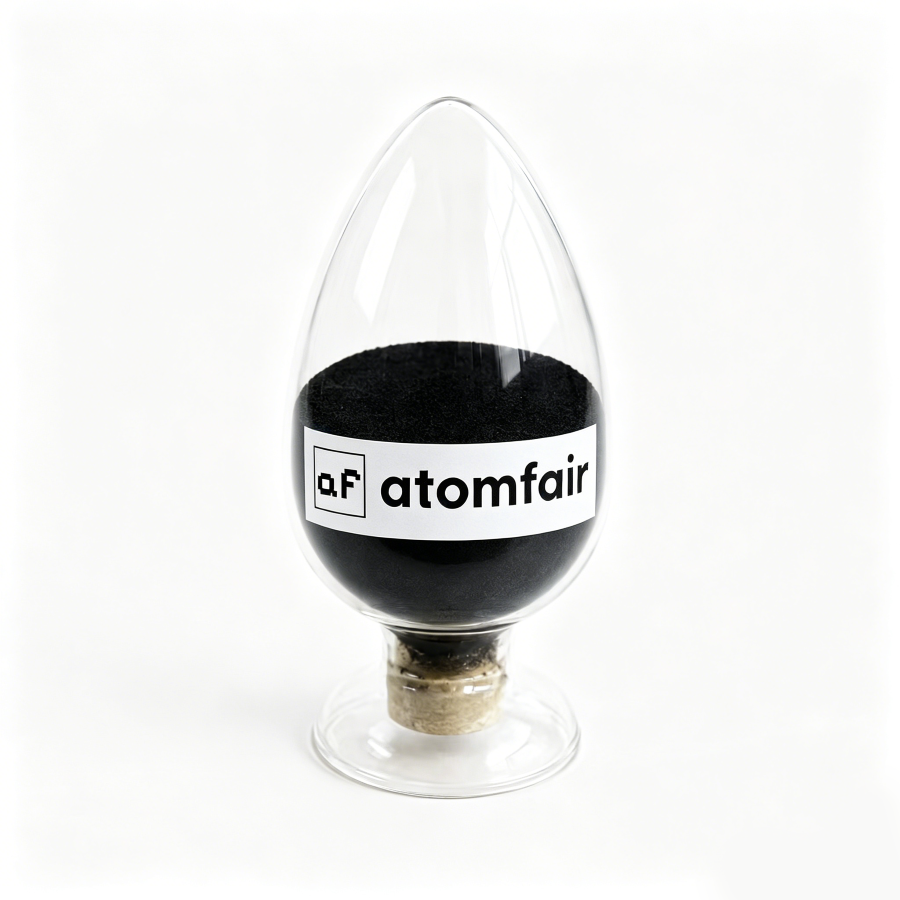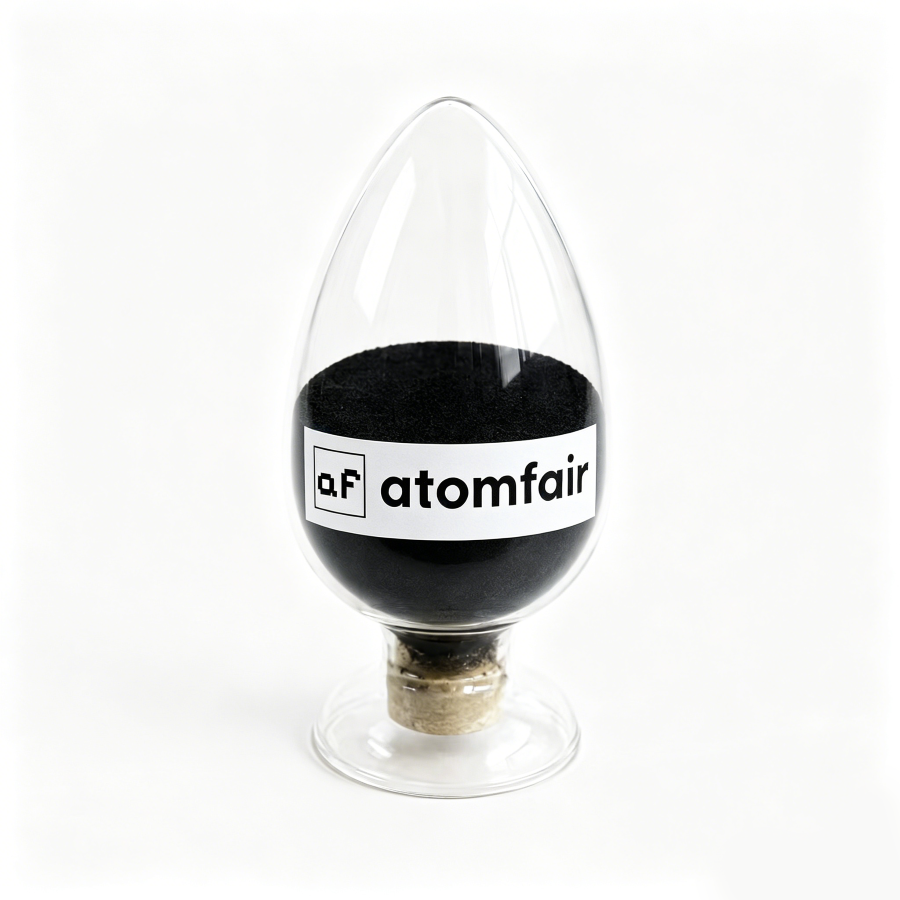
ATOMFAIR® NI95 POLYCRYSTALLINE NCA CATHODERESEARCH GRADE MATERIAL
|
|||||||||||||||||||||||||||||||||||||||
|
|||||||||||||||||||||||||||||||||||||||
|
SCALE YOUR ENERGY DENSITY
Contact our engineering team for technical support, official characterization data, or bulk quotations.
EMAIL: inquiry@atomfair.com
|
|||||||||||||||||||||||||||||||||||||||
|
Manufacturer: Atomfair LLC
Brand: ATOMFAIR®
|
|||||||||||||||||||||||||||||||||||||||
This cathode powder exhibits sensitivity to ambient moisture and carbon dioxide due to residual lithium species. Storage under dry inert atmosphere is required to prevent degradation and maintain electrochemical performance.
- Storage Constraint: Store under dry argon or nitrogen atmosphere to minimize surface lithium hydroxide and carbonate formation.
Does the Ni95 NCA's 226.3 mAh/g capacity come at the cost of increased moisture sensitivity compared to lower-nickel NCA formulations?
Yes, the 95% nickel content enables 226.3 mAh/g initial discharge capacity but requires moisture content ≤200 ppm (measured 190.2 ppm) and a dry room environment with dew point ≤ -45°C during processing, which is more stringent than for lower-nickel cathodes. The pH of 11.94 and residual LiOH (6900 ppm) and Li₂CO₃ (3400 ppm) levels further indicate the need for strict moisture control.
What are the critical environmental controls required for processing Ni95 NCA in a production-scale electrode coating line?
Slurry preparation must be performed in a dry room with dew point ≤ -45°C to prevent hydrolysis and Li₂CO₃ formation. The material's polycrystalline structure and tap density of 2.52 g/cm³ are compatible with standard coating equipment, but the pH of 11.94 necessitates corrosion-resistant tooling and handling components.
What precautions are necessary for long-term storage of Ni95 NCA cathode powder to maintain its electrochemical performance?
Store vacuum-sealed in a cool, dry environment to prevent Li₂CO₃ formation. The moisture content must remain below 200 ppm (as-supplied 190.2 ppm); direct air exposure must be avoided. The measured LiOH (6900 ppm) and Li₂CO₃ (3400 ppm) levels are near their respective spec limits of 7000 ppm and 3500 ppm, meaning any moisture ingress will rapidly degrade the material.
Ni95 Polycrystalline NCA delivers ≥225 mAh/g capacity with polycrystalline structure for rate performance, but demands strict moisture control below -45°C dew point and vacuum-sealed storage to prevent surface degradation.
Positive
- High discharge capacity ≥225 mAh/g: Achieves 226.3 mAh/g initial discharge capacity in CR2032 coin cells at 0.1C, enabling higher energy density for long-range EV applications.
- Polycrystalline aggregate for rate performance: Polycrystalline morphology enhances rate capability and compatibility with standard slurry coating processes, improving electrode manufacturing throughput.
Trade-offs
- Extreme moisture sensitivity in processing: Requires dry room environment (dew point ≤ -45°C) for slurry preparation to prevent lithium hydroxide and carbonate formation, adding infrastructure cost.
- Vacuum-sealed storage required: Must be stored vacuum-sealed in cool, dry conditions to limit surface carbonate formation; exposure to ambient air degrades electrochemical performance.
Every advanced material, component, equipment, and instrument in our catalog is backed by rigorous testing. We maintain strict internal quality management frameworks and align with CE conformity metrics to deliver transparent, reproducible performance data via our public open-science repository.
To request raw batch performance data, submit formal vendor registration paperwork, or execute a fast-turnaround R&D manufacturing loop, contact us at inquiry@atomfair.com.
Item is dispatched under the Atomfair Shipping & Delivery Framework (Free worldwide shipping on orders over $59 USD excl. heavy equipment). Return is governed by the Atomfair Return & Refund Policy (7-day technical return window).