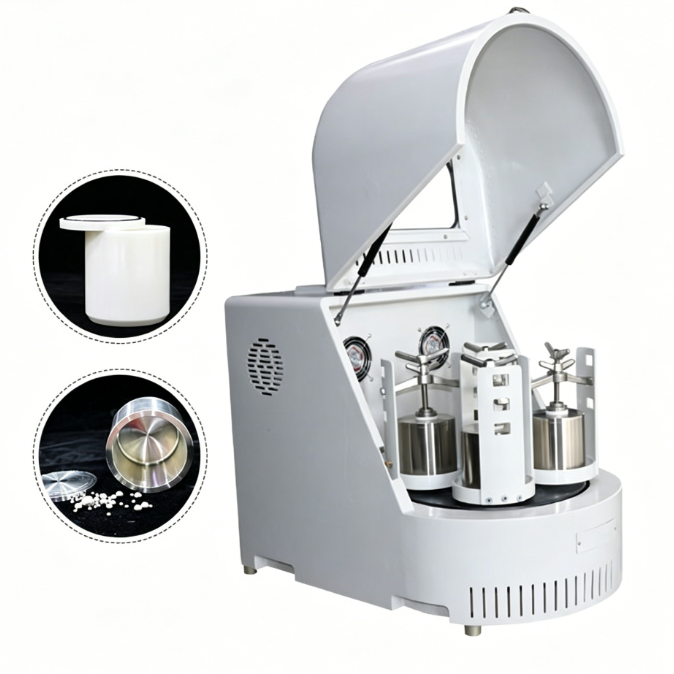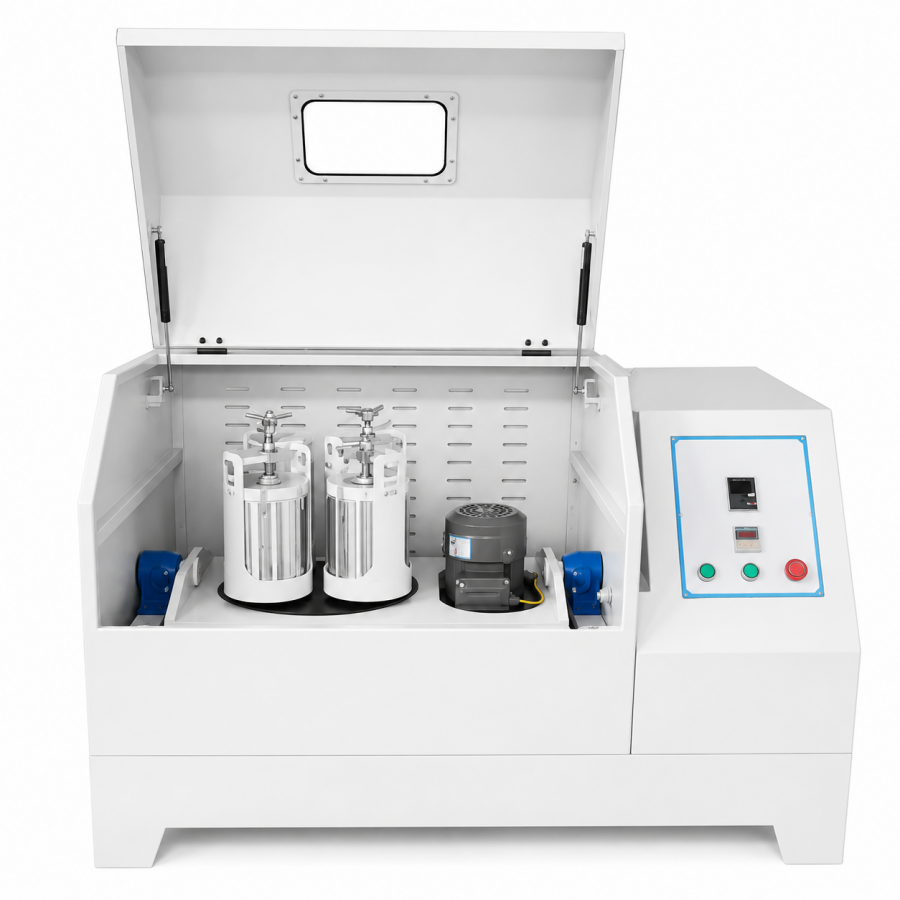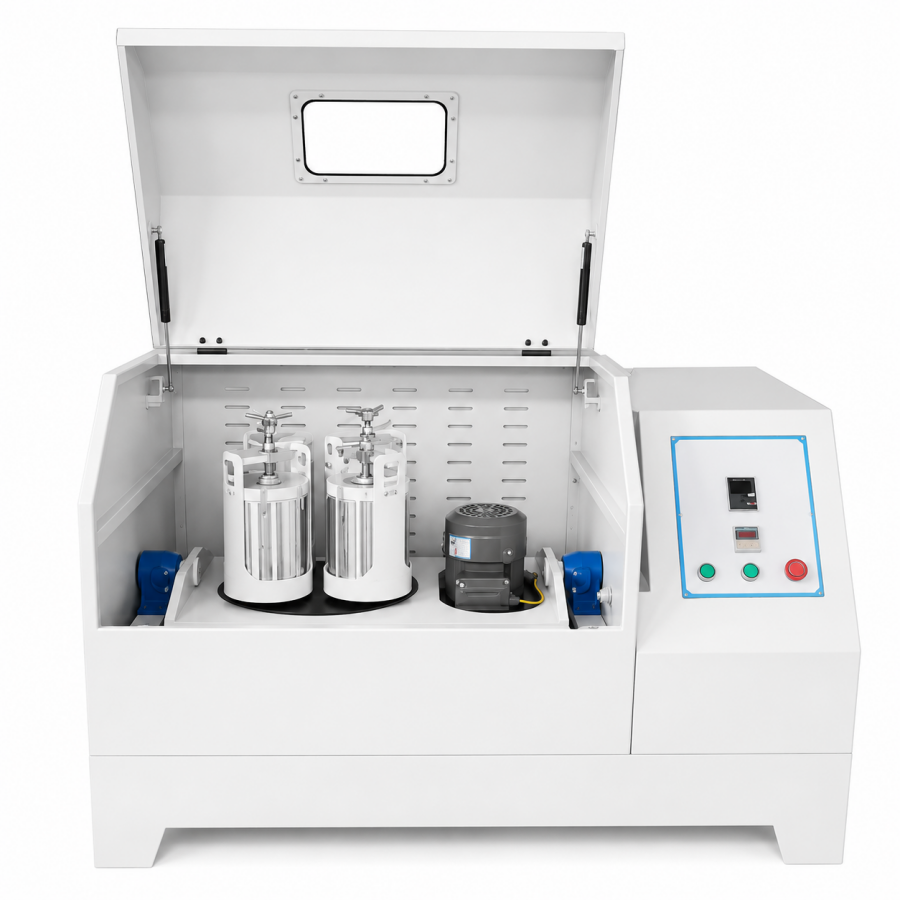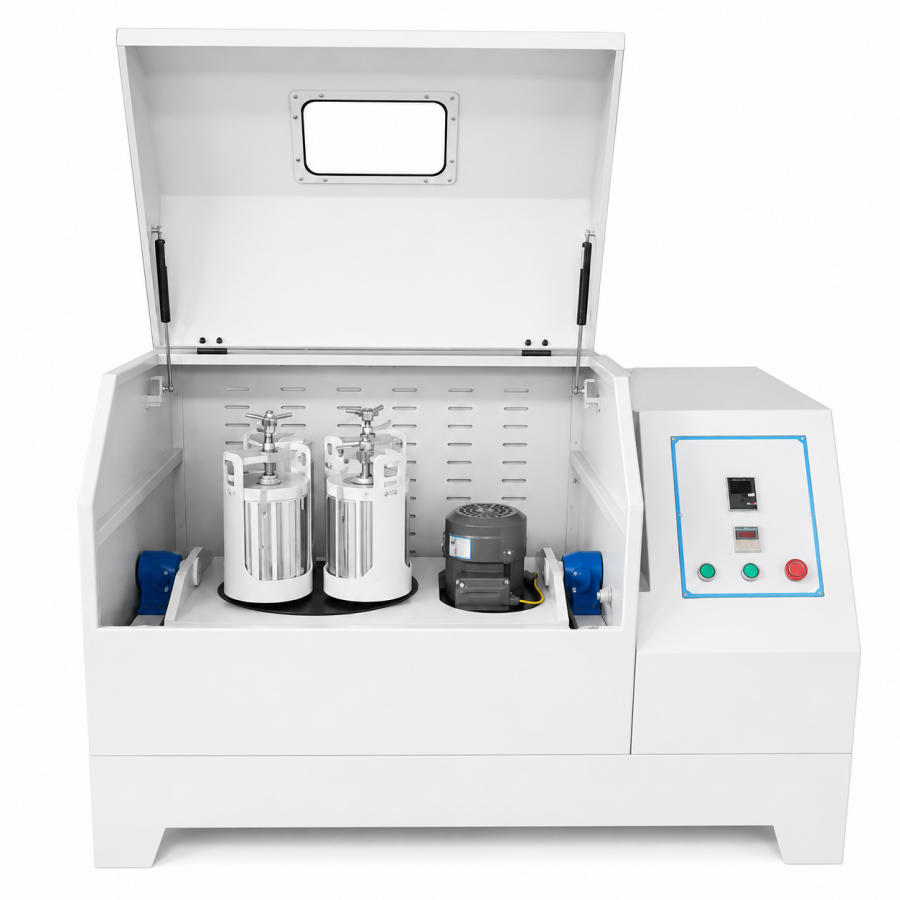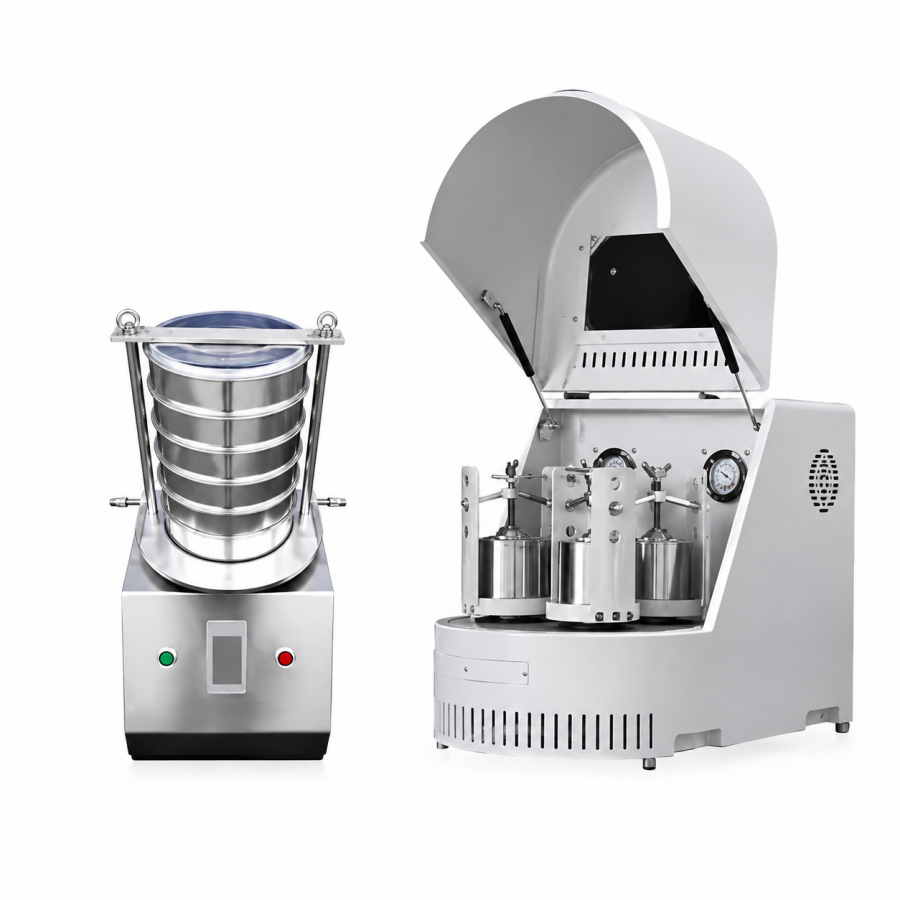
PBM-0.2 MINI PLANETARY BALL MILL 0.2L 90W 4 JARS SOIL HEAVY METAL ANALYSISLABORATORY GRADE EQUIPMENT
|
|||||||||||||||||||||||||||||||||||||||||||||||||||||||||||||||||||||||||||||||||||||||||||||||||||||||||||||||||||||||||||||||||||||||||||||||||||
|
|||||||||||||||||||||||||||||||||||||||||||||||||||||||||||||||||||||||||||||||||||||||||||||||||||||||||||||||||||||||||||||||||||||||||||||||||||
|
TAILORED SOLUTIONS FOR RESEARCH
Contact our engineering team for technical support or official quotations.
EMAIL: inquiry@atomfair.com
|
|||||||||||||||||||||||||||||||||||||||||||||||||||||||||||||||||||||||||||||||||||||||||||||||||||||||||||||||||||||||||||||||||||||||||||||||||||
|
Manufacturer: Atomfair LLC
Brand: ATOMFair®
|
The PBM-0.2 mill requires careful selection of jar and ball materials to prevent cross-contamination and wear. Sealing pressure must be adjusted via the graduated scale to maintain sample containment during operation.
- Material Compatibility: Select jar and ball materials based on sample matrix to avoid elemental interference and degradation.
- Sealing Pressure Adjustment: Adjust the sealing pressure using the graduated scale to ensure sample integrity and prevent leaks.
- Grinding Mode Selection: Choose dry, wet, or vacuum grinding mode based on sample requirements and jar compatibility.
- Feed Size Limit: Do not exceed the maximum feed size of 10 mm to prevent damage to the mill and jars.
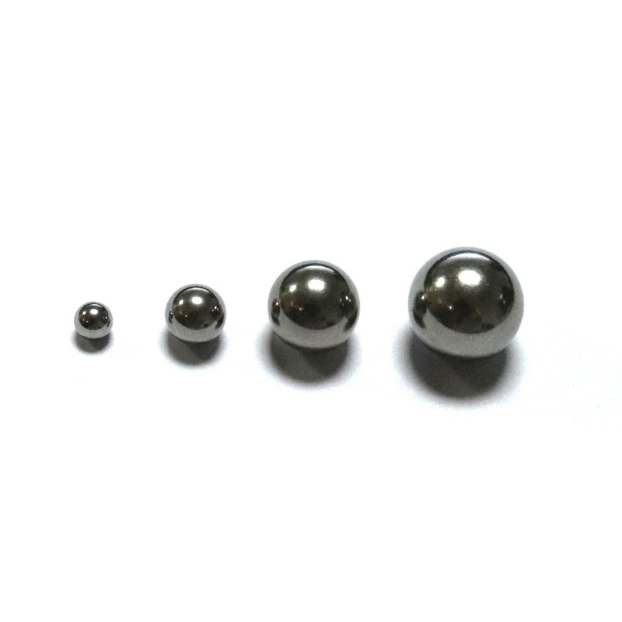
- Ball Loading Volume: Fill grinding balls to 40% of jar capacity to achieve optimal grinding efficiency.
Follow these steps to safely initialize and operate the PBM-0.2 mill for sample grinding. Proper selection of jars and balls and adjustment of sealing pressure are critical to avoid contamination and equipment damage.
Required Equipment: Planetary Ball Mill, Grinding Jars, Grinding Balls, Electric Screener
- Select Materials
Select appropriate jar and ball materials based on the sample matrix to prevent cross-contamination. - Load Sample and Balls
Load the sample and grinding balls into the jar, filling the jar to approximately 40% of its capacity. - Mount Jar and Adjust Seal
Mount the jar onto the mill and adjust the sealing pressure using the graduated scale on the agate jar. - Set Speed and Time
Set the rotation speed and grinding time using the stepless speed regulator and automatic timer. - Select Mode and Start
Select the grinding mode (dry, wet, or vacuum) and start the mill. - Classify Particles
After grinding, use the included electric screener with sieve set to classify particles by size.
What is the minimum achievable particle size of the PBM-0.2 Mini Planetary Ball Mill and how does jar material selection affect contamination in soil heavy metal analysis?
The PBM-0.2 can grind samples from ≤10 mm feed size down to ultrafine 0.1 μm discharge particles. For soil heavy metal analysis, agate or Al₂O₃ jars with agate or YSZ grinding balls are recommended to minimize elemental interference, as the jar and ball materials must be chosen based on sample matrix to prevent cross-contamination.
Can the PBM-0.2 perform wet grinding and vacuum grinding in addition to dry grinding?
Yes, the PBM-0.2 supports dry grinding, wet grinding, and vacuum grinding modes. It can operate two or four grinding jars simultaneously, providing flexible research applications for soil heavy metal analysis, environmental testing, and material research.
What are the sealing and operational requirements for the agate grinding jars on the PBM-0.2?
The sealing pressure of the agate grinding jars is adjustable via a graduated scale to ensure sample integrity and prevent cross-contamination. The mill features stepless speed regulation, automatic timing for forward/reverse rotation, and can run continuously at full load for up to 48 hours.
The PBM-0.2 is a purpose-built mini planetary ball mill for soil heavy metal analysis, combining high-energy grinding (up to 1160 rpm, 0.1 μm fineness) with an integrated electric screener for particle size analysis, but requires separate purchase of grinding jars and balls and is limited to 0.2 L total capacity.
Positive
- High-Energy Ultrafine Grinding: Reversible planetary motion at up to 1160 r/min enables grinding from ≤10 mm feed to 0.1 μm discharge, ideal for soil heavy metal analysis requiring fine particle sizes.
- Integrated Sieving System: Includes an electric screener with sieves from 20 to 200 mesh, enabling direct particle size classification after grinding without additional equipment.
Trade-offs
- Separate Jar and Media Purchase: Grinding jars and balls are not included and must be ordered separately; proper material selection (e.g., agate or Al₂O₃) is critical to avoid cross-contamination in elemental analysis.
- Limited Batch Capacity: With a total jar volume of 0.2 L (4 × 50 mL), the mill is suited only for small-scale sample preparation, not for bulk processing.
Every advanced material, component, equipment, and instrument in our catalog is backed by rigorous testing. We maintain strict internal quality management frameworks and align with CE conformity metrics to deliver transparent, reproducible performance data via our public open-science repository.
To request raw batch performance data, submit formal vendor registration paperwork, or execute a fast-turnaround R&D manufacturing loop, contact us at inquiry@atomfair.com.
Item is dispatched under the Atomfair Shipping & Delivery Framework (Free worldwide shipping on orders over $59 USD excl. heavy equipment). Return is governed by the Atomfair Return & Refund Policy (7-day technical return window).