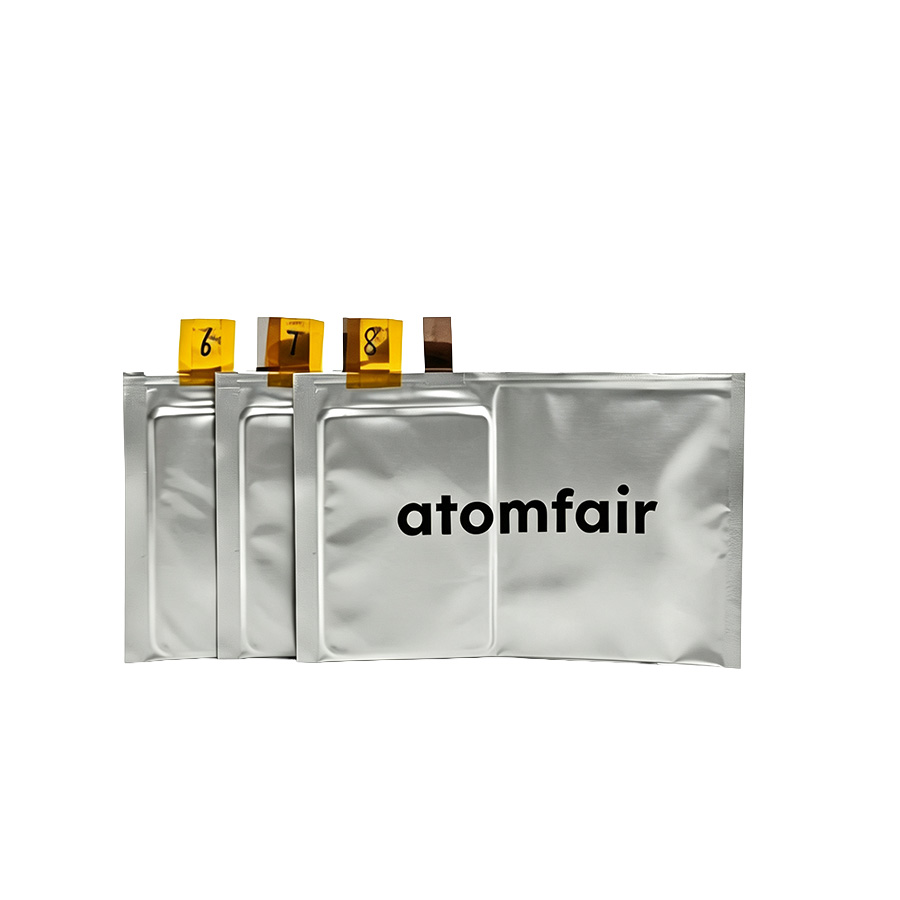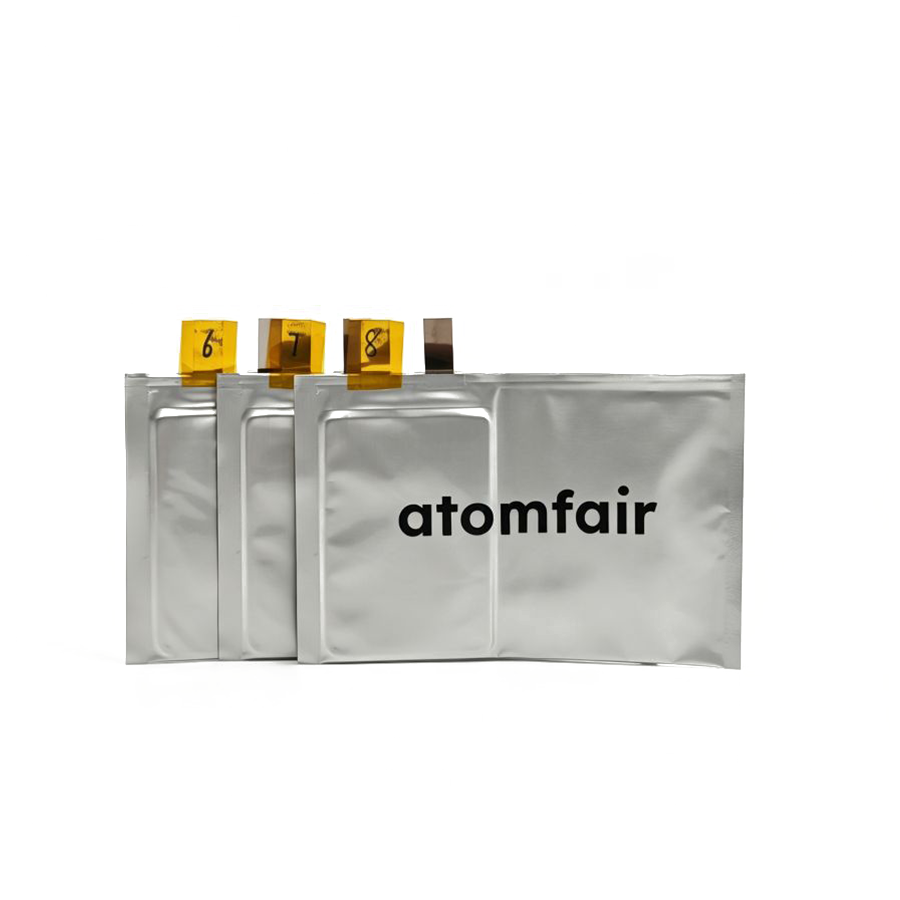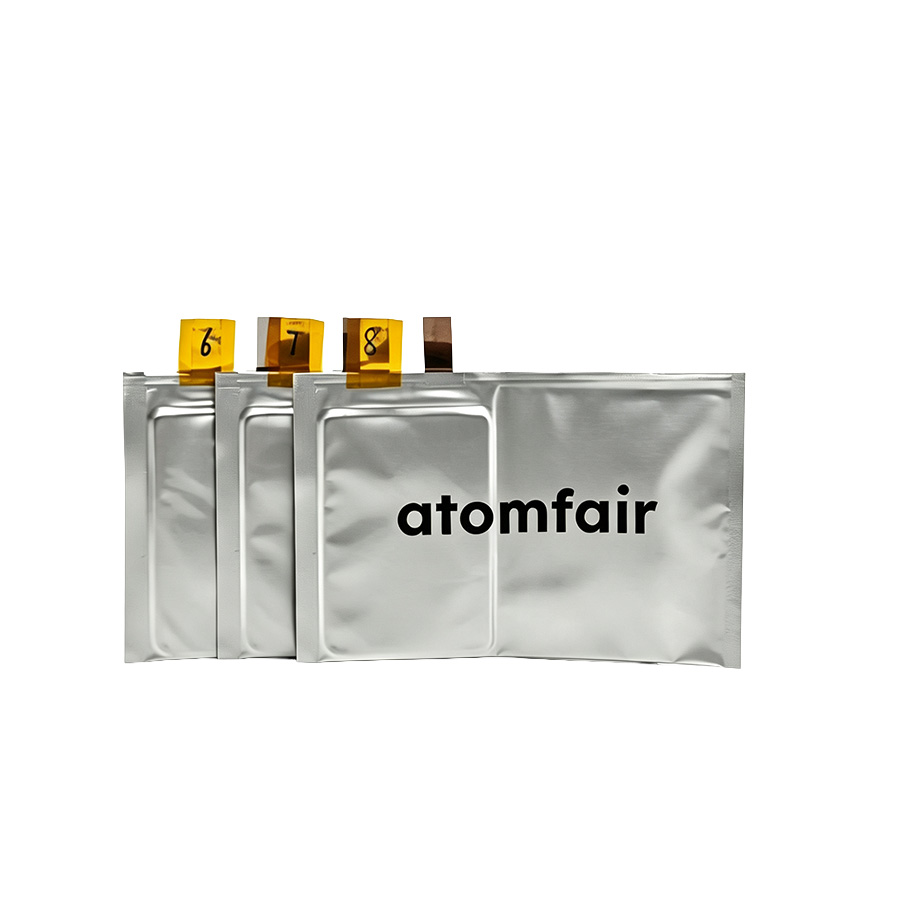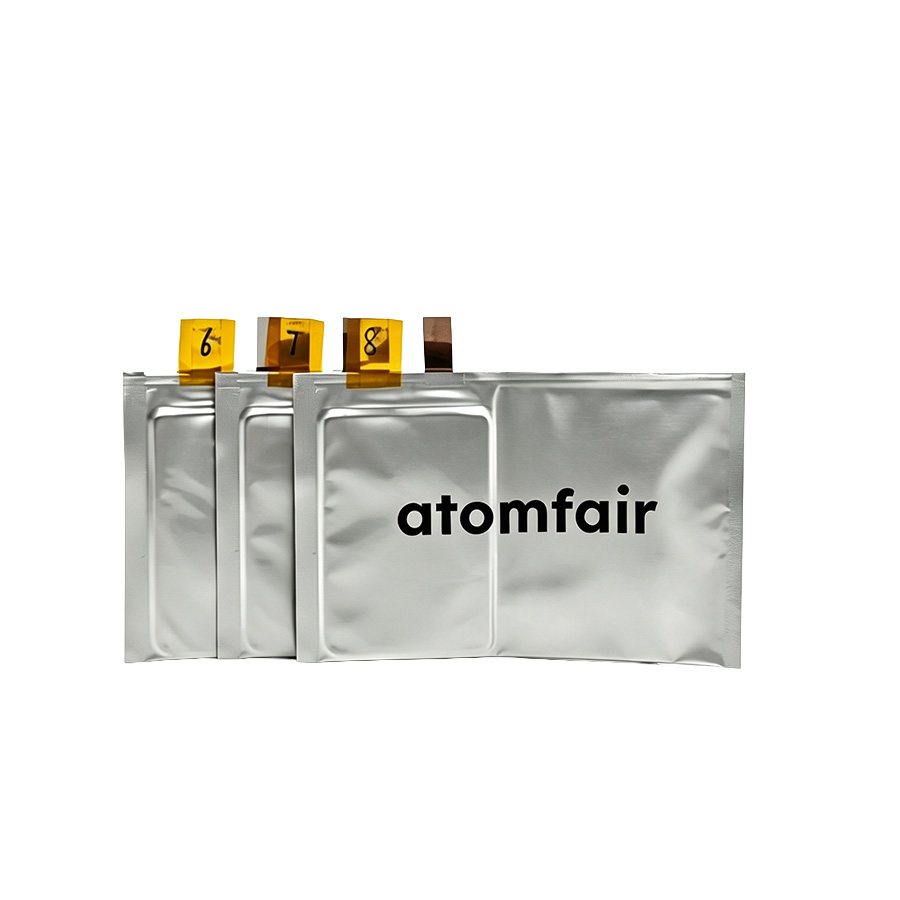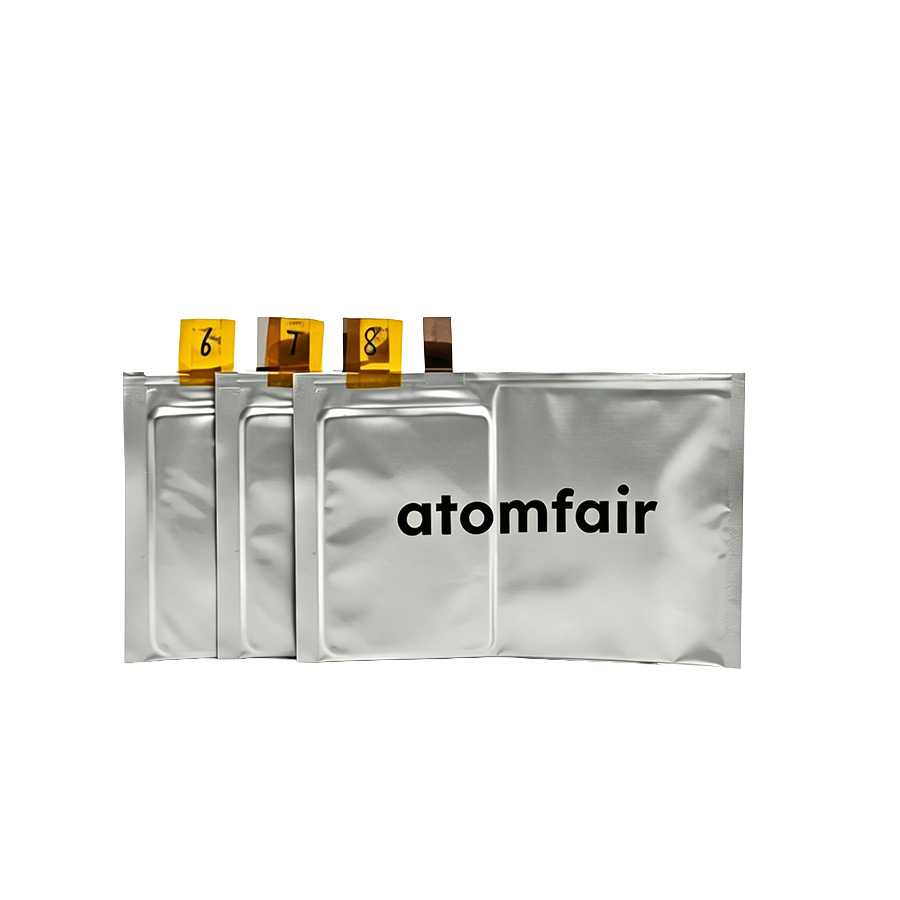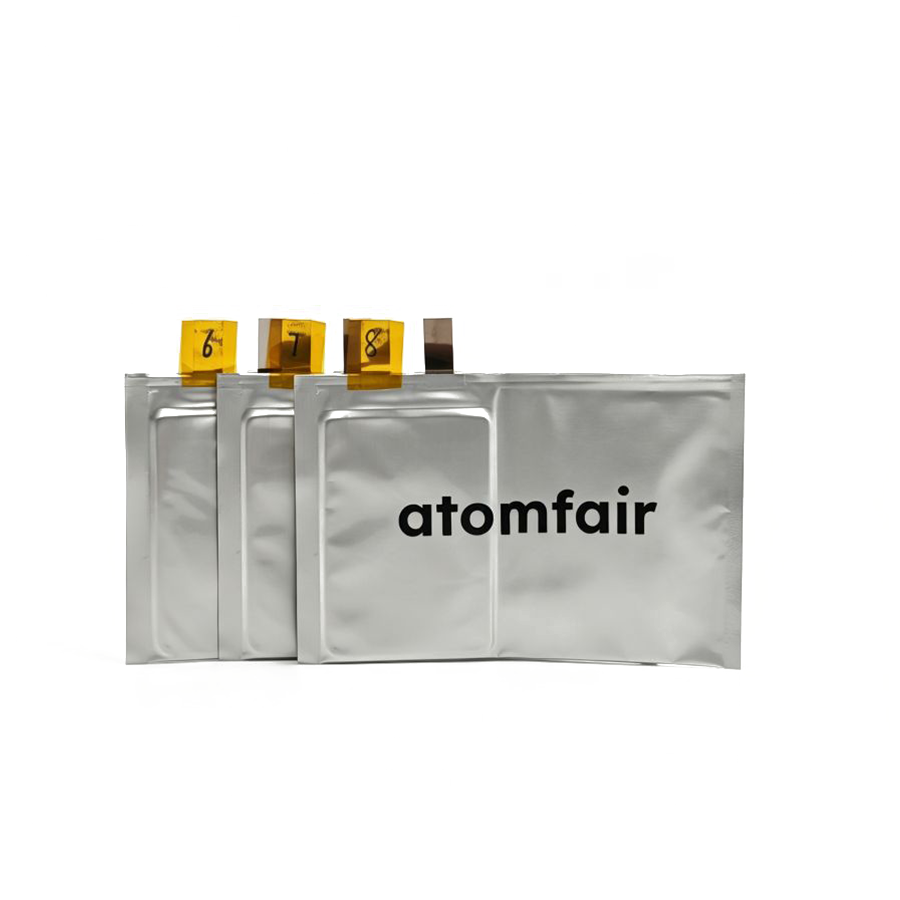
NVP Hard Carbon Dry Pouch Cell 0.2Ah Research Grade ATOMFAIR®

$70.00

Institutional Procurement & Supply Compliance: As a verified US supplier, Atomfair accepts formal institutional Purchase Orders (POs), contract billing schedules, and custom procurement loops for university and national laboratories, and corporate R&D departments globally.

Research grade NVP hard carbon dry pouch cell with 0.2Ah capacity, 2.5V-3.8V range, and 93.5% active material. Ideal for sodium-ion baseline testing. Order now.

Quantity Price
1 – 4 $70.00
5 – 19 $135.99
20 – 49 $95.99
50+ $75.99
SKU: AFMSRUPW892
Category:
Tags: ,
Brands:

Description

ATOMFAIR NVP HARD CARBON 0.2AH DRY POUCH CELL

RESEARCH GRADE SODIUM CELL

Product Overview

The ATOMFAIR NVP Hard Carbon 0.2Ah Dry Pouch Cell is a high-precision, electrolyte-free sodium-ion evaluation platform meticulously engineered for professional solid state electrolyte pouch cell testing and polyanionic transport mechanism validation. By delivering an unfilled core architecture, this experimental cell directly integrates a pure Sodium Vanadium Phosphate (NVP) cathode configuration alongside a specialized HC hard carbon negative matrix. This optimized pairing yields absolute multi-layer baseline testing control, isolating pure interfacial traits and diffusion resistances under highly consistent parameters. It serves as an uncompromised development platform for laboratories seeking reliable operational standards while optimizing institutional hard carbon anode battery price targets.

Technical Specifications

PARAMETER DETAILS
1. Core Device & Electrochemical Design
Cell Chemistry Base Sodium-Ion Full-Cell Dry Configuration (Electrolyte Unfilled)
Nominal Capacity 0.2 Ah
Voltage Range 2.5 V × 3.8 V
NP Ratio – (Precisely Balanced Full Sodium System)
2. Cathode (Positive Electrode) Parameters
Material Type NVP (Sodium Vanadium Phosphate Polyanionic Matrix)
Active Material Percent 93.5%
Specific Capacity 90 mAh/g
Compaction Density 1.8 g/cc
Coating Areal Density 14 mg/cm2
Dimensions 45.5 × 64 mm
3. Anode (Negative Electrode) Parameters
Material Type HC (Hard Carbon Advanced Matrix)
Active Material Percent 94.5%
Specific Capacity 295 mAh/g
Compaction Density 0.9 g/cc
Coating Areal Density 5 mg/cm2
Dimensions 46.5 × 65 mm
4. Separator & Physical Package Metrics
Separator Specification 12 um PE + 2 um ceramic coating
Stacking Layer Configuration 3/4 Layer Compact Stacked Dry Structure
Manufacturing Rules Processed under strict ISO 9001 compliance standards conditions
Alternative Options Explore our related polyanionic sodium-ion catalog. For custom dimensions or distinct stacked layer properties, please contact our support team.

Key Features & Advantages

  • Robust Polyanionic NVP Cathode: Employs high-stability Sodium Vanadium Phosphate matrices yielding a robust 3D structural lattice for highly reproducible sodium intercalation workflows.
  • High-Efficiency Hard Carbon Anode: Custom-engineered 295 mAh/g HC layer delivers ideal structural spacing, maximizing active sodium capture fields and lowering phase stress.
  • Electrolyte-Free Baseline Architecture: Shipped hermetically vacuum-sealed and electrolyte-free, allowing full experimental freedom for proprietary liquid, gel, or polymer matching.
  • Precision 3/4 Multilayer Assembly: Compact boundary layout minimizes dead volume variables and supports impeccable signal collection accuracy during validation testing.

APPLICATION SCOPE: Polyanionic vs. carbon full-cell evaluation, specialized sodium electrolyte verification testing, multi-layer dry core prototyping, and materials science research.
PACKAGING: Sealed multilayer vacuum aluminum-plastic dry defensive pouch with individual laboratory batch validation records.
IMPORTANT NOTICE: This dry sodium pouch cell core is highly sensitive to ambient moisture exposure. Keep vacuum packs completely sealed and handle exclusively within an anhydrous inert gas glovebox environment to prevent contamination or premature framework degradation before electrolyte injection and cell validation.

Frequently Asked Technical Questions

Why is ATOMFAIR NVP Pouch Cell preferred as a solid state electrolyte pouch cell?

ATOMFAIR NVP Pouch Cell functions as a premier solid state electrolyte pouch cell baseline for sodium-ion systems. It delivers an optimized NVP cathode chemistry matched with dense HC matrices, significantly boosting performance metrics and phase purity during laboratory testing workflows.

how to prevent moisture degradation in sodium batteries?

To successfully solve how to prevent moisture degradation in sodium batteries without secondary contamination, this multi-layer material must be handled strictly according to inert gas glovebox storage protocols before thermal processing.

How does ATOMFAIR NVP Pouch Cell compare to traditional alternative options regarding operational stability?

Compared to standard alternatives, the optimized matrix of ATOMFAIR NVP Pouch Cell incorporates specialized chemical doping. This unique architecture dramatically enhances structural resistance against degradation, preserving long-term validation integrity.

What material processing benefits does the microstructure of ATOMFAIR NVP Pouch Cell offer?

Boasting engineered particle structuring and optimized specific surface area, this product offers superior sinterability. The controlled form factor facilitates lower thermal processing thresholds and promotes ideal grain boundary integration during cell fabrication.

How is the phase purity and quality control of this research-grade batch validated?

Every competitive batch undergoes rigid analytical quality validation testing. Total elemental and metallic impurities are strictly regulated below strict industry thresholds to eliminate parasitic electronic leakage and maintain uncompromised data reproducibility.
TAILORED SOLUTIONS FOR RESEARCH
Contact our engineering team for technical support or official institutional quotations.
EMAIL: inquiry@atomfair.com
Manufacturer: Atomfair LLC
Brand: ATOMFAIR

This dry pouch cell must be stored in an inert atmosphere to prevent moisture absorption and electrode degradation. Electrolyte filling should be performed under controlled conditions prior to electrochemical testing.

  • Inert Atmosphere Storage: Store the dry pouch cell in an inert atmosphere glovebox to avoid moisture and oxygen exposure.
  • Electrolyte Filling Requirement: Fill the dry cell with an appropriate sodium-ion electrolyte within a glovebox to ensure proper wetting and avoid contamination.
  • Mechanical Handling Precautions: Avoid mechanical puncture, bending, or short-circuiting the dry cell to maintain structural integrity.

How does the dry configuration of the NVP hard carbon pouch cell affect baseline electrochemical testing compared to electrolyte-filled cells?

The dry configuration eliminates electrolyte-related variables, enabling isolation of pure interfacial traits and diffusion resistances. The cell provides precise baseline control with cathode specific capacity of 90 mAh/g at 93.5% active material and anode specific capacity of 295 mAh/g at 94.5% active material, allowing direct assessment of solid-state electrolyte performance without interference from liquid electrolyte decomposition.

What are the critical compatibility considerations when integrating this dry pouch cell with solid-state electrolyte systems?

The cell is designed specifically for solid state electrolyte pouch cell testing, with a 3/4 layer compact stacked dry structure and a separator consisting of 12 µm PE with 2 µm ceramic coating. The unfilled architecture requires the researcher to introduce their own electrolyte, making compatibility dependent on the wetting properties and electrochemical stability of the chosen electrolyte against NVP cathode and hard carbon anode within the 2.5 V to 3.8 V voltage range.

What storage and handling precautions are necessary for the dry pouch cell to maintain electrode integrity before electrolyte filling?

The cell is delivered as an electrolyte-free dry configuration, so it must be stored in a desiccated or inert atmosphere to avoid adsorption of moisture onto the high-surface-area hard carbon anode and NVP cathode. Handling should minimize exposure to ambient air, and filling should follow standard pouch cell procedures to achieve the designed 0.2 Ah capacity without introducing air bubbles.

The ATOMFAIR NVP Hard Carbon 0.2Ah Dry Pouch Cell is a pre-assembled, electrolyte-free sodium-ion full-cell platform integrating a high-purity NVP cathode (93.5% active) and HC hard carbon anode (94.5% active) in a 3/4-layer stacked dry configuration, enabling laboratories to conduct baseline interfacial and diffusion studies with precise control over electrolyte composition and processing conditions.

Positive

  • High electrode active material purity: Cathode active material loading at 93.5% and anode at 94.5% reduces binder and conductive additive interference, providing cleaner electrochemical data for transport mechanism validation.
  • Electrolyte-free dry stack design: Unfilled architecture allows researchers to introduce custom electrolytes or solid-state layers, enabling direct isolation of electrolyte-dependent interfacial resistances and diffusion behavior.

Trade-offs

  • Requires electrolyte filling before testing: As a dry pouch cell, it must be filled with electrolyte and sealed in an inert atmosphere, adding preparation steps and potential variability from the filling process.
  • Sensitive to moisture and oxygen exposure: The unfilled dry electrodes and separator are hygroscopic; exposure to ambient air can degrade performance, necessitating glovebox handling for reliable results.

Every advanced material, component, equipment, and instrument in our catalog is backed by rigorous testing. We maintain strict internal quality management frameworks and align with CE conformity metrics to deliver transparent, reproducible performance data via our public open-science repository.

To request raw batch performance data, submit formal vendor registration paperwork, or execute a fast-turnaround R&D manufacturing loop, contact us at inquiry@atomfair.com.

Item is dispatched under the Atomfair Shipping & Delivery Framework (Free worldwide shipping on orders over $59 USD). Return is governed by the Atomfair Return & Refund Policy (7-day technical return window).
Additional information

Weight 0.3 kg
Dimensions 23 × 15 × 3 cm