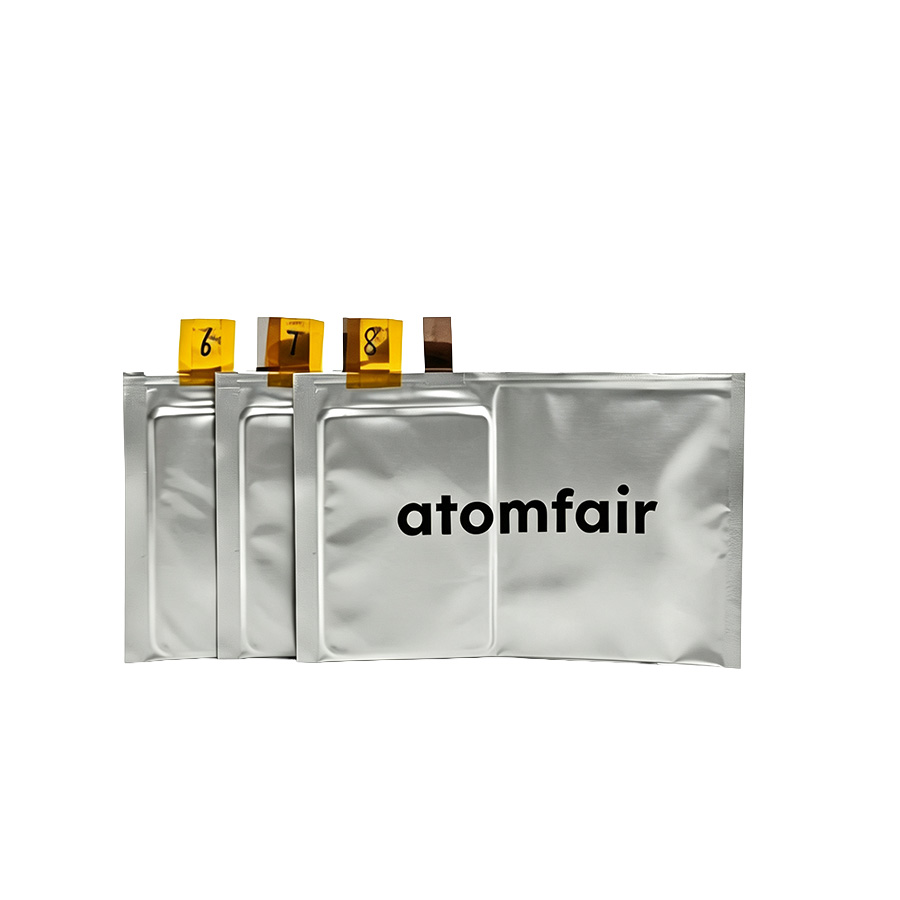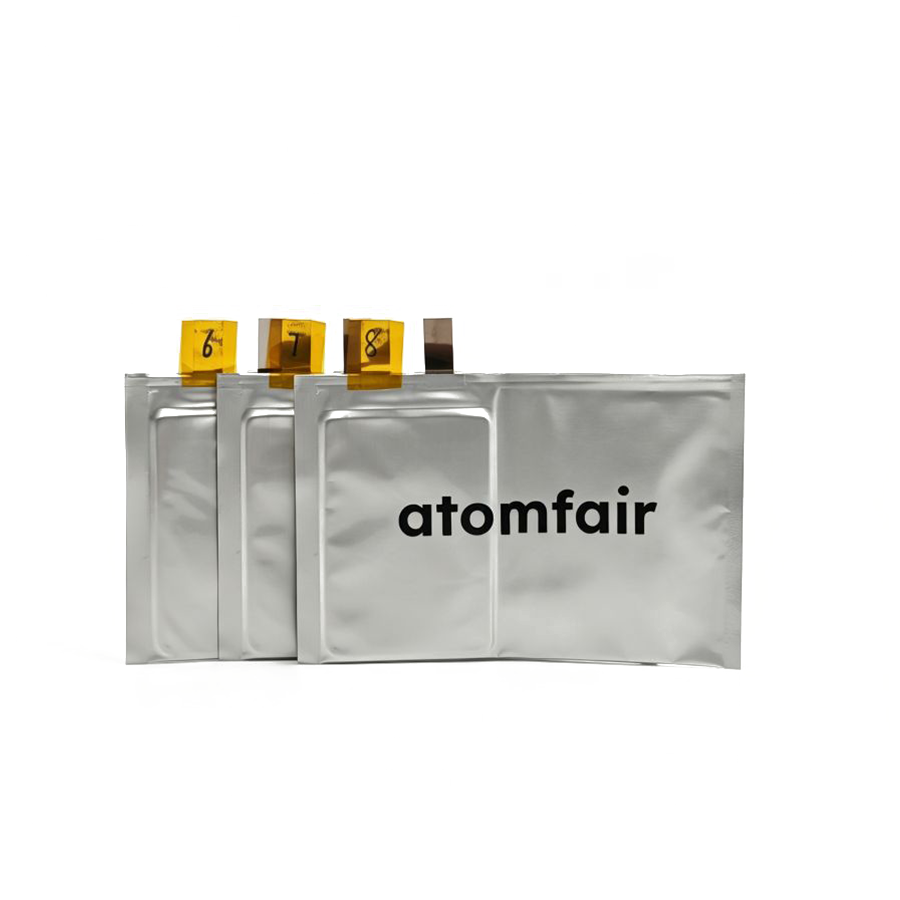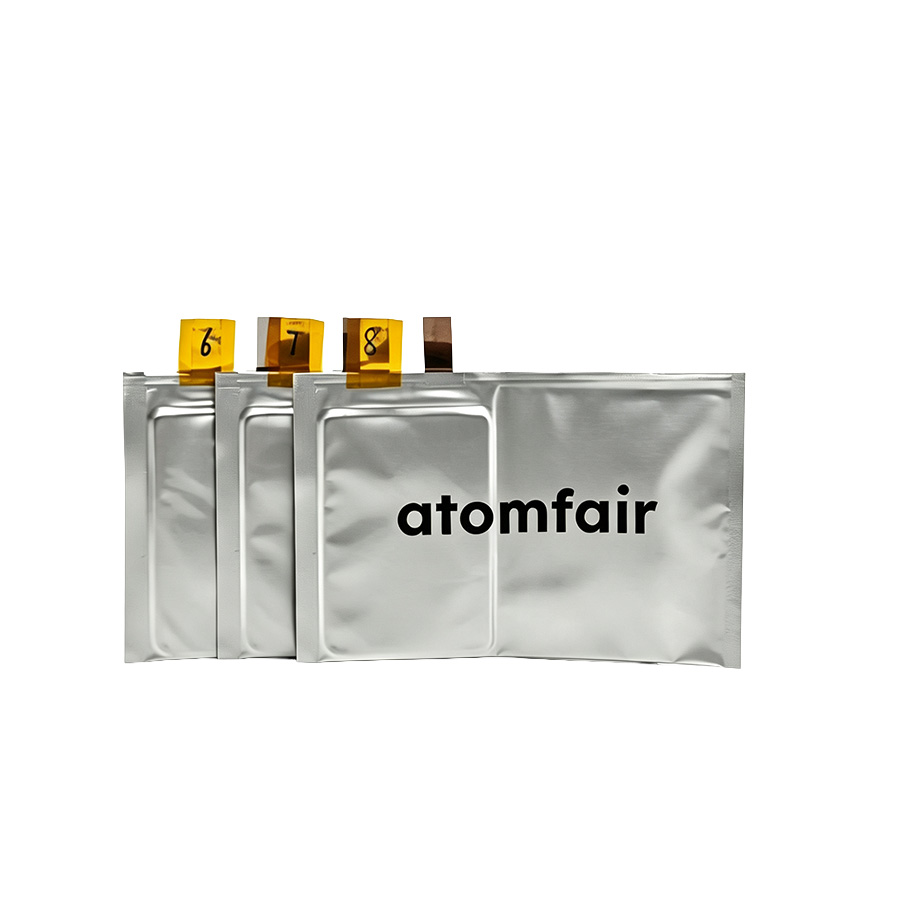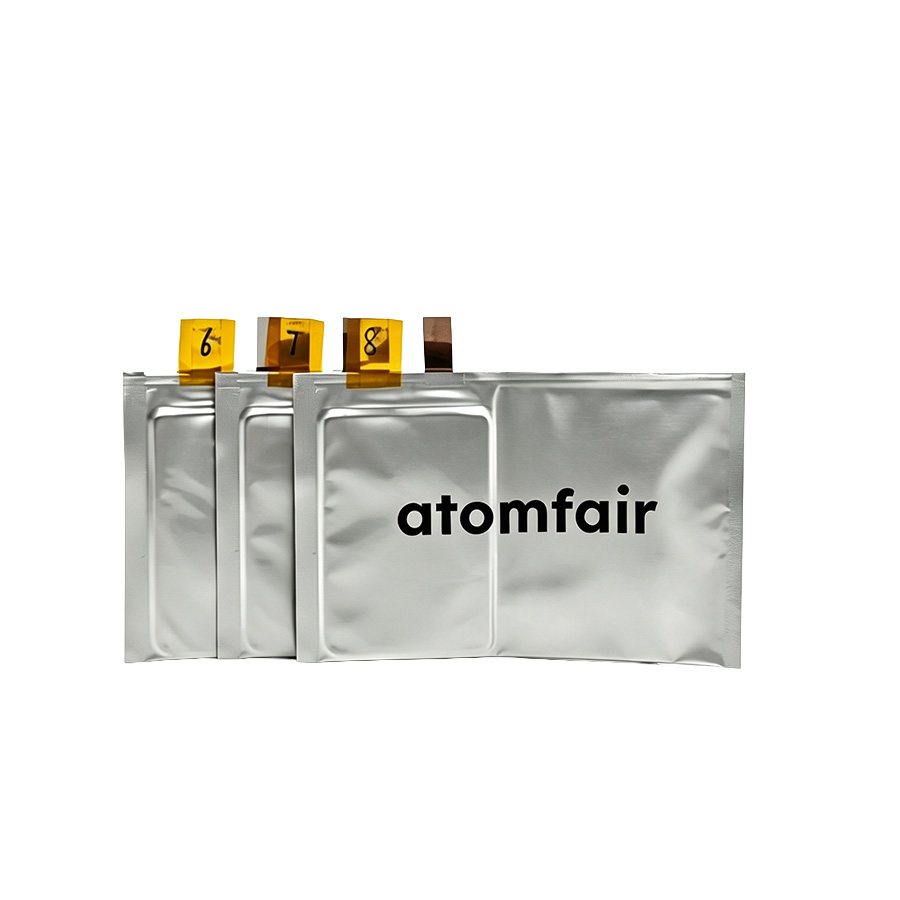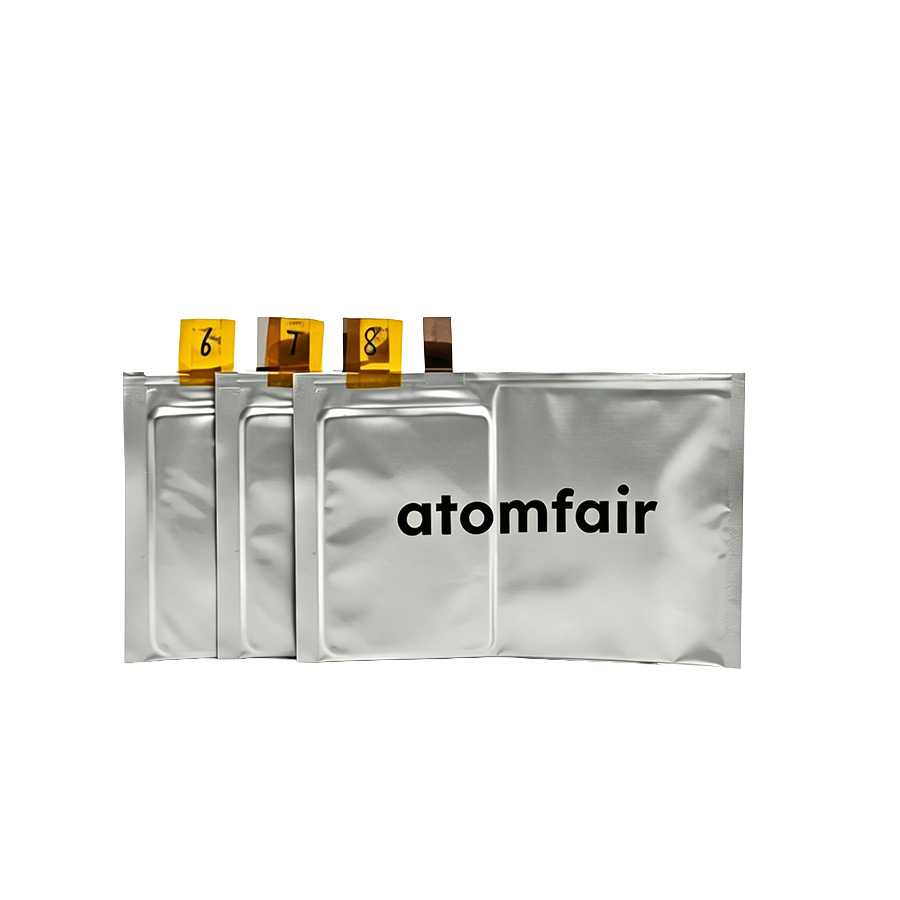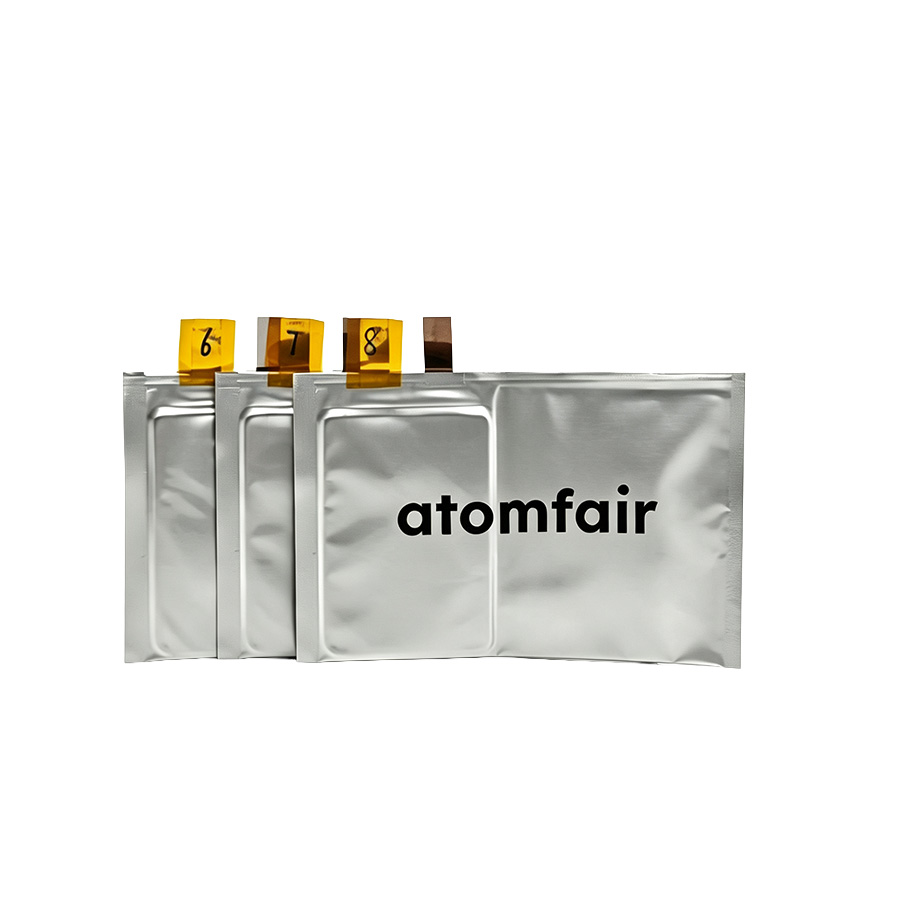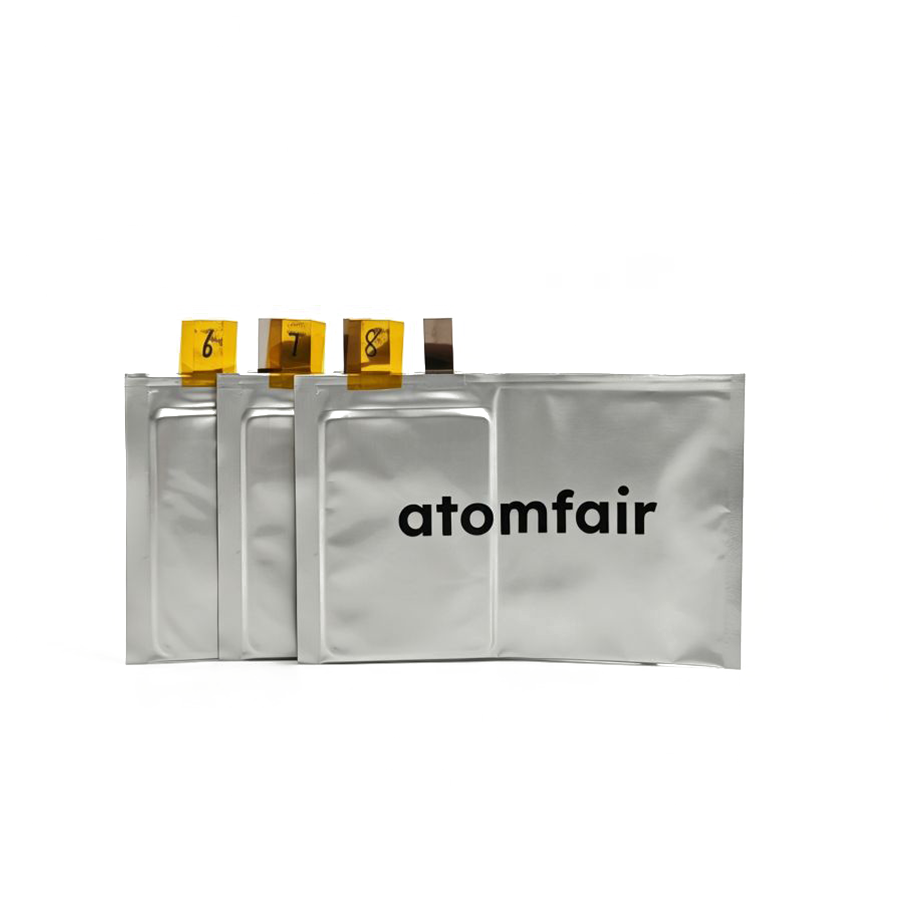
NFM Sodium-Ion Dry Pouch Cell (0.7Ah) – Hard Carbon AnodeSODIUM (Na) ION TECHNOLOGY | 9/10 LAYERS
|
||||||||||||||||||||||||||||||||||||||||||||||||||
|
||||||||||||||||||||||||||||||||||||||||||||||||||
Related Products |
||||||||||||||||||||||||||||||||||||||||||||||||||
|
||||||||||||||||||||||||||||||||||||||||||||||||||
|
TAILORED SOLUTIONS FOR RESEARCH
Contact our engineering team for technical support or official institutional quotations.
EMAIL: inquiry@atomfair.com
|
||||||||||||||||||||||||||||||||||||||||||||||||||
|
Manufacturer: Atomfair LLC
Brand: ATOMFAIR®
|
||||||||||||||||||||||||||||||||||||||||||||||||||
This dry pouch cell contains moisture-sensitive electrodes that require inert atmosphere storage to prevent performance degradation. Short circuit risks necessitate careful handling and isolation from conductive contaminants.
- Moisture Sensitivity: Store the dry pouch cell in an inert atmosphere (e.g., argon or nitrogen) with less than 1 ppm moisture to avoid irreversible electrode oxidation.
- Short Circuit Prevention: Keep the cell tabs insulated and avoid contact with metal surfaces or conductive debris during handling and storage.
- Electrolyte Compatibility: Only use electrolytes specifically formulated for sodium-ion chemistry with NFM cathodes and hard carbon anodes to prevent adverse reactions.
This procedure describes the safe and effective filling of the dry pouch cell with electrolyte under controlled atmosphere. Proper sealing and resting are critical for achieving consistent electrochemical performance.
Required Equipment: Inert atmosphere glovebox (H2O/O2 < 0.1 ppm), Syringe or pipette with needle, Heat sealer for pouch cell
- Transfer to glovebox
Place the dry pouch cell inside an inert atmosphere glovebox with moisture and oxygen levels below 0.1 ppm. - Select electrolyte
Select a sodium-ion electrolyte formulation compatible with the NFM cathode and hard carbon anode materials. - Fill cell
Inject the electrolyte into the pouch cell through the designated opening using a syringe or pipette until the separator is fully wetted. - Seal pouch
Seal the pouch cell using a heat sealer, applying sufficient pressure and temperature to create a hermetic closure. - Rest cell
Allow the filled cell to rest for at least 12 hours to ensure complete electrolyte wetting and electrode equilibration before testing.
Why is the negative electrode (63 x 84 mm) oversized relative to the positive electrode (60 x 80 mm) in this 1AH NFM-Hard Carbon dry pouch cell, and what performance trade-off does this NP ratio address?
The negative electrode is intentionally larger than the positive to ensure an NP ratio greater than 1, which prevents sodium metal plating during cycling. This design trade-off reduces absolute energy density but improves cycle life and safety by mitigating dendrite formation. The exact NP ratio is based on Atomfair's default design parameters for areal density and load capacity, which prioritize stability over maximum capacity.
What electrolyte compatibility and wetting constraints apply when integrating this dry pouch cell into a sodium-ion research test fixture?
The dry configuration allows custom electrolyte selection, but the 1AH capacity and electrode dimensions (positive 60×80 mm, negative 63×84 mm) impose constraints on the minimum electrolyte volume needed for full wetting. Researchers must account for the electrode porosity and areal loading set by Atomfair's default parameters to ensure adequate electrolyte penetration and avoid dry spots that degrade performance.
What storage and handling procedures are recommended to maintain performance of the NFM-Hard Carbon dry pouch cell before electrolyte addition?
The cell must be stored in a cool, dry environment as specified to prevent moisture uptake that can degrade the NFM cathode and hard carbon anode. Handling should be performed in an inert atmosphere (argon or dry room) with oxygen and water levels below 1 ppm. Atomfair's notice advises contacting customer service for detailed handling protocols and safety data before electrolyte filling.
This 1AH NFM-Hard Carbon dry pouch cell provides a research-grade sodium-ion platform with high energy density and a flexible pouch format, but requires the user to add electrolyte and operates under fixed default design parameters that may limit customization without pre-order consultation.
Positive
- High Energy Density NFM-Hard Carbon: The NFM-Hard Carbon formulation provides exceptional energy storage capabilities, enabling high-performance testing for advanced sodium-ion applications.
- Dry Cell Configuration for Custom Electrolyte: Delivered without electrolyte, this dry pouch cell allows researchers to optimize electrolyte composition and interface conditions for their specific experimental needs.
Trade-offs
- Requires External Electrolyte Addition: As a dry core configuration, the cell does not include electrolyte, necessitating laboratory infrastructure and expertise for electrolyte filling and handling prior to testing.
- Fixed Default Design Parameters: The cell follows default areal density, load capacity, layers, and NP ratio; any deviation requires pre-order consultation, limiting on-the-fly experimental modifications.
Every advanced material, component, equipment, and instrument in our catalog is backed by rigorous testing. We maintain strict internal quality management frameworks and align with CE conformity metrics to deliver transparent, reproducible performance data via our public open-science repository.
To request raw batch performance data, submit formal vendor registration paperwork, or execute a fast-turnaround R&D manufacturing loop, contact us at inquiry@atomfair.com.
Item is dispatched under the Atomfair Shipping & Delivery Framework (Free worldwide shipping on orders over $59 USD excl. heavy equipment). Return is governed by the Atomfair Return & Refund Policy (7-day technical return window).