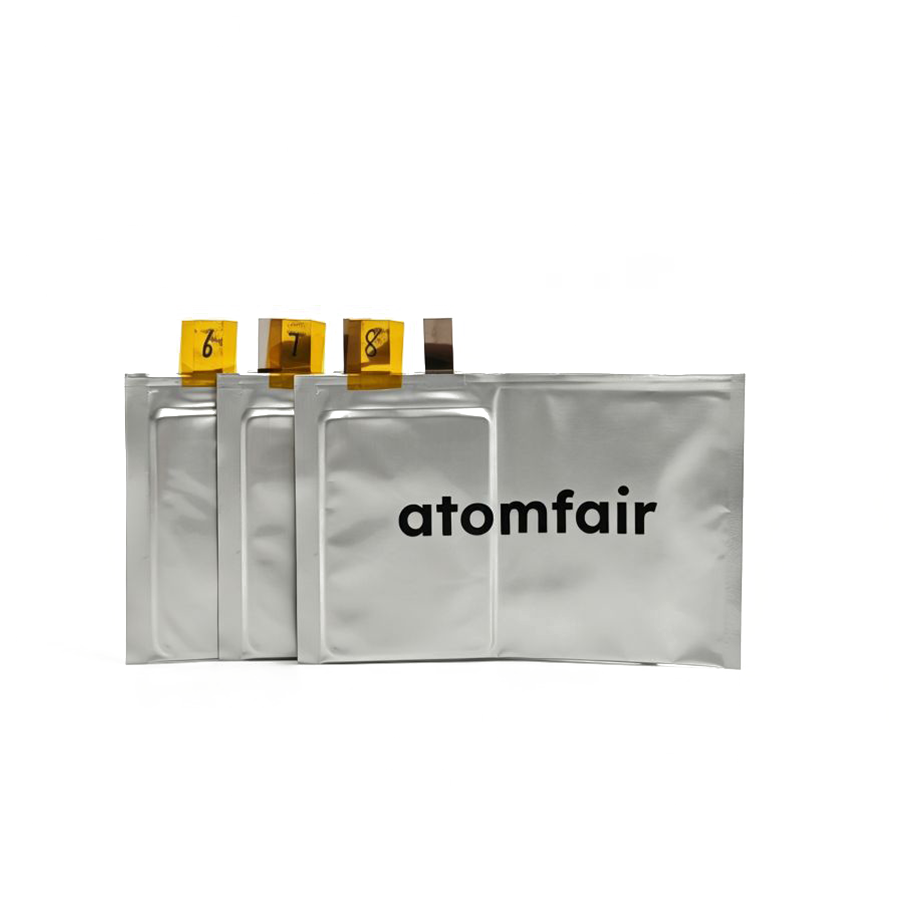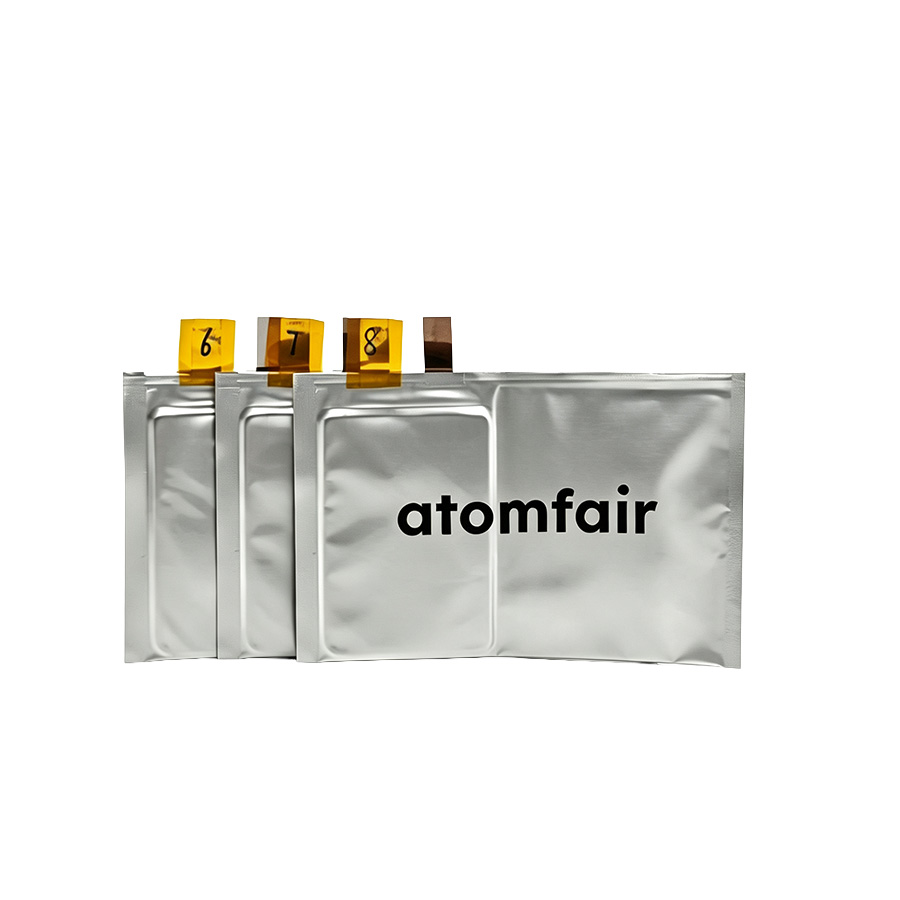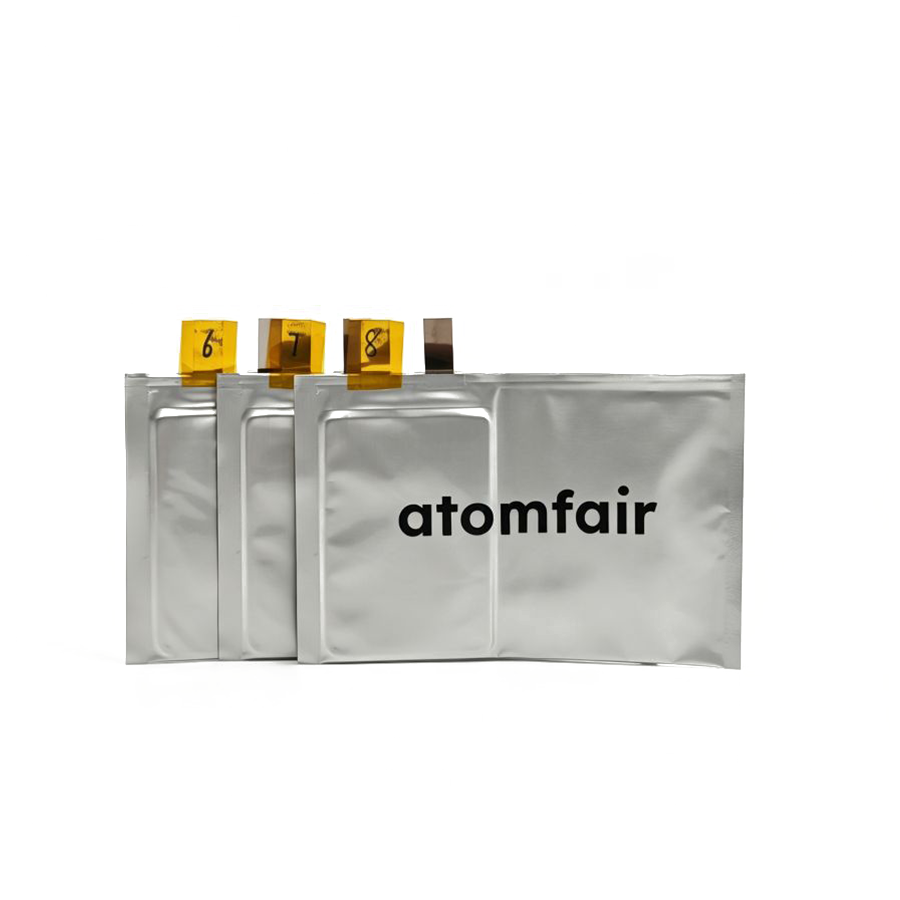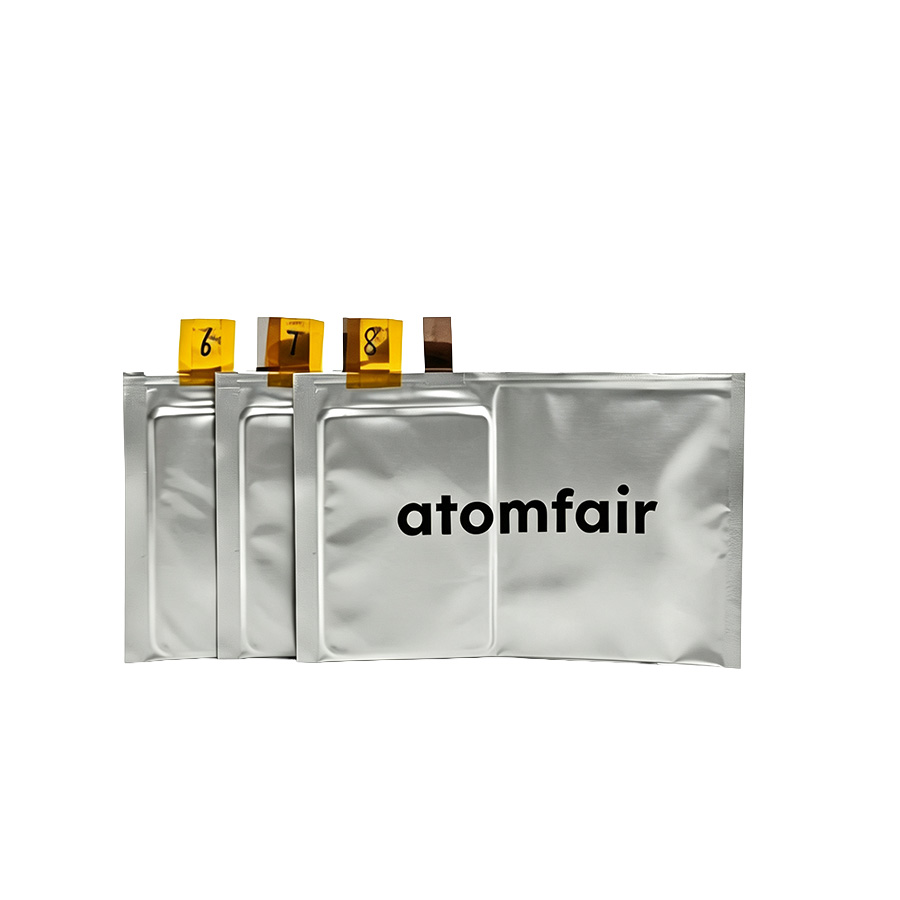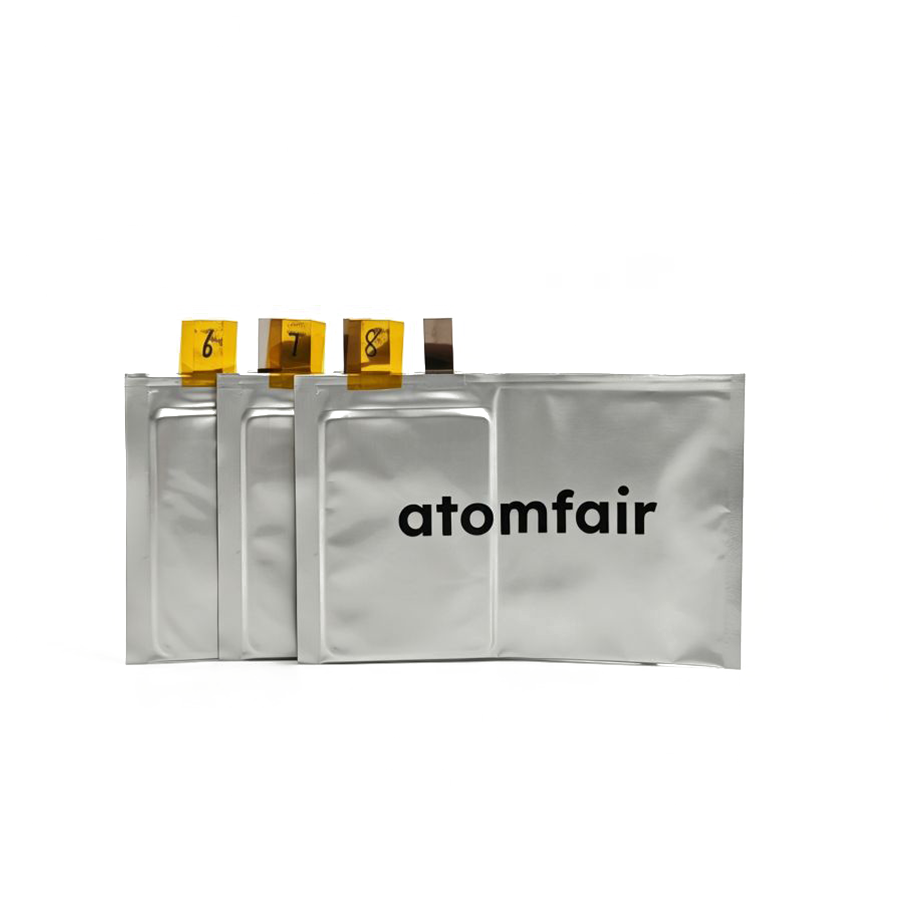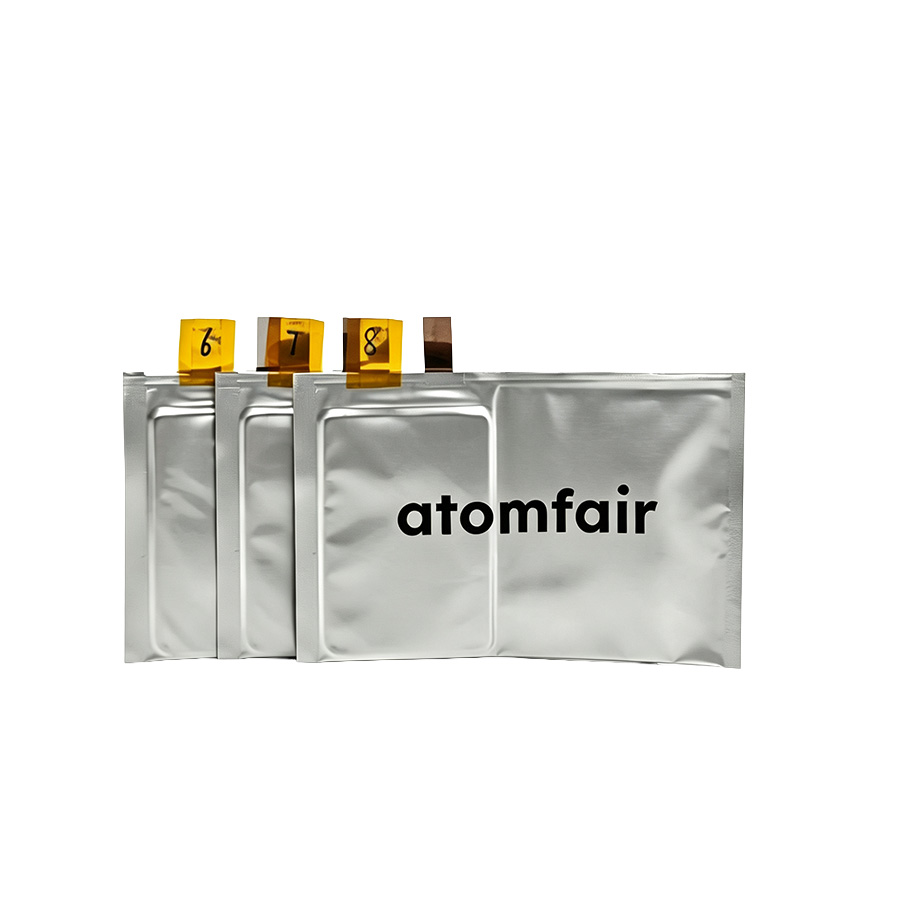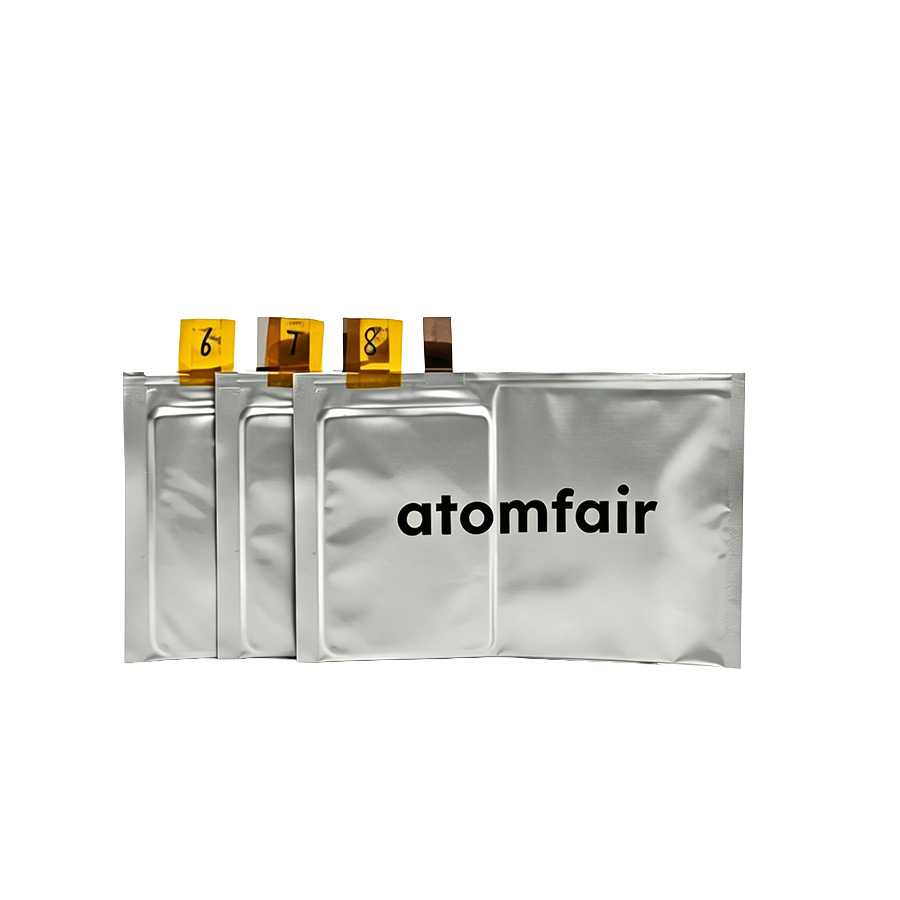
NFPP Sodium-Ion Dry Pouch Cell (0.4 Ah, 4/5 Layers) – Anode-Free, Carbon-Coated Aluminum FoilProduct Type: Research-grade dry pouch cell
Research-grade laboratory product
|
||||||||||||||||||||||||||||||||||||||||||||||||||||||||
|
||||||||||||||||||||||||||||||||||||||||||||||||||||||||
This electrolyte-free dry pouch cell is supplied as an unfilled, dry stack intended for laboratory-controlled sodium-ion cell finishing. The product is for electrolyte or activation studies in which the researcher controls the finishing conditions before electrochemical evaluation.
- Electrolyte Addition: The unfilled dry pouch cell must be filled with electrolyte before activation or electrochemical testing.
- Researcher-Controlled Finishing: The researcher must control the cell finishing conditions to establish the final electrochemical configuration for evaluation.
- Laboratory Application Boundary: The dry pouch cell is intended for laboratory sodium-ion assembly, electrolyte or activation studies, and dry-core electrochemical evaluation.
Why does this dry pouch cell specify 4/5 layers instead of a fixed layer count?
The 4/5 layer specification indicates the cell uses either 4 or 5 electrode layers in the stack, providing flexibility for researchers to evaluate performance differences with minimal configuration change. The nominal capacity of 0.4 Ah is based on this stack range, and the electrode dimensions (cathode 45.5 x 64 mm, anode 46.5 x 65 mm) are consistent across both layer counts.
How does the anode-free Al/C architecture function as the negative electrode in this sodium-ion cell?
The Al/C anode architecture uses carbon-coated aluminum foil as both current collector and negative electrode, eliminating the need for a separate anode material. The anode dimensions (46.5 x 65 mm) are slightly larger than the cathode to ensure proper alignment and prevent short circuits. This design is explicitly described as anode-free, carbon-coated aluminum foil.
Can the electrodes and separator in this dry pouch cell be customized for specific research needs?
Yes. The product page explicitly states that customization covers cell dimensions, nominal capacity, cathode and anode materials, separator coating, and dry electrode configuration. Researchers can request modifications via the provided customization link.
This NFPP sodium-ion dry pouch cell with anode-free Al/C architecture offers a 0.4 Ah capacity and 2.5-3.6 V window, designed for customizable electrolyte studies and electrode comparison in a research laboratory setting.
Positive
- Dry pouch format for controlled activation: The unfilled dry pouch design allows researchers to precisely control electrolyte composition, filling volume, and formation conditions, enabling tailored electrochemical evaluation without pre-activation constraints.
- Anode-free Al/C architecture simplifies testing: The Al/C current collector architecture eliminates excess anode material, facilitating direct study of sodium nucleation, plating, and stripping behavior while reducing assembly complexity for laboratory-scale experiments.
Trade-offs
- Requires electrolyte filling and glovebox assembly: As a dry (electrolyte-free) pouch cell, the product must be filled and sealed under inert atmosphere in a glovebox, demanding proper lab infrastructure and handling expertise before any electrochemical testing.
- Limited capacity and narrow voltage window: The 0.4 Ah nominal capacity and 2.5-3.6 V operating window restrict the cell to low-energy, research-scale evaluations and may not represent full-cell performance for high-energy density applications.
Every advanced material, component, equipment, and instrument in our catalog is backed by rigorous testing. We maintain strict internal quality management frameworks and align with CE conformity metrics to deliver transparent, reproducible performance data via our public open-science repository.
To request raw batch performance data, submit formal vendor registration paperwork, or execute a fast-turnaround R&D manufacturing loop, contact us at inquiry@atomfair.com.
Item is dispatched under the Atomfair Shipping & Delivery Framework (Free worldwide shipping on orders over $59 USD excl. heavy equipment). Return is governed by the Atomfair Return & Refund Policy (7-day technical return window).