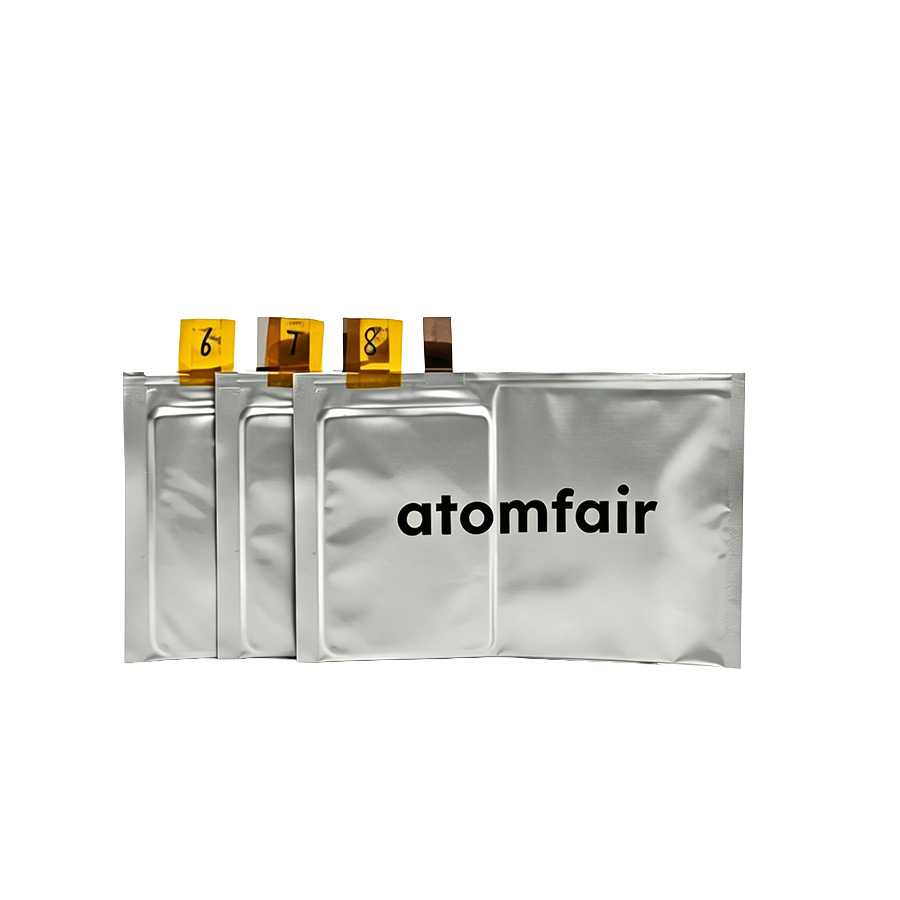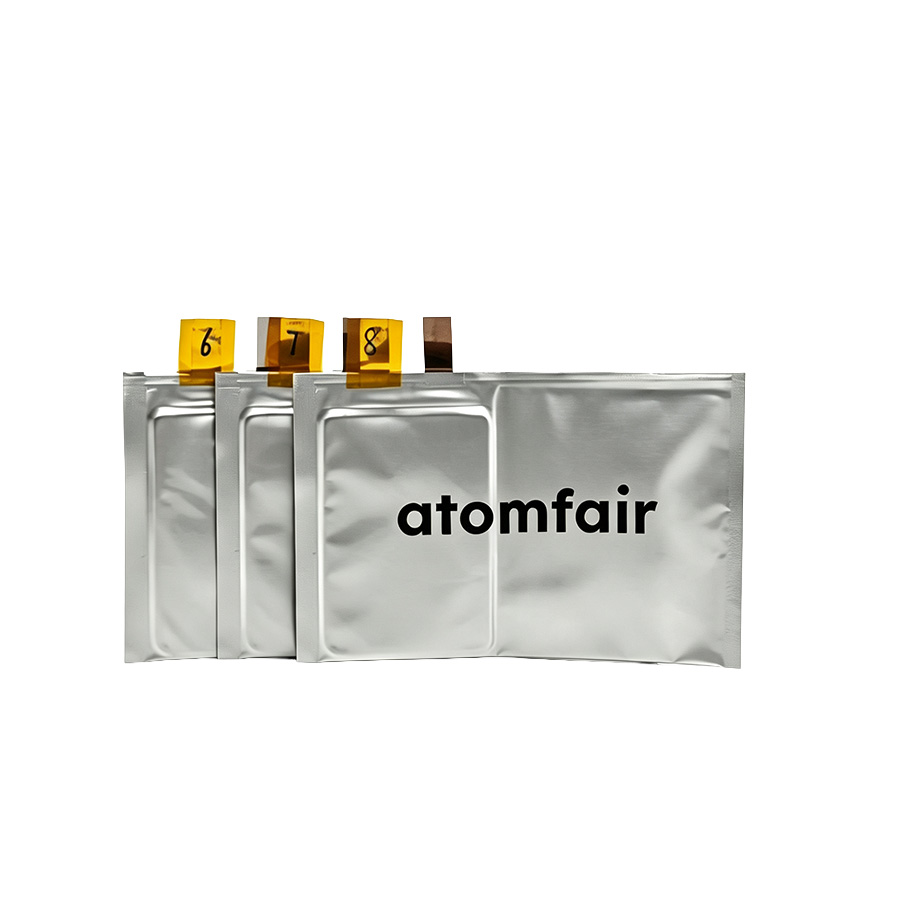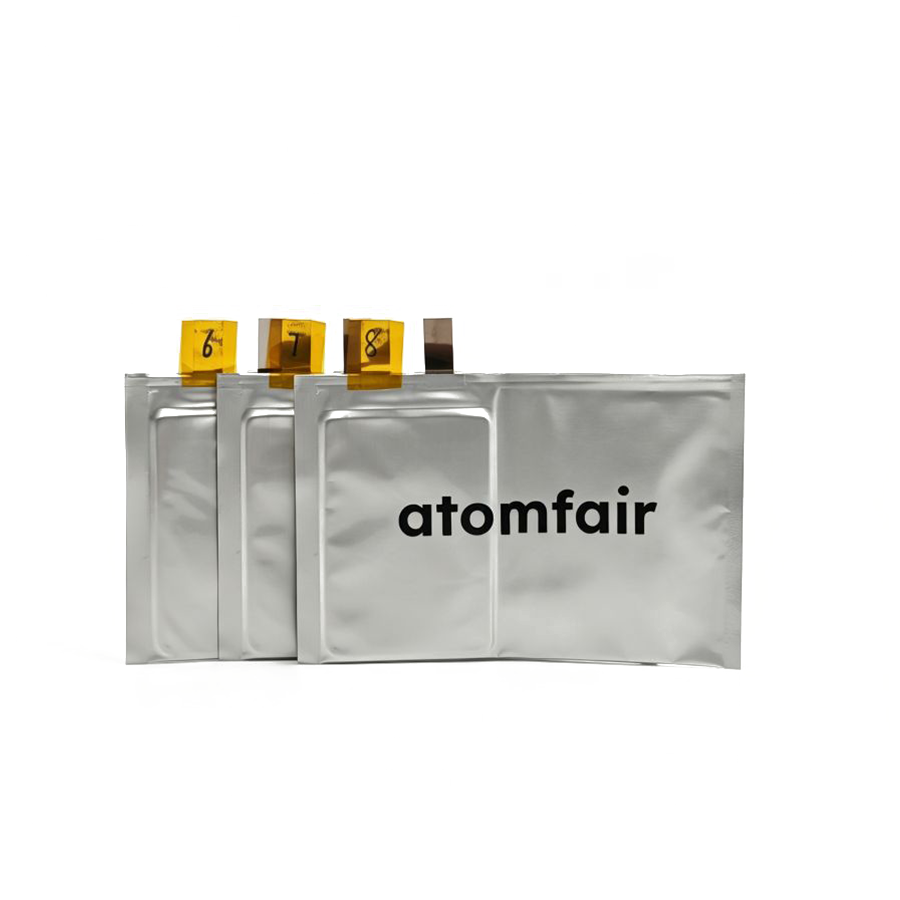
NFM Sodium-Ion Dry Pouch Cell (1Ah, 4.2V) – Hard Carbon AnodeSODIUM (Na) ION TECHNOLOGY | 6/7 LAYERS
|
||||||||||||||||||||||||||||||||||||||||||||||||||||
|
||||||||||||||||||||||||||||||||||||||||||||||||||||
Related Products |
||||||||||||||||||||||||||||||||||||||||||||||||||||
|
||||||||||||||||||||||||||||||||||||||||||||||||||||
|
TAILORED SOLUTIONS FOR RESEARCH
Contact our engineering team for technical support or official institutional quotations.
EMAIL: inquiry@atomfair.com
|
||||||||||||||||||||||||||||||||||||||||||||||||||||
|
Manufacturer: Atomfair LLC
Brand: ATOMFAIR®
|
||||||||||||||||||||||||||||||||||||||||||||||||||||
This sodium-ion pouch cell poses electrical shock and fire hazards if mishandled or short-circuited. Storage should be in a cool, dry environment away from conductive materials to prevent accidental short circuits.
- Voltage Window: Operate only within the rated voltage range of 1.5V to 4.2V to avoid irreversible cell damage and thermal runaway.
- Mechanical Integrity: Avoid puncturing or crushing the pouch as it may cause internal short circuits and leakage of electrolyte.
- Thermal Exposure: Do not expose the cell to temperatures that could induce thermal runaway, and monitor during high-rate cycling.
- Disposal Protocol: Dispose of spent cells in accordance with local hazardous waste regulations to prevent environmental contamination.
Follow these steps to safely handle and initialize the pouch cell for laboratory testing. Proper precautions prevent electrical hazards and ensure reliable performance.
Required Equipment: Personal protective equipment (PPE), Insulated tools and tweezers, Battery test cycler with safety cutoff
- Inspect for damage
Inspect the pouch cell for any visible damage, swelling, or leakage before handling. - Connect to cycler
Connect the cell terminals to the test equipment using insulated cables and correct polarity. - Set voltage limits
Set the charge/discharge voltage limits to 1.5V and 4.2V respectively on the cycler. - Initialize formation cycle
Initiate a low-current formation cycle to stabilize the internal chemistry. - Monitor temperature
Monitor cell temperature continuously during cycling and stop if abnormal heating occurs. - Discharge before storage
Discharge the cell to 1.5V after testing to minimize stored energy for safe storage. - Store safely
Store the cell in a dry, airtight container with terminals isolated from conductive surfaces.
How does the N/P ratio of 1.047 in the Atomfair NFM/HC dry pouch cell impact its electrochemical performance and safety?
The N/P ratio of 1.047 is deliberately designed to balance capacity utilization between the cathode and anode while minimizing sodium plating risk at the hard carbon anode. This ratio, paired with cathode specific capacity of 142 mAh/g and anode specific capacity of 300 mAh/g, ensures stable cycling over the 1.5–4.2 V window. The 6/7-layer laminated electrode structure further supports uniform current distribution, reducing localized overpotential.
What additional hardware or preparation is required before the Atomfair dry pouch cell can be cycled in a battery tester?
This cell is supplied as a dry pouch cell without electrolyte, requiring the researcher to fill it with a compatible sodium-ion electrolyte (e.g., 1 M NaPF6 in EC/DMC) inside an inert atmosphere glovebox and vacuum seal it prior to testing. The standard 60×80 mm cathode and 63×84 mm anode dimensions fit most universal pouch cell holders, but users must ensure compatible current collector tabs for their test fixture. The 9 µm PP + ceramic composite separator is pre-integrated and requires no additional assembly.
What storage conditions and handling protocols are recommended to preserve the integrity of the dry pouch cell before activation?
The dry pouch cell should be stored in a dry, inert atmosphere such as an argon-filled glovebox (<0.1 ppm H2O and O2) to prevent moisture or oxygen contamination that could degrade the uncycled electrodes. The manufacturer provides standard electrostatic protection packaging; cells must remain sealed until electrolyte filling, and handling with gloves is essential to avoid contamination. Do not apply voltage outside the specified 1.5–4.2 V range after activation.
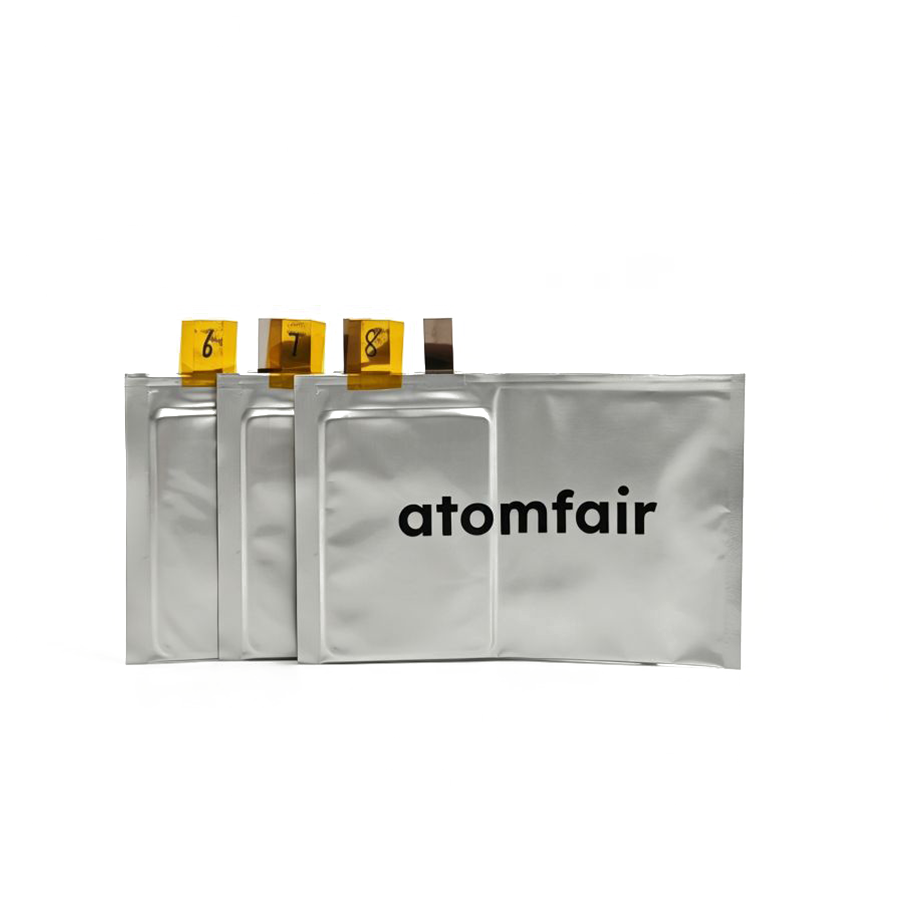
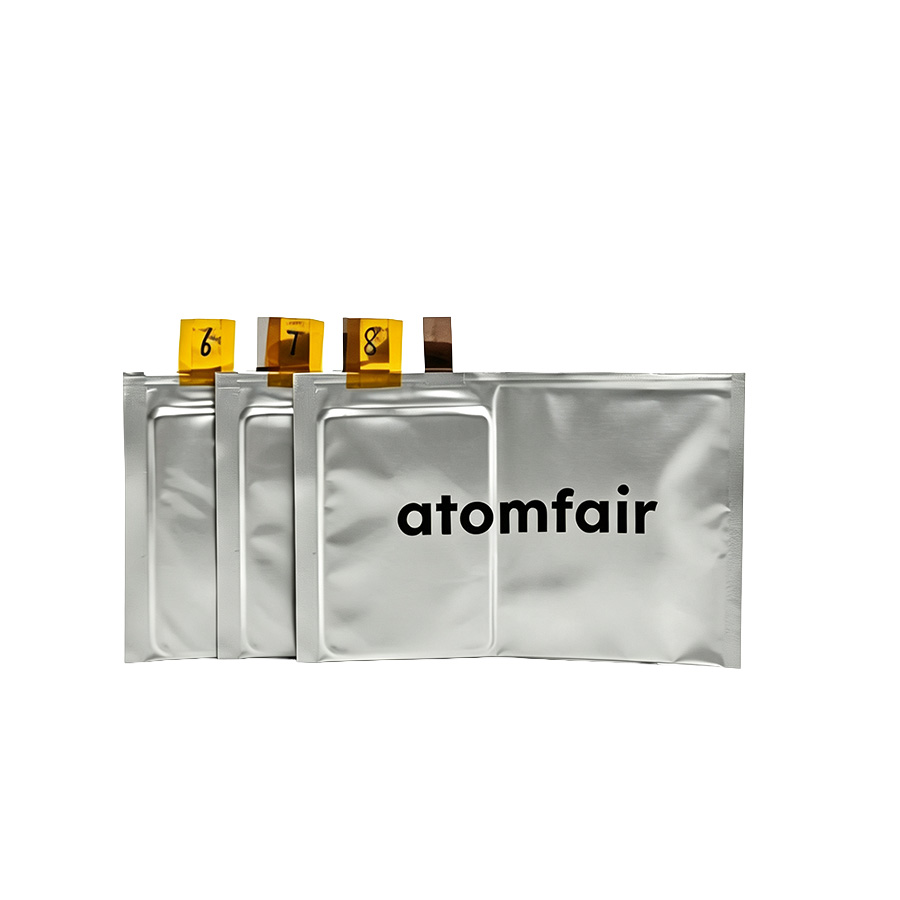
A 1.0 Ah sodium-ion dry pouch cell using NFM cathode and hard carbon anode, with a 6/7 layer laminate and ceramic-coated separator, designed for laboratory electrochemical testing.
Positive
- Stable N/P ratio design: The N/P ratio of 1.047 provides balanced electrode capacities, contributing to consistent electrochemical performance during cycling.
- Ceramic composite separator: The 9 µm PP + 2+2 µm ceramic coating enhances thermal stability and safety, reducing the risk of internal short circuits.
Trade-offs
- Research-only application scope: Explicitly designated for research and development use only, this cell is not authorized for commercial or consumer applications.
- Electrostatic discharge sensitivity: Packaging specifies electrostatic protection, indicating that the cell components are vulnerable to ESD and require careful handling in a controlled environment.
Every advanced material, component, equipment, and instrument in our catalog is backed by rigorous testing. We maintain strict internal quality management frameworks and align with CE conformity metrics to deliver transparent, reproducible performance data via our public open-science repository.
To request raw batch performance data, submit formal vendor registration paperwork, or execute a fast-turnaround R&D manufacturing loop, contact us at inquiry@atomfair.com.
Item is dispatched under the Atomfair Shipping & Delivery Framework (Free worldwide shipping on orders over $59 USD excl. heavy equipment). Return is governed by the Atomfair Return & Refund Policy (7-day technical return window).