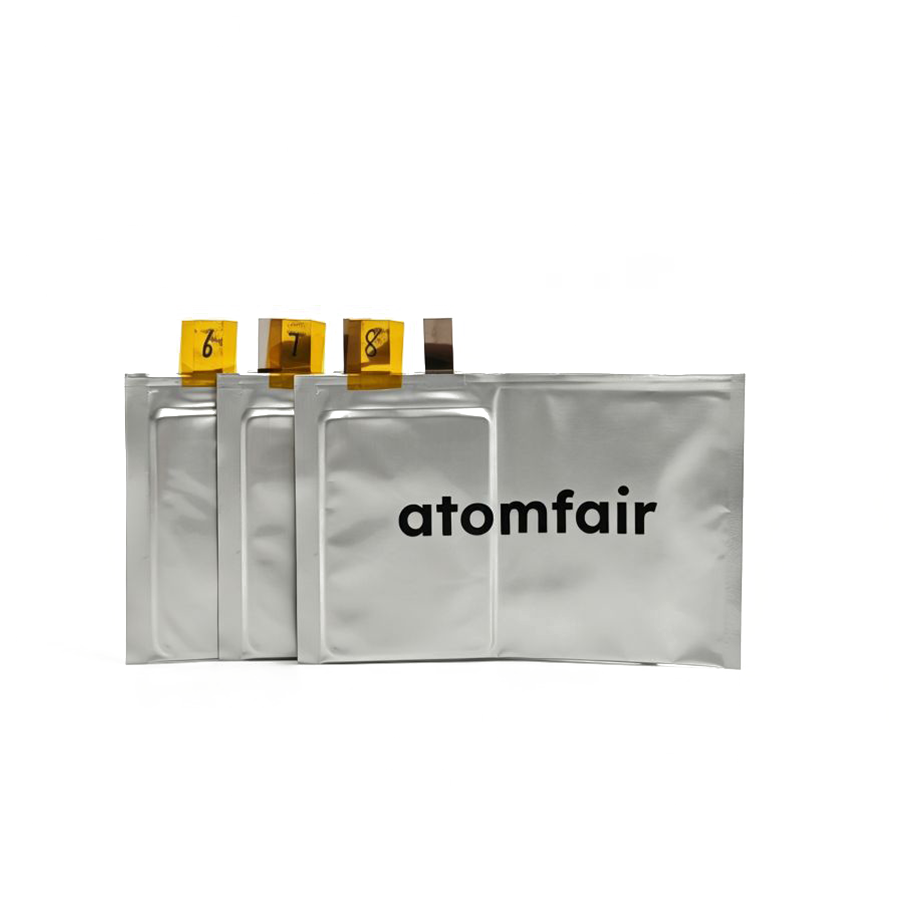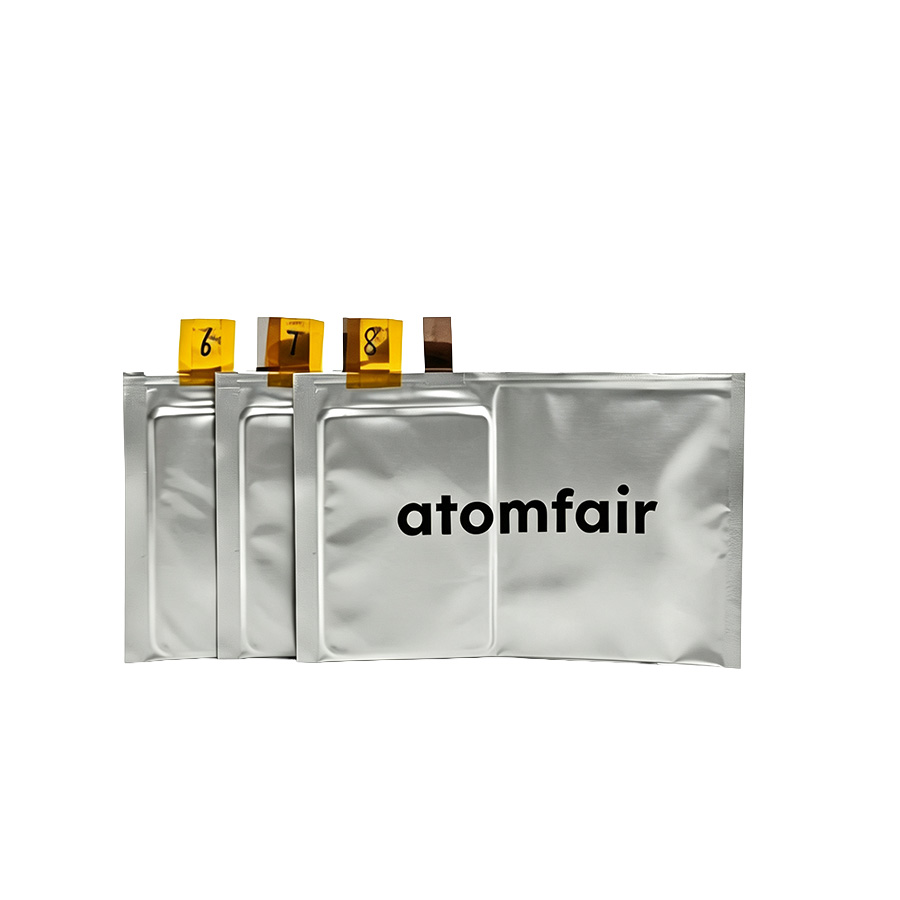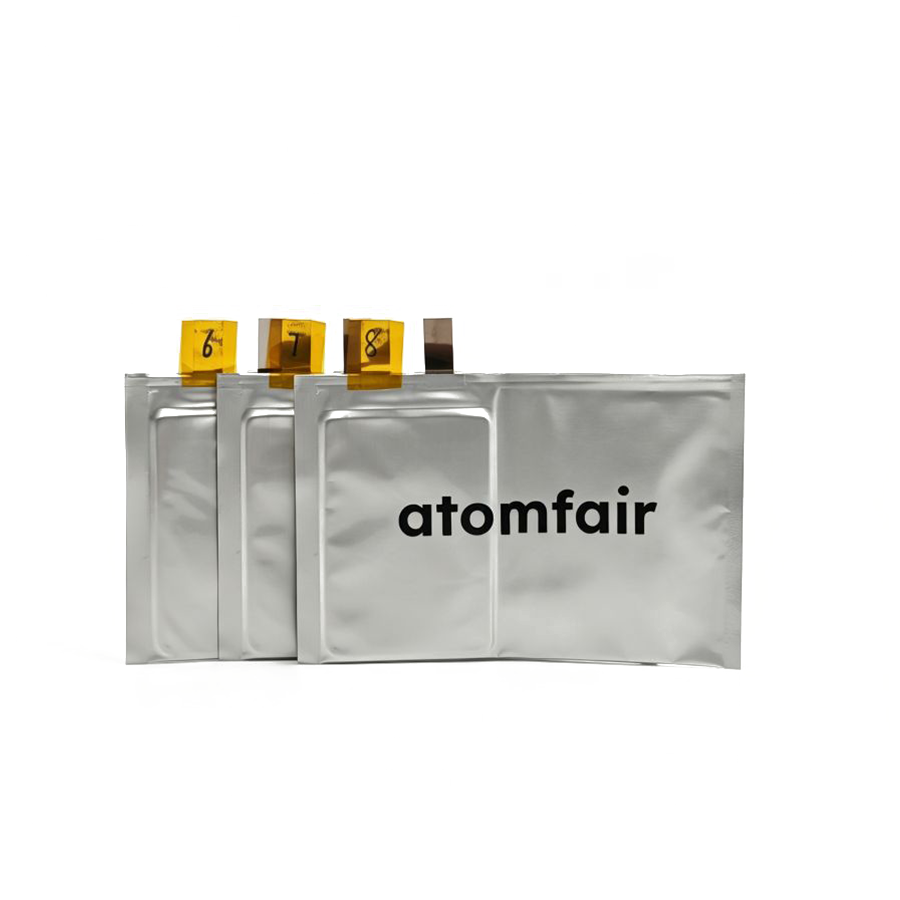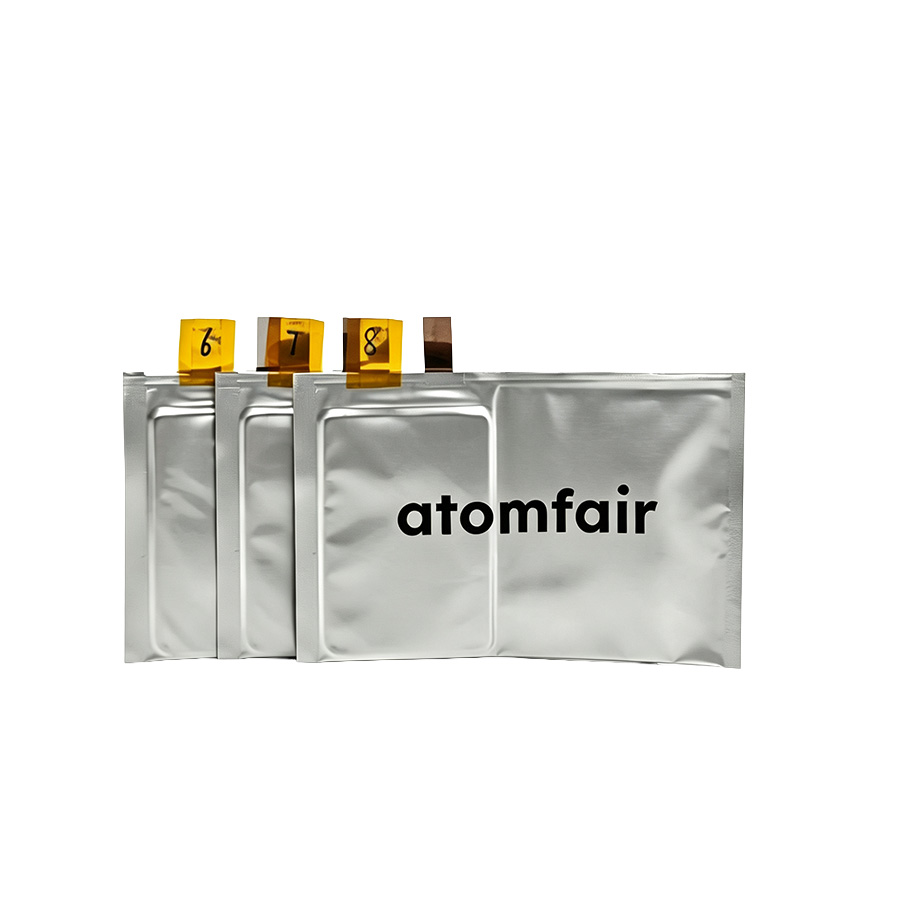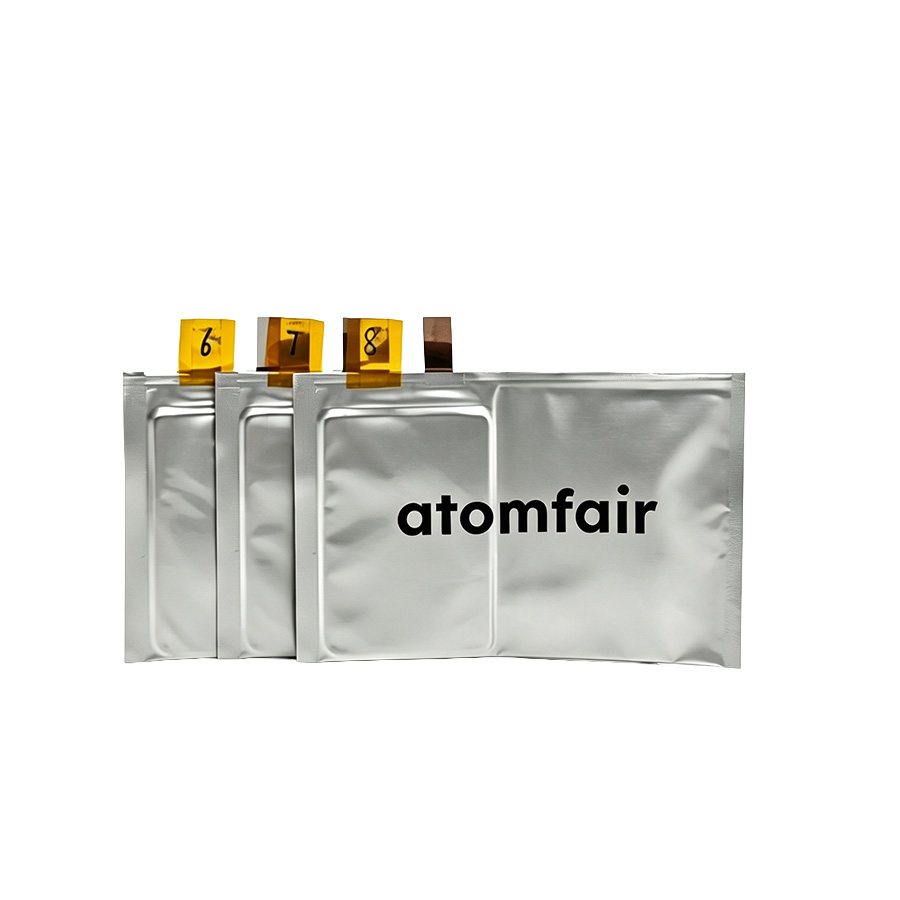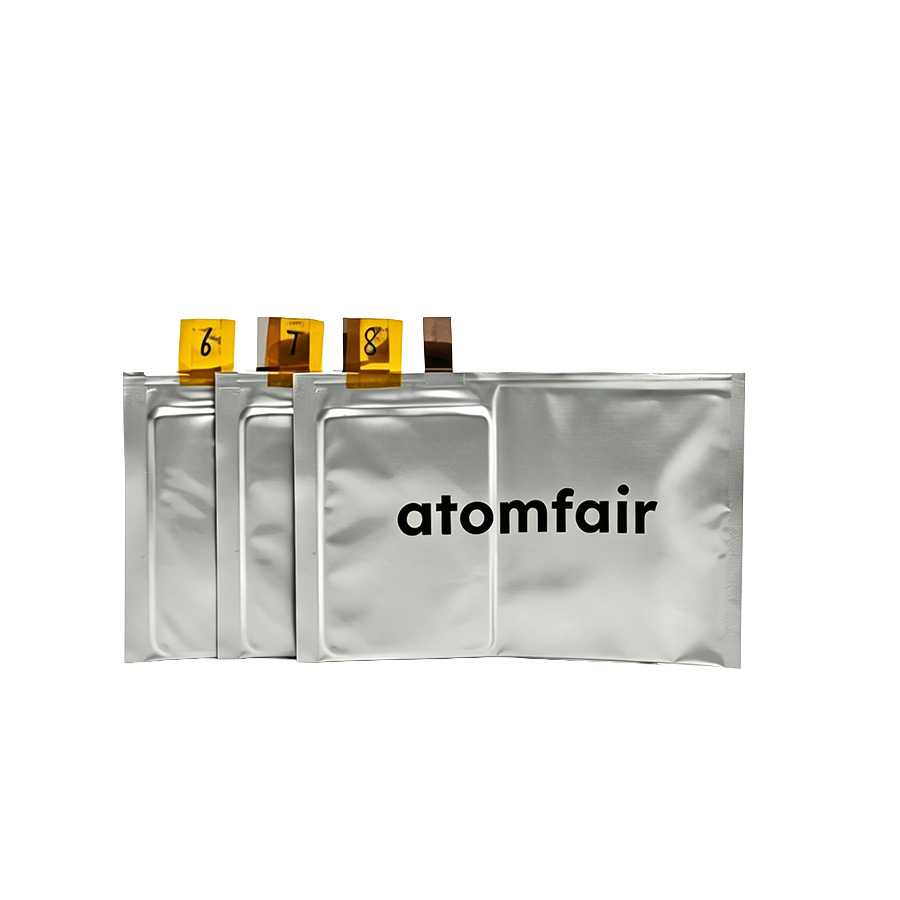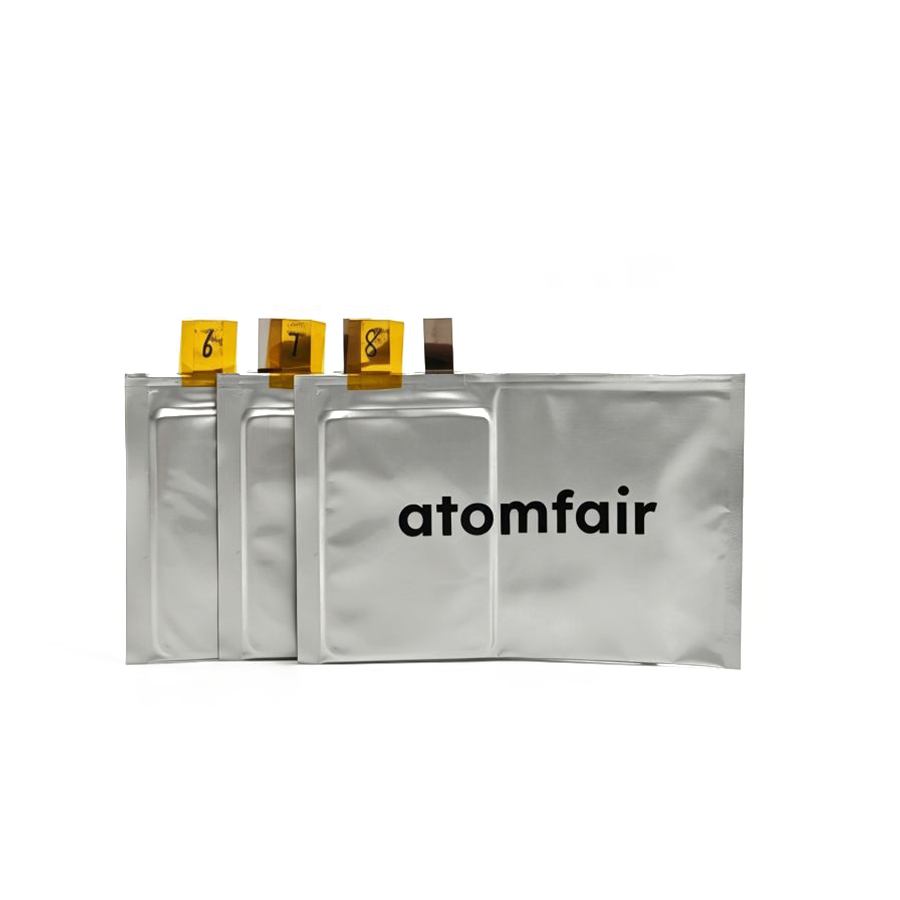
NVP Sodium-Ion Dry Pouch Cell (2Ah, 30 Layers) – Anode-Free, Carbon-Coated Aluminum Foil30-LAYER HIGH CAPACITY CORES
|
||||||||||||||||||||||||||||||||||||||||||||||||||||
|
||||||||||||||||||||||||||||||||||||||||||||||||||||
|
||||||||||||
Related Products |
||||||||||||
|
||||||||||||
|
TAILORED SOLUTIONS FOR RESEARCH
Contact our engineering team for technical support or official institutional quotations.
EMAIL: inquiry@atomfair.com
|
||||||||||||
| Manufacturer: Atomfair LLC Brand: ATOMFAIR |
How does the 30-layer stacking configuration affect the nominal capacity and areal loading trade-off in the NVP dry pouch cell?
The 30-layer stacking achieves a nominal capacity of 2 Ah by utilizing a cathode coating areal density of 14 mg/cm² with 93.5% active material loading. This multilayer architecture provides higher absolute capacity compared to single-layer cells but introduces additional constraints on electrolyte wetting and internal pressure uniformity during solid-state electrolyte scaling experiments.
Can the NVP dry pouch cell be directly integrated with polymer or ceramic solid-state electrolytes without modifications?
The cell is delivered as an electrolyte-free dry pouch cell specifically designed for solid-state electrolyte pouch cell scaling and structural pressure investigations. Its unfilled configuration allows direct integration with polymer or ceramic solid-state electrolytes, provided the user fills the cell with the appropriate electrolyte system under controlled conditions. The 12 µm PE + 2 µm ceramic coated separator is compatible with a range of solid-state electrolyte formulations but requires validation of wetting and interfacial stability.
What preparatory steps are required before testing the NVP dry pouch cell in a stack pressure jig?
The cell must first be filled with the intended electrolyte in an inert atmosphere to prevent moisture contamination, as it is supplied electrolyte-free. The 30-layer dense stacked core design, with anode dimensions of 46.5 × 65 mm, requires precise alignment in the pressure jig to ensure uniform load distribution across all layers. After filling, the cell should be vacuum-sealed before mounting in the stack pressure apparatus for structural pressure investigations.
The ATOMFAIR NVP Carbon Coated Aluminum 2Ah 30-Layer Dry Pouch Cell offers a high-fidelity multi-layer platform for solid-state sodium-ion battery scaling studies, but requires electrolyte filling and is restricted to NVP cathode chemistry.
Positive
- High-capacity multi-layer architecture for scaling: The 30-layer dense stack provides a realistic platform for evaluating solid-state electrolyte pouch cell scaling, allowing researchers to study internal phase kinetics without boundary interference.
- Optimized electrode configuration with high active material: With 93.5% active material in the NVP cathode and a carbon-coated aluminum foil anode, the cell delivers high specific capacity (90 mAh/g) and compaction density (1.7 g/cc), enabling accurate performance benchmarking.
Trade-offs
- Electrolyte-free delivery requires user filling: The cell is supplied dry and unfilled, meaning the end user must select and inject an appropriate electrolyte, which adds an extra processing step and potential variability in performance.
- Chemistry-specific design limits applicability: The cell is specifically designed for NVP-based sodium-ion testing; it is not compatible with other chemistries or cathode materials without redesigning the electrode stack.
Every advanced material, component, equipment, and instrument in our catalog is backed by rigorous testing. We maintain strict internal quality management frameworks and align with CE conformity metrics to deliver transparent, reproducible performance data via our public open-science repository.
To request raw batch performance data, submit formal vendor registration paperwork, or execute a fast-turnaround R&D manufacturing loop, contact us at inquiry@atomfair.com.
Item is dispatched under the Atomfair Shipping & Delivery Framework (Free worldwide shipping on orders over $59 USD excl. heavy equipment). Return is governed by the Atomfair Return & Refund Policy (7-day technical return window).