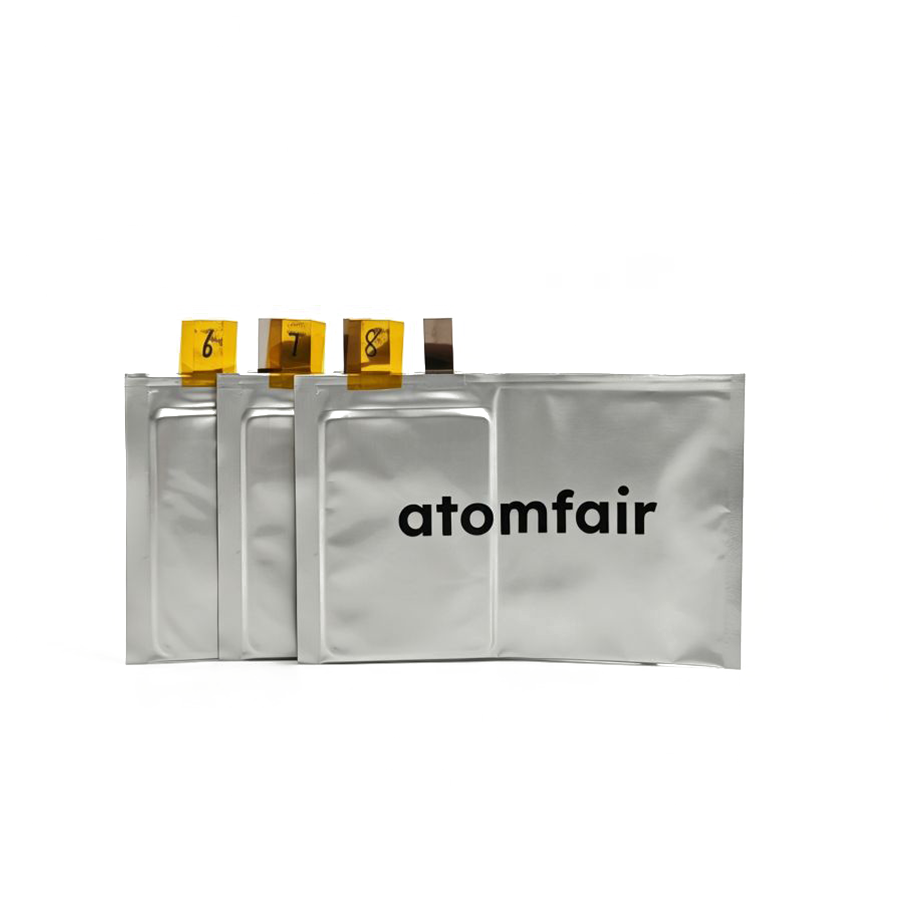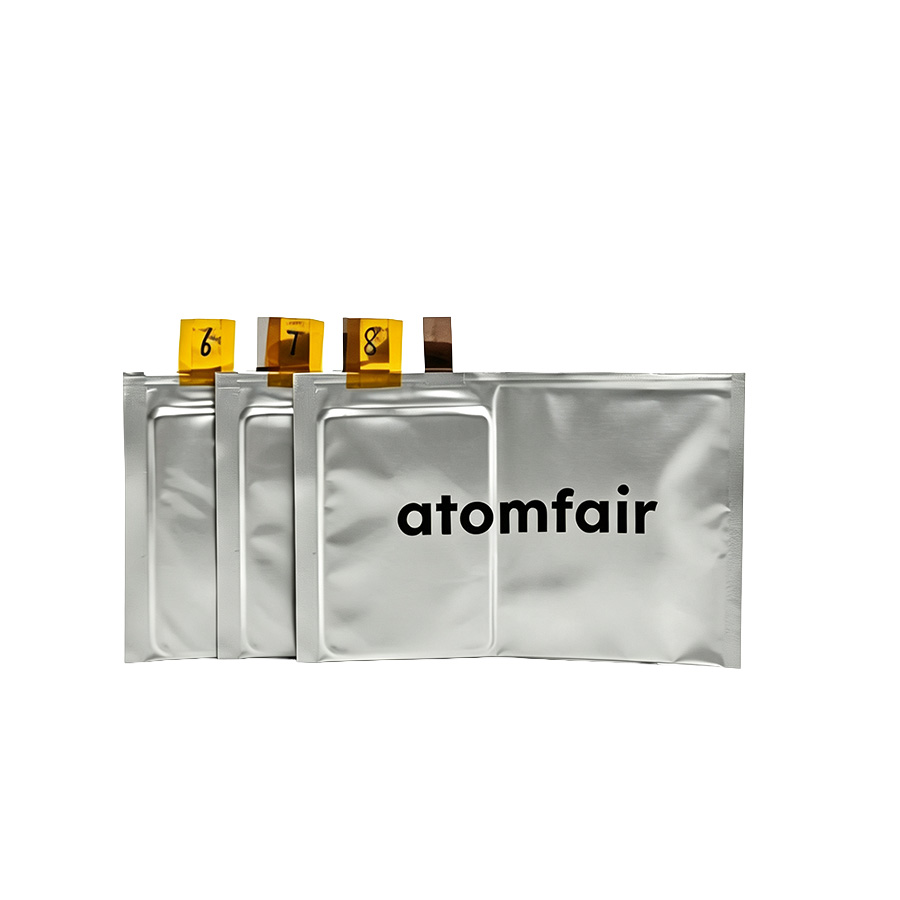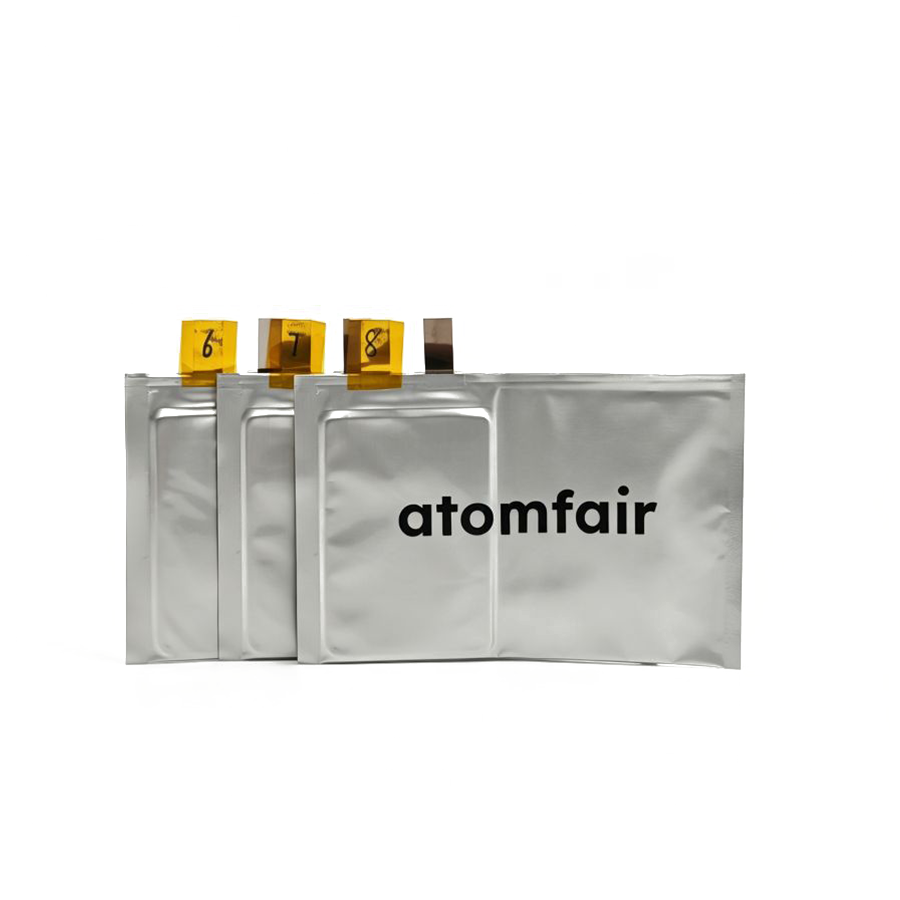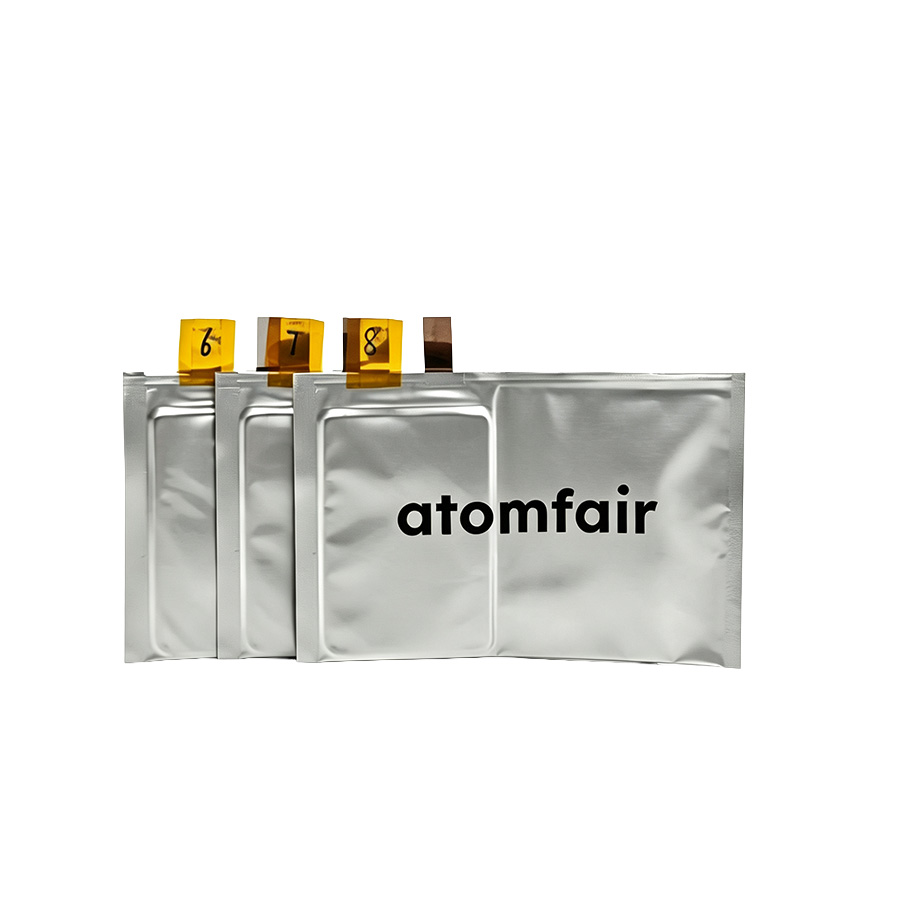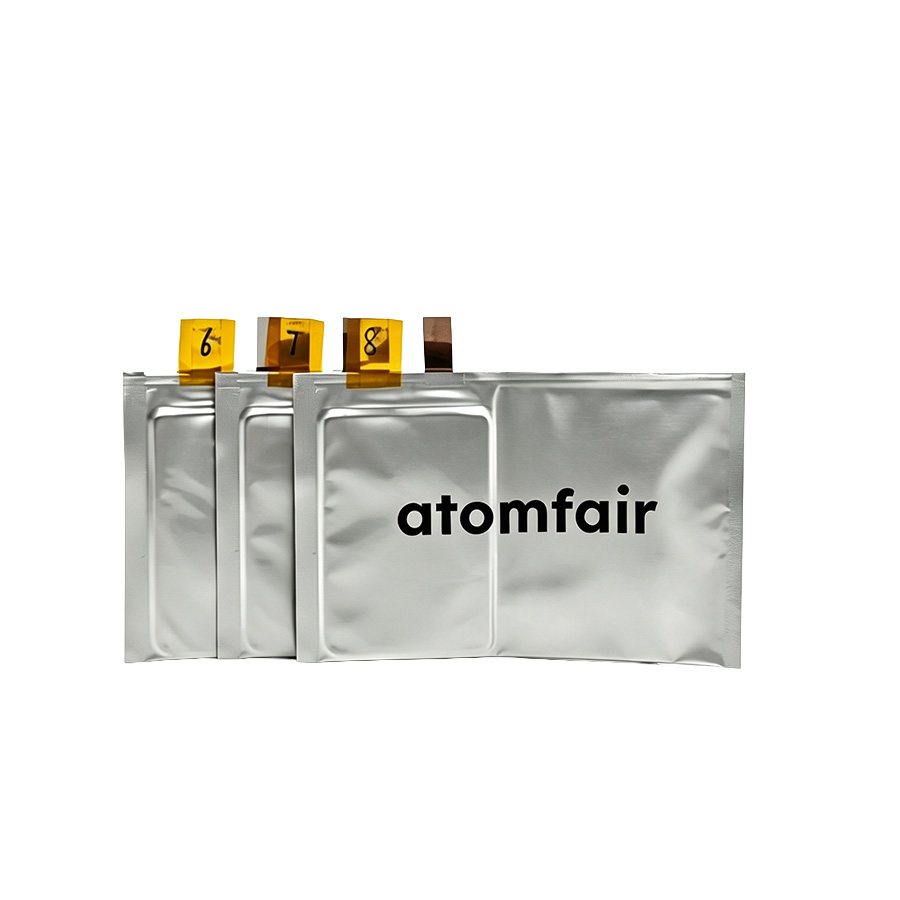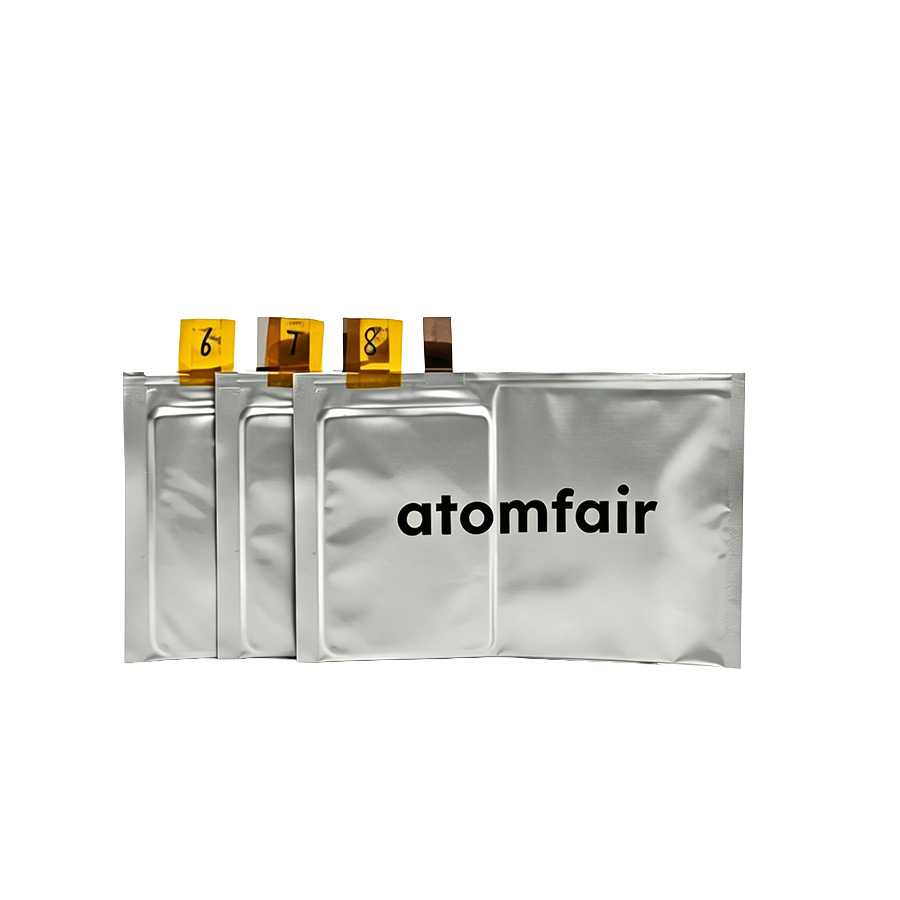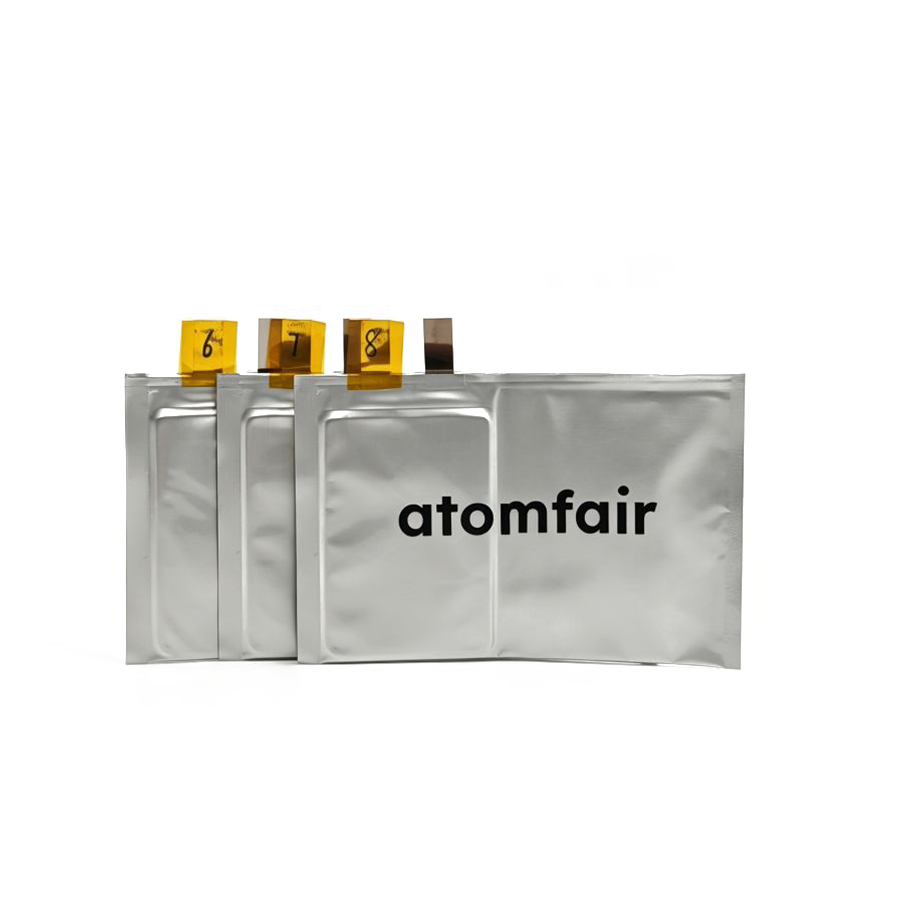
NVP Sodium-Ion Dry Pouch Cell (1Ah) – Anode-Free, Carbon-Coated Aluminum Foil |
||||||||||||||||||||||||||||||||||||||||||||||||||||
|
||||||||||||||||||||||||||||||||||||||||||||||||||||
|
||||||||||||
Related Products |
||||||||||||
|
||||||||||||
|
TAILORED SOLUTIONS FOR RESEARCH
Contact our engineering team for technical support or official institutional quotations.
EMAIL: inquiry@atomfair.com
|
||||||||||||
| Manufacturer: Atomfair LLC Brand: ATOMFAIR |
This dry pouch cell must be operated strictly within the 2.5 V to 3.8 V voltage window to prevent electrochemical degradation. The cell is supplied in an electrolyte-free state and requires electrolyte filling and formation prior to use.
- Voltage Window Constraint: Operate the cell only within the specified 2.5 V to 3.8 V voltage range to prevent degradation.
- Electrolyte Filling Requirement: The cell is supplied dry and requires electrolyte filling before any electrical testing.
What performance trade-offs arise from using a carbon-coated aluminum foil anode instead of sodium metal in the NVP dry pouch cell for solid-state electrolyte studies?
The carbon-coated aluminum (Al/C) anode eliminates the reactivity and dendrite issues associated with sodium metal while providing a stable, non-electrochemical baseline for interfacial transport studies. The NVP cathode delivers 105 mAh/g specific capacity with a compaction density of 1.8 g/cc and areal loading of 12.5 mg/cm², ensuring the cell’s overall capacity is cathode-limited and isolating anode-side variables for precise solid-state electrolyte evaluation.
Which solid-state or non-aqueous electrolyte systems are compatible with this electrolyte-free NVP dry pouch cell?
This dry pouch cell is explicitly designed as an electrolyte-free platform for investigating solid-state electrolytes or customized non-aqueous electrolyte formulations. The NVP cathode and Al/C anode are compatible with a wide range of sodium-conducting electrolytes, but each new electrolyte must be validated for wetting, interfacial stability, and electrochemical performance within the cell’s 2.5–3.8 V voltage window.
How should the Atomfair NVP dry pouch cell be stored and handled prior to electrolyte filling to preserve electrode integrity?
As a dry, electrolyte-free cell, it must be stored and handled in an inert, moisture-free environment such as an argon-filled glovebox to prevent degradation of the NVP cathode and carbon coating. No exposure to ambient air is permitted, and all handling should use clean, dry tools to avoid contamination before electrolyte introduction and cycling.
This dry pouch cell provides a high-purity NVP cathode baseline for sodium-ion solid-state electrolyte studies, with an Al/C carbon-coated aluminum foil anode and precision-stacked architecture, requiring electrolyte filling and dry handling.
Positive
- Electrolyte-free dry cell design: Enables direct investigation of solid-state electrolyte systems without interference from liquid chemistries, isolating sodium interfacial transport kinetics for baseline evaluation.
- High-purity NVP cathode active material: 93.5% active material loading with 105 mAh/g specific capacity and 1.8 g/cc compaction density provides a reliable reference for polyanionic framework analysis.
Trade-offs
- Requires electrolyte filling by user: Supplied as an unfilled dry core; the buyer must add liquid or solid electrolyte, adding process complexity and potential variability.
- Needs controlled atmosphere handling: The dry core and unfilled state demand assembly and testing in a dry room or glovebox to prevent moisture contamination and ensure reliable data.
Every advanced material, component, equipment, and instrument in our catalog is backed by rigorous testing. We maintain strict internal quality management frameworks and align with CE conformity metrics to deliver transparent, reproducible performance data via our public open-science repository.
To request raw batch performance data, submit formal vendor registration paperwork, or execute a fast-turnaround R&D manufacturing loop, contact us at inquiry@atomfair.com.
Item is dispatched under the Atomfair Shipping & Delivery Framework (Free worldwide shipping on orders over $59 USD excl. heavy equipment). Return is governed by the Atomfair Return & Refund Policy (7-day technical return window).