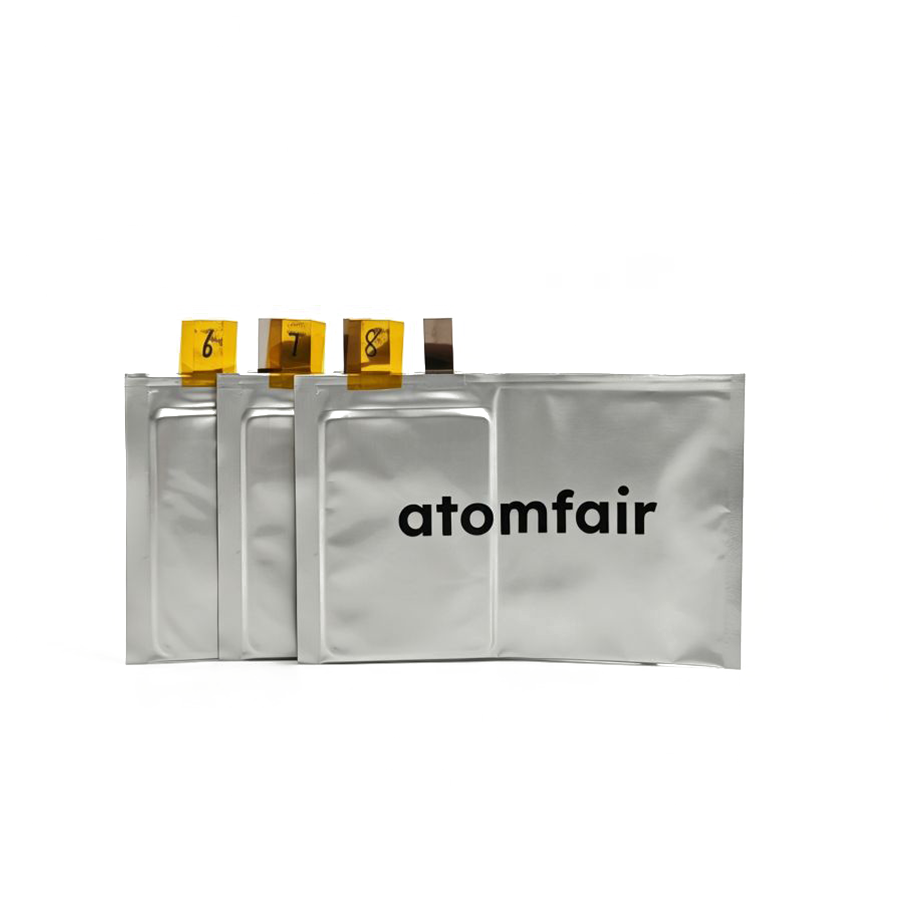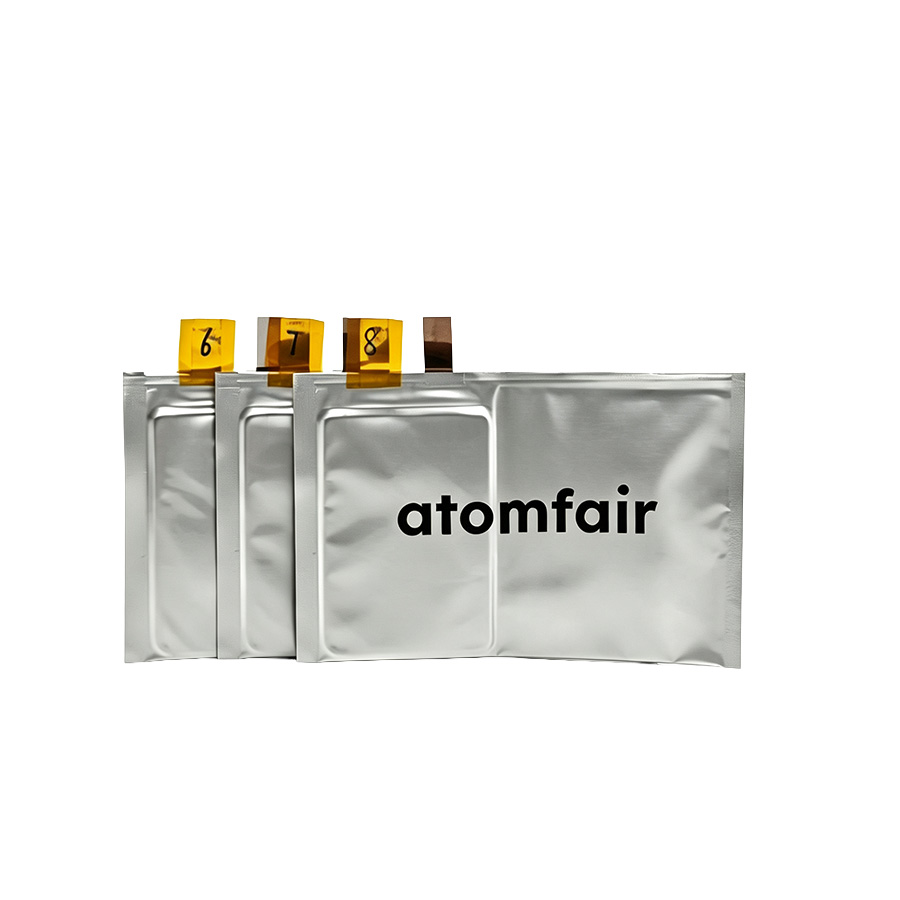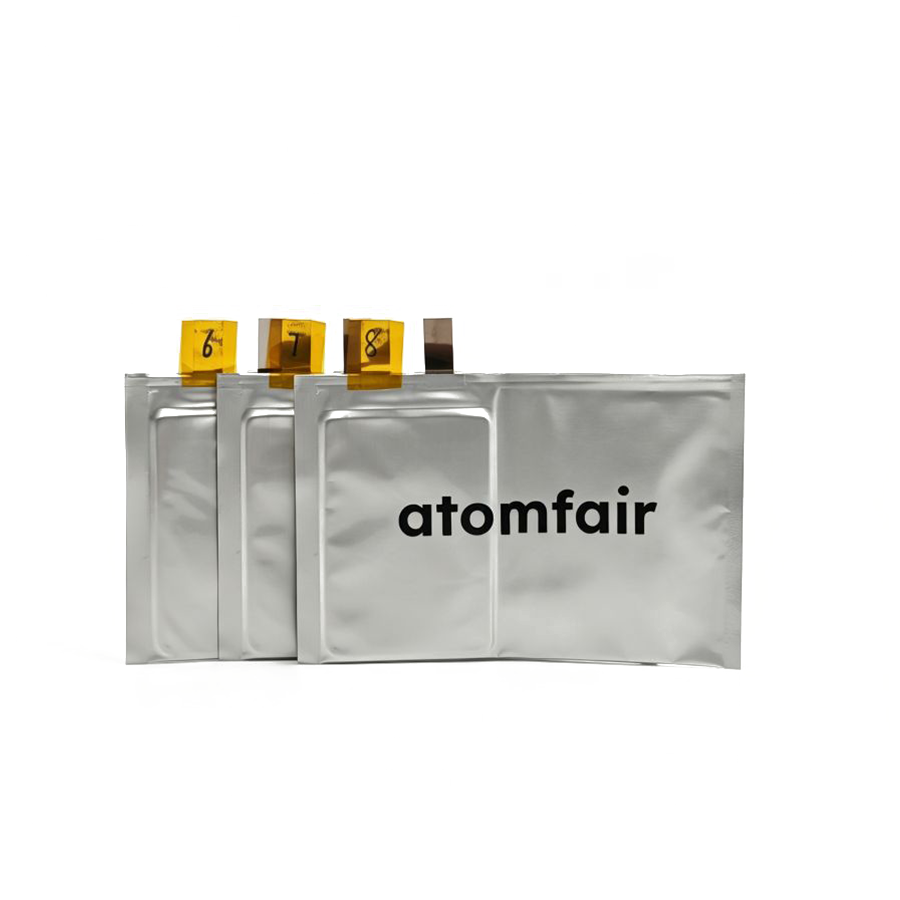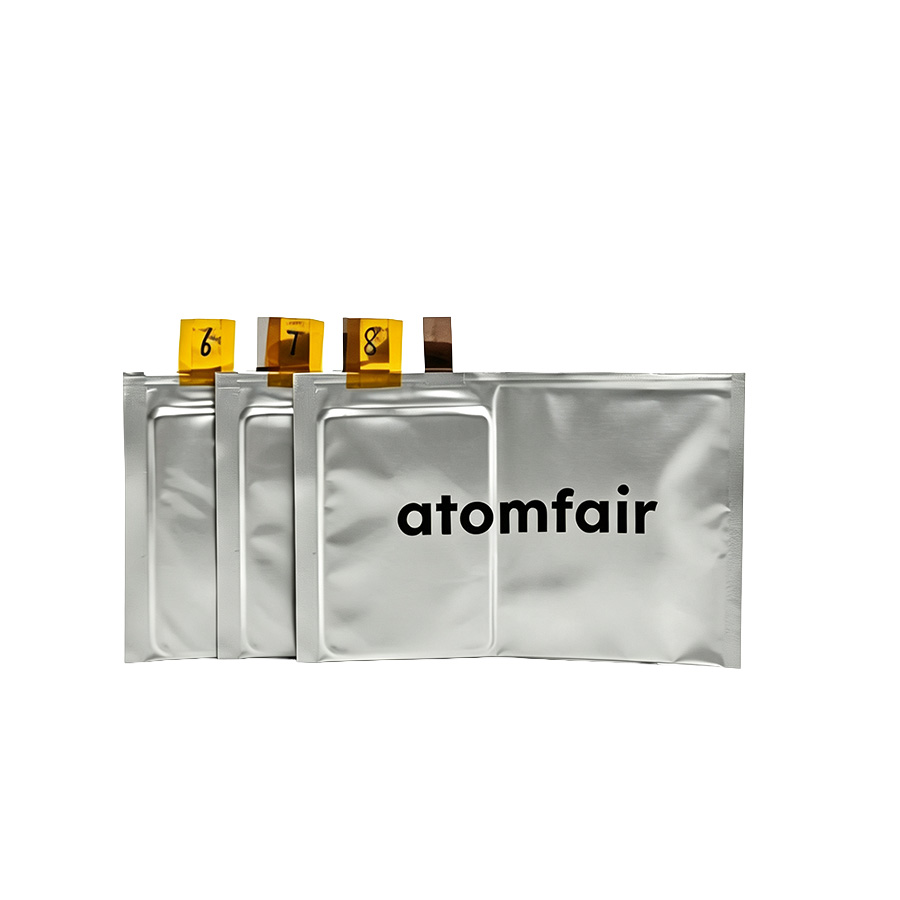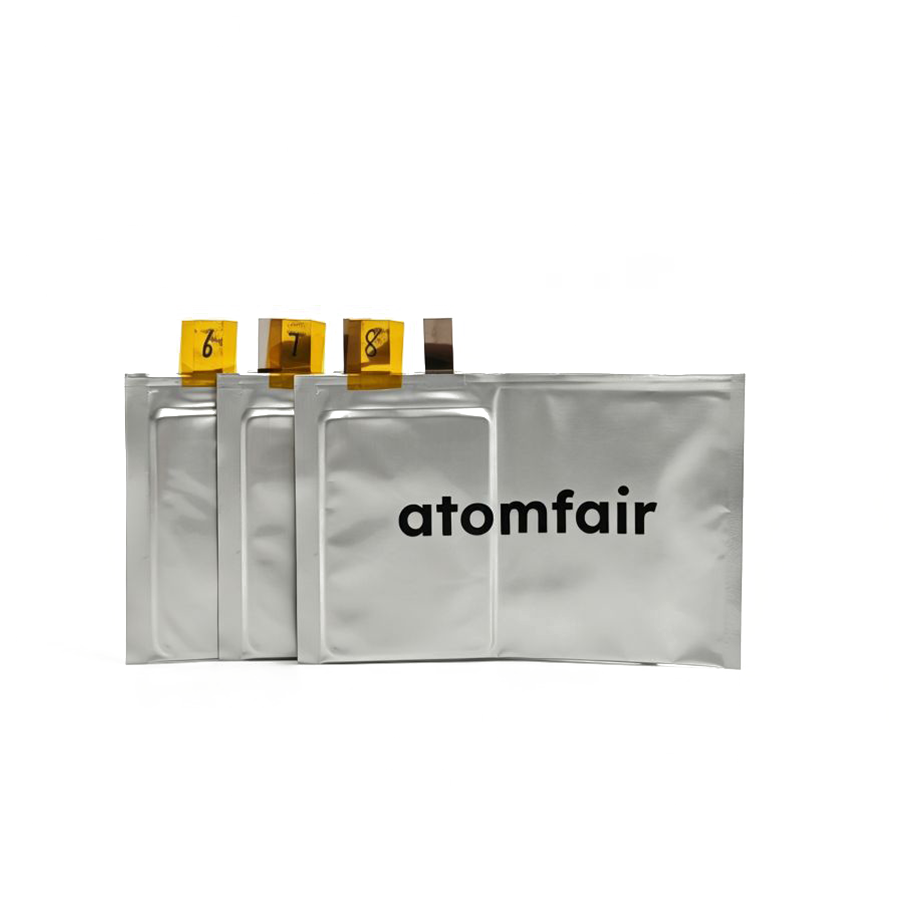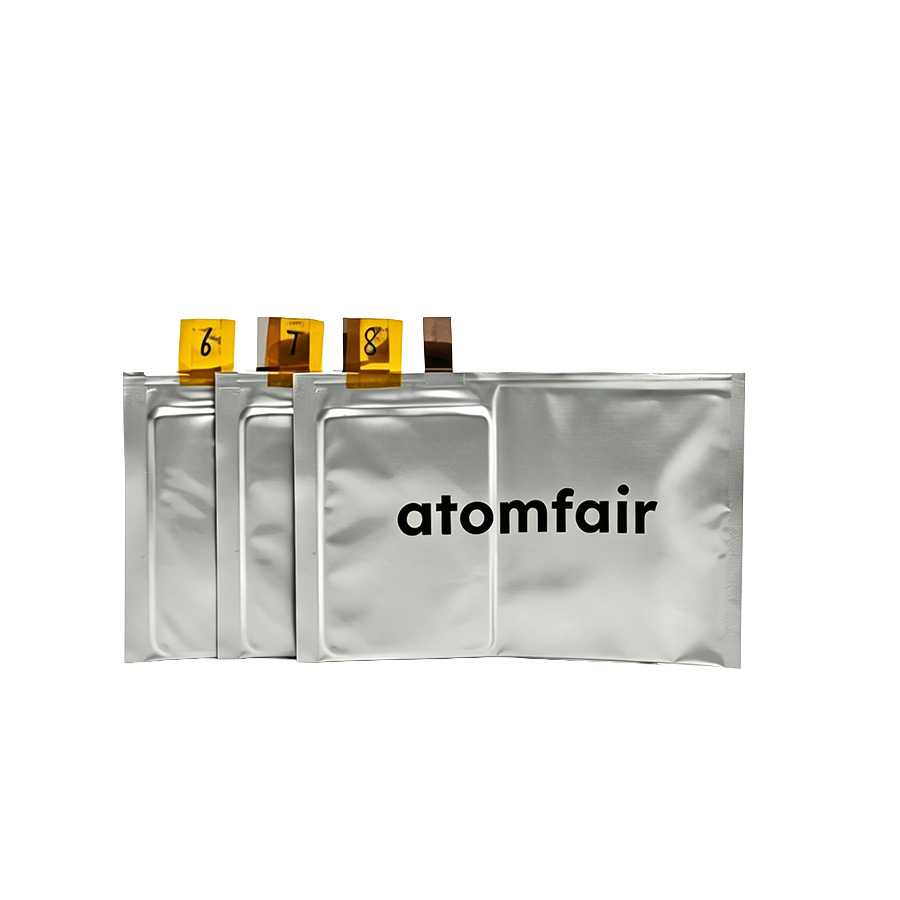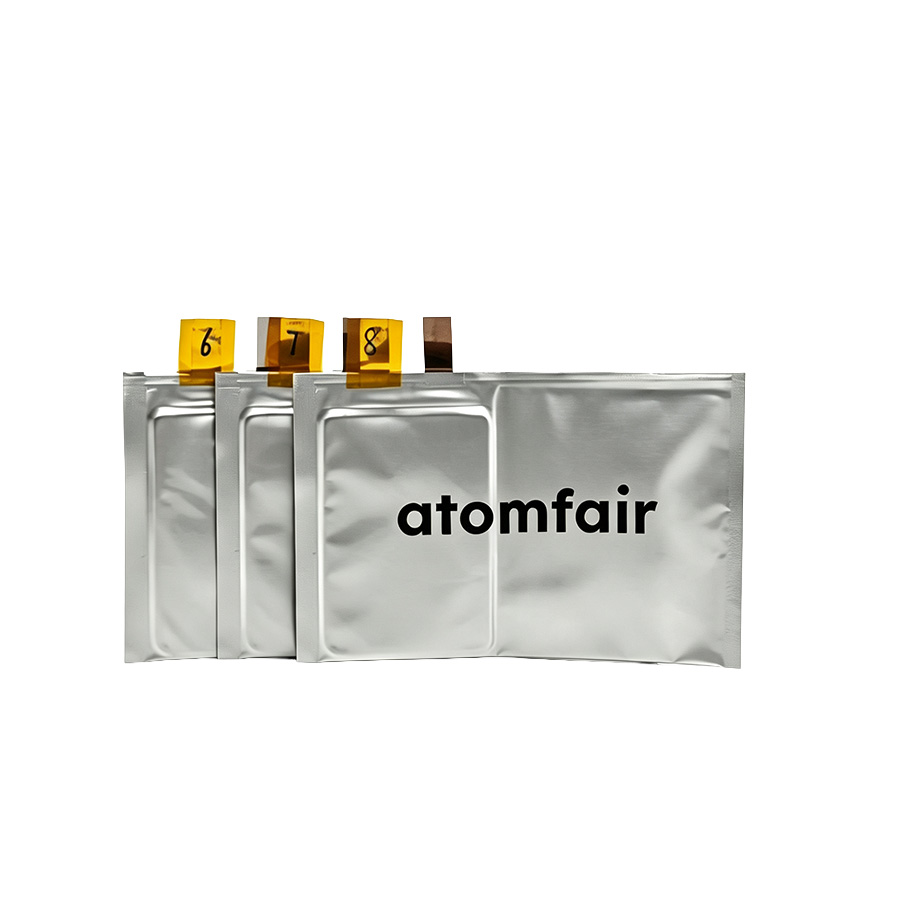
NFPP Sodium-Ion Dry Pouch Cell (1 Ah, 15/16 Layers) – Anode-Free, Carbon-Coated Aluminum FoilProduct Type: Research-grade dry pouch cell
Research-grade laboratory product
|
||||||||||||||||||||||||||||||||||||||||||||||||||||||||
|
||||||||||||||||||||||||||||||||||||||||||||||||||||||||
This unfilled dry pouch cell is supplied electrolyte-free and must be activated by electrolyte filling before any electrochemical evaluation. The cell is intended for researcher-controlled finishing, so all assembly and activation procedures determine final performance and safety.
- Electrolyte-free supply condition: The pouch is shipped without electrolyte, so researchers must perform all electrolyte dosing and wetting before electrical testing.
- Finishing control requirement: Researchers control the cell finishing conditions, meaning electrolyte selection and assembly environment will affect whether the dry core delivers usable capacity.
- Voltage window constraint: The stated 2.5 V to 3.6 V voltage window must be respected during activation and subsequent electrochemical evaluation.
- Separator wetting consideration: The 12 um PE plus 2 um ceramic separator should be evaluated for wetting and mechanical integrity with the chosen sodium-ion electrolyte.
- Electrolyte compatibility screening: Electrolyte systems intended for sodium-ion chemistry should be screened for compatibility with the NFPP cathode and Al/C anode architecture before full-cell activation.
How does the 100 mAh/g specific capacity of the NFPP cathode impact the expected energy density of this anode-free dry pouch cell?
The NFPP cathode delivers a specific capacity of 100 mAh/g at a compaction density of 1.8 g/cc with an 18 mg/cm2 coating areal density on a 45.5 x 64 mm footprint. Combined with the Al/C anode (46.5 x 65 mm) and a 15/16-layer stack, the dry cell provides 1 Ah nominal capacity. The actual energy density after electrolyte filling depends on the electrolyte formulation and activation conditions chosen by the researcher, as this cell is designed for electrolyte and formation studies.
What electrolyte systems are compatible with the NFPP cathode and Al/C anode architecture in this dry pouch cell?
This electrolyte-free dry pouch cell is intended for laboratory sodium-ion electrolyte studies. The NFPP cathode (95% active material) and Al/C anode architecture are compatible with standard sodium-ion electrolytes such as NaPF6 or NaClO4 in organic carbonate or ether solvents, provided the voltage window (2.5–3.6 V) is respected. Researchers should verify compatibility with their specific electrolyte chemistry during the filling and activation procedure.
What storage and handling precautions are required for this unfilled dry pouch cell before electrolyte activation?
Because the cell contains no electrolyte and the electrodes are moisture sensitive, store the dry pouch cell in an inert atmosphere (e.g., argon glovebox, <1 ppm O2/H2O) at room temperature. Avoid exposure to ambient air to prevent oxidation or hydration of the NFPP cathode and Al/C anode, as this would compromise subsequent electrolyte filling and electrochemical evaluation. The 12 µm PE + 2 µm ceramic coated separator provides some mechanical protection but does not replace controlled storage.
This 1 Ah NFPP dry pouch cell with a 15/16-layer stack and Al/C anode architecture provides a well-defined electrode platform with known loadings and compaction density for electrolyte screening and activation studies, but requires the researcher to complete cell filling and sealing under controlled conditions.
Positive
- Anode-free Al/C current collector architecture: The carbon-coated aluminum foil anode eliminates inactive copper foil weight and simplifies cell assembly, reducing non-active mass in the dry pouch stack.
- Specified electrode loadings and compaction density: The 18 mg/cm² coating areal density and 1.8 g/cc compaction density provide reproducible electrode architecture for comparative sodium-ion electrolyte and activation studies.
Trade-offs
- Requires electrolyte filling and final sealing: Delivered as a dry unfilled pouch cell; the researcher must perform electrolyte dosing, vacuum filling, and pouch sealing under inert atmosphere, adding process steps and sensitivity to ambient conditions.
- Pre-order specification confirmation needed: Capacity, layer count, electrode dimensions, coating parameters, and separator specification must be confirmed with the supplier before ordering, which may delay procurement of standardized configurations.
Every advanced material, component, equipment, and instrument in our catalog is backed by rigorous testing. We maintain strict internal quality management frameworks and align with CE conformity metrics to deliver transparent, reproducible performance data via our public open-science repository.
To request raw batch performance data, submit formal vendor registration paperwork, or execute a fast-turnaround R&D manufacturing loop, contact us at inquiry@atomfair.com.
Item is dispatched under the Atomfair Shipping & Delivery Framework (Free worldwide shipping on orders over $59 USD excl. heavy equipment). Return is governed by the Atomfair Return & Refund Policy (7-day technical return window).