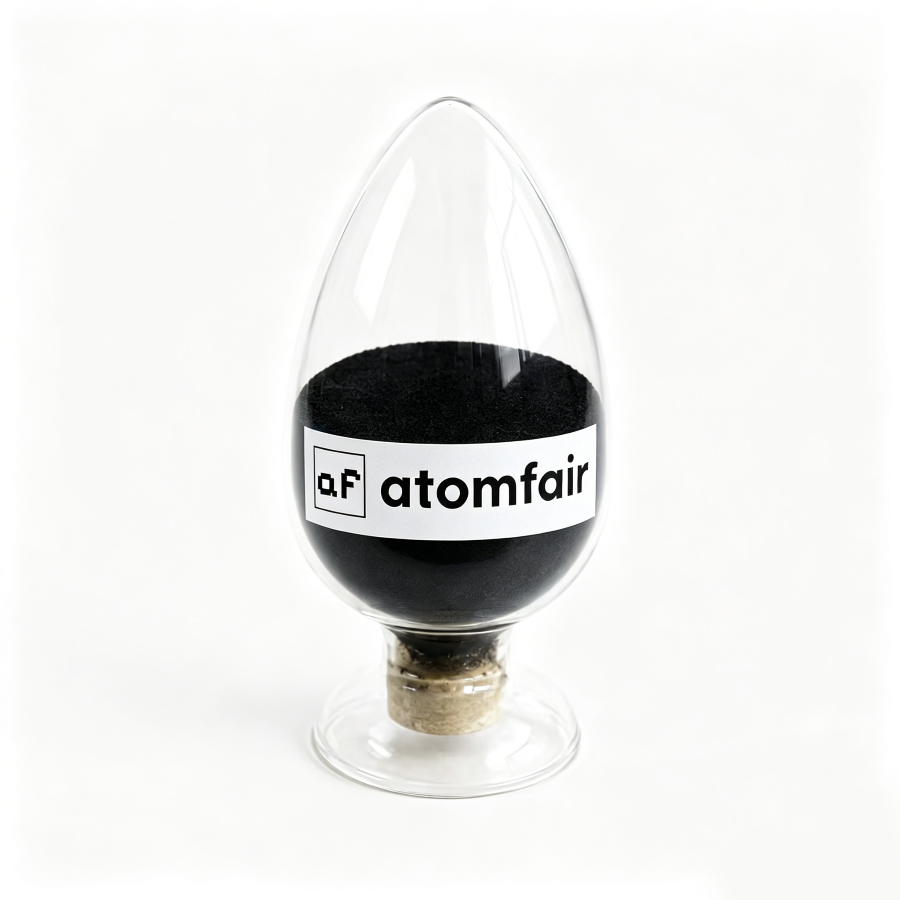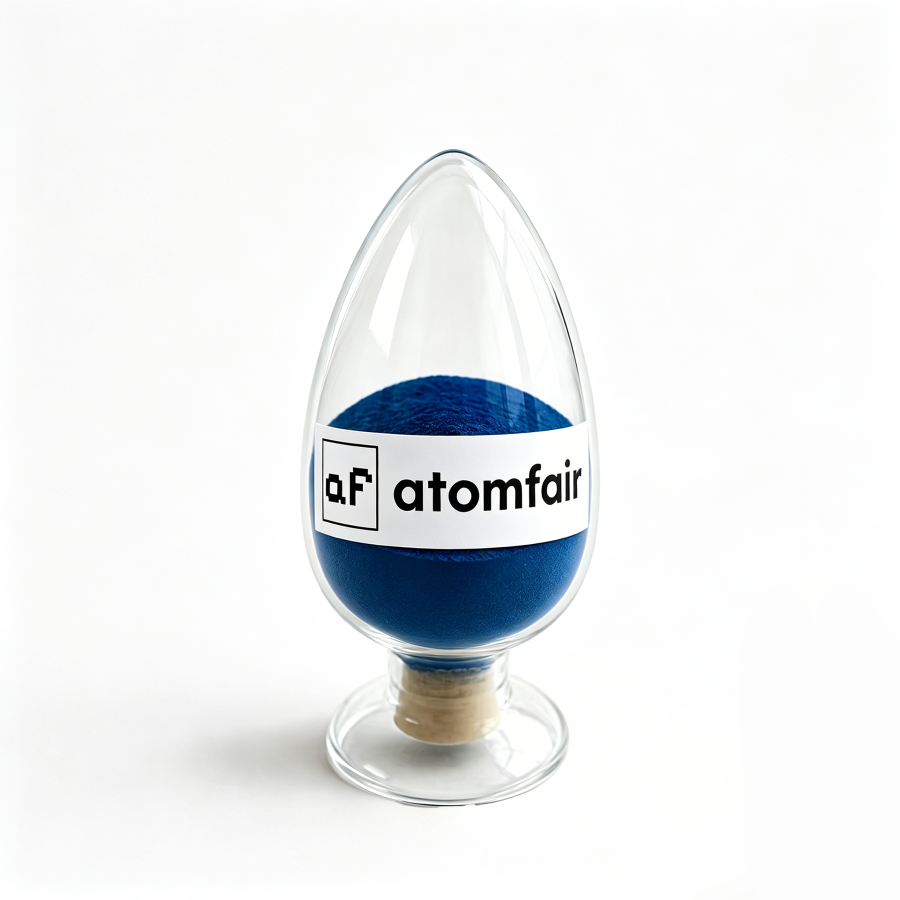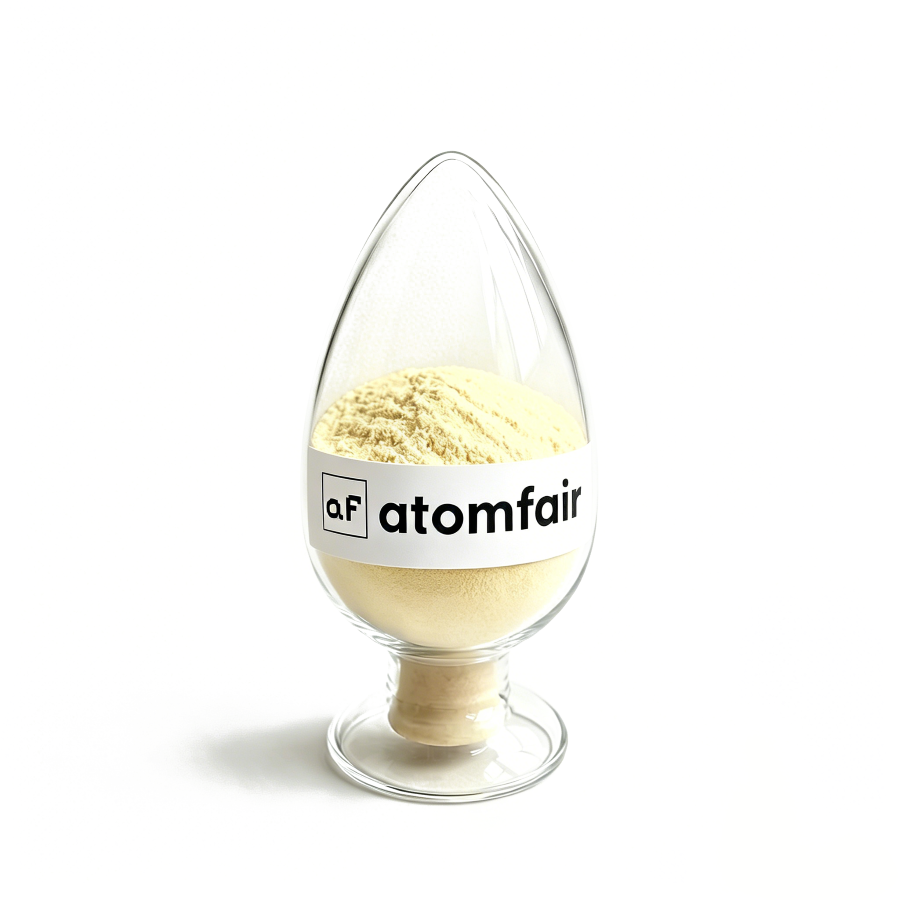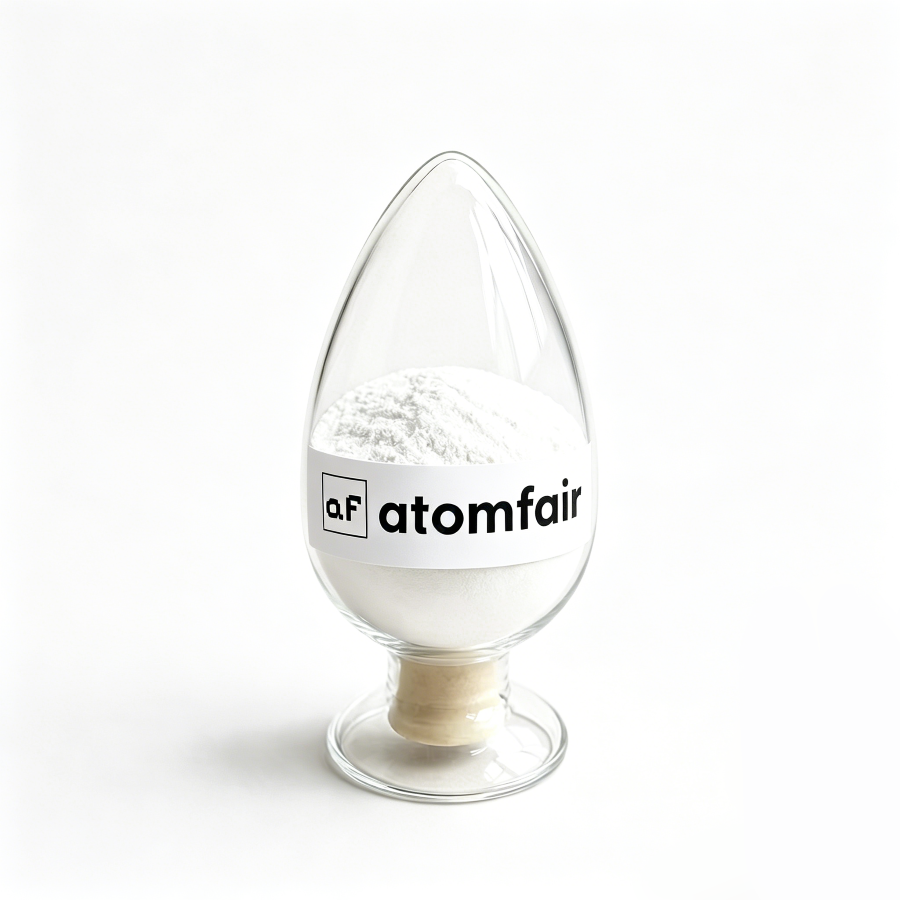
ATOMFAIR® NCM(OH)2 PRECURSOR POWDER BALANCED TERNARY GRADERESEARCH GRADE MATERIAL
|
|||||||||||||||||||||||||||||
|
|||||||||||||||||||||||||||||
|
ENHANCE YOUR CATHODE PERFORMANCE
Contact our engineering team for technical support, full characterization data, or custom volume quotations.
EMAIL: inquiry@atomfair.com
|
|||||||||||||||||||||||||||||
|
Manufacturer: Atomfair LLC
Brand: ATOMFAIR®
|
|||||||||||||||||||||||||||||
The precursor powder must be mixed with lithium salts and sintered under controlled conditions to yield high-performance cathode material. Particle morphology and purity levels directly influence the electrochemical characteristics of the final cathode.
- Lithium Salt Mixing: The precursor powder must be uniformly blended with lithium salts in stoichiometric proportions before sintering.
- Sintering Conditions: Consistent sintering parameters are required to achieve the desired crystal structure and electrochemical properties.
- Purity Requirements: Low impurity levels must be maintained to optimize first-cycle efficiency and extend cycle life of the final cathode material.
How does the Ni:Co:Mn 6:2:2 ratio in NCM 622 precursor optimize the trade-off between specific capacity and cycle stability in lithium-ion cathode materials?
The 6:2:2 ratio is strategically balanced to deliver enhanced specific capacity and high energy density while maintaining electrochemical stability through its uniform particle morphology and low impurity profile. This composition minimizes transition metal contaminants, improving first-cycle efficiency and extending service life. The ternary balance provides a practical compromise between energy density and longevity compared to higher-nickel stoichiometries.
For researchers exploring sodium-ion cathodes, what compatibility constraints apply when using NCM 622 hydroxide precursor in polyanionic cathode synthesis?
The NCM(OH)2 precursor is explicitly designated as suitable for polyanionic or layered sodium cathode synthesis testing, but its primary optimization is for lithium-ion NCM 622. Users must evaluate crystallographic phase formation and electrochemical performance in sodium systems, as the 6:2:2 ratio may not directly translate to optimal sodium storage properties. Uniform particle morphology aids in homogeneous precursor mixing, but sintering profiles and electrolyte compatibility require independent validation.
What are the critical infrastructure requirements for storing NCM 622 hydroxide precursor to prevent moisture-induced degradation and ensure batch reproducibility?
The precursor must be stored in moisture-proof, airtight sealed containers in a cool, dry environment away from direct sunlight to prevent hydrolysis or agglomeration of the hydroxide particles. Vacuum-sealed packaging is required during storage, and the material should be kept away from humidity sources. Standard personal protective equipment including gloves, goggles, and lab coat is mandatory during handling to avoid contamination and skin contact.
The NCM 622 precursor powder delivers a balanced 6:2:2 Ni:Co:Mn ratio optimized for high-energy-density cathode synthesis, with tightly controlled particle morphology and a low impurity profile to enhance first-cycle efficiency and cycle life, though it requires moisture-proof storage and mandatory PPE handling to maintain stability and safety.
Positive
- High Capacity and Energy Density: The 6:2:2 composition ratio is strategically balanced to provide enhanced specific capacity and high energy density for advanced battery prototypes.
- Uniform Particle Morphology: Strictly managed ultra-fine particle distribution ensures highly uniform mixing with lithium salts, leading to consistent sintering results and uniform cathode microstructure.
Trade-offs
- Moisture Sensitivity: Requires packaging in moisture-proof, airtight sealed containers and storage in a cool, dry place away from direct sunlight to prevent degradation and maintain shelf stability.
- Required Protective Handling: Mandatory use of appropriate PPE (gloves, goggles, lab coat) during handling due to the fine powder form and chemical nature; local regulations for disposal must be followed.
Every advanced material, component, equipment, and instrument in our catalog is backed by rigorous testing. We maintain strict internal quality management frameworks and align with CE conformity metrics to deliver transparent, reproducible performance data via our public open-science repository.
To request raw batch performance data, submit formal vendor registration paperwork, or execute a fast-turnaround R&D manufacturing loop, contact us at inquiry@atomfair.com.
Item is dispatched under the Atomfair Shipping & Delivery Framework (Free worldwide shipping on orders over $59 USD excl. heavy equipment). Return is governed by the Atomfair Return & Refund Policy (7-day technical return window).