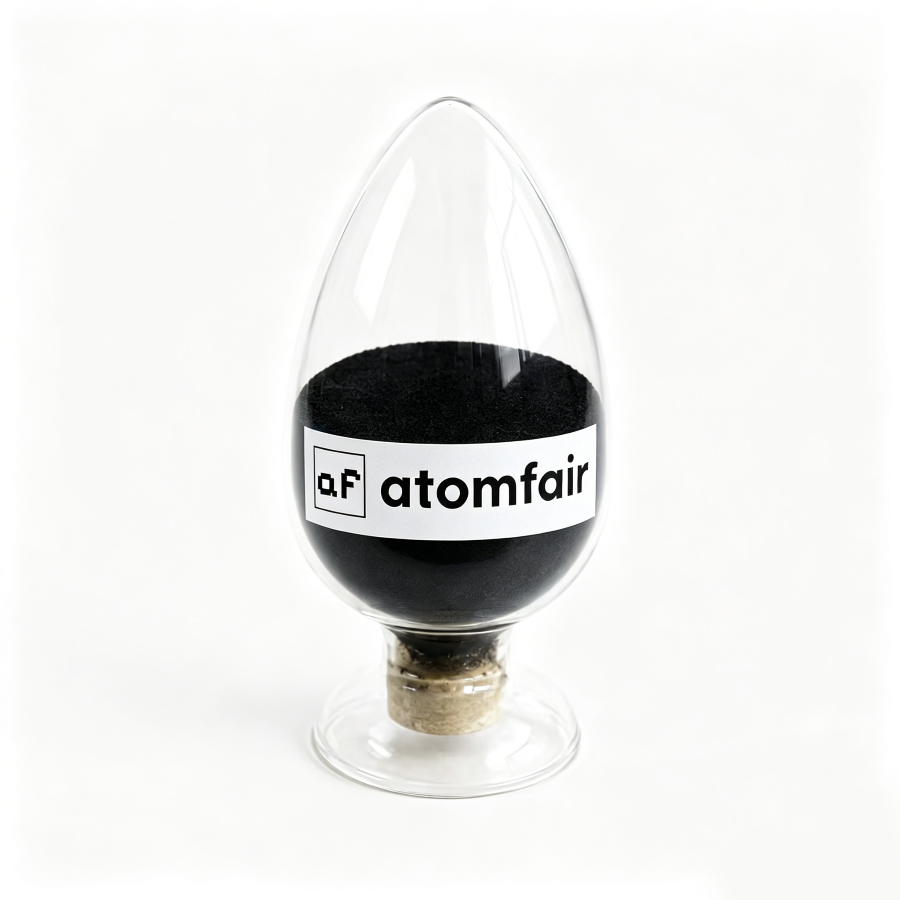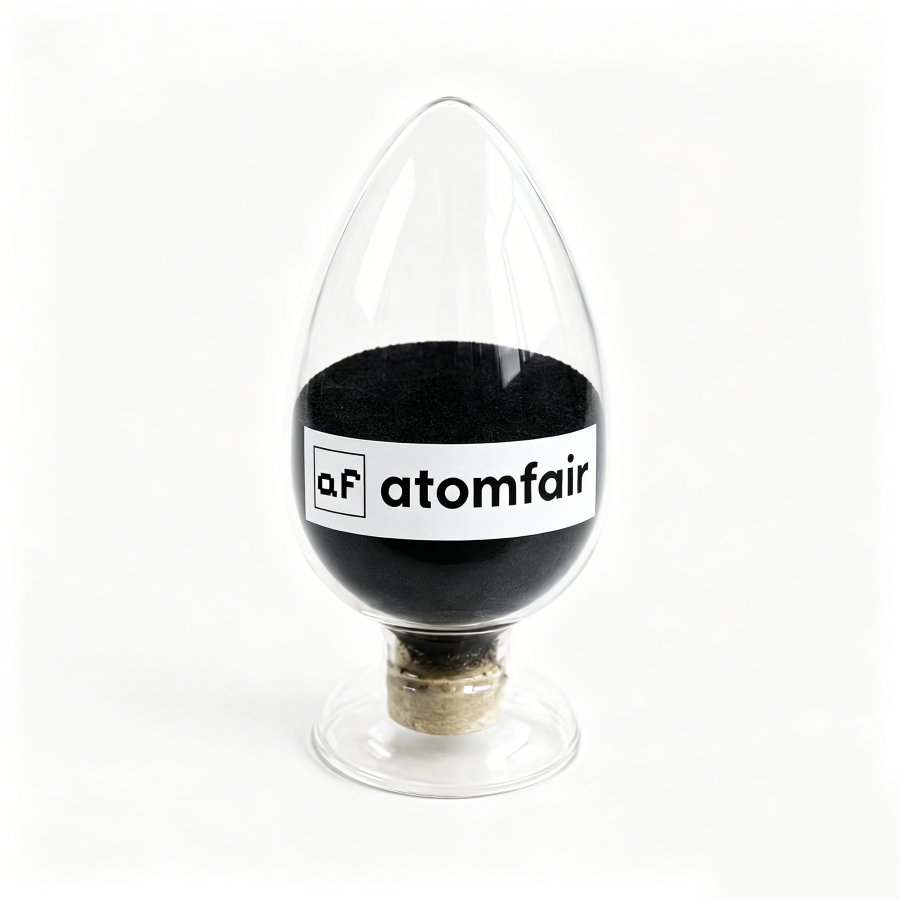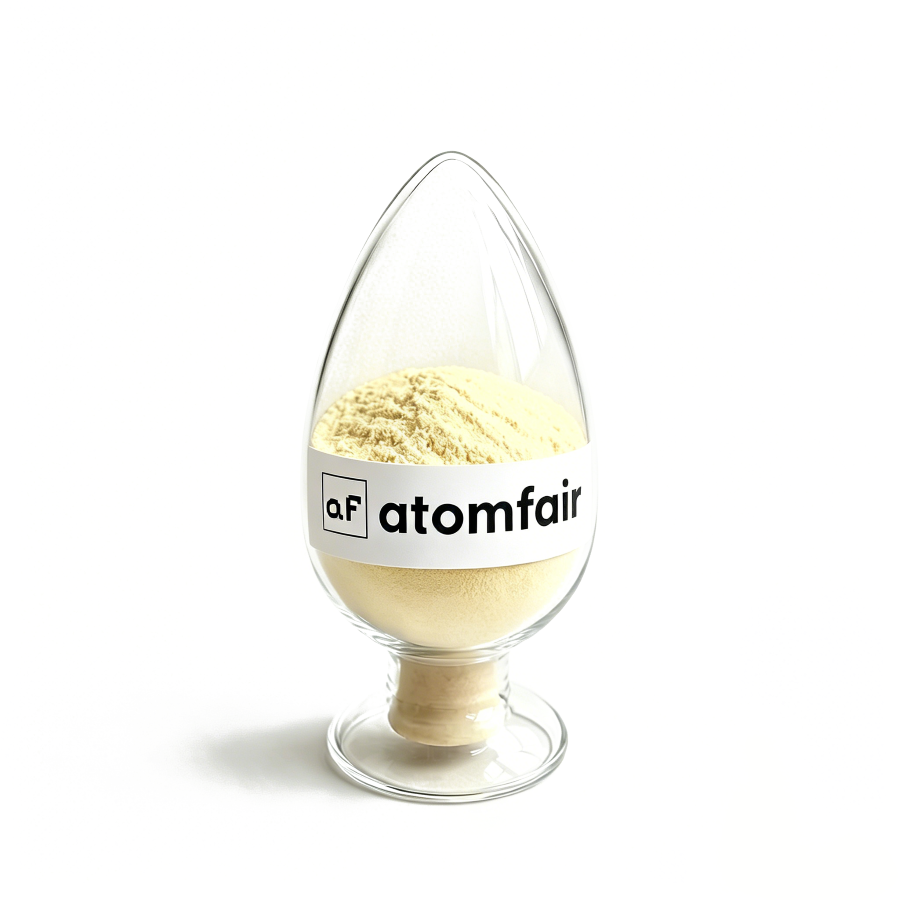
Lithium Ferrate LFO Pre-Lithiation 728mAh/g ATOMFAIR®

Price range: $500.00 through $1,100.00

Institutional Procurement & Supply Compliance: As a verified US supplier, Atomfair accepts formal institutional Purchase Orders (POs), contract billing schedules, and custom procurement loops for university and national laboratories, and corporate R&D departments globally.

Research-grade lithium-rich ferrate LFO pre-lithiation agent. Capacity 728.01 mAh/g, BET 0.79 m²/g, carbon 2.05 wt%. Water 140.16 ppm, pH 12.20. Order now.

SKU: AFLFO
Category:
Tags:
Brands:

Description

ATOMFAIR Lithium-Rich Ferrate Pre-Lithiation Agent

RESEARCH GRADE MATERIAL

Product Overview

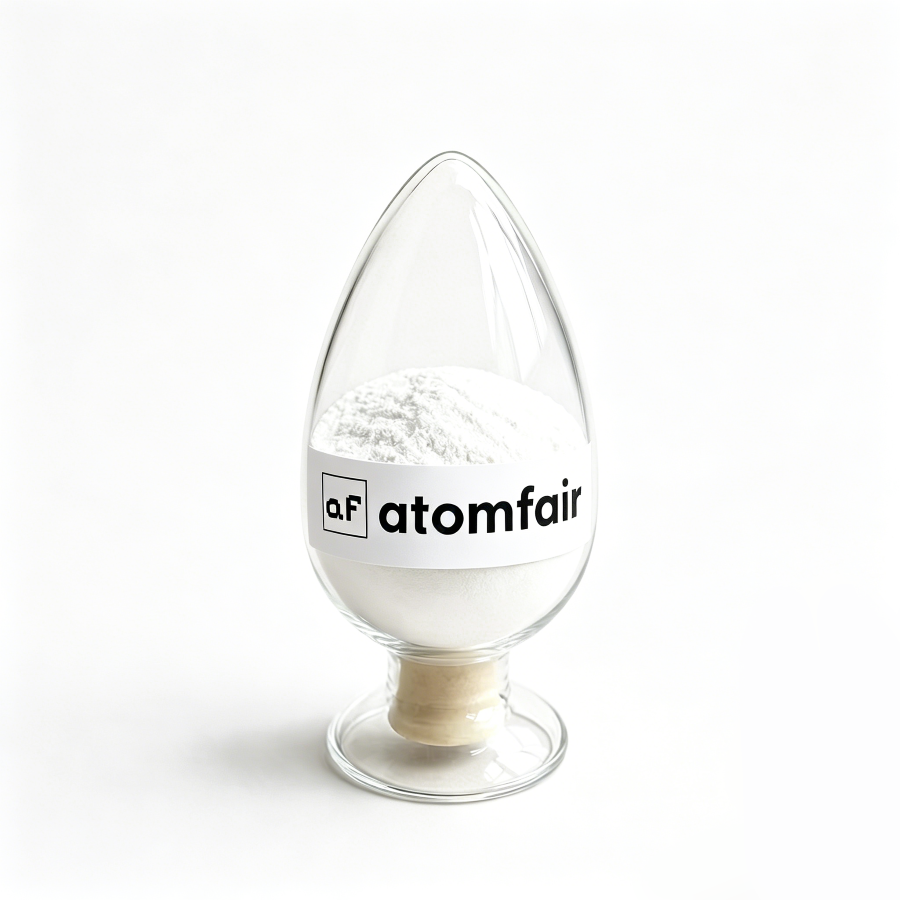
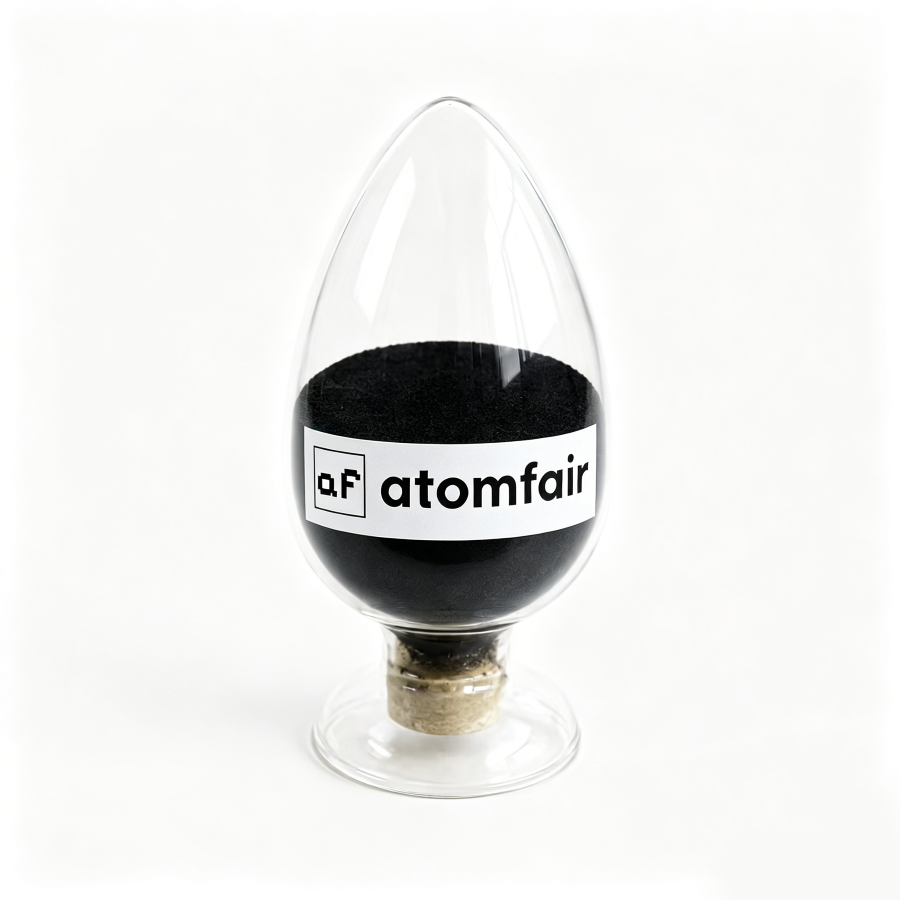
Engineered for advanced energy storage exploration, this premium lithium-rich ferrate cathode pre-lithiation additive serves as a high-fidelity benchmarking matrix for state-of-the-art electrochemical cells. Synthesized under an optimized microcrystalline layout, it delivers an extraordinary initial charging capacity profile of 728.01 mAh/g to securely compensate for irreversible lithium consumption across anode solid electrolyte interphase (SEI) frameworks. This material successfully drives variable elimination during critical prototyping validation. Secure optimal institutional lithium-rich ferrate powder price points for scaled research and high-performance development architectures.

Technical Specifications

PARAMETER DETAILS
1. Core Device & Electrochemical Design
Product Phase Form Factor Lithium-rich ferrate crystalline powder matrix
Specific Surface Area (BET) 0.79 m²/g (Standard Requirement: ≤ 1.0 m²/g)
Powder Resistivity 1.13 Ω·cm (Standard Requirement: ≤ 5.0 Ω·cm)
Total Carbon Content 2.05 wt% (Standard Requirement: 1.7–2.3 wt%)
Water Content (Karl Fischer) 140.16 ppm (Standard Requirement: ≤ 150 ppm)
pH Profile 12.20 (Standard Requirement: 11.9–12.9)
2. Cathode (Positive Electrode) Parameters
0.05C First Charge Specific Capacity 728.01 mAh/g (Standard Requirement: ≥ 700.00 mAh/g | 2.5V–4.4V)
0.05C First Discharge Specific Capacity 51.2 mAh/g (Standard Requirement: ≤ 100 mAh/g | 2.5V–4.4V)
3. Anode (Negative Electrode) Parameters
Testing Counter Configuration Coin-cell half-cell parameter tracing vs. Pure Lithium Foils
4. Separator & Physical Package Metrics
Particle Size Distribution D10 3.92 μm (Standard Requirement: 3.5–5.5 μm)
Particle Size Distribution D50 9.36 μm (Standard Requirement: 7.5–10.5 μm)
Particle Size Distribution D90 17.52 μm (Standard Requirement: ≤ 19 μm)
Core Transition Metal Content Fe: 32.13 wt% (Standard Requirement: 31–34 wt%)
Alkali Metal Active Content Li: 20.77 wt% (Standard Requirement: 19.5–22.5 wt%)
Transitional Metal Molar Ratio (M) 0.80 mol (Standard Requirement: 0.6–1.0 mol)
Trace Elemental profile (ICP-OES) Na+K: 43.31 ppm | Cr: 4.51 ppm | Cu: 4.01 ppm | Zn: 18.24 ppm | Ti: 6.54 ppm | Mg: 12.78 ppm | Ca: 91.03 ppm
Manufacturing Rules Processed under strict RoHS compliant standard conditions
Alternative Options Explore our related catalog or custom dimensions. For urgent technical custom requests or bulk inquiries, please contact our support team.


Key Features & Advantages

  • Elite Irreversible Capacity Compensation: Delivers an extraordinary initial charging capacity of 728.01 mAh/g combined with a minimal discharge profiles (51.2 mAh/g), maximizing active lithium injection metrics.
  • Excellent Powder Packing Conductance: Tailored particle grading framework (D50: 9.36 μm) coupled with low intrinsic powder resistance (1.13 Ω·cm) yields pristine electronic integration across cathode slurry structures.
  • Rigid Elemental Quality Boundaries: Strict analytical limits eliminate airborne trace metallic contaminants down to absolute trace tiers, preventing localized cell leakage behaviors.

APPLICATION SCOPE: High-capacity cathode pre-lithiation structural adaptation, active lithium-deficient compensation, half-cell baseline validation, and state-of-the-art cell engineering optimization setups.
PACKAGING: Hermetically packaged under protective settings within airtight structural containers to enforce optimal phase preservation.
IMPORTANT NOTICE: Advanced lithium-rich structural materials exhibit intense chemical affinity to atmospheric room humidity. Keep all packaging completely sealed and operate exclusively inside dry, anhydrous inert-gas glovebox platforms to suppress phase modification or moisture degradation before validation thermal processing.

Frequently Asked Technical Questions

Why is ATOMFAIR Lithium-Rich Ferrate preferred as a cathode pre-lithiation additive for lithium battery R&D?

ATOMFAIR Lithium-Rich Ferrate: 728 mAh/g Cathode Pre-Lithiation Agent functions as a premier solution for high-capacity battery engineering. It delivers an ultra-high initial irreversible charging capacity reaching 728.01 mAh/g, significantly boosting performance metrics and phase purity during laboratory testing workflows.

How to prevent cathode pre-lithiation agent moisture degradation?

To successfully solve how to prevent cathode pre-lithiation agent moisture degradation without secondary contamination, this material must be handled strictly according to inert gas glovebox storage protocols before thermal processing.

What operational stability advantages does the engineered molar profile of this LFO pre-lithiation agent provide?

Compared to standard alternatives, the optimized matrix of this product incorporates a tightly regulated transitional metal molar layout (M $approx$ 0.80). This unique architecture dramatically enhances structural resistance against premature decomposition, preserving long-term validation integrity.

What material processing benefits does the particle size distribution of this LFO powder offer?

Boasting engineered particle structuring (D50: 9.36 μm) and low powder resistivity (1.13 Ω·cm), this product offers superior sinterability. The controlled form factor facilitates lower thermal processing thresholds and promotes ideal grain boundary integration during cell fabrication.

How is the phase purity and quality control of this research-grade batch validated?

Every competitive batch undergoes rigid analytical quality validation testing. Total elemental and metallic impurities are strictly regulated below strict industry thresholds to eliminate parasitic electronic leakage and maintain uncompromised data reproducibility.

TAILORED SOLUTIONS FOR RESEARCH
Contact our engineering team for technical support or official institutional quotations.
EMAIL: inquiry@atomfair.com

Manufacturer: Atomfair LLC
Brand: ATOMFAIR®

This material exhibits high pH (12.2) and low water content (≤150 ppm) requiring moisture-free storage to prevent degradation. Exposure to ambient air may cause rapid moisture uptake compromising electrochemical performance and creating alkaline residues.

  • Moisture Sensitivity: Store under inert atmosphere (argon or nitrogen) with dew point below -60°C to maintain water content below 150 ppm.
  • Alkaline Nature: Avoid contact with skin and eyes due to pH 12.2; use appropriate PPE including nitrile gloves and safety goggles.
  • Containment Integrity: Keep container tightly sealed when not in use; use in glovebox with oxygen and moisture sensors.
  • Temperature Stability: Material is stable at room temperature; avoid prolonged exposure above 40°C to prevent thermal decomposition.
  • Handling Protocol: Weigh and transfer only in controlled environment to prevent static charge accumulation and powder dispersion.

This procedure outlines the controlled handling of the powder to maintain its integrity for use as a cathode pre-lithiation additive. All steps must be performed in an argon-filled glovebox with H2O and O2 levels below 0.1 ppm.

Required Equipment: Argon-filled glovebox, Analytical balance, Pre-dried glass vial, Sealable container

  1. Inspect Container
    Inspect the sealed container for damage before introducing it into the glovebox.
  2. Transfer Powder
    Open the container only inside the glovebox and transfer the powder to a pre-dried glass vial.
  3. Weigh Material
    Weigh the required amount of powder using an analytical balance and return the remainder to the sealed container.
  4. Store Residual Material
    Remove the container from the glovebox and store it in a dry, inert environment at room temperature.

Why does this lithium-rich ferrate pre-lithiation agent deliver a first charge capacity of 728 mAh/g but only 51 mAh/g on discharge?

This asymmetry is intentional for pre-lithiation. The 728.01 mAh/g first charge capacity (≥700 mAh/g standard, 2.5V–4.4V) provides excess lithium to compensate for anode SEI formation, while the 51.2 mAh/g discharge capacity (≤100 mAh/g standard) confirms minimal reversible capacity, ensuring it acts as a sacrificial lithium source rather than a cathode active material.

How does the particle size distribution of this lithium-rich ferrate powder affect its integration into cathode coatings?

The D50 of 9.36 μm (standard 7.5–10.5 μm) and D90 of 17.52 μm (≤19 μm) ensure uniform dispersion within the cathode slurry without causing coating defects from oversized particles. The D10 of 3.92 μm (standard 3.5–5.5 μm) provides sufficient fine particles for effective mixing with active cathode materials, achieving consistent electrode porosity and lithium delivery.

What are the critical storage and handling requirements for this lithium-rich ferrate pre-lithiation powder to maintain its performance?

To preserve the water content below the 150 ppm specification, the powder must be stored in a dry, inert atmosphere such as an argon-filled glovebox. The high pH of 12.20 and trace metal content (e.g., Ca 91.03 ppm, Na+K 43.31 ppm) necessitate the use of corrosion-resistant containers and protective equipment to avoid contamination and ensure safety during handling.

This lithium-rich ferrate powder is engineered as a pre-lithiation additive for compensating irreversible lithium loss during SEI formation, delivering an initial charge capacity of 728.01 mAh/g. Its tightly controlled particle size and low specific surface area make it suitable for reproducible half-cell benchmarking, but its high alkalinity (pH 12.20) and low discharge capacity (51.2 mAh/g) require careful handling and restrict its role to sacrificial anode compensation rather than active cycling.

Positive

  • High initial charging capacity: Delivers 728.01 mAh/g at 0.05C (2.5V-4.4V), exceeding the ≥700 mAh/g standard, enabling effective compensation for irreversible lithium consumption during SEI formation.
  • Controlled, research-grade powder properties: Tightly specified particle size (D50 9.36 μm), low specific surface area (0.79 m²/g), and low resistivity (1.13 Ω·cm) ensure consistent slurry processing and electrochemical benchmarking.

Trade-offs

  • Highly alkaline powder (pH 12.20): The strongly basic nature demands moisture-free handling and storage; exposure to ambient air can degrade performance and cause corrosion of equipment.
  • Low reversible discharge capacity: First discharge capacity is only 51.2 mAh/g (≤100 mAh/g standard), confirming this material is a sacrificial pre-lithiation additive, not a reversible cathode active material.

Every advanced material, component, equipment, and instrument in our catalog is backed by rigorous testing. We maintain strict internal quality management frameworks and align with CE conformity metrics to deliver transparent, reproducible performance data via our public open-science repository.

To request raw batch performance data, submit formal vendor registration paperwork, or execute a fast-turnaround R&D manufacturing loop, contact us at inquiry@atomfair.com.

Item is dispatched under the Atomfair Shipping & Delivery Framework (Free worldwide shipping on orders over $59 USD). Return is governed by the Atomfair Return & Refund Policy (7-day technical return window for completely unopened items).

Additional information

Weight

200g, 1000g