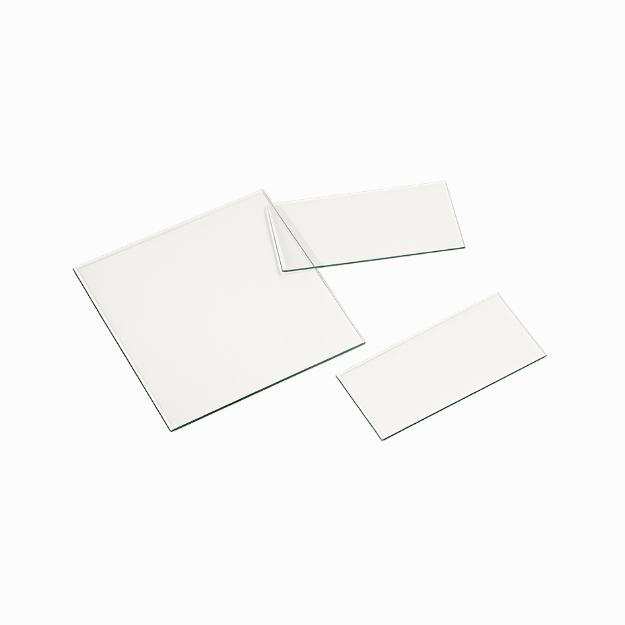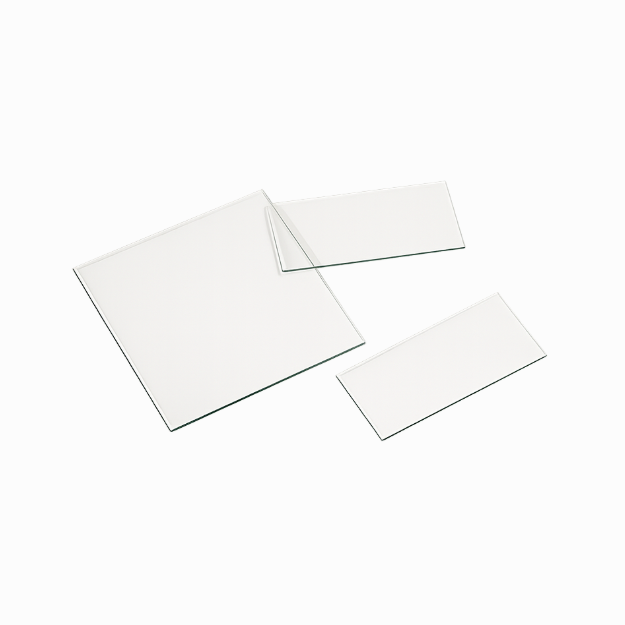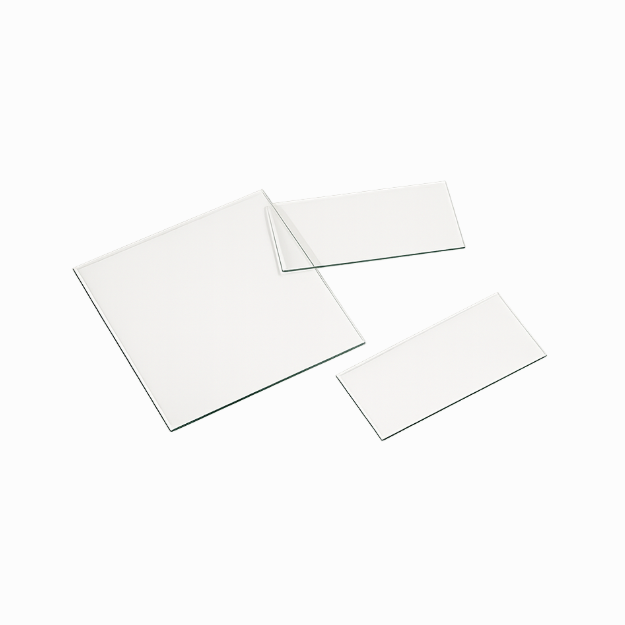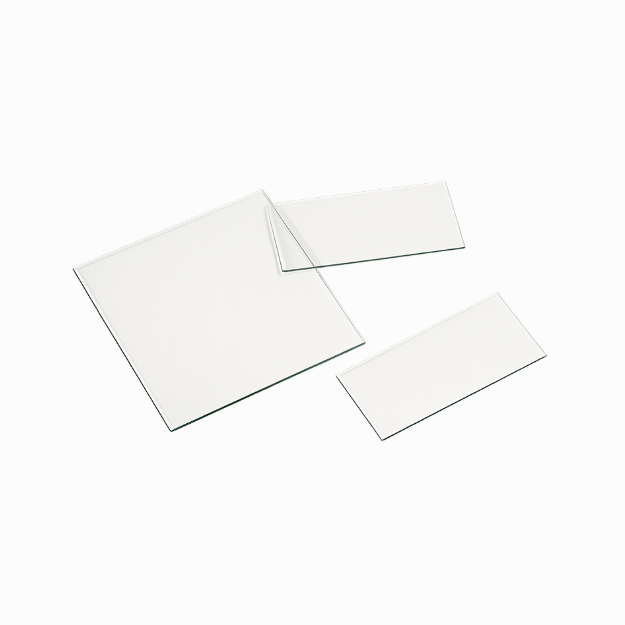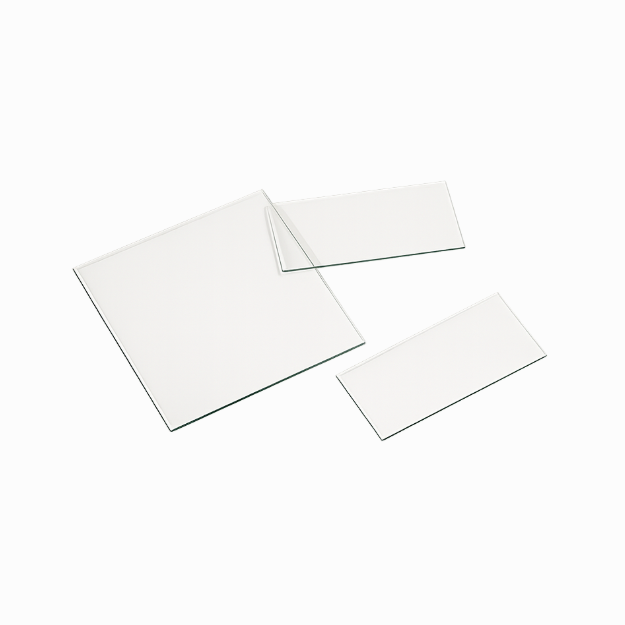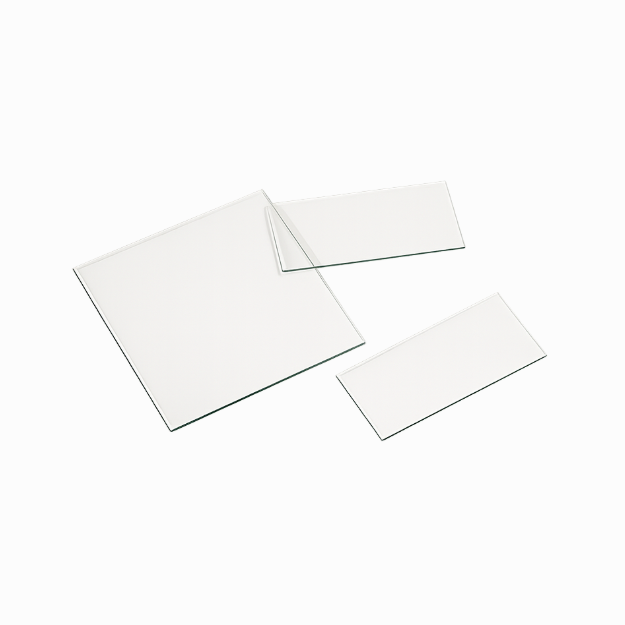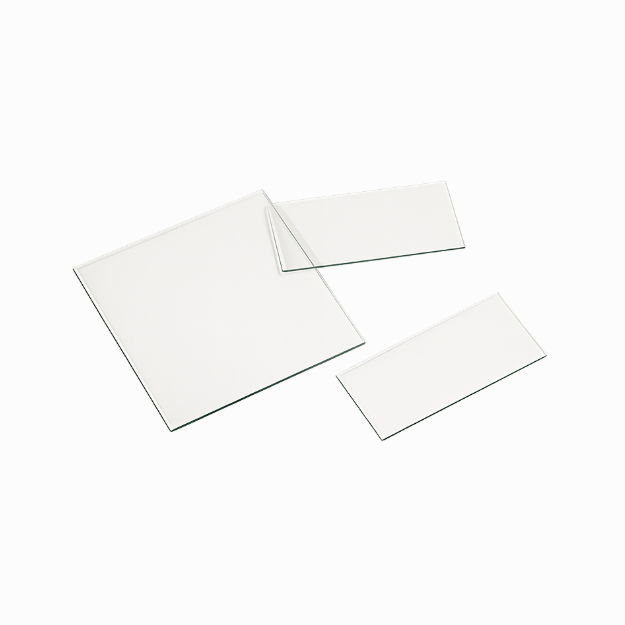
FTO CONDUCTIVE GLASS 10 OHM 3.2MM SNO₂:F 600°C 100 PCSRESEARCH GRADE MATERIAL
|
|||||||||||||||||||||||||||||||||||||||||||
|
|||||||||||||||||||||||||||||||||||||||||||
|
TAILORED SOLUTIONS FOR RESEARCH
Contact our engineering team for technical support or official quotations.
EMAIL: inquiry@atomfair.com
|
|||||||||||||||||||||||||||||||||||||||||||
|
Manufacturer: Atomfair LLC
Brand: ATOMFAIR®
|
FTO substrates require careful handling to avoid coating damage and maintain electrical performance. Environmental controls are necessary to prevent degradation of sheet resistance and optical transmittance over time.
- Conductive Surface Identification: The blue film-laminated side indicates the conductive surface and must be verified before use.
- Handling Protocol: Handle FTO substrates by the four edges only to avoid touching the conductive coated surface.
- Storage Conditions: Maintain ambient humidity below 65% in a dry, shaded location away from direct sunlight for long-term storage.
- Impact Avoidance: Avoid impact with hard tooling or equipment surfaces to prevent substrate fracture or coating delamination.
- Post-Sintering Flatness Consideration: Post-sintering surface flatness values (3.375 μm / 11.225 μm) should be considered in device architectures requiring precise layer thickness control.
Follow these steps to safely handle and store FTO substrates without damaging the conductive coating. Proper procedures ensure consistent performance in high-temperature and acidic electrolyte applications.
Required Equipment:
- Verify Conductive Surface Orientation
Confirm which side has the blue film lamination to identify the conductive surface before handling. - Grip Substrate by Edges
Hold the FTO substrate only by the four edges and avoid any contact with the coated surface. - Store in Controlled Environment
Place the substrate in a dry, shaded location with ambient humidity below 65% and away from direct sunlight. - Avoid Impact During Handling
Handle the substrate gently and prevent impact with hard tooling or equipment surfaces. - Consider Post-Sintering Flatness
Account for post-sintering surface flatness of 3.375 μm / 11.225 μm in device design when layer thickness uniformity is critical.
What is the maximum operating temperature of this FTO conductive glass and why is it preferred over ITO for high-temperature sintering processes?
This FTO glass withstands operating temperatures up to 600°C, whereas ITO degrades above 300°C. The SnO₂:F coating remains stable at these temperatures, making it the preferred transparent electrode for high-temperature sintering of mesoporous TiO₂ layers in dye-sensitized solar cell fabrication and other thermal catalytic experiments.
Can this FTO substrate be used in acidic electrolyte environments for photoelectrochemical experiments?
Yes. The fluorine-doped tin oxide coating exhibits outstanding room-temperature acid corrosion resistance, making it suitable for photoelectrochemical experiments involving acidic electrolytes that would etch ITO coatings. This chemical stability is a key advantage over ITO for such applications.
How should the conductive side of the FTO glass be identified and what handling precautions are recommended?
The conductive surface is identified by the blue film-laminated side. Handle substrates only by the four edges to avoid touching the coated surface. For long-term storage, maintain ambient humidity below 65% in a dry, shaded location away from direct sunlight to prevent degradation of sheet resistance and optical transmittance.
This FTO conductive glass (10 Ω/sq, 350 nm SnO₂:F on 3.2 mm glass) offers 600°C thermal stability and acid resistance, making it suitable for high-temperature DSSC fabrication and photoelectrochemical experiments. Available in multiple sizes with CNC custom processing.
Positive
- 600°C High-Temperature Stability: The SnO₂:F coating remains stable up to 600°C, enabling high-temperature sintering of mesoporous TiO₂ layers in dye-sensitized solar cell fabrication and thermal catalytic experiments where ITO would degrade above 300°C.
- Superior Acid and Chemical Resistance: Fluorine-doped tin oxide exhibits outstanding room-temperature resistance to acid corrosion, making it the preferred substrate for photoelectrochemical experiments involving acidic electrolytes that would etch ITO coatings.
Trade-offs
- Handling and Storage Sensitivity: Substrates must be handled by edges only to avoid coating damage; long-term storage requires ambient humidity below 65% in a dry, shaded location to prevent degradation of sheet resistance and optical transmittance.
- Post-Sintering Surface Flatness Variation: Surface flatness increases from 1.225/9.287 μm pre-sinter to 3.375/11.225 μm post-sinter, which must be accounted for in device architectures requiring precise layer thickness control.
Every advanced material, component, equipment, and instrument in our catalog is backed by rigorous testing. We maintain strict internal quality management frameworks and align with CE conformity metrics to deliver transparent, reproducible performance data via our public open-science repository.
To request raw batch performance data, submit formal vendor registration paperwork, or execute a fast-turnaround R&D manufacturing loop, contact us at inquiry@atomfair.com.
Item is dispatched under the Atomfair Shipping & Delivery Framework (Free worldwide shipping on orders over $59 USD excl. heavy equipment). Return is governed by the Atomfair Return & Refund Policy (7-day technical return window).