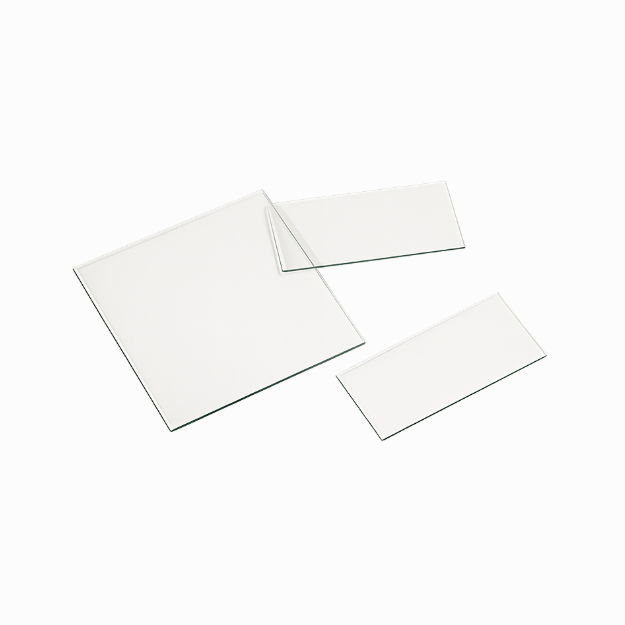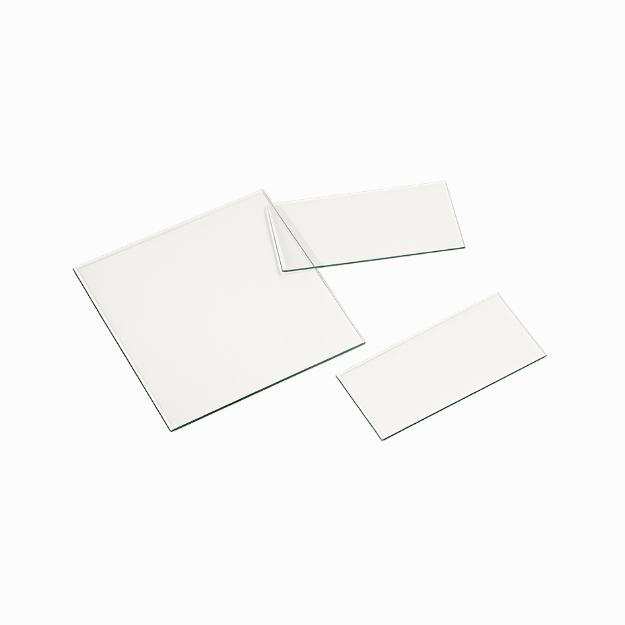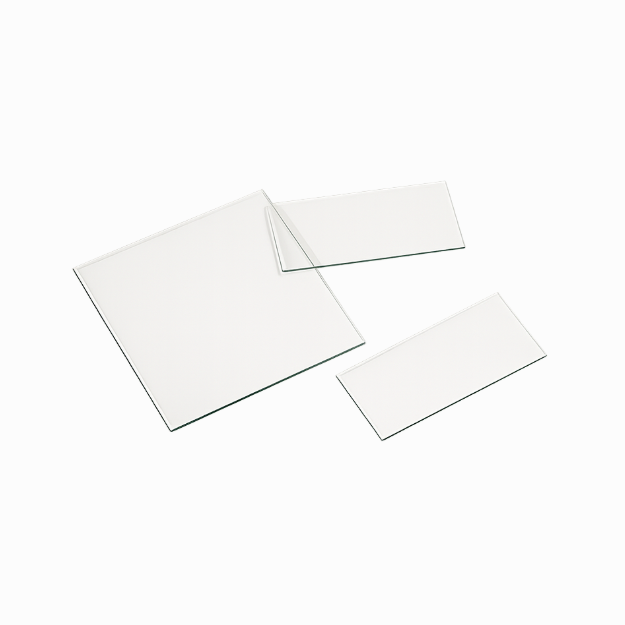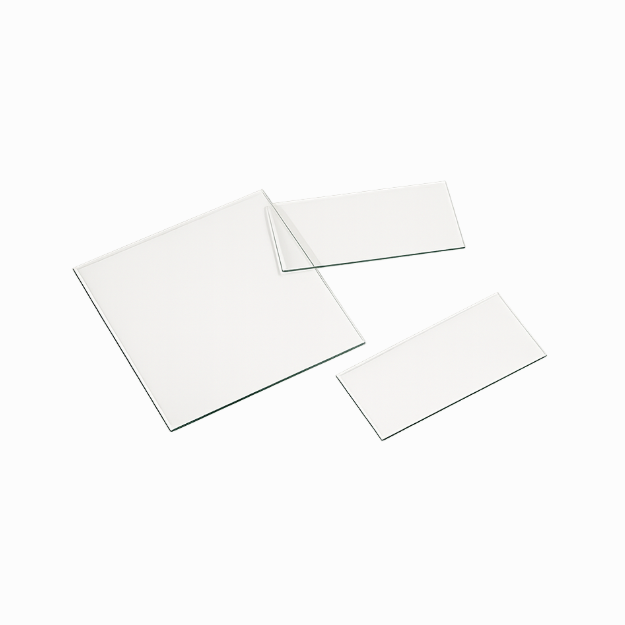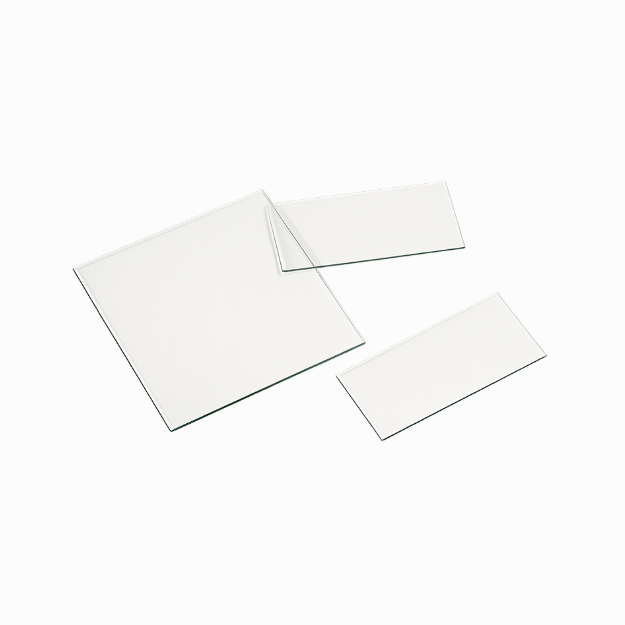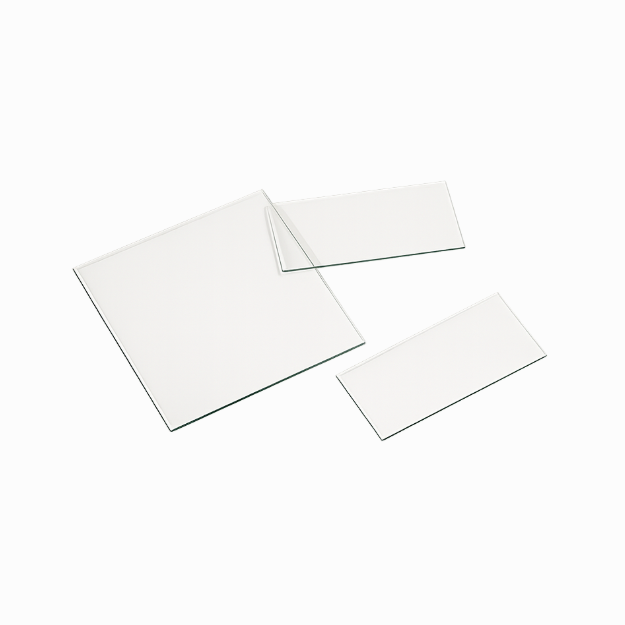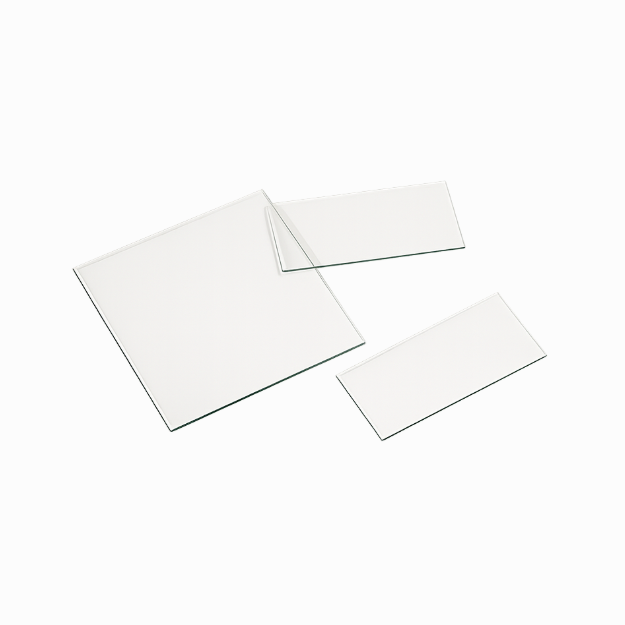
ITO CONDUCTIVE GLASS 30-40 OHM 1.1MM MAGNETRON SPUTTERED COATINGRESEARCH GRADE MATERIAL
|
|||||||||||||||||||||||||||||||
|
|||||||||||||||||||||||||||||||
|
TAILORED SOLUTIONS FOR RESEARCH
Contact our engineering team for technical support or official quotations.
EMAIL: inquiry@atomfair.com
|
|||||||||||||||||||||||||||||||
|
Manufacturer: Atomfair LLC
Brand: ATOMFAIR®
|
This ITO conductive glass substrate requires careful handling to maintain surface cleanliness and electrical performance. Cleaning is mandatory before use, and storage must be in a dry, dust-free environment to prevent contamination.
- Surface Cleaning Requirement: Clean the ITO conductive glass surface before use to remove dust, grease, and organic contaminants.
- Edge Handling Protocol: Handle substrates by edges using cleanroom-compatible tweezers to avoid surface contamination.
- Storage Conditions: Store unused substrates in a dry, dust-free environment to maintain surface cleanliness.
- Custom Piece Verification: For custom laser-cut or engraved pieces, verify dimensional tolerances and edge quality at the time of order.
Follow these steps to safely handle and prepare the ITO conductive glass substrate for your application. Proper cleaning and handling ensure optimal performance and prevent contamination.
Required Equipment: Cleanroom-Compatible Tweezers
- Clean Substrate
Clean the ITO conductive glass surface before use to remove dust, grease, and organic contaminants. - Handle by Edges
Handle the substrate by edges using cleanroom-compatible tweezers to avoid surface contamination. - Store Properly
Store unused substrates in a dry, dust-free environment to maintain surface cleanliness.
What substrate materials are available for this ITO conductive glass?
This ITO conductive glass is available on multiple substrate materials including soda-lime float glass, ultra-white glass, borosilicate glass, quartz glass, K9 optical glass, and single-crystal sapphire. High-borosilicate substrates from Asahi, SCHOTT, and Corning are also stocked regularly with both FTO and ITO coatings available.
Can the sheet resistance of this ITO conductive glass be customized beyond the standard 30-40 Ω/sq?
Yes, the square resistance is customizable from 1 Ω to 10000 Ω via magnetron sputtering. The standard offering is 30-40 Ω/sq on 1.1 mm thickness, but custom resistance and substrate thickness (0.05 mm to 10 mm) can be manufactured to specification.
What are the recommended handling and cleaning procedures for ITO conductive glass?
Handle substrates by the edges using cleanroom-compatible tweezers to avoid surface contamination of the ITO-coated side. Cleaning is mandatory before use because surfaces may accumulate dust, grease, and organic contaminants during production, packaging, and transport. Store unused substrates in a dry, dust-free environment. For detailed cleaning protocols, consult the user guidelines provided with the shipment.
This 30–40 Ω/sq ITO conductive glass on 1.1 mm substrate offers magnetron-sputtered indium tin oxide with wide bandgap optical transparency and stable low-resistivity electrical performance, supporting customizable resistance (1–10000 Ω), thickness (0.05–10 mm), and substrate materials including soda-lime, borosilicate, quartz, and sapphire. In-house precision laser cutting, etching, and hole drilling enable direct fabrication of finished electrode substrates for optoelectronic, photovoltaic, and electrochemical applications.
Positive
- Extensive substrate material selection: Available substrates include soda-lime float glass, ultra-white glass, borosilicate glass, quartz glass, K9 optical glass, and single-crystal sapphire, with high-borosilicate stock from Asahi, SCHOTT, and Corning, allowing researchers to match thermal expansion, optical clarity, and chemical resistance to specific experimental requirements.
- Full-range resistance and thickness customization: Square resistance can be specified from 1 Ω to 10000 Ω and substrate thickness from 0.05 mm to 10 mm via magnetron sputtering, covering the complete specification range needed for diverse research and industrial applications from ultra-thin flexible devices to rigid thick-plate electrodes.
Trade-offs
- Surface contamination requires mandatory cleaning: ITO conductive glass surfaces may accumulate dust, grease, and organic contaminants during production, packaging, and transport; cleaning is mandatory before use, and substrates must be handled by edges with cleanroom-compatible tweezers to avoid compromising the ITO coating.
- Storage requires dry, dust-free environment: Unused substrates must be stored in a dry, dust-free environment to maintain surface cleanliness; exposure to ambient particulates or humidity can degrade the ITO layer's optical and electrical performance, necessitating careful inventory management in laboratory settings.
Every advanced material, component, equipment, and instrument in our catalog is backed by rigorous testing. We maintain strict internal quality management frameworks and align with CE conformity metrics to deliver transparent, reproducible performance data via our public open-science repository.
To request raw batch performance data, submit formal vendor registration paperwork, or execute a fast-turnaround R&D manufacturing loop, contact us at inquiry@atomfair.com.
Item is dispatched under the Atomfair Shipping & Delivery Framework (Free worldwide shipping on orders over $59 USD excl. heavy equipment). Return is governed by the Atomfair Return & Refund Policy (7-day technical return window).