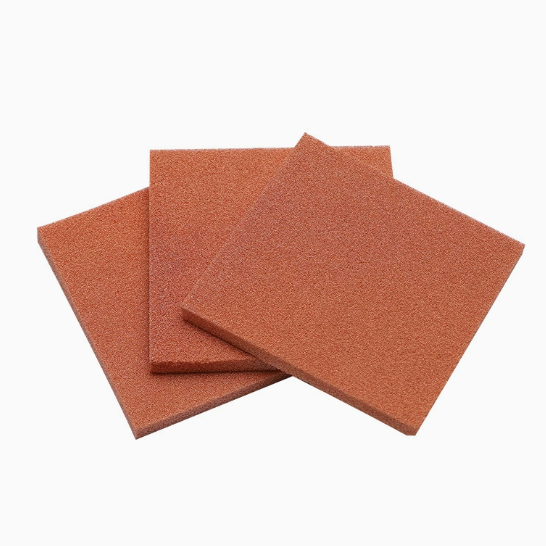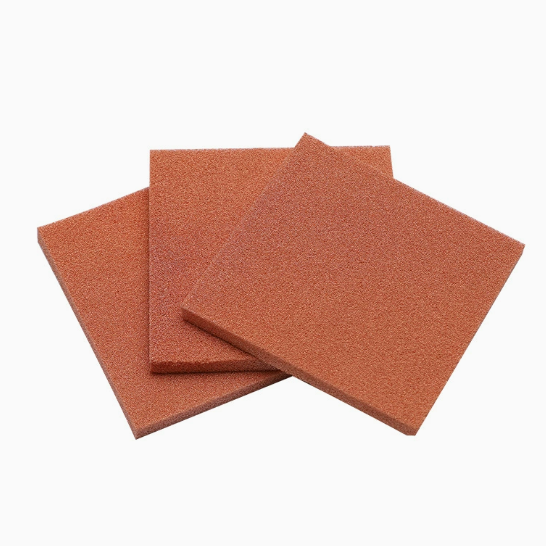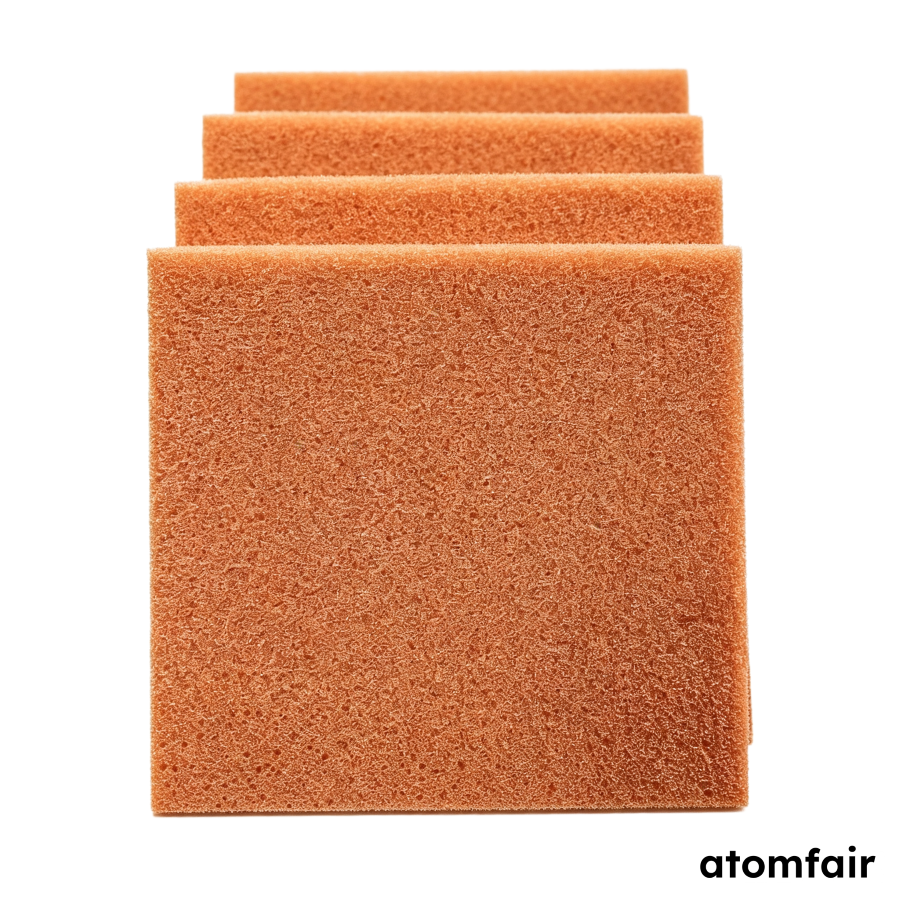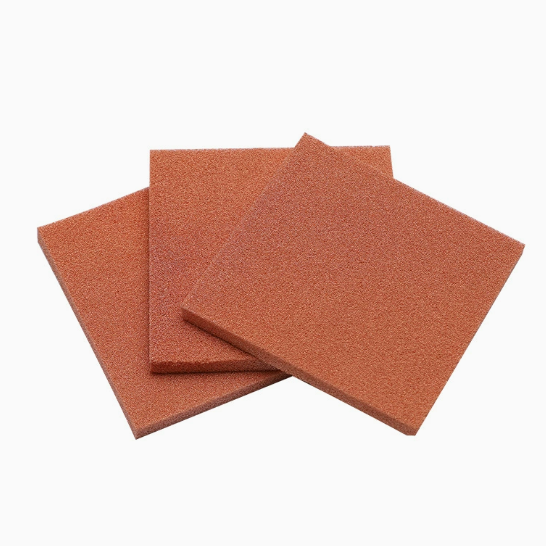
COPPER WIRE FOAM 98% OPEN RATE BATTERY ELECTRODE 100×100×5MMADVANCED POROUS METAL MATERIAL
|
|||||||||||||||||||||||||||||||
|
|||||||||||||||||||||||||||||||
|
TAILORED SOLUTIONS FOR RESEARCH
Contact our engineering team for technical support or official quotations.
EMAIL: inquiry@atomfair.com
|
|||||||||||||||||||||||||||||||
|
Manufacturer: Atomfair LLC
Brand: ATOMFAIR®
|
What is the electrical conductivity performance of this 98% open rate copper foam for battery electrodes?
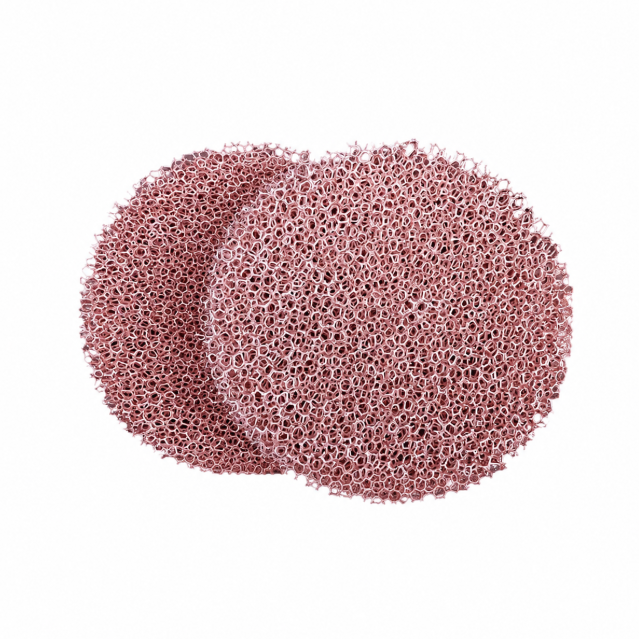
The copper foam provides excellent electrical conductivity, making it suitable as an electrode skeleton for nickel-zinc batteries and electric double-layer capacitors. The 98% open rate and 100 mesh knitted weave structure maintain high surface area for ion transport while preserving metallic conductivity.
Can this copper foam be used as a filter material in addition to battery electrodes?
Yes, due to its unique structural characteristics and biocompatibility, this copper foam is also used as a filter material for water purification and other filtration applications. The high open rate and mesh structure enable effective particle retention while maintaining flow.
What are the standard dimensions and customization options for this copper foam?
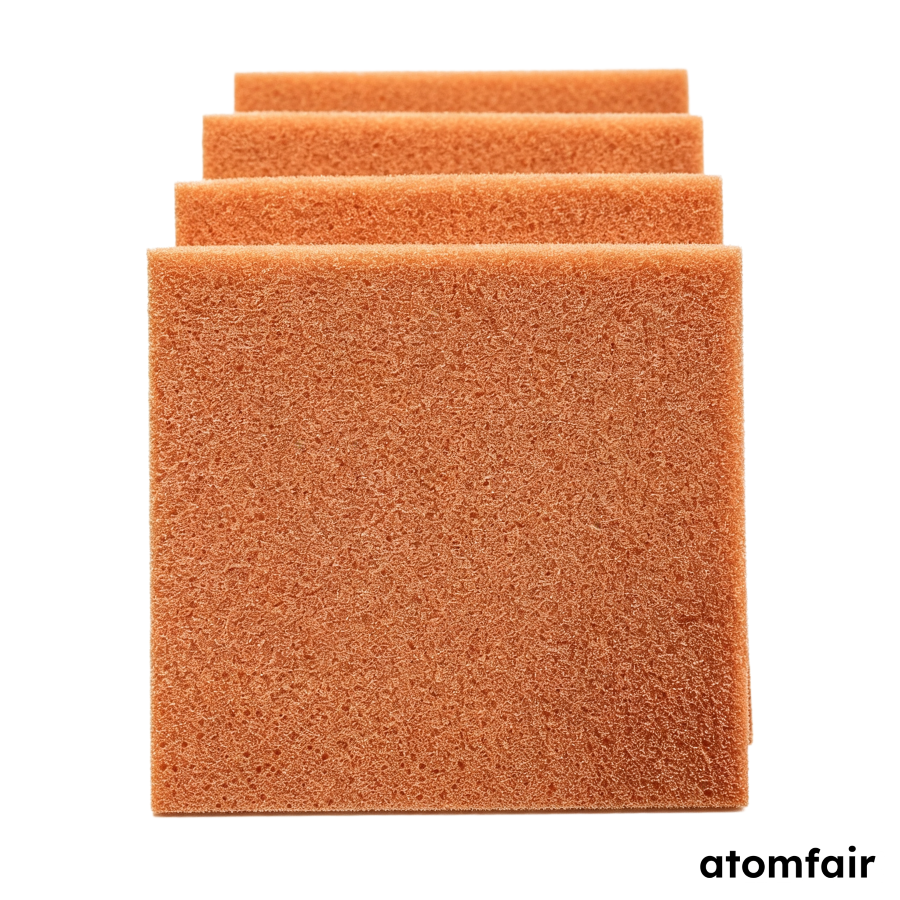
Standard dimensions are 100 mm × 100 mm × 5 mm with a width of 0.5 m. Custom sizes are available upon request, and the filament diameter ranges from 0.01–10 mm, allowing adaptation to specific electrode geometries or thermal management requirements.
This 98% open-rate copper wire foam (100×100×5mm, 100 mesh) provides a high-surface-area, electrically conductive porous skeleton optimized for nickel-zinc battery and supercapacitor electrodes, with thermal and EMI shielding utility. The knitted weave and 0.01–10mm filament diameter enable tunable porosity, but the copper substrate requires careful handling to avoid oxidation in humid or acidic environments.
Positive
- High open porosity for electrolyte penetration: The 98% open rate and 100 mesh knitted weave maximize active surface area and ionic transport, directly benefiting electrode kinetics in nickel-zinc batteries and electric double-layer capacitors.
- Multifunctional thermal and electrical conductivity: Copper's intrinsic thermal and electrical conductivity enables simultaneous use as a current collector and heat dissipation component, reducing thermal runaway risk in high-rate energy storage devices.
Trade-offs
- Oxidation sensitivity in ambient conditions: Copper foam readily forms surface oxides in humid or oxygen-rich environments, which can increase contact resistance and degrade electrochemical performance unless stored under inert atmosphere or coated.
- Mechanical fragility of high-porosity structure: The 98% open rate and thin filament diameter (0.01–10mm) reduce radial breaking strength, requiring careful handling during electrode assembly to avoid permanent deformation or tearing.
Every advanced material, component, equipment, and instrument in our catalog is backed by rigorous testing. We maintain strict internal quality management frameworks and align with CE conformity metrics to deliver transparent, reproducible performance data via our public open-science repository.
To request raw batch performance data, submit formal vendor registration paperwork, or execute a fast-turnaround R&D manufacturing loop, contact us at inquiry@atomfair.com.
Item is dispatched under the Atomfair Shipping & Delivery Framework (Free worldwide shipping on orders over $59 USD excl. heavy equipment). Return is governed by the Atomfair Return & Refund Policy (7-day technical return window).