
Phosphide Evaporation Materials
Phosphide evaporation materials are compound sources for vacuum thin-film deposition, selected according to chemical composition, purity, physical form, source compatibility and target film requirements. They support research and development in compound semiconductors, optoelectronic materials, infrared materials, functional coatings and photovoltaic thin films.
This category covers phosphide material systems in pieces, granules, powders, pellets and custom formed-source configurations. Customers can select materials for thermal evaporation, electron-beam evaporation, co-evaporation and other vacuum deposition workflows according to their equipment, process conditions and required film properties.
Show More: Phosphide Material Selection Guide
Phosphide Material Systems
| Material System | Representative Materials | Typical Research Direction |
|---|---|---|
| III-V Phosphides | AlP, GaP, InP | Compound semiconductors, optoelectronics, epitaxial and functional thin films |
| II-V Phosphides | Zn3P2, Cd3P2 | Photovoltaic, semiconductor and optoelectronic film research |
| Transition-Metal Phosphides | FeP, CoP, Ni2P, MoP, WP, Cu3P | Conductive coatings, catalytic functional layers, energy and wear-resistant materials |
| Rare-Earth and Specialty Phosphides | LaP, CeP and related materials | Specialized electronic, optical and high-temperature material studies |
| Multicomponent Phosphides | InGaP, AlGaP, AlGaInP and custom compositions | Band-gap engineering, composition-controlled films and advanced device development |
Available Forms and Source Configurations
| Form | Selection Considerations |
|---|---|
| Pieces and Granules | Suitable for routine source loading, controlled weighing and staged material replenishment. |
| Pellets and Tablets | Useful where consistent shape and packing density are important for repeatable deposition conditions. |
| Powder | Suitable for small-scale screening, formulation work and custom pressing or forming requirements. |
| Bonded or Formed Sources | Can be specified for a particular crucible, evaporation boat or electron-beam source geometry. |
| Custom Dimensions | Appropriate for non-standard equipment, larger charge capacities or specialized source designs. |
How to Select Phosphide Evaporation Materials
| Selection Factor | What to Confirm |
|---|---|
| Composition | Chemical formula, target stoichiometry and required film function. |
| Purity | Research grade, high-purity requirements, impurity limits and batch consistency. |
| Physical Form | Pieces, powder, pellets or custom formed sources appropriate for the deposition setup. |
| Deposition Method | Thermal evaporation, electron-beam evaporation, co-evaporation or another vacuum process. |
| Source Compatibility | Crucible, liner, boat, hearth size, charge capacity and heating configuration. |
| Documentation | COA, SDS, packaging, batch information and relevant shipping requirements. |
Deposition Applications
Phosphide evaporation materials can be used for vacuum thermal evaporation, electron-beam evaporation, co-evaporation and multilayer thin-film processes. Common application areas include compound semiconductor films, optoelectronic and infrared materials, photovoltaic layers, conductive coatings, catalytic functional layers and laboratory-scale process development.
Because phosphide compounds can have material-specific thermal behavior, customers should evaluate composition stability, source temperature, deposition rate, vacuum conditions and substrate temperature for their process. Film thickness, composition, structure and electrical or optical properties should be verified during process development.
Frequently Asked Questions
Should I choose pieces or powder?
Pieces and granules are generally convenient for routine loading and repeated evaporation. Powder is useful for small-batch screening, formulation work or custom pressing. The best choice depends on your source design and heating method.
Can phosphide evaporation materials be used in both thermal and electron-beam evaporation?
Process suitability depends on the individual phosphide, its thermal stability and the source configuration. Confirm the intended evaporation method, source hardware and target film requirements before selecting a material.
How should I select the purity level?
Choose purity according to the sensitivity of your application. Semiconductor and optoelectronic work often requires stricter impurity control, while early-stage process screening may use an appropriate research-grade specification.
Does particle or piece size affect deposition?
Yes. Material size can affect loading density, heating uniformity, melting behavior and deposition-rate control. Match the size range to the crucible, source capacity and power conditions of your equipment.
Can I request custom dimensions or formed sources?
Custom pieces, pellets and formed-source configurations can be specified according to the material system, purity, required dimensions, source geometry and quantity.
Are phosphide materials suitable for co-evaporation?
Selected phosphide systems can be used in multi-source deposition. Process development should consider the evaporation behavior of each source, deposition-rate control and the required final film composition.
What information should I provide when requesting a quotation?
Please provide the requested material or formula, purity, physical form, size specification, quantity, deposition method and source or crucible details. This helps identify the most suitable product configuration.
Showing 1–16 of 29 results
-
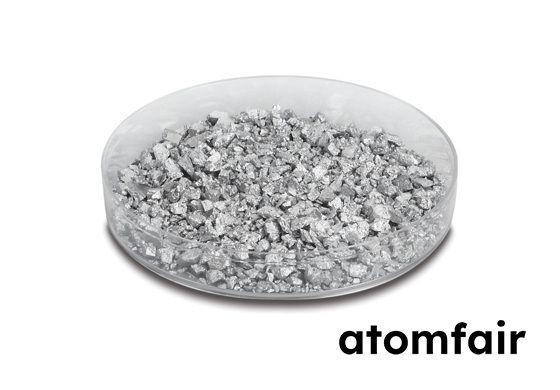
Aluminium Antimonide Powder 99.995% 500nm ATOMFAIR®
Price range: $700.00 through $6,000.00 -
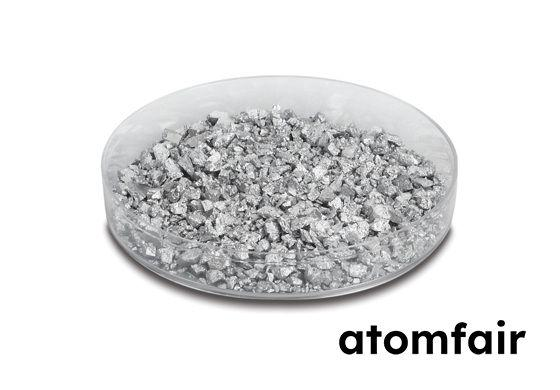
Aluminium Phosphide AlP 99.9% 100 mm Pieces ATOMFAIR®
Price range: $240.00 through $1,350.00 -
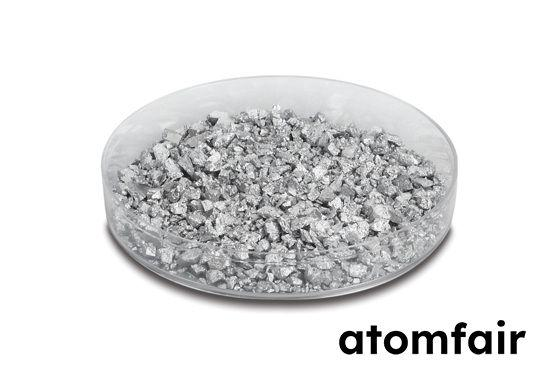
Aluminium Phosphide AlP 99.9% Pieces 51mm ATOMFAIR®
Price range: $240.00 through $1,350.00 -
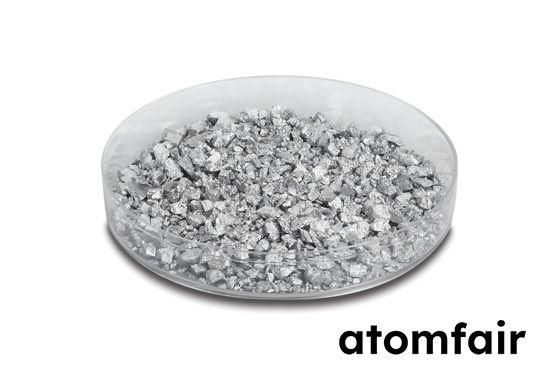
Aluminium Phosphide AlP 99.9% Pieces 76 mm ATOMFAIR®
Price range: $240.00 through $1,350.00 -
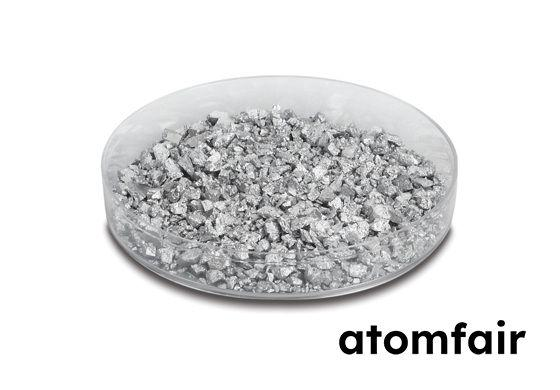
Cadmium Antimonide Evaporation Pieces 99.9% ATOMFAIR®
Price range: $240.00 through $1,350.00 -
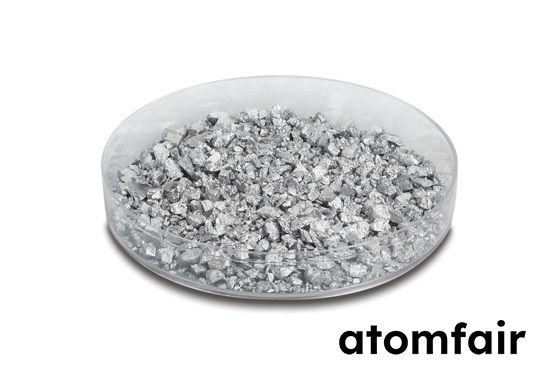
Cadmium Arsenide Cd3As2 99.9% Evaporation ATOMFAIR®
Price range: $240.00 through $1,350.00 -
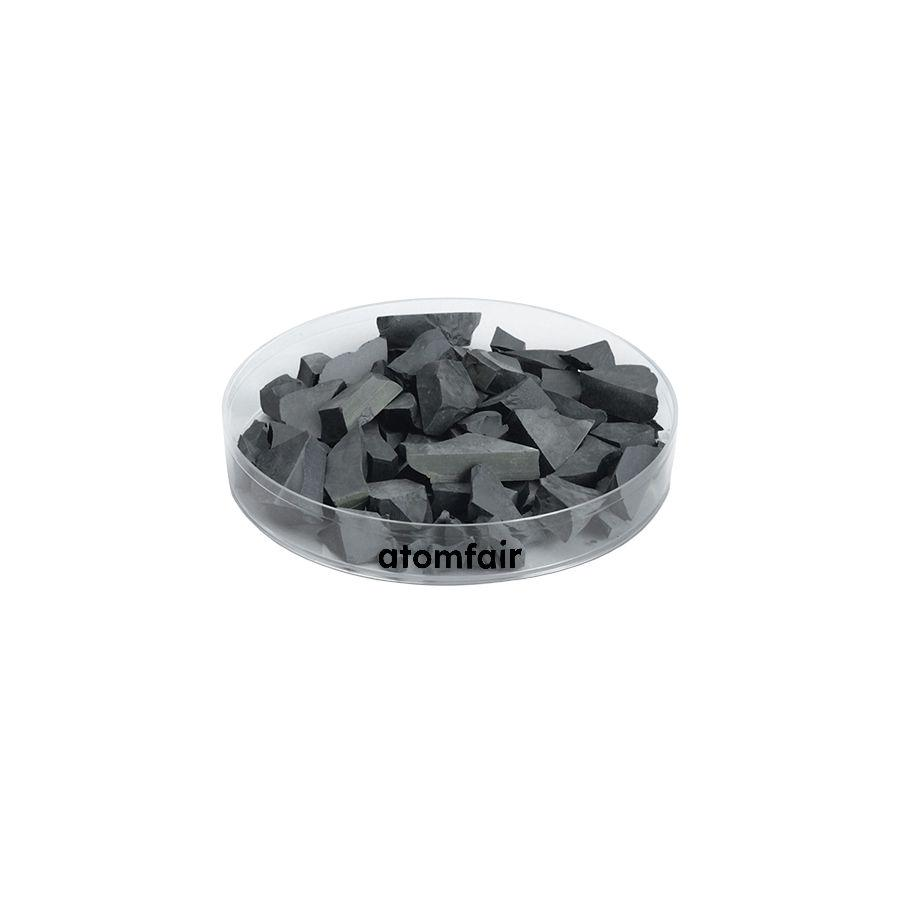
Chromium Boride CrB Evaporation Pieces 99.9%
Price range: $390.00 through $1,350.00 -
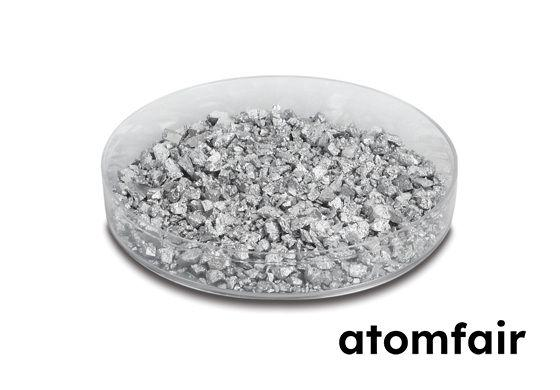
Chromium Silicide CrSi2 Pieces 99.9% 1-3 mm ATOMFAIR®
Price range: $390.00 through $1,350.00 -
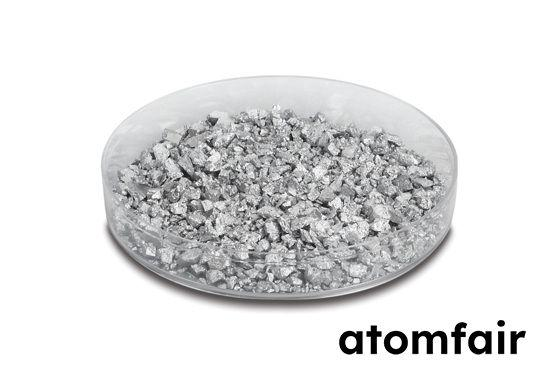
Gallium Antimonide (GaSb) Pieces 99.9%, 1-3 mm ATOMFAIR®
Price range: $240.00 through $1,350.00 -
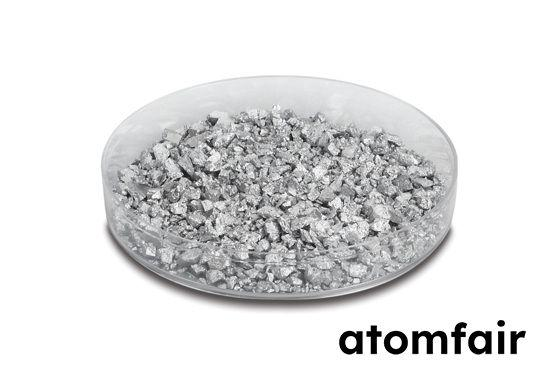
Gallium Arsenide GaAs Pieces 99.9% 1-3 mm ATOMFAIR®
Price range: $240.00 through $1,350.00 -
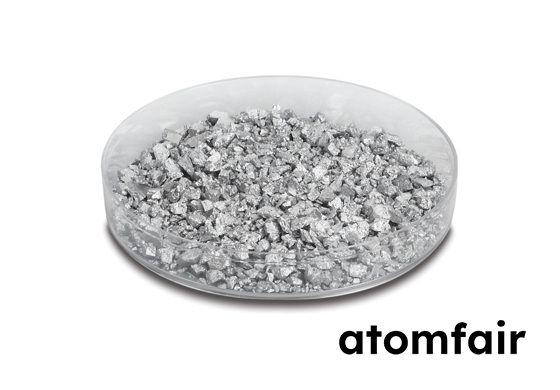
Gallium Phosphide GaP Pieces 99.9% 1-3 mm ATOMFAIR®
Price range: $240.00 through $1,350.00 -
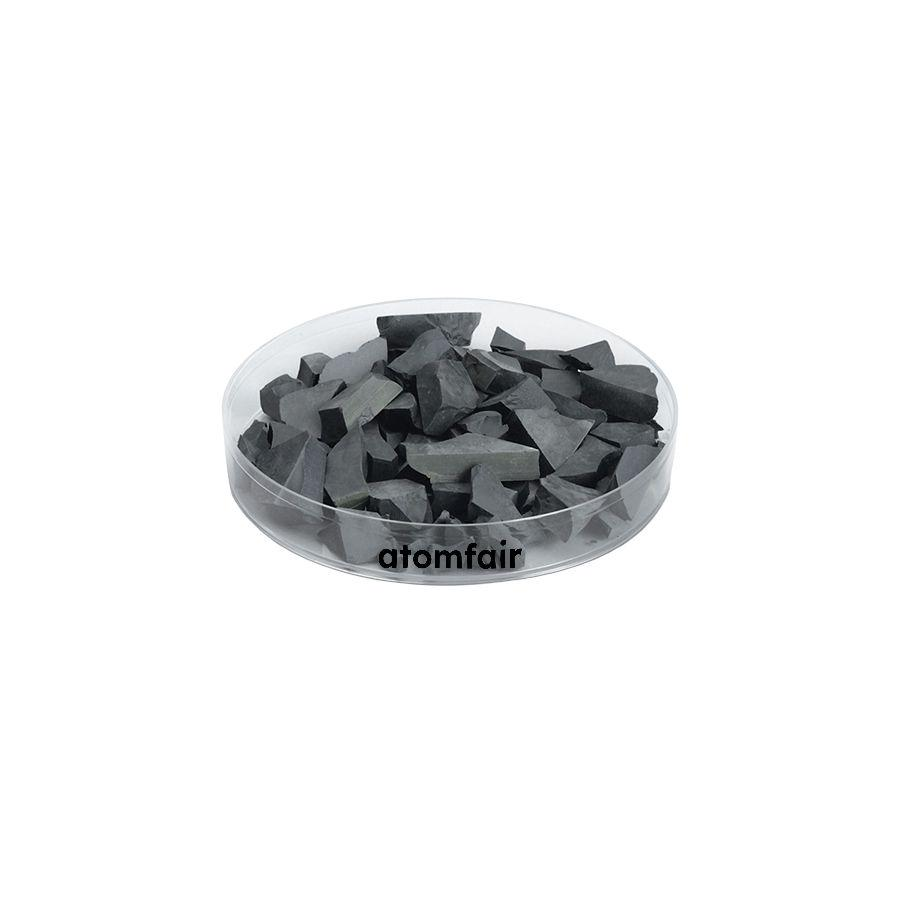
Hafnium Boride HfB2 Evaporation 99.9% 1-3mm ATOMFAIR®
Price range: $200.00 through $1,350.00 -
Hafnium Silicide HfSi2 Powder 99.9% 1-5μm ATOMFAIR®
Price range: $420.00 through $3,900.00 -
Indium Antimonide InSb Pieces 99.9% 1-3 mm ATOMFAIR®
Price range: $240.00 through $1,350.00 -
Indium Arsenide (InAs) Pieces 99.95% 1-3 mm ATOMFAIR®
Price range: $350.00 through $2,500.00 -
Indium Arsenide InAs Pieces 99.99% 1-3 mm ATOMFAIR®
Price range: $200.00 through $850.00