
Doped & Stabilized Oxides
Doped and stabilized oxides are advanced inorganic materials engineered through compositional tuning, phase stabilization, and defect-structure control. Compared with conventional oxides, these materials are selected for enhanced electrical conductivity, optical response, ionic conductivity, catalytic activity, thermal stability, dielectric behavior, or mechanical performance.
This category covers transparent conductive oxides, stabilized zirconia, doped ceria, doped titanium dioxide, perovskite composite oxides, thermal-management oxides, antistatic oxides, and other functional modified oxide systems. Materials can be selected by application, composition, particle size, purity, physical form, and processing route.
Show More
Primary Material Directions
| Material Direction | Common Material Systems | Typical Applications |
|---|---|---|
| Transparent Conductive Oxides | ITO, ATO, FTO, AZO, GZO, and related systems | Transparent conductive films, display materials, touch devices, antistatic coatings, and optoelectronic materials |
| Stabilized Zirconia | YSZ, ScSZ, CeSZ, CaSZ, MgSZ, and related stabilized zirconia systems | Oxygen sensors, solid oxide fuel cells, structural ceramics, dental ceramics, and wear-resistant ceramics |
| Doped Ceria | GDC, SDC, YDC, and rare-earth-doped CeO2 | Solid electrolytes, catalytic materials, redox-active systems, and energy devices |
| Doped Titanium Dioxide | N-, Fe-, Mn-, Nb-, W-, and other doped TiO2 systems | Photocatalysis, environmental materials, photoresponsive materials, sensors, and functional coatings |
| Perovskite Composite Oxides | LSM, LSCF, LST, BSCF, doped BaTiO3, doped SrTiO3, and related systems | Electrode materials, dielectric ceramics, catalysts, sensors, and functional ceramics |
| Thermal-Management and Energy-Saving Oxides | Cesium tungsten bronze, doped WO3, doped VO2, and related systems | Transparent thermal-insulation films, infrared control, energy-saving glass, and thermal-management coatings |
| Antistatic and Conductive Oxides | ATO, ITO, doped ZnO, doped SnO2, and related systems | Conductive fillers, antistatic plastics, coatings, inks, and composite materials |
| Functional Modified Oxides | Silver-loaded oxides, rare-earth-modified oxides, and composite doped oxides | Antibacterial materials, catalyst supports, functional additives, and composite-material development |
Select Materials by Application
For transparent conductivity, antistatic performance, or optoelectronic applications, ITO, ATO, FTO, AZO, and GZO are common starting points. Selection should consider conductivity, optical clarity, particle size, dispersibility, and compatibility with the intended coating or film-forming process.
For high-temperature stability, oxygen-ion conductivity, or advanced ceramic performance, stabilized zirconia and doped ceria systems are commonly considered. Stabilizer type, crystal phase, sintering behavior, and intended operating temperature should be evaluated together.
For photocatalysis, environmental applications, sensing, or light-responsive materials, doped TiO2, doped CeO2, perovskite oxides, and composite oxide systems can be selected according to the desired reaction environment and functional target.
For thermal insulation, infrared shielding, or energy-saving coatings, cesium tungsten bronze, doped WO3, and doped VO2 systems are commonly evaluated. Optical performance, dispersion quality, coating thickness, and substrate compatibility are important considerations.
Common Product Forms
| Product Form | Typical Customer Requirement |
|---|---|
| Nanopowders | High-surface-area applications, catalysis, sintering, fine coatings, and composite modification |
| Micron and Ultrafine Powders | Ceramic processing, powder metallurgy, functional fillers, and industrial formulations |
| Dispersions and Slurries | Coating, spraying, printing, inks, paint systems, and liquid-phase formulation |
| Granules and Spray-Dried Powders | Pressing, ceramic shaping, stable feeding, and process scale-up |
| High-Purity Grades | Electronic, optoelectronic, energy, and research applications with impurity-control requirements |
| Customized Specifications | Projects with defined requirements for particle size, dopant level, physical form, packaging, or formulation |
Procurement and Selection Guidance
When selecting doped and stabilized oxides, start with the final application and then compare the material system, particle size, crystal phase, dopant level, purity, dispersion condition, and processing requirements. Material name alone is usually not sufficient to determine suitability.
For coatings, inks, and composite materials, confirm dispersion behavior and compatibility with the target solvent or resin system. For ceramic and energy-device projects, pay particular attention to crystal phase, stabilizer content, sintering temperature, and batch consistency. For catalytic, photocatalytic, and sensing applications, surface area, crystal structure, surface condition, and reaction environment should also be considered.
Frequently Asked Questions
What is the difference between doped oxides and stabilized oxides?
Doped oxides are primarily designed to adjust electrical, optical, catalytic, or sensing properties through added elements. Stabilized oxides are designed to maintain a desired crystal phase or structural behavior. Many advanced oxide materials combine both approaches.
How should I choose between ITO, ATO, FTO, AZO, and GZO?
Start with the required balance of transparency, conductivity, processing method, cost target, and application. ITO is widely considered for high-transparency conductive applications, while ATO and doped ZnO systems are often evaluated for antistatic coatings and composites. FTO is commonly considered where thermal stability is important.
Which applications are suitable for YSZ, ScSZ, GDC, and SDC?
These materials are commonly used in oxygen-ion-conducting systems, high-temperature electrochemical devices, oxygen sensors, fuel cells, and advanced ceramics. Stabilizer type, dopant level, crystal phase, and operating temperature should be matched to the intended application.
Should I choose powder or dispersion?
Powders are generally suitable for self-formulation, milling, sintering, and blending. Dispersions and slurries are often more convenient for coating, spraying, printing, inks, and liquid-phase processes. Compatibility with the intended solvent, resin, or process should be confirmed.
Is a smaller particle size always better?
Not always. Smaller particles can provide higher surface area and smoother film formation, but they may also agglomerate more easily and require more demanding dispersion control. The appropriate particle size depends on the intended coating, sintering, catalytic, or composite process.
How does dopant level affect performance?
Dopant level can influence conductivity, phase stability, color, optical response, defect concentration, ionic conductivity, and catalytic activity. Materials with different dopant levels should not be considered directly interchangeable without application-specific evaluation.
Can these materials be used directly in production formulations?
They can be used as functional raw materials in formulation development, but performance should be verified in the final process. Dispersion, sintering, coating, curing, and compatibility testing may be required before scale-up.
What information should be provided before purchasing?
Please provide the target application, material system, preferred form, particle-size range, purity requirement, processing method, target performance, and expected quantity. Clear project information supports more accurate material selection.
Showing 1–16 of 21 results
-
Anatase Fe-Doped TiO2 Nanopowder 5 nm 99.8% ATOMFAIR®
Price range: $299.00 through $1,699.00 -
Anatase Mn-Doped TiO2 Nanopowder 5 nm 99.8% ATOMFAIR®
Price range: $299.00 through $1,699.00 -
Anatase N-Doped TiO2 Nanopowder 5 nm 99.8% ATOMFAIR®
Price range: $299.00 through $1,699.00 -
Antimony Tin Oxide Dispersion 10–20 nm 20% ATOMFAIR®
Price range: $309.00 through $1,699.00 -
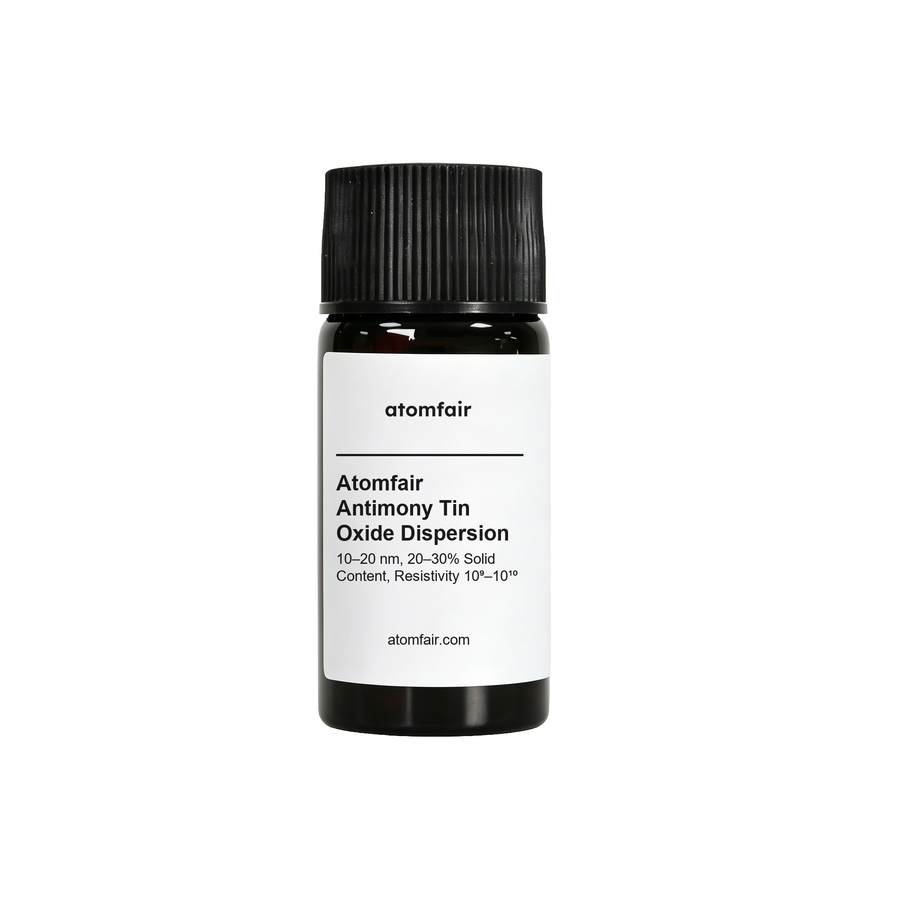
Antimony Tin Oxide Dispersion 10–20 nm, 20–30% ATOMFAIR®
Price range: $159.00 through $639.00 -
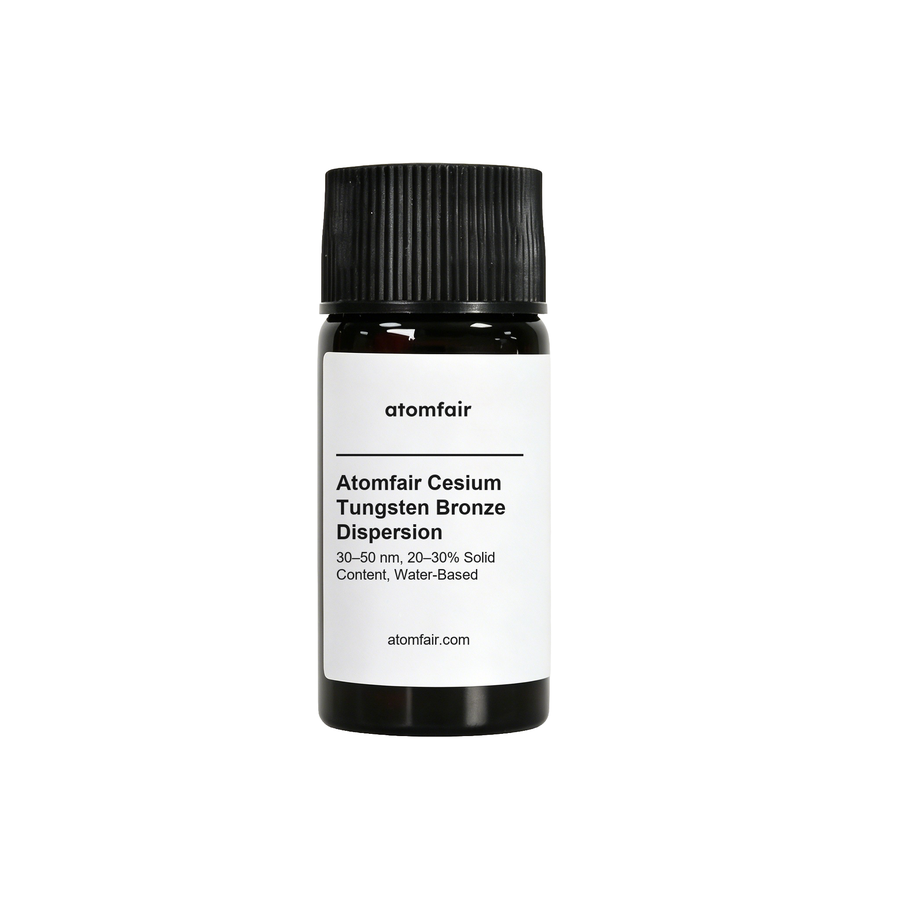
Cesium Tungsten Bronze Dispersion 30–50 nm ATOMFAIR®
Price range: $379.00 through $1,999.00 -
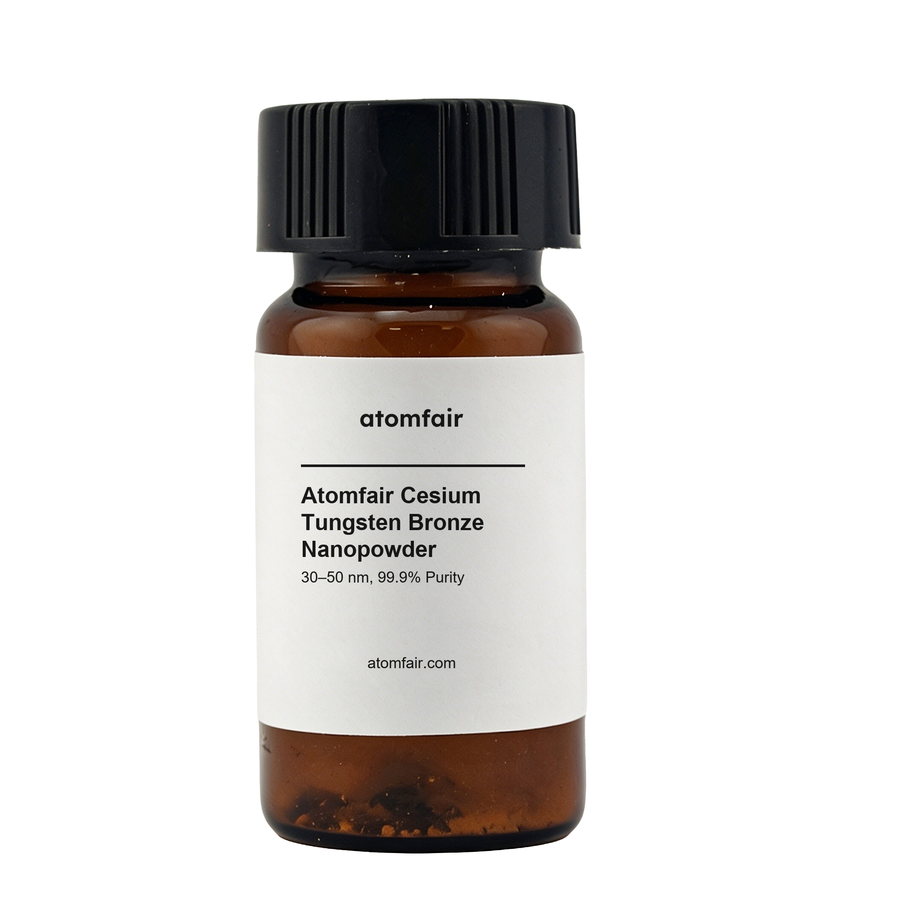
Cesium Tungsten Bronze Nanopowder 30–50 nm 99.9% ATOMFAIR®
Price range: $299.00 through $1,299.00 -
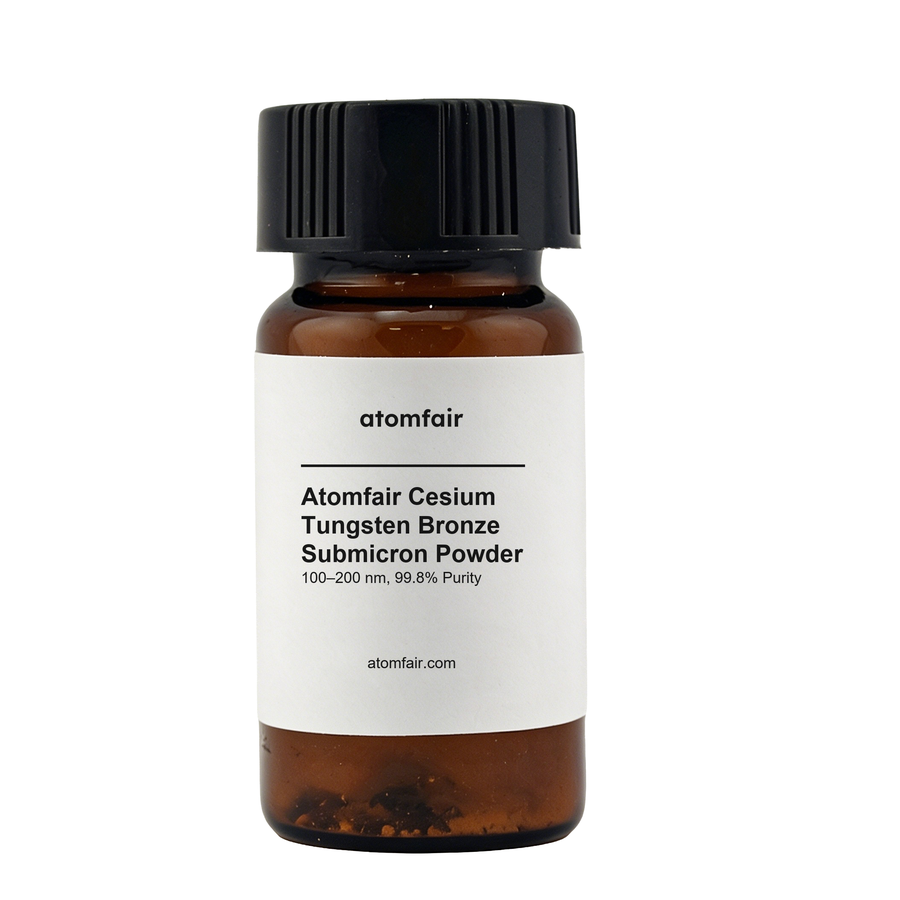
Cesium Tungsten Bronze Submicron Powder 100-200nm ATOMFAIR®
Price range: $249.00 through $1,099.00 -
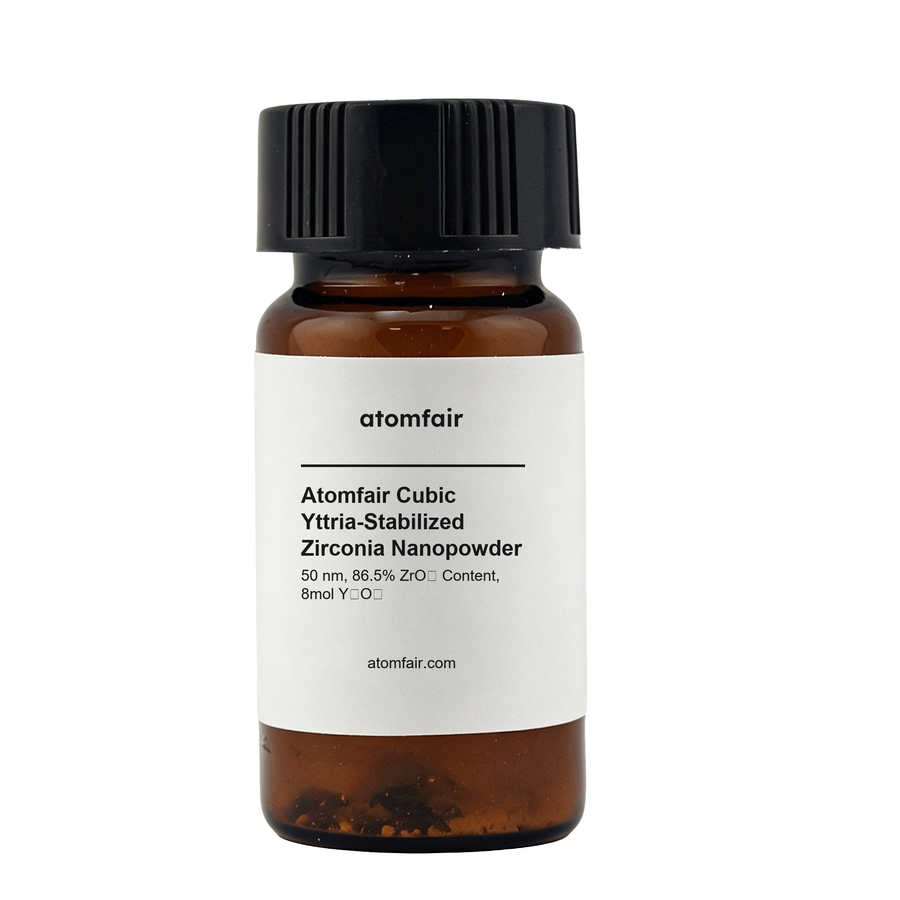
Cubic 8mol Yttria-Stabilized Zirconia 50 nm ATOMFAIR®
Price range: $139.00 through $699.00 -
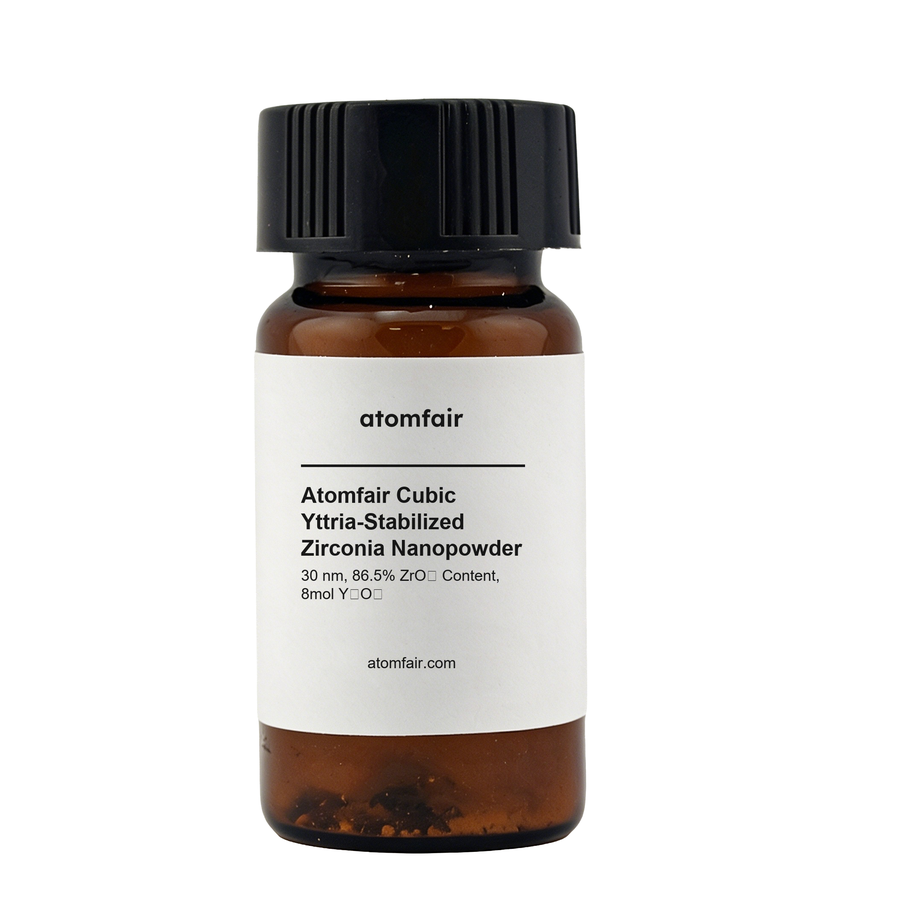
Cubic Yttria-Stabilized Zirconia Nanopowder 30 nm ATOMFAIR®
Price range: $139.00 through $699.00 -
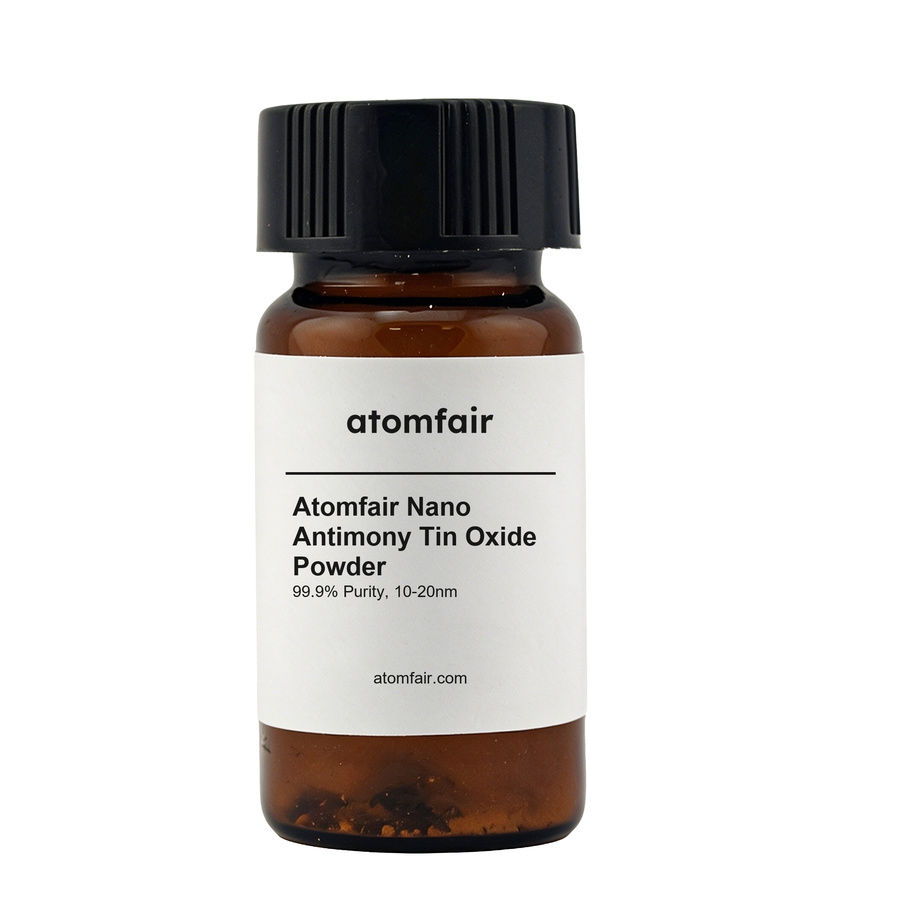
Nano Antimony Tin Oxide Powder 99.9% 10-20nm ATOMFAIR®
Price range: $159.00 through $365.00 -
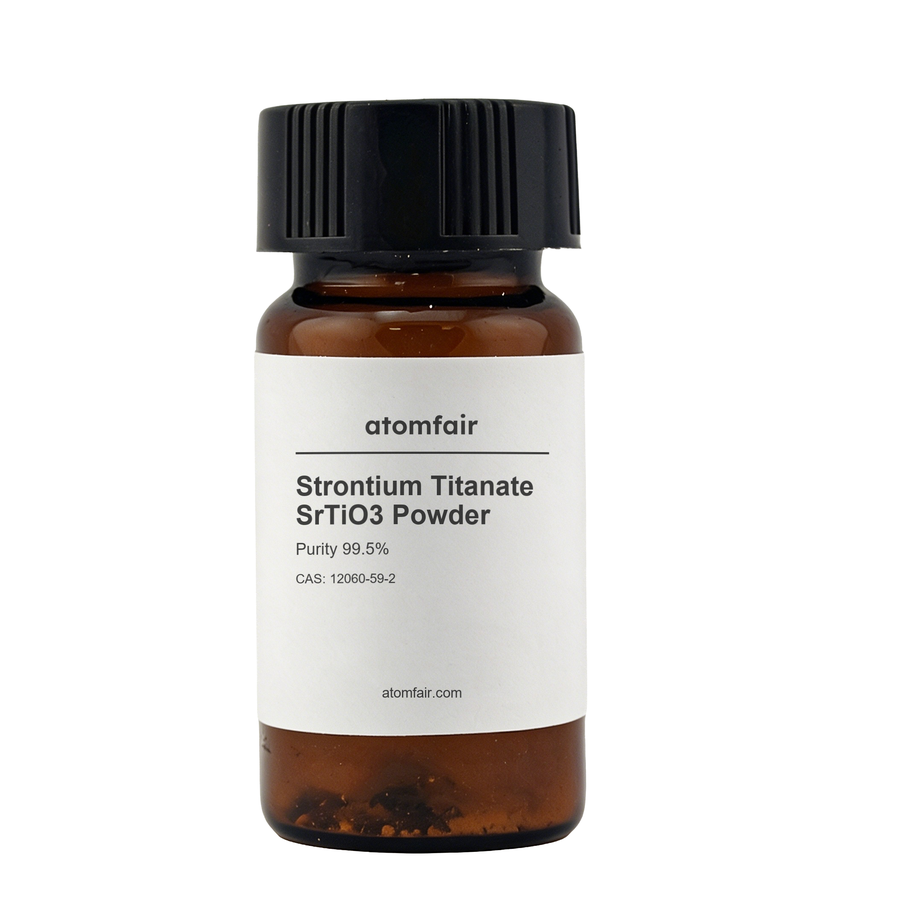
Strontium Titanate Powder 99.5% 5μm/100nm ATOMFAIR®
Price range: $173.00 through $237.00 -
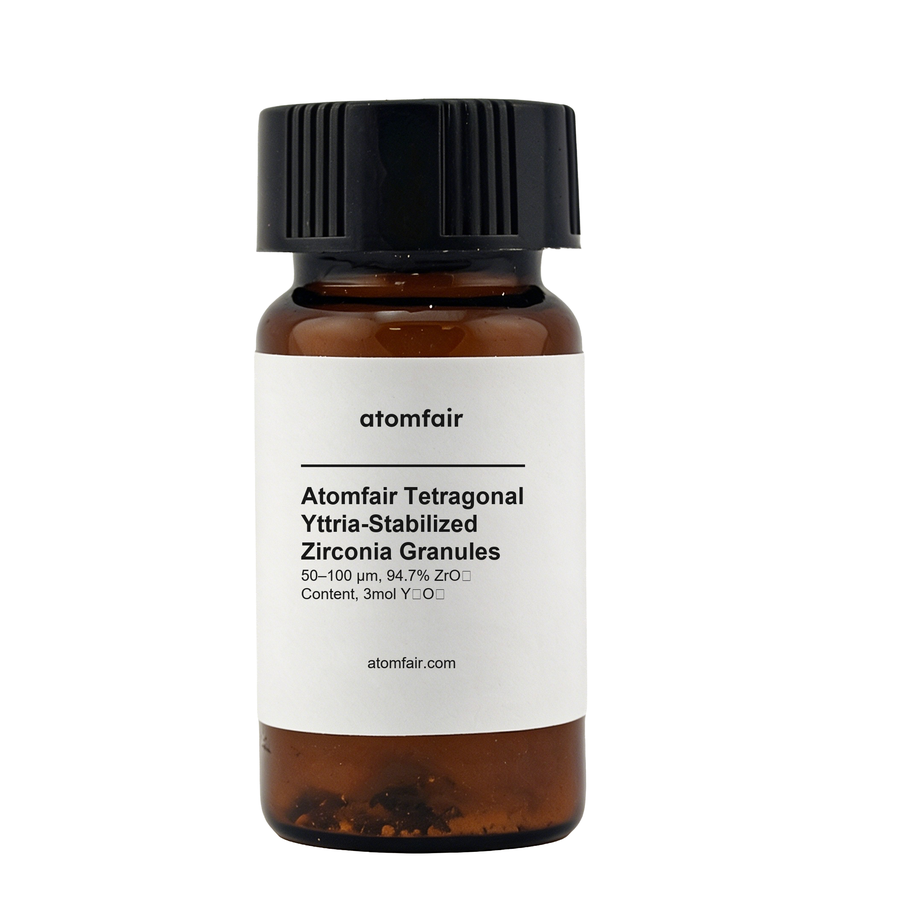
Tetragonal YSZ Zirconia Granules 50–100 μm 3mol ATOMFAIR®
Price range: $149.00 through $749.00 -
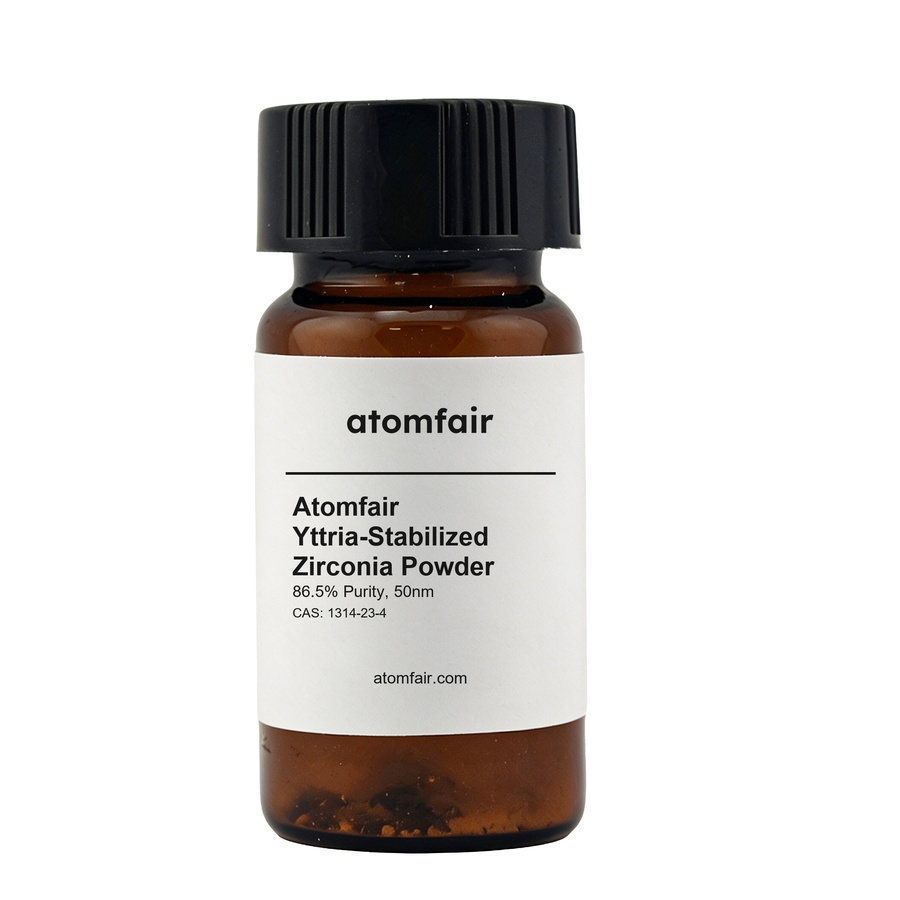
Yttria-Stabilized Zirconia Powder 50nm 86.5% ATOMFAIR®
Price range: $149.00 through $1,009.00 -
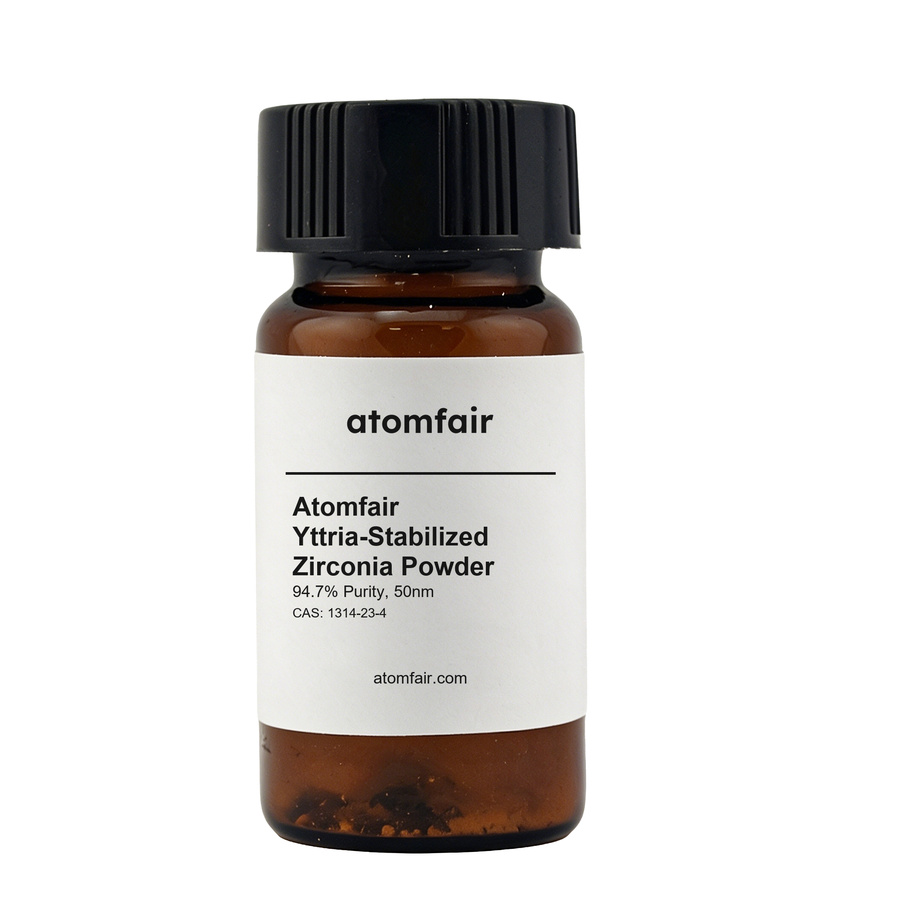
Yttria-Stabilized Zirconia Powder 50nm 94.7% ATOMFAIR®
Price range: $131.00 through $889.00 -
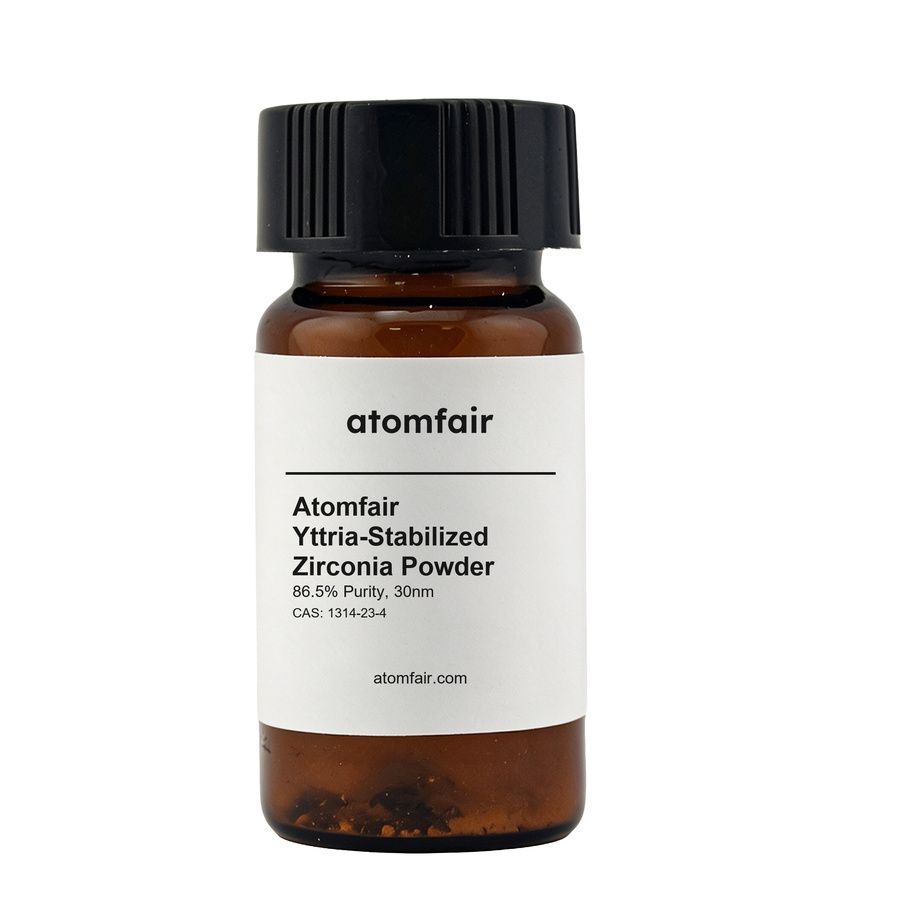
Yttria-Stabilized Zirconia Powder 86.5% 30nm ATOMFAIR®
Price range: $153.00 through $1,039.00