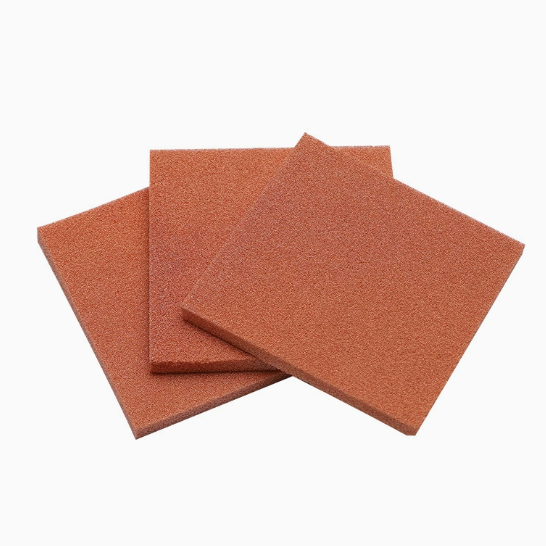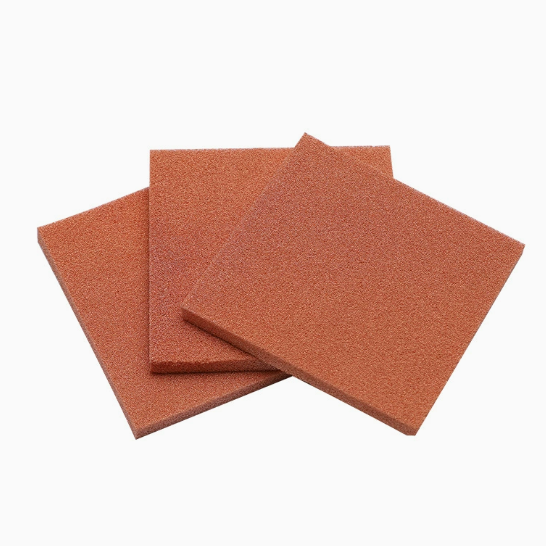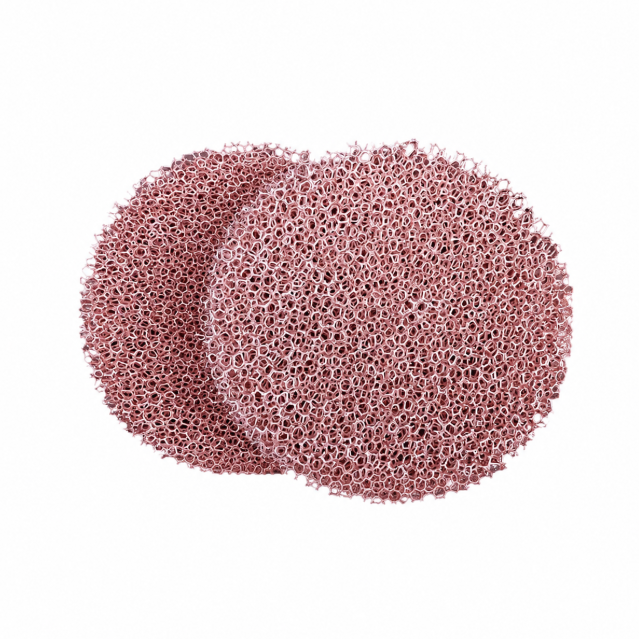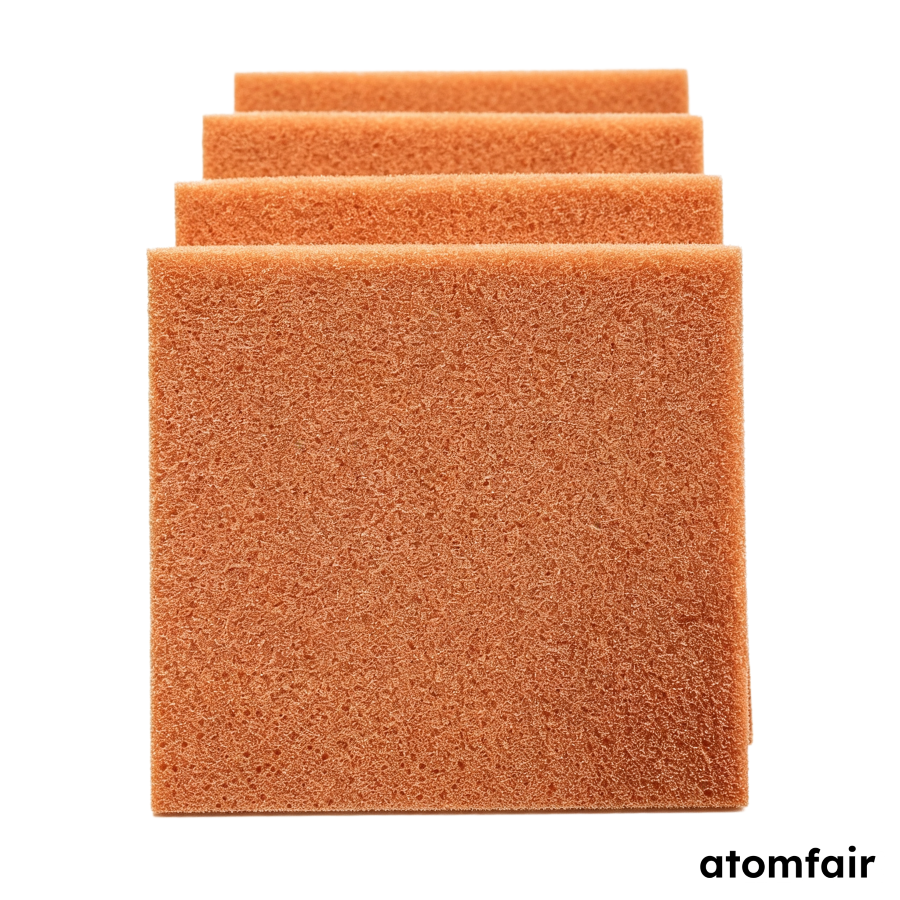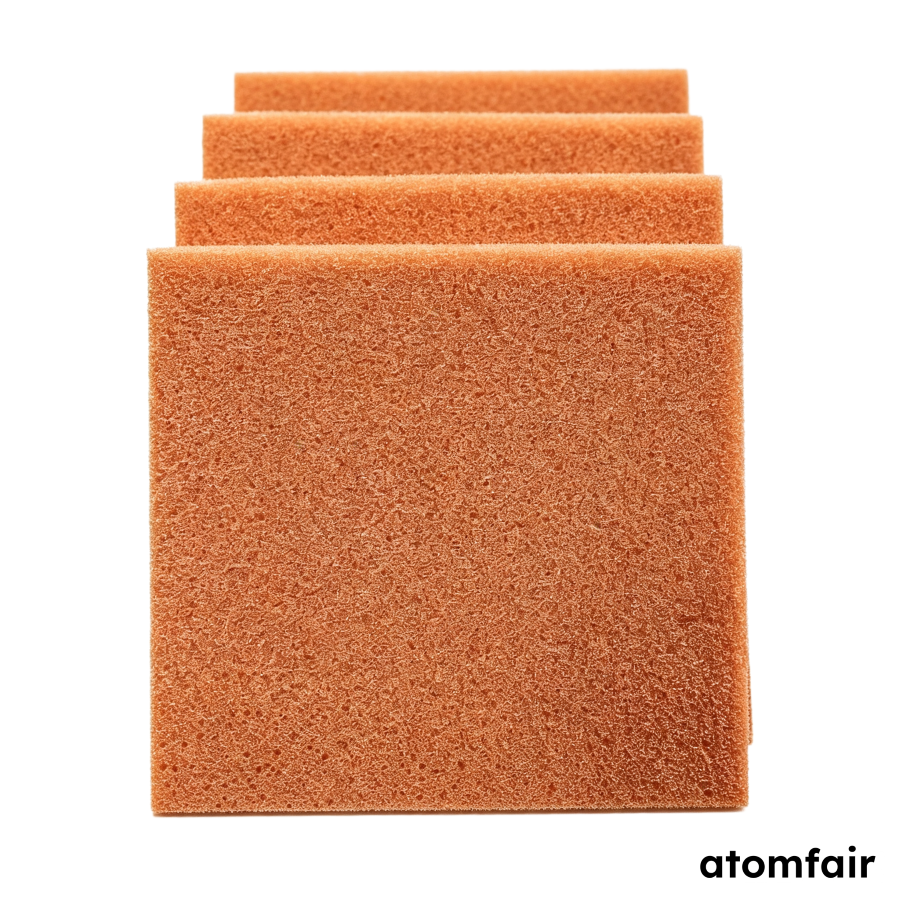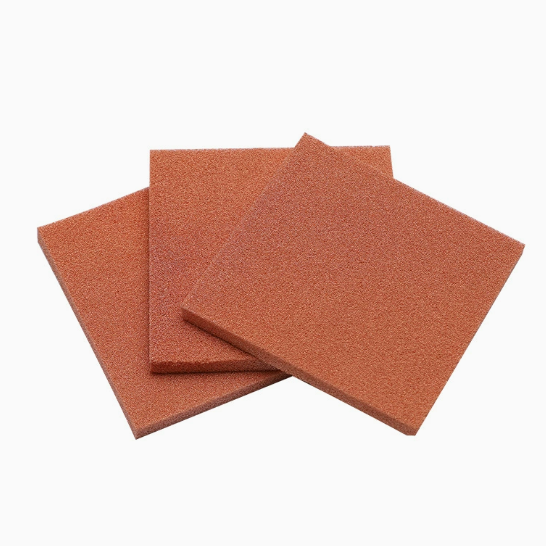
COPPER WIRE FOAM 5-130PPI ACID ALKALI RESISTANT 98% OPEN RATE AIR FILTERADVANCED POROUS METAL MATERIAL
|
|||||||||||||||||||||||||||||||||||||||||||||||||||||||
|
|||||||||||||||||||||||||||||||||||||||||||||||||||||||
|
TAILORED SOLUTIONS FOR RESEARCH
Contact our engineering team for technical support or official quotations.
EMAIL: inquiry@atomfair.com
|
|||||||||||||||||||||||||||||||||||||||||||||||||||||||
|
Manufacturer: Atomfair LLC
Brand: ATOMFAIR®
|
How does the porosity range of 60-98% affect the mechanical strength and filtration performance of this copper foam?
The copper foam offers a porosity range of 60-98% with a through-hole rate of ≥98%, and a mechanical strength of ≥2.5 MPa. Higher porosity improves filtration flow and reduces weight but may compromise mechanical integrity; the tensile strength of 5-18 KPa indicates the material's flexibility. The pore size range of 0.1-10mm and PPI of 5-130 allow tuning for specific filtration or heat transfer applications.
Can this copper foam be used in both acidic and alkaline environments, and what are the implications for battery electrode applications?
Yes, the product is explicitly acid and alkali resistant, making it suitable for aggressive chemical environments. With a through-hole rate of ≥98% and high porosity, it is suitable for battery electrode substrates, heat dissipation, and EMI shielding. The copper wire construction and knitted weave provide a stable structure for electrochemical applications.
What are the key physical parameters to consider when integrating this copper foam into a filtration or heat exchange system?
The foam has dimensions of 300×300×3mm with a width of 0.5m, and a bulk density >0.1 g/cm³. The heat transfer coefficient >6 W/(m²·K) and mechanical strength ≥2.5 MPa indicate structural robustness. Custom sizes are available, and the open rate of 98% ensures minimal flow resistance.
This copper wire foam offers 98% open rate and 60-98% porosity, providing efficient flow and surface area for filtration and heat transfer, but its low tensile strength (5-18 KPa) and mechanical strength (≥2.5 MPa) require careful handling and structural support in demanding applications.
Positive
- High open porosity and through-hole rate: With 60-98% porosity and ≥98% through-hole rate, this copper foam provides minimal flow resistance and high surface area for air filtration, heat dissipation, and catalyst carrier applications.
- Acid and alkali resistance: The copper wire construction is explicitly resistant to acids and alkalis, enabling deployment in corrosive environments such as chemical filtration, sugar refining, and water treatment.
Trade-offs
- Low tensile strength: Tensile strength is only 5-18 KPa, which is low for structural applications; the foam must be supported or handled carefully to avoid tearing or deformation.
- Limited mechanical strength: Mechanical strength is listed at ≥2.5 MPa, but this is likely compressive; the material's open structure and low tensile strength make it unsuitable for high-load or high-pressure applications without reinforcement.
Every advanced material, component, equipment, and instrument in our catalog is backed by rigorous testing. We maintain strict internal quality management frameworks and align with CE conformity metrics to deliver transparent, reproducible performance data via our public open-science repository.
To request raw batch performance data, submit formal vendor registration paperwork, or execute a fast-turnaround R&D manufacturing loop, contact us at inquiry@atomfair.com.
Item is dispatched under the Atomfair Shipping & Delivery Framework (Free worldwide shipping on orders over $59 USD excl. heavy equipment). Return is governed by the Atomfair Return & Refund Policy (7-day technical return window).