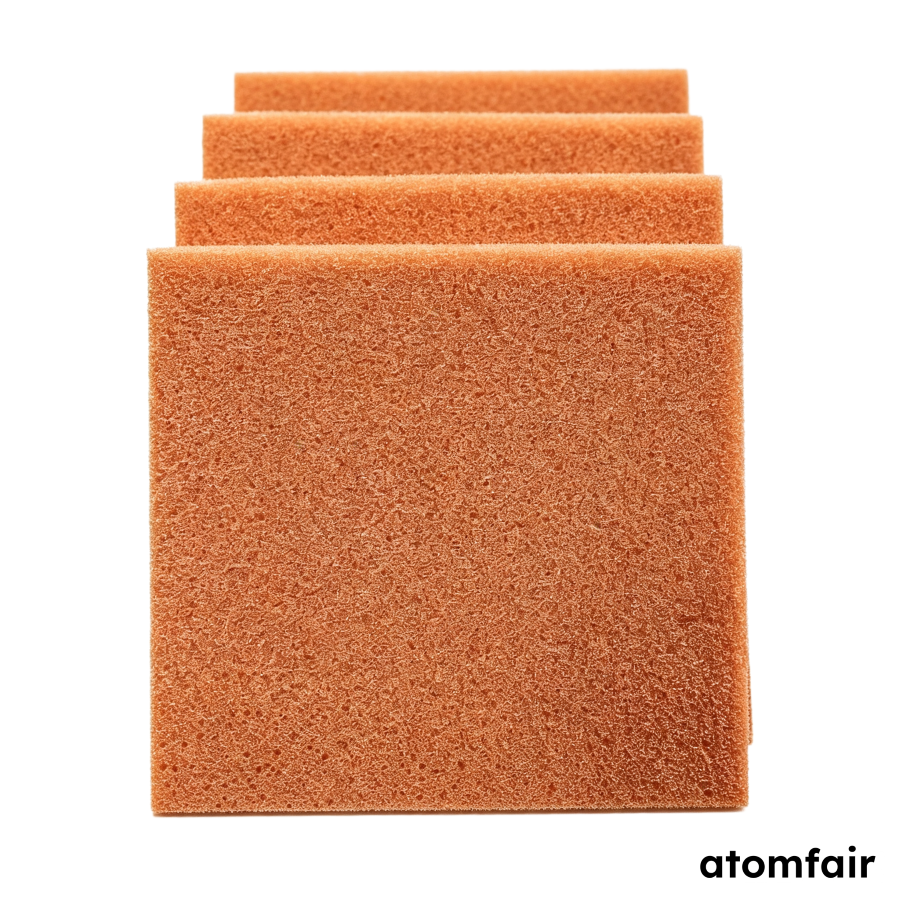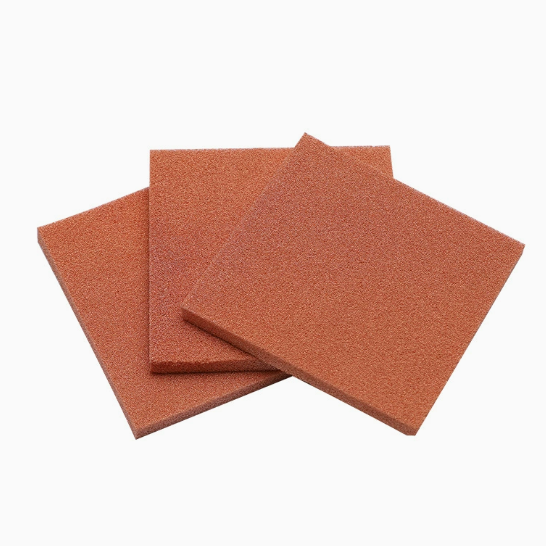
COPPER FOAM 60-98% POROSITY THERMAL CONDUCTIVE EMI SHIELDING ELECTRODEADVANCED POROUS METAL MATERIAL
|
|||||||||||||||||||||||||||||||
|
|||||||||||||||||||||||||||||||
|
TAILORED SOLUTIONS FOR RESEARCH
Contact our engineering team for technical support or official quotations.
EMAIL: inquiry@atomfair.com
|
|||||||||||||||||||||||||||||||
|
Manufacturer: Atomfair LLC
Brand: ATOMFAIR®
|
What is the heat transfer coefficient of copper foam and how does it support thermal dissipation in LED and CPU cooling applications?
Copper foam has a heat transfer coefficient greater than 6 W/(m²·K), enabling efficient thermal conduction. It is used in small vapor chambers and heat pipe systems for high-power LED and CPU cooling, balancing cost, volume, and cooling efficiency.
Can copper foam be used as an electrode material for nickel-zinc batteries and electric double-layer capacitors?
Yes, copper foam is utilized as a skeletal electrode material for nickel-zinc batteries and electric double-layer capacitors due to its excellent electrical conductivity. It has been trialed and put into batch use by several nickel-zinc battery manufacturers and shows promise as a current collector for electric double-layer capacitor electrodes.
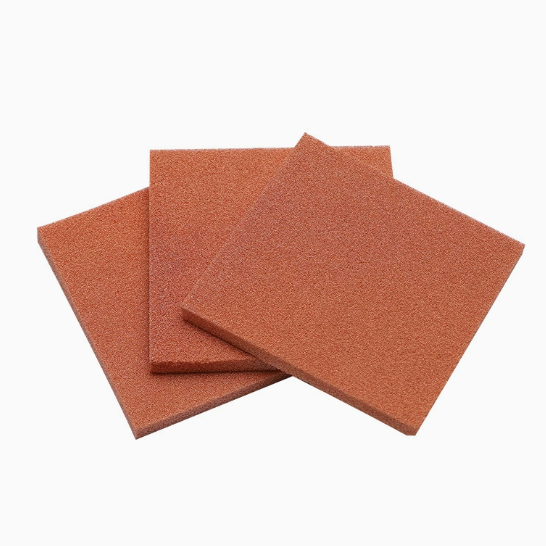
What standard sizes are available for copper foam and can it be customized to specific dimensions?
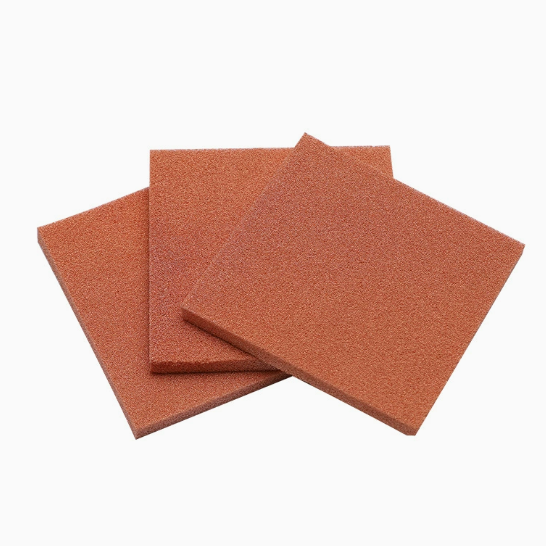
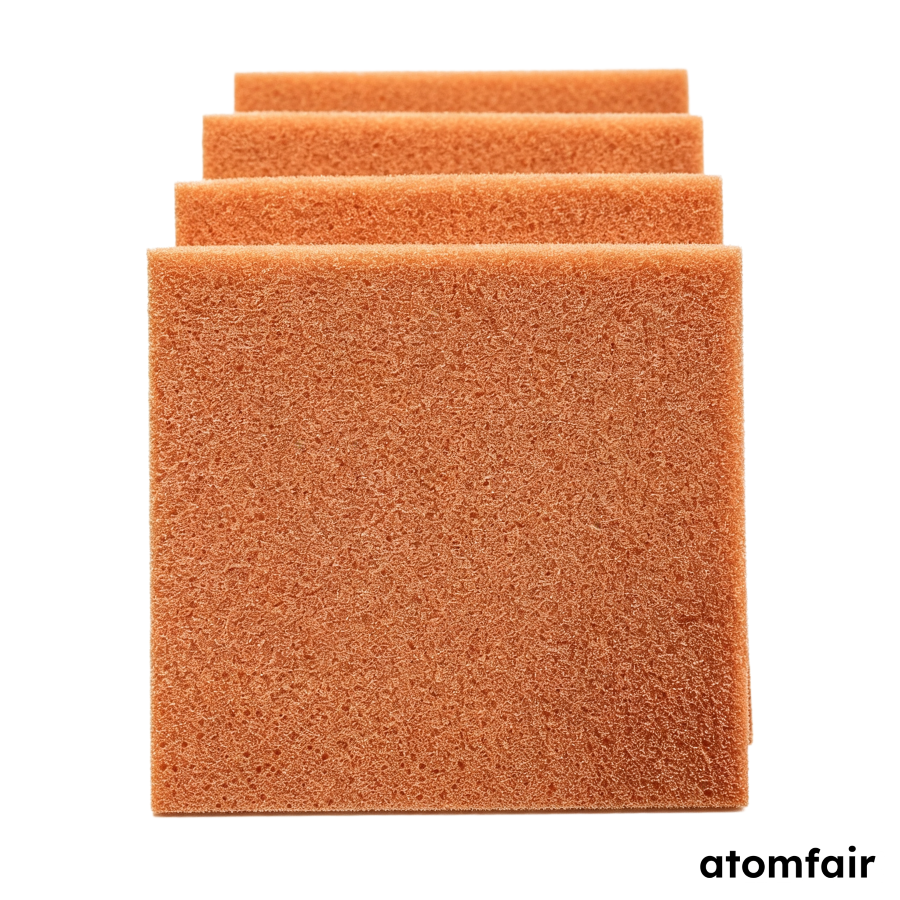
Standard sizes include 100mm×100mm×10mm, 200mm×300mm×2mm, and 300mm×300mm×5mm. Custom sizes are available upon request; contact inquiry@atomfair.com for customization requirements.
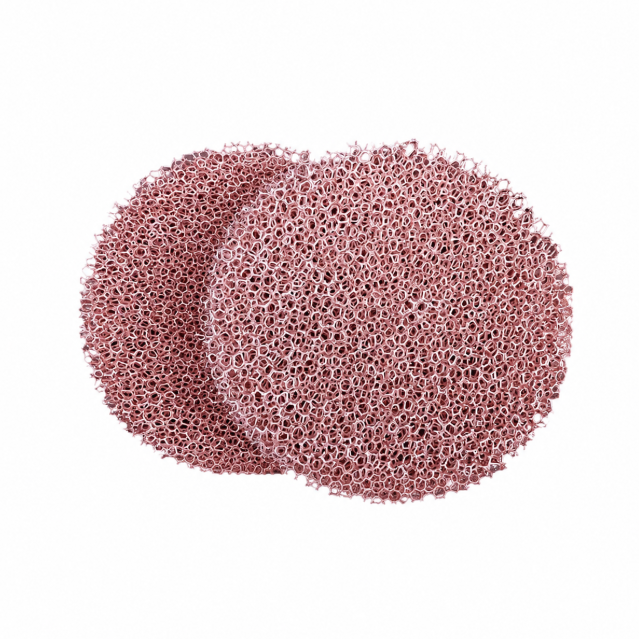
Atomfair's variable copper foam product, available in 100×100×10 mm, 200×300×2 mm, and 300×300×5 mm sizes, combines 60–98% porosity with a ≥98% through-hole rate and a heat transfer coefficient above 6 W/(m²·K), making it technically relevant for thermal management, electrode, catalysis, filtration, and EMI shielding applications. The material's low tensile strength of 5–18 KPa and grade-dependent porous structure require careful handling and explicit specification of the desired pore geometry.
Positive
- High through-hole porosity and thermal transport: With 60–98% porosity, ≥98% through-hole rate, and a heat transfer coefficient above 6 W/(m²·K), the foam is structurally suited for LED/CPU thermal management, heat pipe systems, and vapor chamber development.
- Electrically conductive electrode and shielding material: The combination of high electrical conductivity, mechanical strength ≥2.5 MPa, and copper's near-silver electromagnetic shielding performance supports use as skeletal electrode material in nickel-zinc batteries, electric double-layer capacitors, and EMI shielding.
Trade-offs
- Low tensile strength requires careful handling: Tensile strength is specified at only 5–18 KPa, so the porous structure is mechanically delicate in tension; handling, mounting, and integration must avoid concentrated pull or peel loading.
- Performance depends on selected porous grade: Porosity spans 60–98% and PPI spans 5–130, meaning thermal, filtration, acoustic, and shielding behavior changes significantly with the chosen grade; buyers must specify the exact porous structure and rely on custom sizing for non-standard geometries.
Every advanced material, component, equipment, and instrument in our catalog is backed by rigorous testing. We maintain strict internal quality management frameworks and align with CE conformity metrics to deliver transparent, reproducible performance data via our public open-science repository.
To request raw batch performance data, submit formal vendor registration paperwork, or execute a fast-turnaround R&D manufacturing loop, contact us at inquiry@atomfair.com.
Item is dispatched under the Atomfair Shipping & Delivery Framework (Free worldwide shipping on orders over $59 USD excl. heavy equipment). Return is governed by the Atomfair Return & Refund Policy (7-day technical return window).