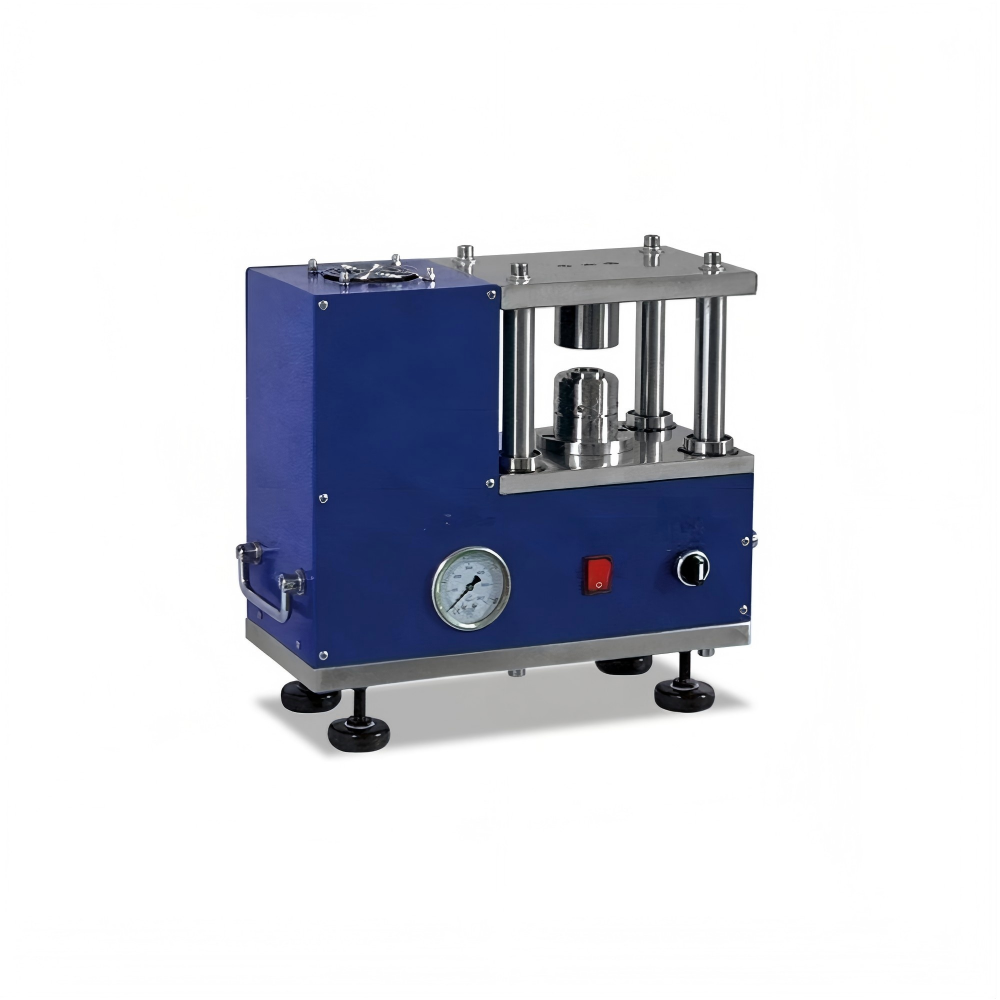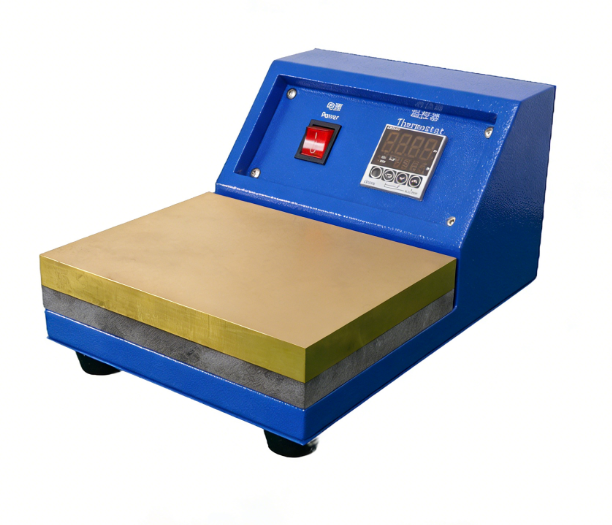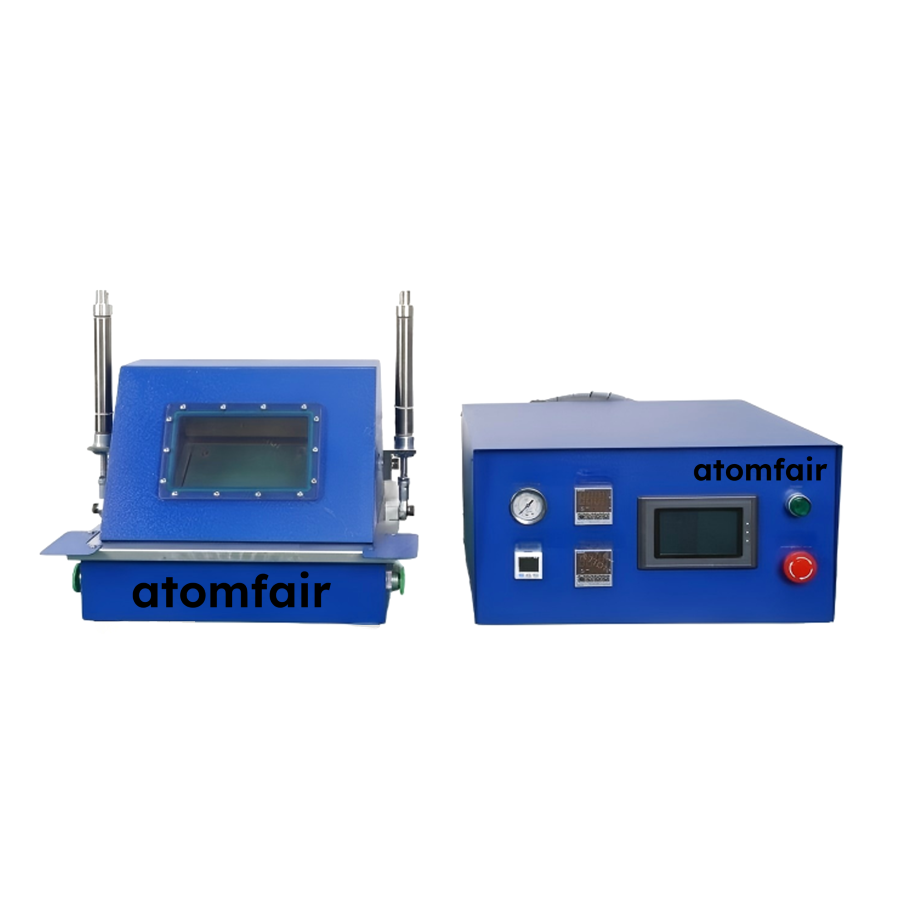
ATOMFAIR® VPS820 VACUUM PRE-SEALING MACHINERESEARCH GRADE MATERIAL
|
|||||||||||||||||||||||||||||||||||||||||
|
|||||||||||||||||||||||||||||||||||||||||
|
TAILORED SOLUTIONS FOR RESEARCH
Contact our engineering team for technical support or official institutional quotations.
EMAIL: inquiry@atomfair.com
|
|||||||||||||||||||||||||||||||||||||||||
|
Manufacturer: Atomfair LLC
Brand: ATOMFAIR®
|
|||||||||||||||||||||||||||||||||||||||||
This machine requires a grounded AC220V/50Hz electrical supply and compressed air at 5-7 Kg/cm² for pneumatic actuation. The sealing head temperature must be maintained within the specified adjustable range to prevent material degradation and ensure sealing quality.
- Electrical Supply Constraint: Must be connected to a grounded AC220V/50Hz power source.
- Compressed Air Constraint: Supply clean compressed air at a pressure of 5-7 Kg/cm².
- Temperature Control Constraint: Set sealing head temperature between room temperature and 300°C with control accuracy of ±2°C.
- Vacuum Level Constraint: Adjust vacuum degree up to -95KPa for effective sealing.
This procedure outlines the initial setup and automated sealing process for pouch lithium-ion batteries after electrolyte injection. Proper adjustment of temperature, pressure, and vacuum is critical to achieve a reliable seal without damaging the battery.
Required Equipment: Atomfair VPS820 Vacuum Pre-Sealing Machine
- Set Temperature
Set the sealing head temperature to the required value using the temperature controller. - Adjust Pressure
Adjust the upper and lower sealing head pressure via the pressure regulator to meet process requirements. - Place Battery
Place the electrolyte-filled pouch battery onto the lower sealing head within the vacuum chamber. - Close Chamber
Close the cylinder-driven cover cavity to seal the chamber. - Evacuate Chamber
Activate the vacuum pump to evacuate the chamber to the desired vacuum degree. - Initiate Sealing
Initiate the heat sealing cycle for the programmed time. - Remove Sealed Battery
Release the vacuum and open the chamber to remove the sealed battery.
How does adjusting the vacuum degree from -95KPa to a lower value affect the required sealing time and final seal integrity for electrolyte-wetted aluminum-plastic films?
The machine permits independent adjustment of vacuum degree up to -95KPa and sealing time from 0 to 99 seconds, allowing optimization for different electrolyte volumes and film thicknesses. Higher vacuum reduces trapped gas in the seal but typically requires longer sealing time to fully fuse the aluminum-plastic layers, while lower vacuum speeds the cycle but risks incomplete bonding or pinhole defects. The copper sealing heads improve heat transfer efficiency, compensating for longer cycles at high vacuum.
What are the maximum pouch cell dimensions that can be accommodated given the 200mm sealing head length and the split design for glove box integration?
The sealing head length of 200mm directly limits the longest seal edge to 200mm per stroke; pouch cells with a seal edge longer than 200mm cannot be processed in a single pass. The split design allows the working unit (470×485×435mm) to be placed inside a glove box, but the internal chamber volume restricts the overall pouch footprint. The sealing edge width of 5mm and parallel gap of ≤0.02mm ensure consistent seal quality within these dimensional constraints.
What infrastructure requirements, including compressed air quality and glove box compatibility, are necessary for safe operation of this vacuum pre-sealing machine with lithium-ion battery electrolytes?
The machine requires a clean, dry compressed air supply adjustable to 5-7Kg/cm² and standard AC220V/50Hz power. Its split design enables the working unit to be placed inside an argon glove box while the control box remains outside, preserving the inert atmosphere. The built-in viewing window allows real-time monitoring of the sealing process without exposing the electrolyte to ambient humidity, and the copper sealing heads reduce outgassing risks compared to other materials.
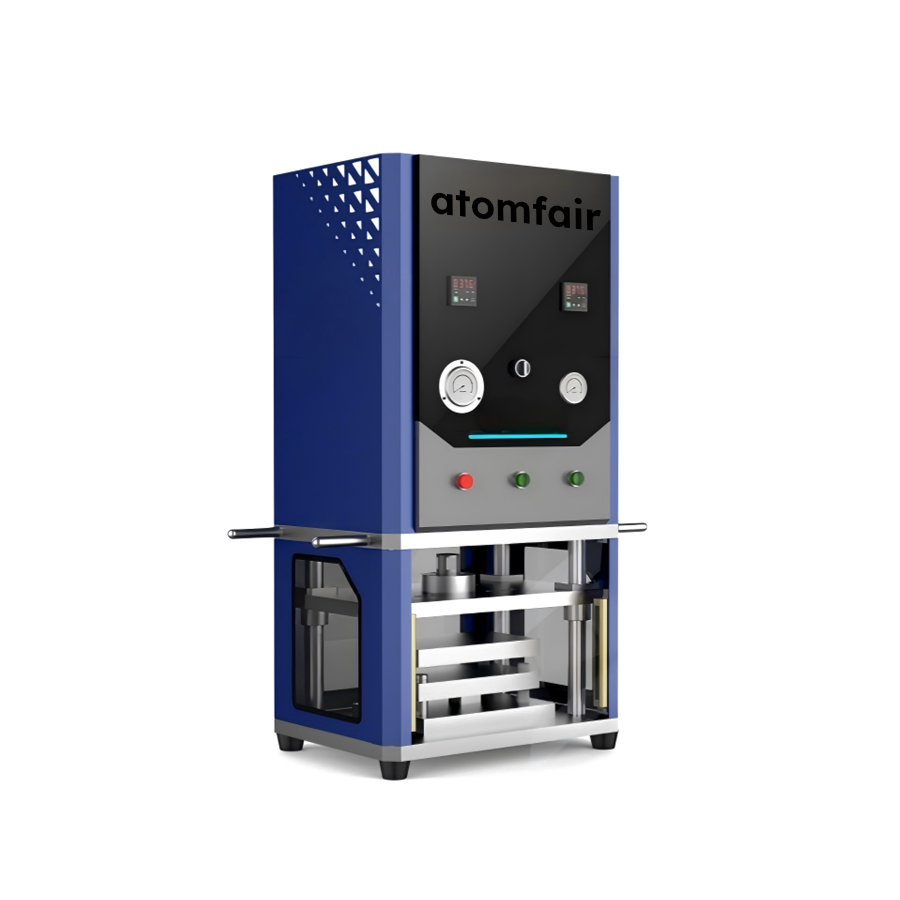
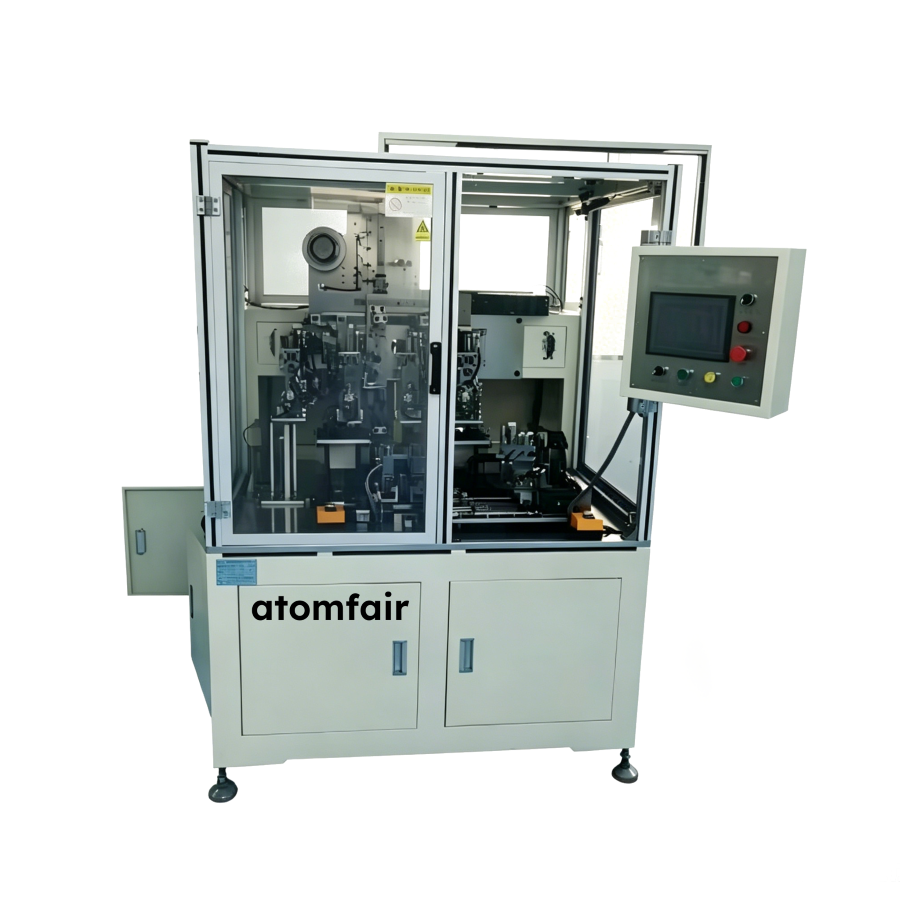
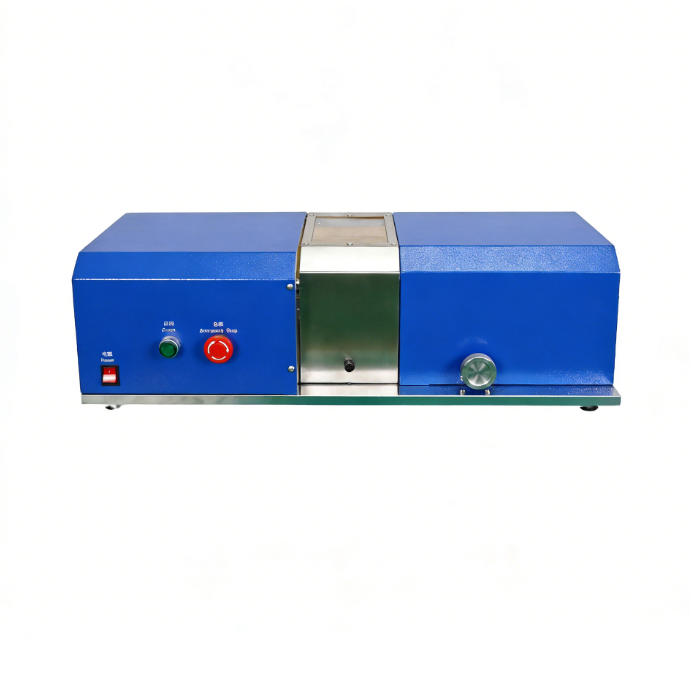
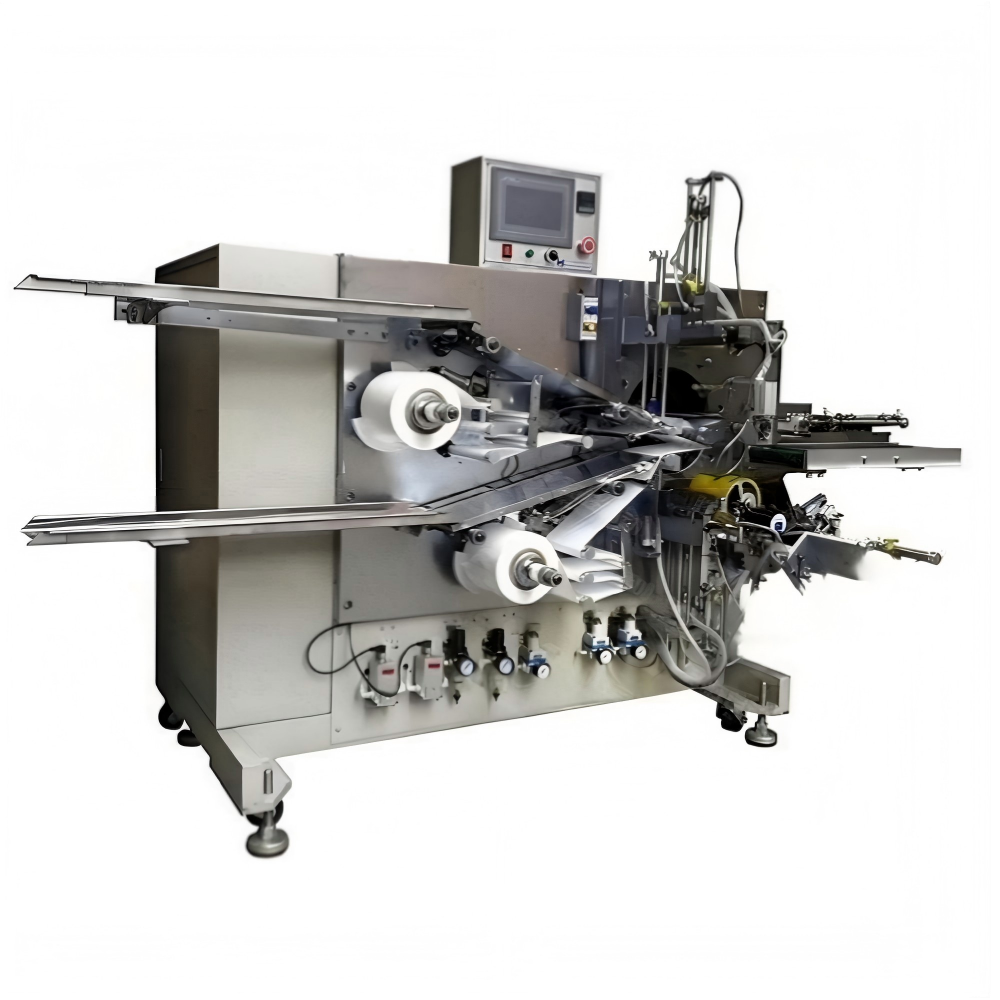
The Atomfair Vacuum Pre-Sealing Machine (VPS820) uses copper sealing heads for efficient heat transfer and energy savings, with a split design allowing operation in glove boxes or on production lines. It delivers ±2°C temperature control and a ≤0.02mm parallel gap for consistent seals, but requires compressed air and 220V power, and its 50kg weight demands stable benching.
Positive
- Copper sealing heads for heat transfer: Copper sealing heads provide excellent heat transfer, energy saving, and high efficiency, making the machine more energy-efficient than similar products.
- Split design for flexible deployment: The split design of main unit and control box allows the machine to be used directly in a glove box or integrated into a production line.
Trade-offs
- Requires compressed air and 220V supply: The machine needs an external compressed air source at 5–7 kg/cm² and AC220V/50Hz power, which may not be universally available in all laboratory or production settings.
- Heavy unit at 50 kg: With an approximate weight of 50 kg, the working unit requires a robust bench or handling equipment for installation and repositioning.
Every advanced material, component, equipment, and instrument in our catalog is backed by rigorous testing. We maintain strict internal quality management frameworks and align with CE conformity metrics to deliver transparent, reproducible performance data via our public open-science repository.
To request raw batch performance data, submit formal vendor registration paperwork, or execute a fast-turnaround R&D manufacturing loop, contact us at inquiry@atomfair.com.
Item is dispatched under the Atomfair Shipping & Delivery Framework (Free worldwide shipping on orders over $59 USD excl. heavy equipment). Return is governed by the Atomfair Return & Refund Policy (7-day technical return window).