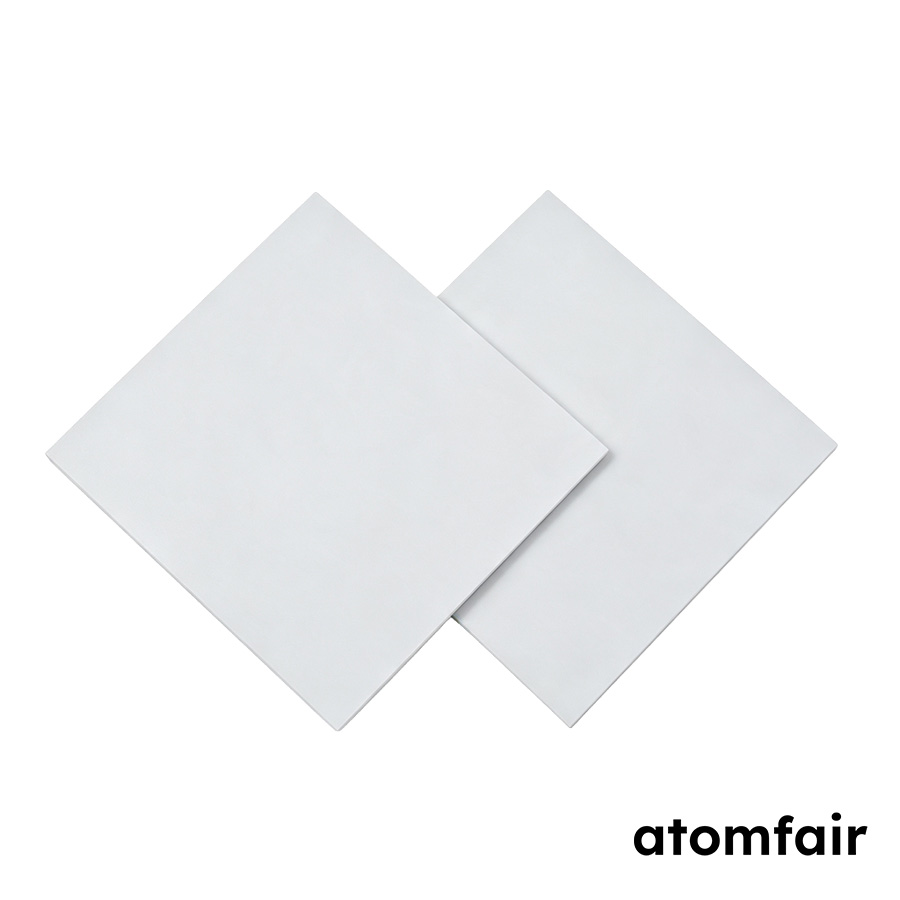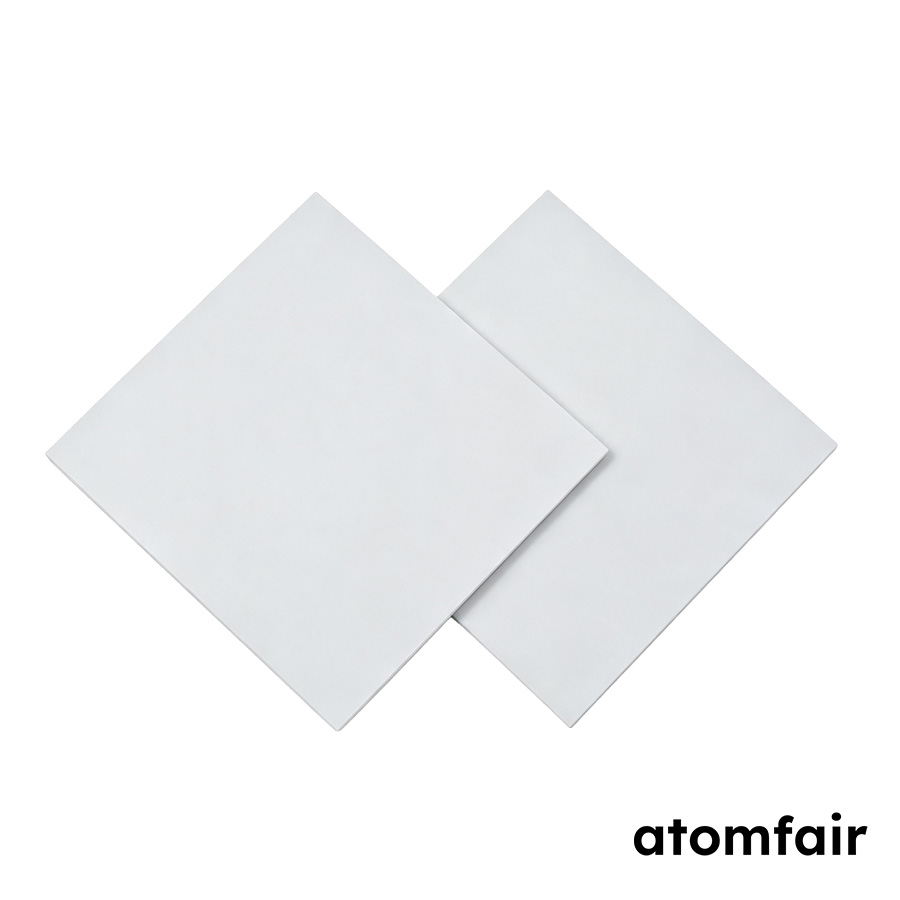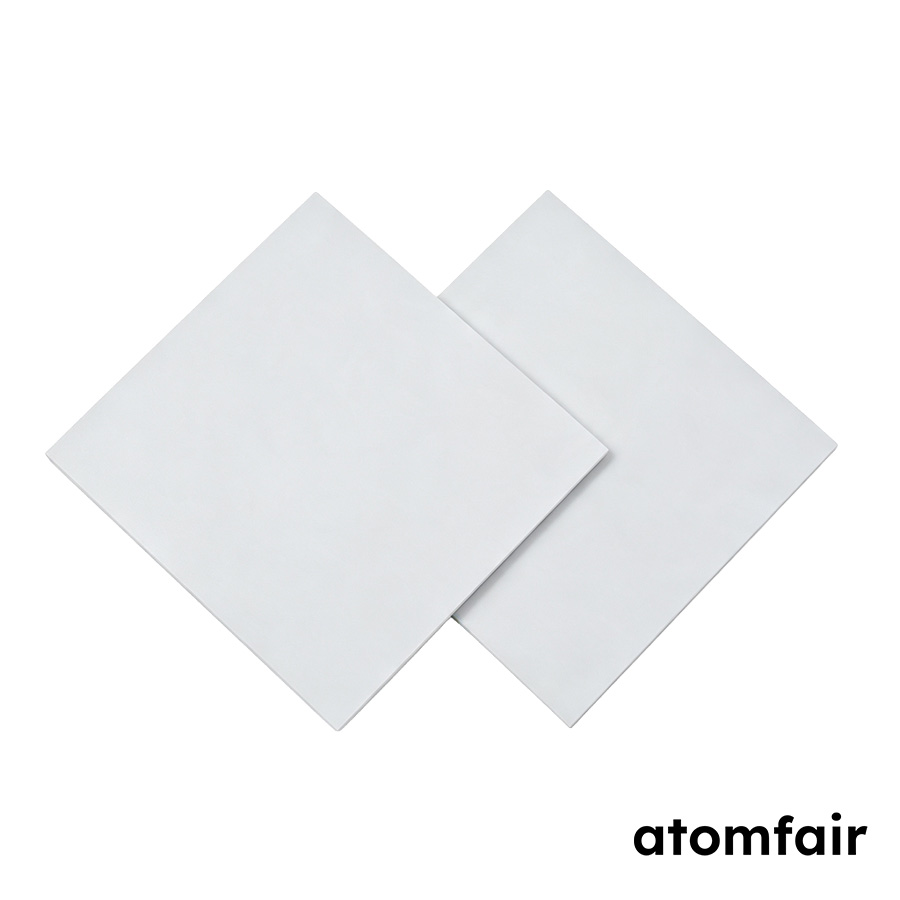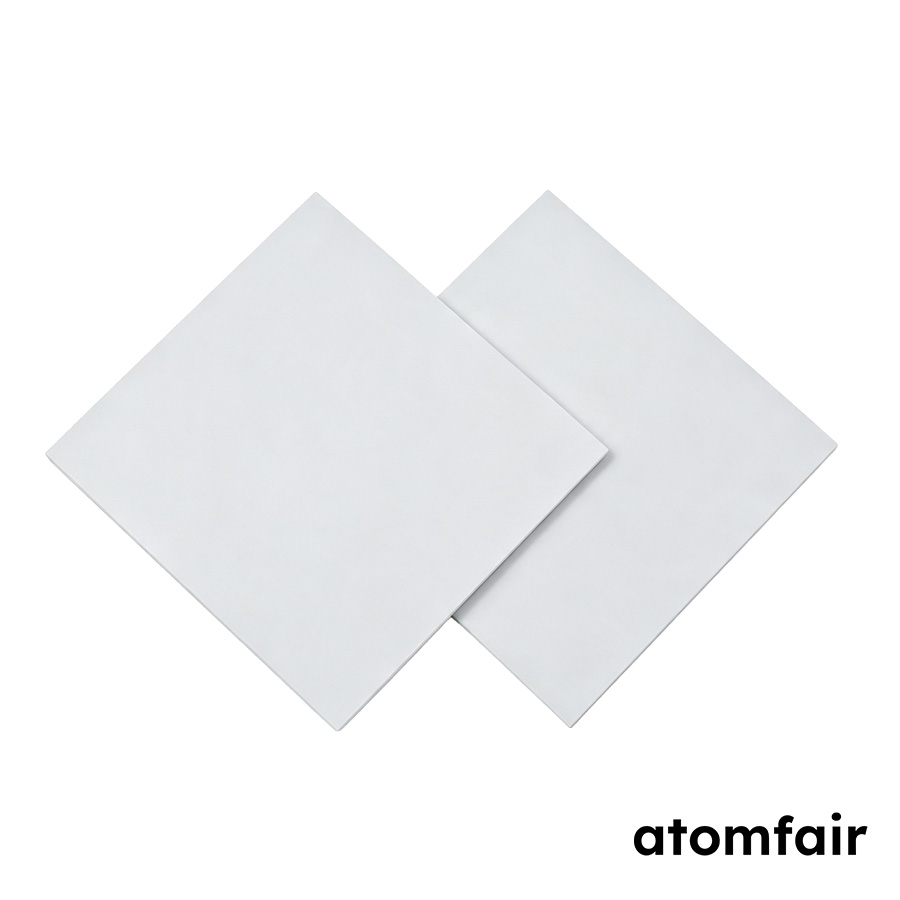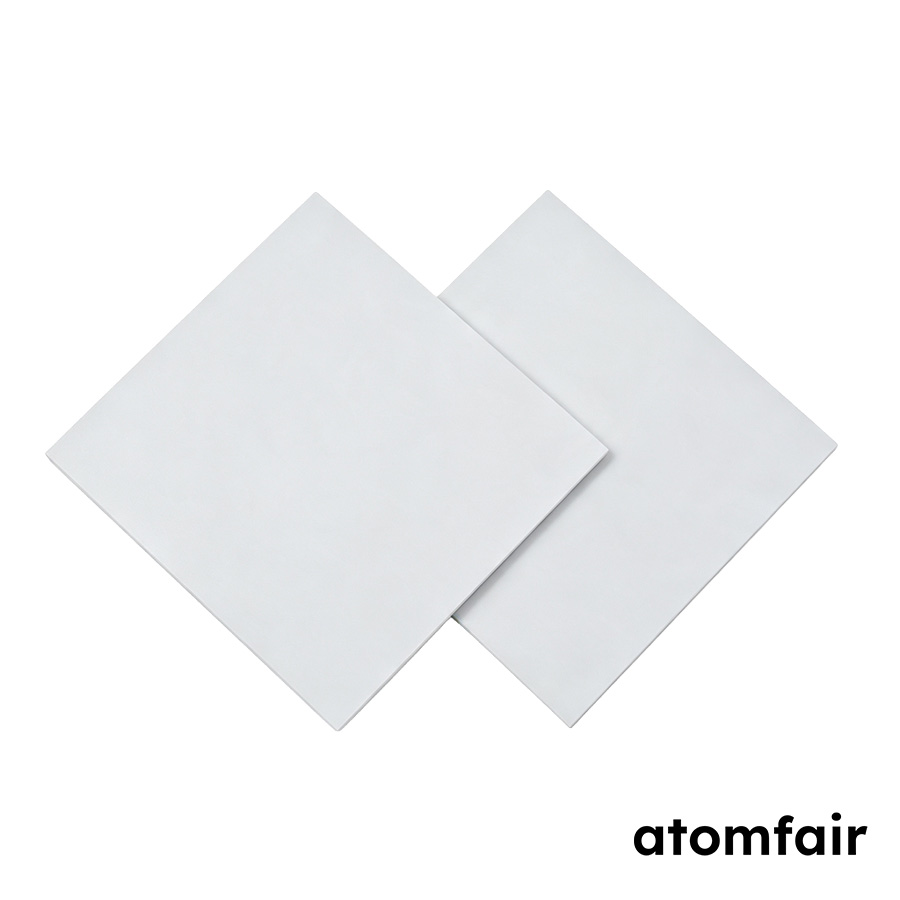
96% Alumina Ceramic Substrate, 70 mm x 70 mm x 2 mm, Pack of 10Product Type: Technical ceramic substrate
Research-grade laboratory product
|
|||||||||||||||||||||||||||||||||
|
|||||||||||||||||||||||||||||||||
|
LABORATORY PROCUREMENT SUPPORT
For model selection, accessory matching, platform compatibility or configuration confirmation, contact our technical sales team.
E-MAIL: inquiry@atomfair.com
|
|||||||||||||||||||||||||||||||||
|
Supplier: Atomfair
Brand: ATOMFAIR®
|
This substrate exhibits high hardness and brittleness, requiring careful handling to avoid chipping or fracture during processing. Its surface roughness of Ra 0.15–0.30 μm and breakdown voltage ≥15 kV/mm impose specific constraints for metallization or dielectric applications.
- Mechanical fragility: Avoid impact or bending loads due to flexural strength >350 MPa but inherent ceramic brittleness.
- Surface preparation: Confirm surface roughness tolerance before applying coatings or thin films to ensure adhesion.
- Dielectric integrity: Verify breakdown voltage rating when designing for high-voltage insulation layers.
These substrates require clean, controlled handling to prevent contamination and mechanical damage. Proper cleaning and inspection steps ensure reliable performance in subsequent processing.
Required Equipment: Cleanroom gloves, Isopropyl alcohol, Lint-free wipes
- Inspect substrate
Visually examine each substrate for cracks, chips, or surface defects before use. - Clean surface
Wipe the substrate with isopropyl alcohol using a lint-free wipe to remove particulate contamination. - Dry thoroughly
Allow the cleaned substrate to air dry in a clean environment to prevent solvent residue. - Handle with care
Hold the substrate by edges only using cleanroom gloves to avoid surface contamination or breakage.
What electrical insulation and thermal performance does this 96% alumina ceramic substrate provide?
This 96% Al2O3 substrate is specified as an electrically insulating technical ceramic with low dielectric constant, low dielectric loss, and a breakdown voltage of 15 kV/mm. It also provides useful thermal conductivity at greater than 24 W/(m·K), so it can support heat transfer while maintaining electrical insulation.
What mechanical properties should be expected for the 70 mm x 70 mm x 2 mm substrate?
The substrate has a flexural strength of greater than 350 MPa, a Vickers hardness of 14 GPa, and a density of 3.70 g/cm³. These values indicate a high-strength, hard, dense ceramic plate for applications requiring mechanical robustness.
What surface finish and tolerance details must be confirmed for this 96% alumina substrate?
Surface roughness is specified as Ra 0.15-0.30 µm, while the listing does not state size tolerance or thickness tolerance as fixed values. Before quotation, confirm the Atomfair model AF-A96-S070P200, 70 mm x 70 mm x 2 mm size, pack of 10, material grade, surface finish, package format, and any polishing, coating, metallization, or custom-shape requirements.
This 96% alumina ceramic substrate (70 mm x 70 mm x 2 mm, pack of 10) provides a balance of high mechanical strength (>350 MPa flexural), electrical insulation (=15 kV/mm breakdown voltage), and moderate thermal conductivity (>24 W/(m·K)) for use as a rigid, thermally dissipative platform in high-temperature or chemically aggressive lab environments, though its as-fired surface roughness (Ra 0.15–0.30 μm) may require post-processing for thin-film or fine-pitch metallization applications.
Positive
- Combined thermal and electrical performance: Thermal conductivity >24 W/(m·K) and breakdown voltage =15 kV/mm enable simultaneous heat spreading and high-voltage isolation, reducing thermal management overhead in power electronic or plasma-based setups.
- Robust mechanical and chemical stability: Flexural strength >350 MPa, Vickers hardness 14 GPa, and good corrosion resistance ensure structural integrity under mechanical load and exposure to many acids, bases, or organic solvents typical in lab processing.
Trade-offs
- Surface roughness limits fine-pattern deposition: As-fired surface roughness Ra 0.15–0.30 μm may require lapping or polishing before reliable thin-film adhesion or fine-line photolithography, adding a post-processing step and potential yield loss for microelectronics or sensor fabrication.
- Moderate thermal conductivity constrains high-heat designs: With thermal conductivity >24 W/(m·K), this 96% alumina grade offers lower heat spreading than beryllia or aluminum nitride alternatives, limiting power density in applications exceeding approximately 10–20 W/cm² without active cooling.
Every advanced material, component, equipment, and instrument in our catalog is backed by rigorous testing. We maintain strict internal quality management frameworks and align with CE conformity metrics to deliver transparent, reproducible performance data via our public open-science repository.
To request raw batch performance data, submit formal vendor registration paperwork, or execute a fast-turnaround R&D manufacturing loop, contact us at inquiry@atomfair.com.
Item is dispatched under the Atomfair Shipping & Delivery Framework (Free worldwide shipping on orders over $59 USD excl. heavy equipment). Return is governed by the Atomfair Return & Refund Policy (7-day technical return window).