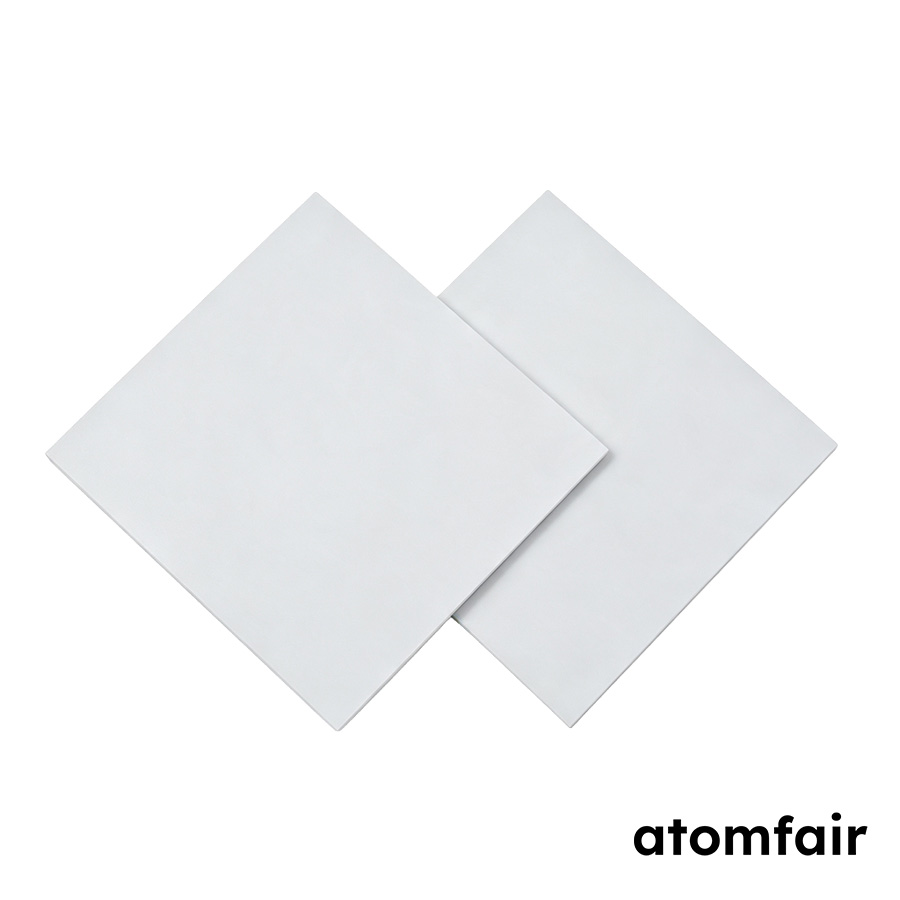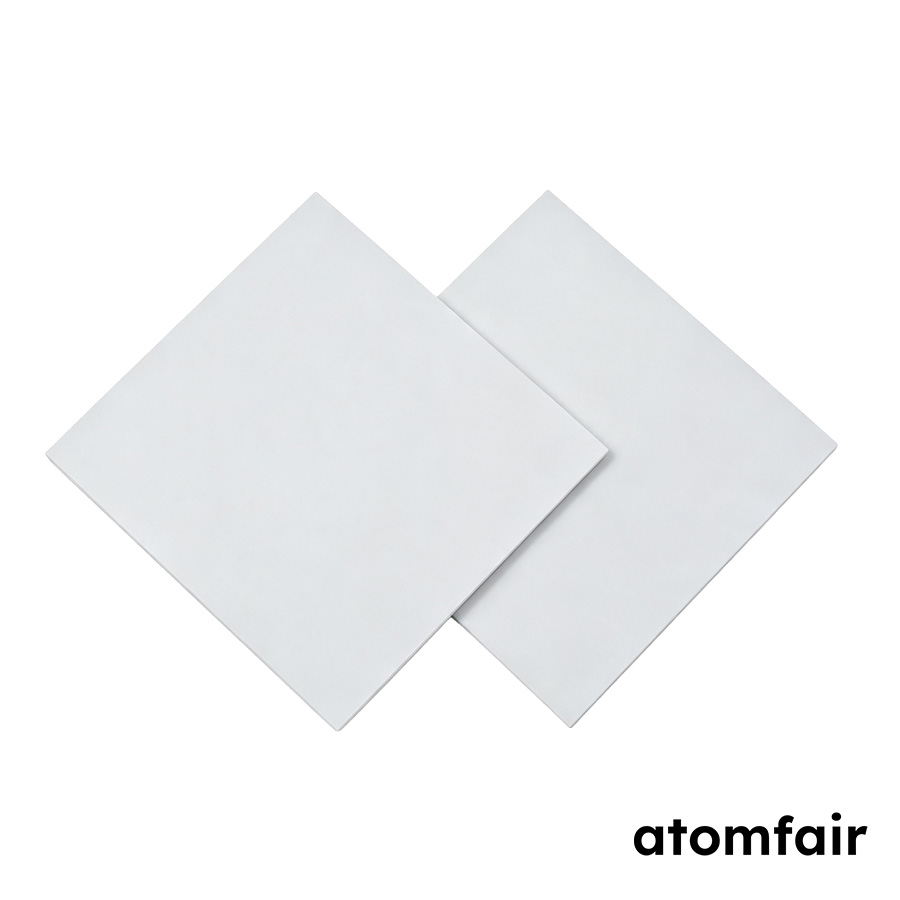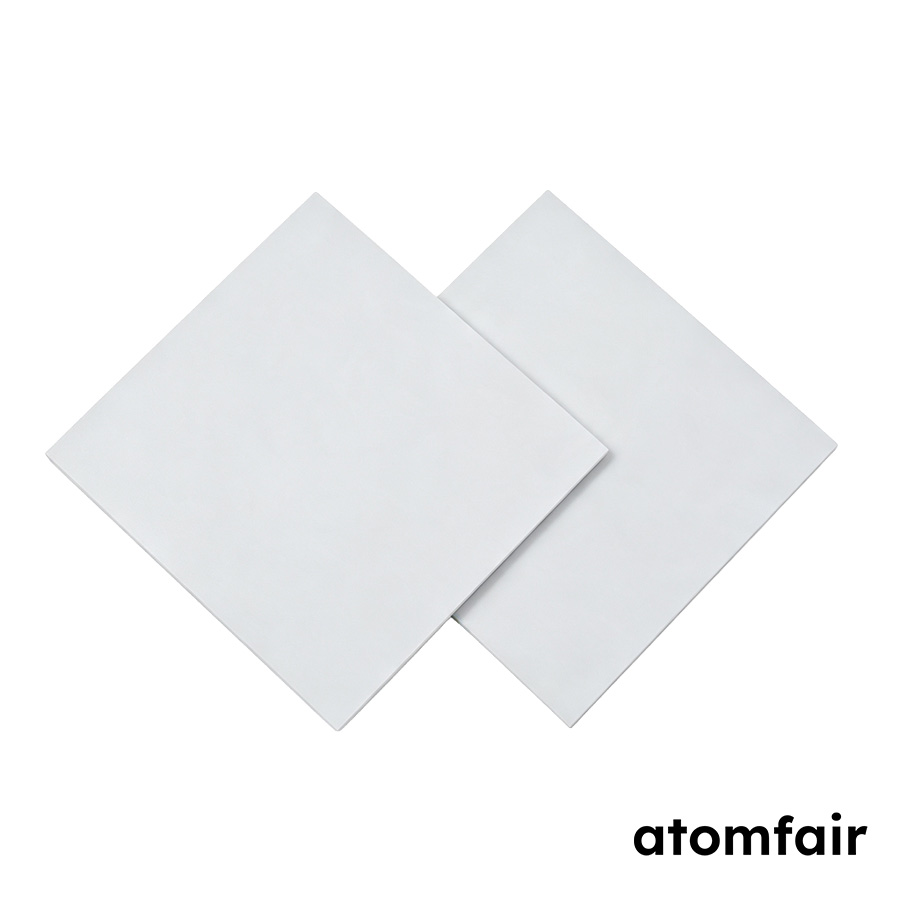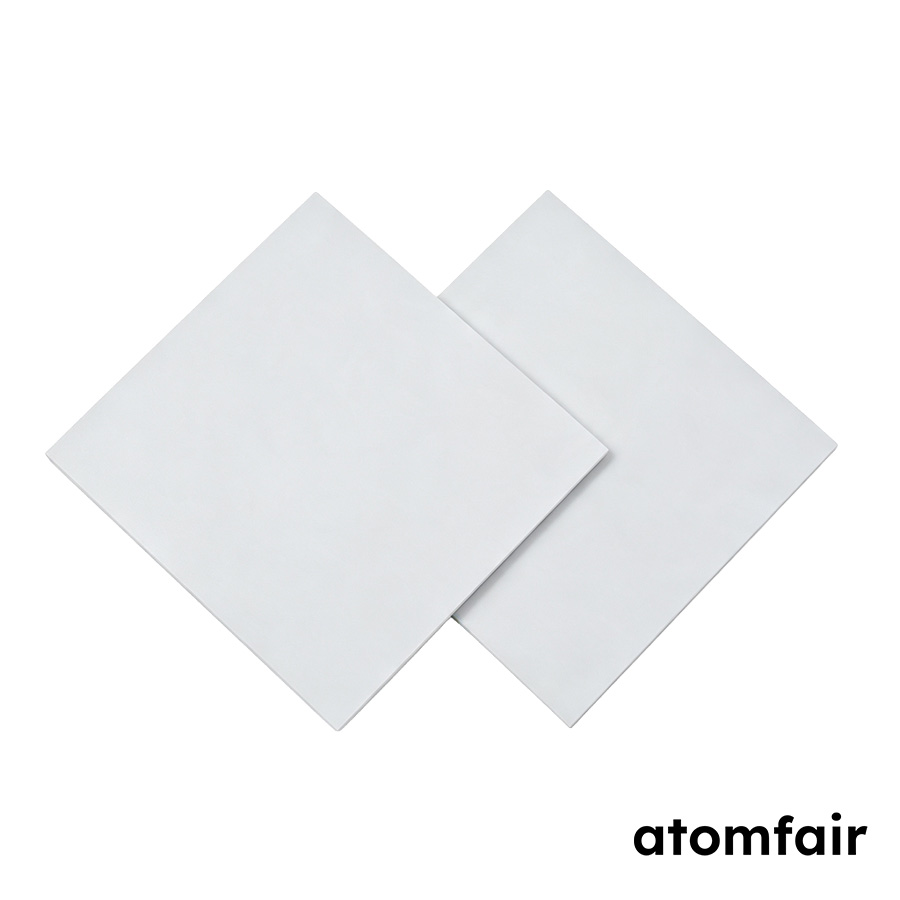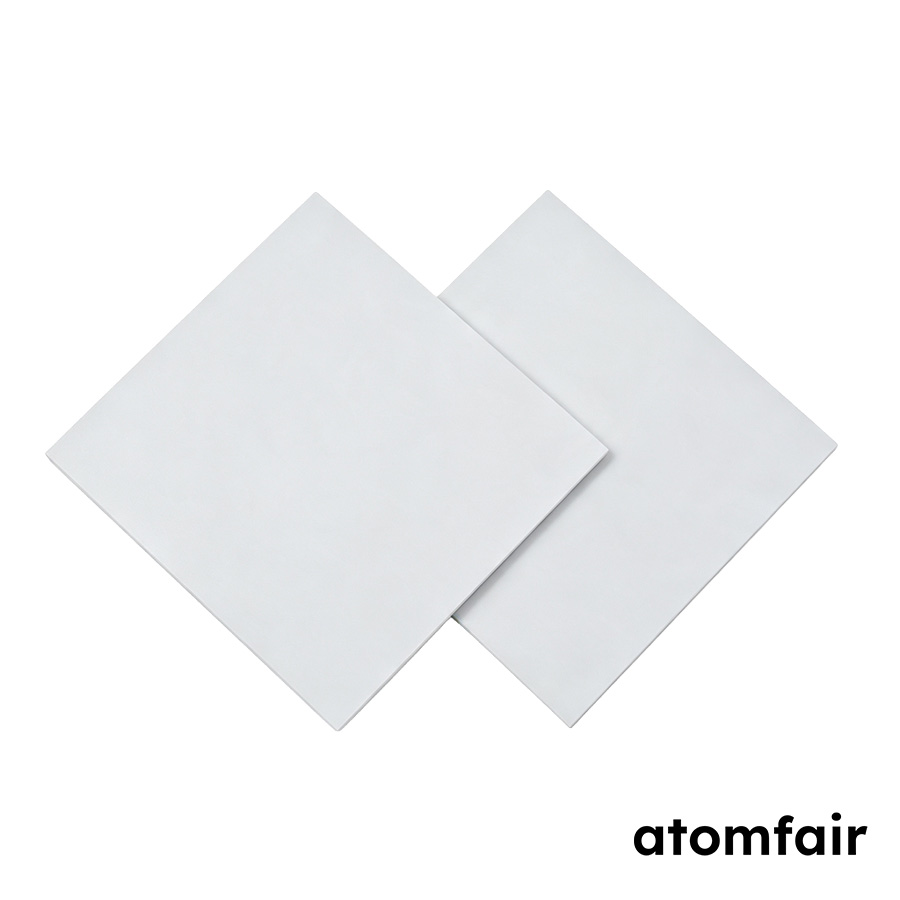
96% Alumina Ceramic Substrate, 120 mm x 120 mm x 0.8 mm, Pack of 10Product Type: Technical ceramic substrate
Research-grade laboratory product
|
|||||||||||||||||||||||||||||||||
|
|||||||||||||||||||||||||||||||||
|
LABORATORY PROCUREMENT SUPPORT
For model selection, accessory matching, platform compatibility or configuration confirmation, contact our technical sales team.
E-MAIL: inquiry@atomfair.com
|
|||||||||||||||||||||||||||||||||
|
Supplier: Atomfair
Brand: ATOMFAIR®
|
What is the surface roughness and flexural strength of the 96% alumina ceramic substrate 120 mm x 120 mm x 0.8 mm?
The substrate has a surface roughness of Ra 0.15–0.30 µm and a flexural strength greater than 350 MPa. These parameters are critical for applications requiring a smooth, defect-free surface for thin-film deposition or photolithography, combined with sufficient mechanical robustness to withstand handling and thermal cycling.
Can this 96% alumina substrate be used directly in high-voltage or high-temperature applications without additional coating?
Yes, the substrate provides a breakdown voltage of ≥15 kV/mm and thermal conductivity >24 W/(m·K), making it suitable for high-voltage insulation and moderate heat dissipation. However, for extreme thermal cycling or corrosive environments, the manufacturer recommends confirming whether polishing, coating, or metallization is required for your specific application.
What handling and storage precautions are recommended for the 96% alumina ceramic substrate to avoid damage?
The substrate has a Vickers hardness of 14 GPa and a density of ≥3.70 g/cm³, indicating high hardness and brittleness. Handle with clean gloves to avoid contamination, store in a dry, clean environment to prevent surface degradation, and avoid mechanical shock or stacking without proper cushioning to prevent edge chipping or fracture.
This 96% alumina ceramic substrate (120 mm x 120 mm x 0.8 mm, pack of 10) delivers a balanced combination of high flexural strength (>350 MPa), electrical breakdown resistance (≥15 kV/mm), and moderate thermal conductivity (>24 W/(m·K)), making it suitable for insulating and structural uses in high-temperature or corrosive lab environments. The 0.15–0.30 μm surface roughness requires users to confirm whether additional polishing or metallization is needed for thin-film or precision bonding applications.
Positive
- High mechanical and electrical strength: Flexural strength >350 MPa and breakdown voltage ≥15 kV/mm ensure reliable performance under mechanical load and high-voltage conditions common in test fixtures or insulating substrates.
- Corrosion-resistant and thermally conductive: Good chemical stability and >24 W/(m·K) thermal conductivity support use in aggressive media and moderate heat dissipation without degradation.
Trade-offs
- Surface roughness may require post-processing: Ra 0.15–0.30 μm is suitable for many structural applications, but thin-film, metallization, or precision bonding processes may need custom polishing to achieve lower surface roughness.
- Brittleness requires careful handling: As a dense ceramic, the substrate is prone to chipping or cracking under point impact or improper clamping; users should implement cushioned fixturing and slow thermal ramps to avoid mechanical or thermal shock.
Every advanced material, component, equipment, and instrument in our catalog is backed by rigorous testing. We maintain strict internal quality management frameworks and align with CE conformity metrics to deliver transparent, reproducible performance data via our public open-science repository.
To request raw batch performance data, submit formal vendor registration paperwork, or execute a fast-turnaround R&D manufacturing loop, contact us at inquiry@atomfair.com.
Item is dispatched under the Atomfair Shipping & Delivery Framework (Free worldwide shipping on orders over $59 USD excl. heavy equipment). Return is governed by the Atomfair Return & Refund Policy (7-day technical return window).