
Prismatic Battery Cells
Prismatic Battery Cells are rechargeable battery cells that use a rigid, square-shaped casing. Their structured design provides efficient space utilization, organized arrangement, and convenient integration into battery modules and complete battery systems. Compared with cylindrical and pouch cells, prismatic cells are commonly used in electric vehicles, energy storage systems, backup power equipment, industrial equipment, and large battery packs.
The term “prismatic” describes the cell shape and construction, not a fixed chemistry or performance level. Prismatic battery cells may use lithium iron phosphate, nickel manganese cobalt, nickel cobalt aluminum, lithium manganese oxide, sodium-ion, lithium titanate, semi-solid-state, or other battery technologies. As a result, voltage, capacity, energy density, charge rate, discharge rate, cycle life, operating temperature, and safety requirements may vary significantly between products.
This category is intended for individual prismatic battery cells used in battery pack manufacturing, energy storage system assembly, electric mobility, backup power, industrial equipment, and battery research projects. Battery modules, custom battery packs, and complete battery energy storage systems are different product forms and should not be treated as direct substitutes for individual cells.
Show More: Prismatic Battery Cell Categories and Selection Guide
1. Select by Battery Chemistry
| Battery Chemistry | General Characteristics | Typical Applications |
|---|---|---|
| Lithium Iron Phosphate (LFP) | Often selected for stable operation, long-cycle applications, and energy storage systems. | Residential storage, commercial storage, telecom backup, low-speed vehicles, and industrial equipment. |
| Nickel Manganese Cobalt (NMC) | Commonly selected for higher energy density and applications with weight or runtime requirements. | Electric vehicles, hybrid vehicles, robots, and portable equipment. |
| Nickel Cobalt Aluminum (NCA) | Designed for high-energy applications where energy density is an important consideration. | Electric vehicles and high-energy battery systems. |
| Lithium Manganese Oxide (LMO) | May provide a balance between power performance, cost, and application requirements. | Power tools, mobility equipment, and hybrid battery systems. |
| Sodium-Ion | A non-lithium battery chemistry considered for selected storage, backup, and low-temperature applications. | Energy storage, backup power, low-speed electric vehicles, and telecom systems. |
| Lithium Titanate (LTO) | Suitable for applications requiring high-rate operation, fast charging, or frequent cycling. | Fast-charging equipment, buses, industrial vehicles, and specialized storage systems. |
| Semi-Solid-State and Solid-State Cells | Emerging technologies whose performance depends on cell design, materials, and manufacturing process. | Electric vehicles, advanced energy storage, and research projects. |
Different battery chemistries have different nominal voltages, charging limits, discharge limits, and battery management requirements. LFP, NMC, sodium-ion, LTO, and other prismatic cells should not be mixed or substituted solely because they have a similar external shape.
2. Select by Capacity and Physical Dimensions
Prismatic battery cells are available in small-capacity, medium-capacity, large-capacity, and ultra-large-capacity formats. A higher Ah rating does not automatically mean that a cell is better for every application. Battery pack space, operating current, weight, cooling method, and mechanical structure must also be considered.
| Capacity Range | Common Uses | Main Selection Considerations |
|---|---|---|
| Small-capacity cells | Small storage systems, portable equipment, laboratory projects, backup power, and light electric vehicles. | Compact size, low weight, current capability, and ease of modular design. |
| Medium-capacity cells | Robots, recreational vehicles, boats, power tools, telecom backup, and medium-sized battery packs. | Available space, discharge current, cycle profile, and pack voltage. |
| Large-capacity cells | Residential storage, commercial storage, industrial storage, UPS systems, and electric vehicles. | Cell weight, thermal management, mechanical support, and installation requirements. |
| Ultra-large-capacity cells | Large-scale energy storage, microgrids, renewable-energy storage, and high-capacity battery modules. | System voltage, transport, handling, enclosure design, cooling, and maintenance access. |
Before purchasing, confirm the cell length, width, height, weight, terminal position, polarity direction, connection method, and required expansion space. Cells with the same capacity may have completely different dimensions and terminal structures.
3. Select by Performance Requirements
High-Energy-Density Prismatic Cells
High-energy-density cells are suitable for electric vehicles, unmanned equipment, robots, and applications where runtime, weight, and available space are important. Key factors include gravimetric energy density, volumetric energy density, continuous discharge capability, thermal design, and operating temperature.
High-Rate Prismatic Cells
High-rate cells are designed for vehicles, power equipment, drones, robots, forklifts, and high-power energy storage systems. Pay attention to continuous charge and discharge rates, peak current, pulse duration, internal resistance, and temperature rise.
Long-Cycle-Life Prismatic Cells
Long-cycle-life cells are commonly selected for daily-cycling applications such as residential energy storage, commercial energy storage, telecom backup, and solar storage. Cycle-life specifications should be reviewed together with charge rate, discharge depth, operating temperature, and capacity-retention criteria.
Fast-Charging Prismatic Cells
Fast-charging cells are suitable for vehicles, industrial equipment, and charging systems where reduced charging time is important. Confirm that the cell, charger, BMS, wiring, connectors, and thermal-management system are designed for the intended charging rate.
Low-Temperature and Wide-Temperature Cells
Temperature-specialized prismatic cells are suitable for cold climates, outdoor equipment, recreational vehicles, boats, telecom base stations, and electric vehicles used in winter conditions. Always check the low-temperature charging range and low-temperature discharge range separately. A cell that can discharge at low temperature may not be suitable for charging at the same temperature.
High-Temperature-Environment Cells
For outdoor, industrial, vehicle, and hot-climate applications, review the specified operating temperature together with enclosure ventilation, cooling, temperature monitoring, and system-level protection.
4. Select by Application
| Application | Important Parameters |
|---|---|
| Residential Energy Storage | Cycle life, continuous current, safety protection, dimensions, and installation method. |
| Commercial and Industrial Energy Storage | Capacity consistency, system voltage, thermal management, BMS communication, and maintenance access. |
| Electric Vehicles | Energy density, charge and discharge rate, low-temperature performance, weight, dimensions, and safety. |
| Low-Speed Electric Vehicles | Capacity, continuous discharge current, cycle life, cost, and charging compatibility. |
| UPS and Telecom Backup | Standby life, continuous power capability, temperature tolerance, and reliability. |
| Recreational Vehicles and Marine Equipment | Weight, space utilization, protection level, low-temperature performance, and vibration resistance. |
| Robots and AGVs | Peak power, fast charging, cycle life, communication, and battery management. |
| Solar and Microgrid Storage | Daily cycling capability, capacity degradation, parallel expansion, and system safety. |
| Laboratory and Research Projects | Specification consistency, technical documentation, terminal structure, and batch stability. |
5. Parameters to Compare Before Purchasing
Before ordering prismatic battery cells, compare the following information:
- Battery chemistry and cell type
- Nominal voltage and operating voltage range
- Rated capacity and capacity test conditions
- Maximum continuous charge current
- Maximum continuous discharge current
- Peak discharge current and pulse duration
- Internal resistance and test temperature
- Cycle life and capacity-retention criteria
- Charge and discharge operating temperatures
- Storage temperature and recommended storage state of charge
- Cell dimensions, weight, and terminal layout
- Mechanical compression requirements
- Series and parallel connection requirements
- BMS requirements and communication interface
- Datasheets, test reports, and transport documentation
Testing conditions may differ between manufacturers. When comparing products, review the complete specification sheet instead of comparing only the Ah rating shown in a product title.
6. Prismatic Cells and Complete Battery Packs
An individual prismatic cell is a basic component of a battery system. A complete battery pack normally requires:
- Battery Management System (BMS)
- Charger or charging module
- Busbars, connectors, and insulation materials
- Fuses, relays, and circuit protection
- Temperature sensors
- Cell holders and mechanical compression components
- Enclosure and protection structure
- Thermal management or cooling system
- Battery communication and monitoring system
Battery pack safety depends not only on cell chemistry but also on cell matching, connection quality, mechanical support, charging control, temperature monitoring, and overall system design. Damaged, overcharged, short-circuited, or overheated lithium-ion cells may create serious safety risks. Use cells according to the product documentation and professional battery-design requirements.
Consumer FAQ
1. Can a prismatic battery cell directly replace the battery in my device?
Usually, it cannot be replaced directly. The chemistry, nominal voltage, charging voltage, discharge current, terminal position, BMS, and mounting structure must all be compatible. Even two cells with the same capacity may not be safely interchangeable.
2. Should I choose LFP or NMC prismatic cells?
If you prioritize long-term cycling, energy storage, and stable system operation, LFP may be a suitable chemistry to consider. If weight, size, and runtime are more important, NMC and other higher-energy-density chemistries may be worth evaluating. The final choice depends on power requirements, temperature, available space, and budget.
3. Is a higher-capacity prismatic cell always better?
Not necessarily. Higher-capacity cells can reduce the number of cells required in a battery pack, but they may also increase weight, installation size, transport requirements, and cooling or maintenance complexity. Choose capacity according to available space, target voltage, required current, and expected operating time.
4. How do I calculate the required battery capacity?
Start by estimating the required energy from power multiplied by operating time. Then consider system losses, permitted depth of discharge, temperature, and reserve capacity. Actual capacity may be affected by discharge rate, cell aging, temperature, and equipment efficiency, so the theoretical calculation should not be the only basis for purchasing.
5. Do prismatic battery cells require a BMS?
Most lithium battery packs made from multiple cells require a suitable BMS. A BMS commonly monitors voltage, protects against overcharging, over-discharging, over-current, and abnormal temperature, and helps balance the cells. Different chemistries require different voltage settings and protection logic.
6. Can I mix cells from different brands or with different capacities?
It is not recommended. Differences in capacity, internal resistance, production batch, age, and performance can lead to voltage imbalance, reduced capacity, local heating, or incorrect BMS readings. Cells used in one battery pack should have compatible specifications and matched electrical performance.
7. Can prismatic cells be connected in series or parallel?
Some products support series or parallel connection, but this must be confirmed from the product documentation. Series connection increases pack voltage, while parallel connection increases capacity and current capability. Both configurations also increase the requirements for balancing, protection, connections, and thermal management.
8. Can I charge a prismatic cell in a low-temperature environment?
Not always. The low-temperature discharge range and low-temperature charging range may be different. Charging at an unsuitable low temperature can damage the cell. Check the specific product charging-temperature range and consider a heating, insulation, or temperature-protection system when necessary.
9. Should I pay attention to cycle life when purchasing cells?
Yes, but cycle count should not be considered by itself. Cycle life depends on charge and discharge rate, depth of discharge, operating temperature, voltage limits, and the capacity-retention standard used in testing. For daily-use energy storage, compare cycle-life data under conditions close to your actual application.
10. What should I do if a cell arrives dented, leaking, swollen, or unusually hot?
Do not install, charge, or discharge the cell. Deformation, swelling, leakage, unusual odor, abnormal heat, smoke, or noise may indicate damage. Keep the cell away from flames and combustible materials, avoid contact with the terminals, and contact the supplier or a qualified battery professional for handling instructions.
11. Are prismatic battery cells suitable for residential energy storage?
Some prismatic cells are suitable for residential energy storage, but an individual cell is not a complete home energy storage system. A complete system also requires a BMS, inverter, protection devices, enclosure, thermal management, and an installation design that meets applicable local requirements.
12. What documents should I request before purchasing?
Request the product datasheet, dimensional drawing, charge and discharge specifications, temperature ranges, testing conditions, storage requirements, transport documentation, and applicable inspection documents. For vehicle, energy storage, and commercial projects, also confirm batch consistency, purchasing terms, warranty conditions, lead time, and available technical support.
Showing 17–32 of 33 results
-
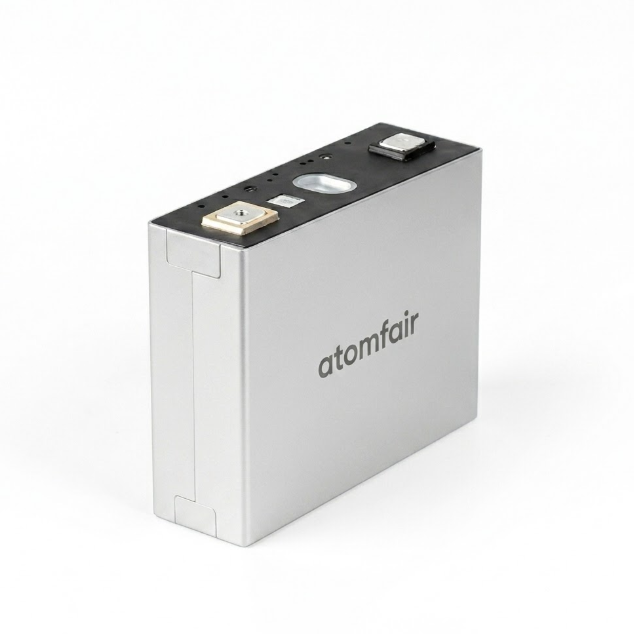
LFP Prismatic ESS Battery Cell 3.20V 280Ah ATOMFAIR®
$382.00 -
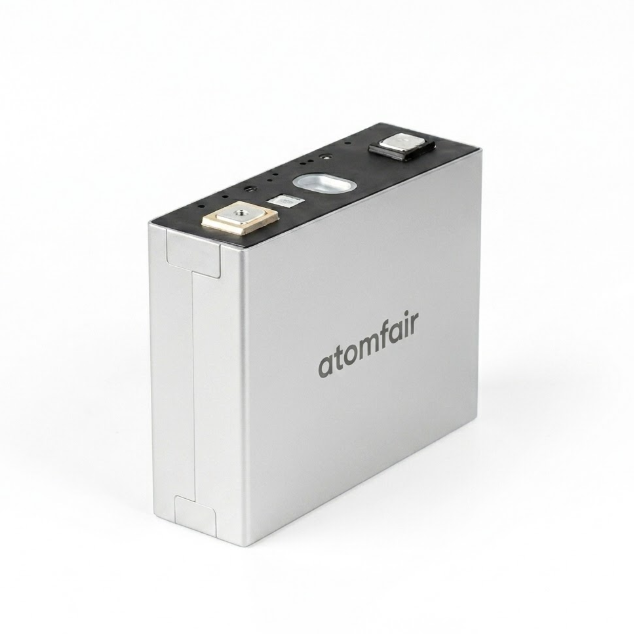
LFP Prismatic ESS Battery Cell 3.20V 314Ah ATOMFAIR®
Price range: $400.00 through $470.00 -
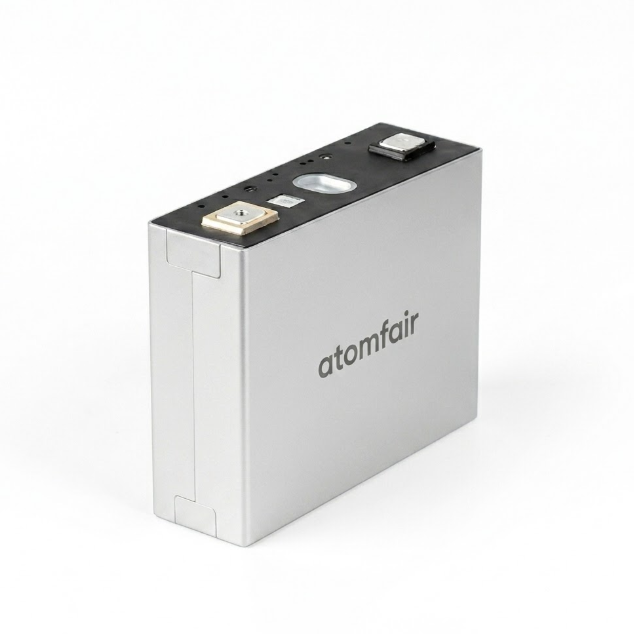
LFP Prismatic ESS Battery Cell 3.20V 392Ah ATOMFAIR®
$500.00 -
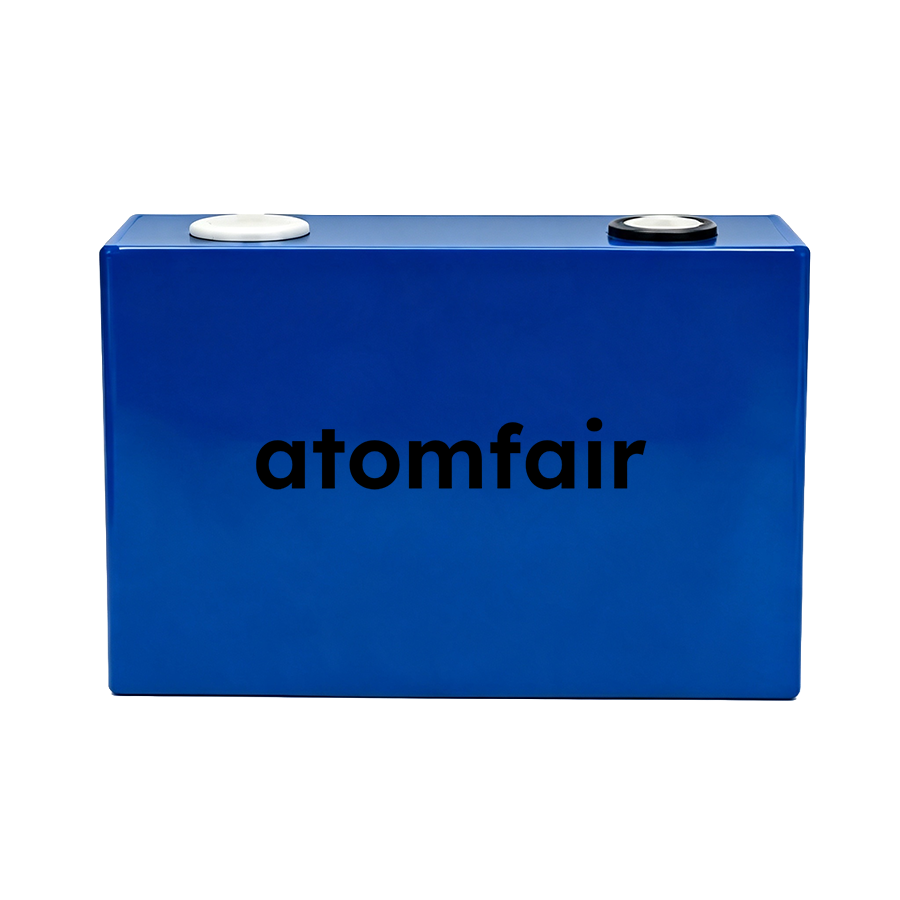
Low-Temp Prismatic Battery Cell 3.2V 206-280Ah ATOMFAIR®
Price range: $230.00 through $305.00 -
Low-Temperature Prismatic Cell 3.2V 206-304Ah ATOMFAIR®
Price range: $210.00 through $295.00 -
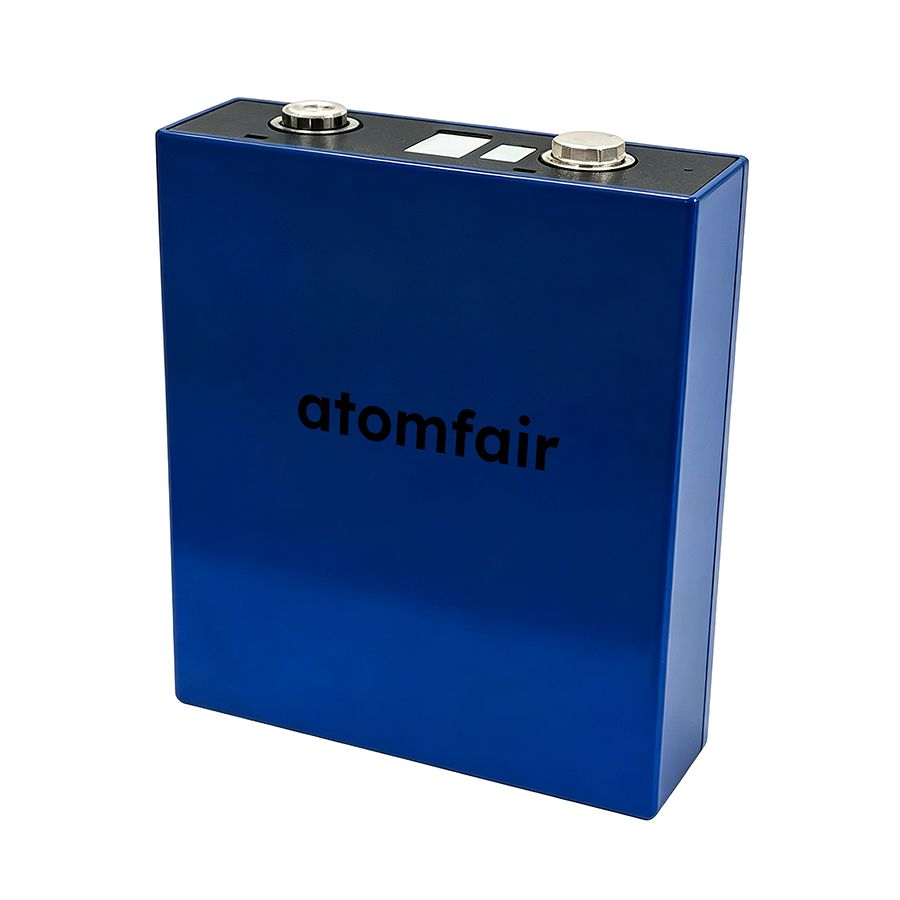
Prismatic Battery Cell 3.2V 50Ah -50°C to 60°C ATOMFAIR®
$94.00 -
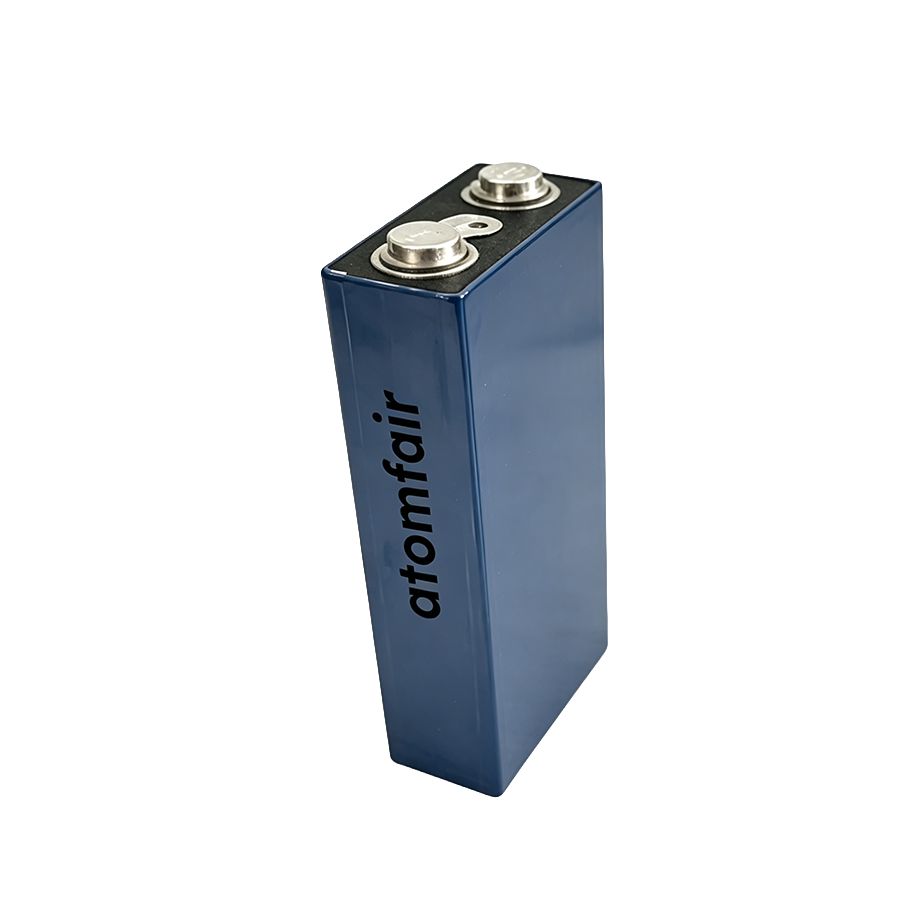
Prismatic LFP Cell 3.2V 20Ah Wide-Temperature ATOMFAIR®
$62.00 -
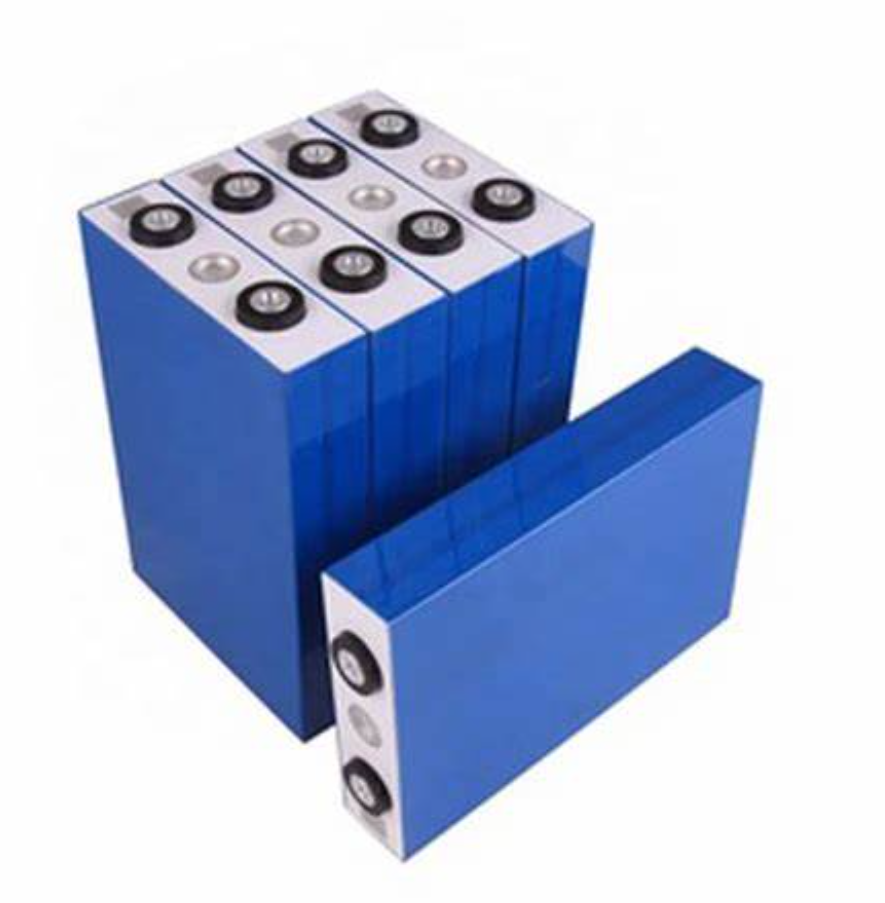
Prismatic Li-ion Battery Cell 40-160Ah Research ATOMFAIR®
$100.00 -
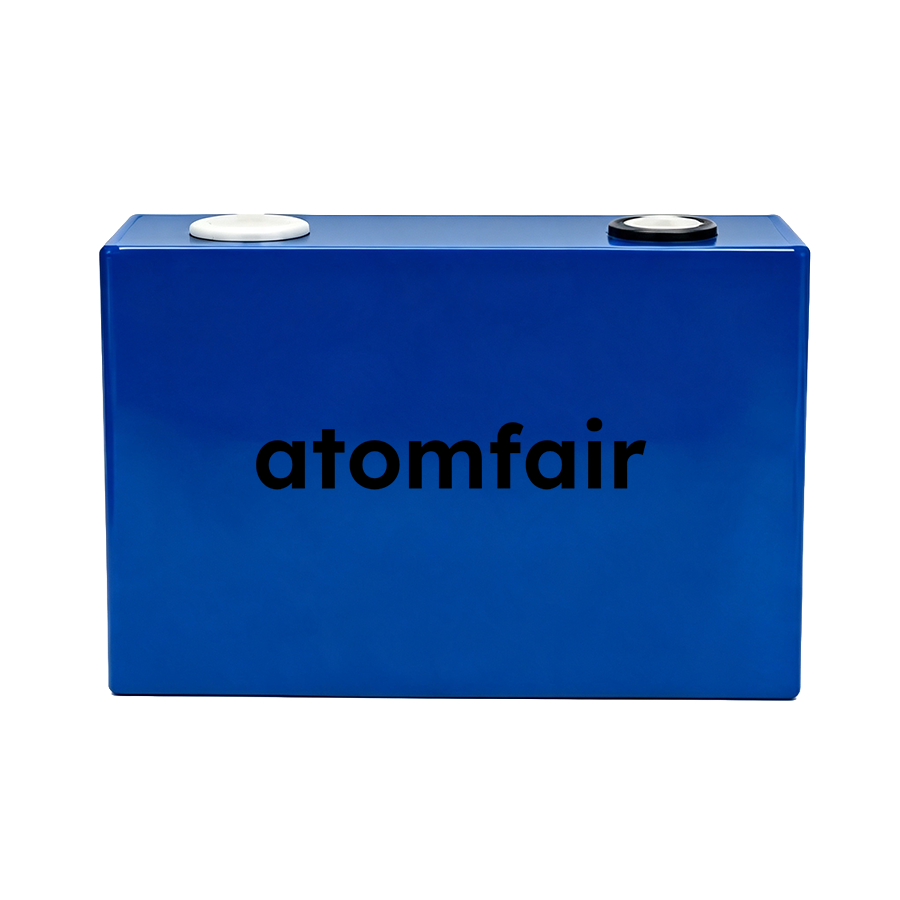
Sodium-Ion Power Cell 31 Ah 3.10 V AF-SQ-31A ATOMFAIR®
$74.00 -
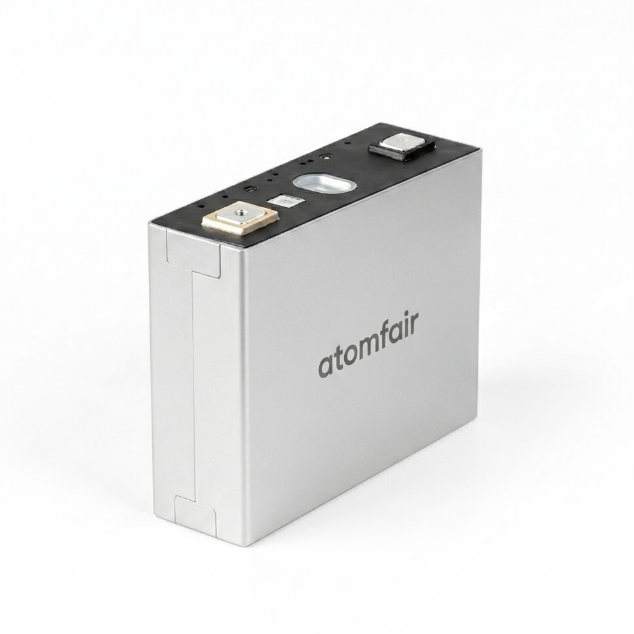
Sodium-Ion Prismatic Cell 160Ah 2.86V 450Wh ATOMFAIR®
$295.00 -
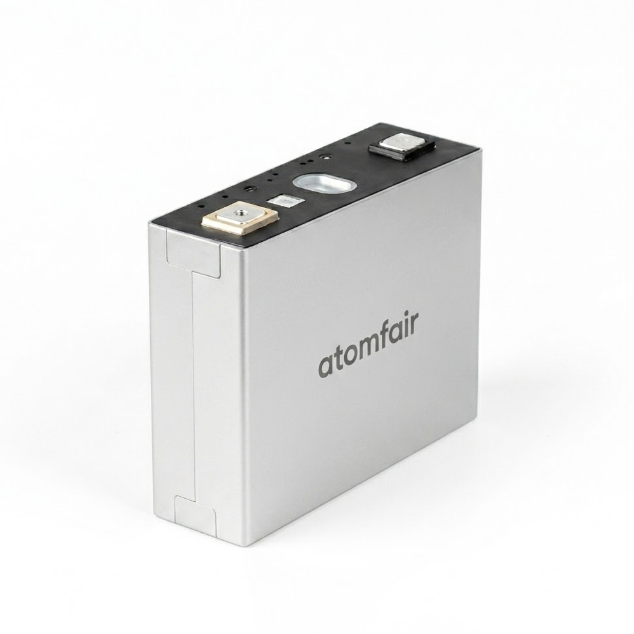
Sodium-Ion Prismatic Cell 160Ah 2.9V IEC62619 ATOMFAIR®
$290.00 -
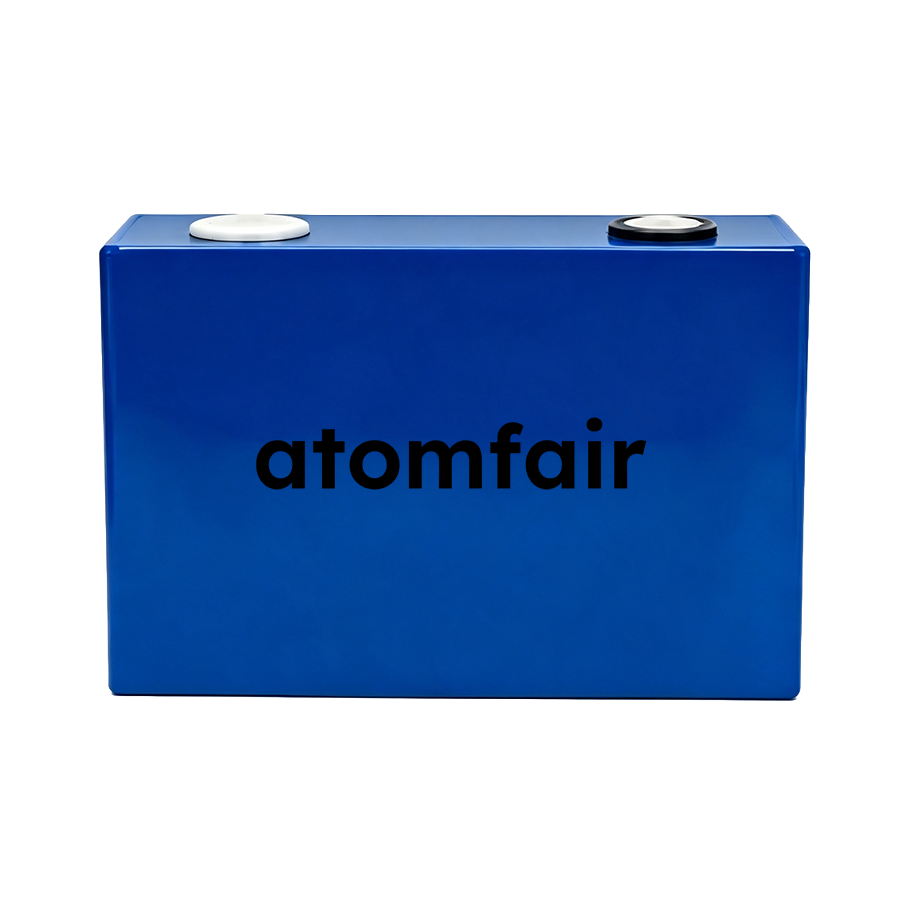
Sodium-Ion Square-Shell Cell 65Ah 3.10V AF-SQ-65A ATOMFAIR®
$129.00 -
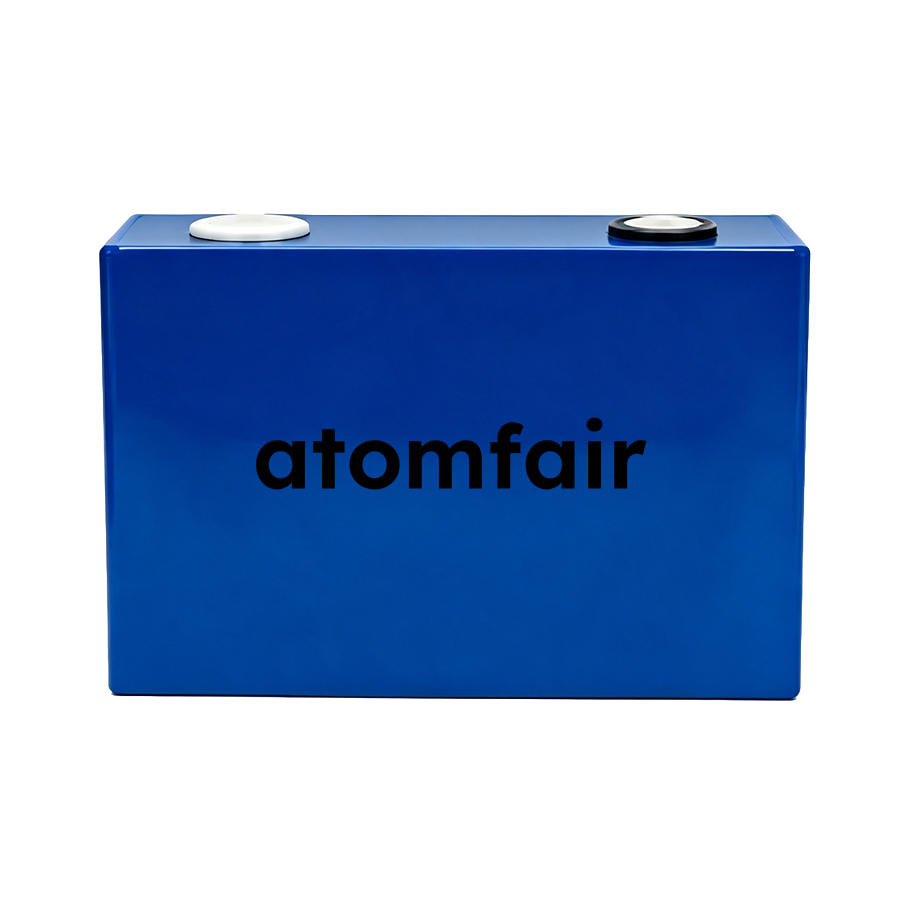
Square-Shell Sodium-Ion Energy Cell 160Ah 2.86V ATOMFAIR®
$280.00 -
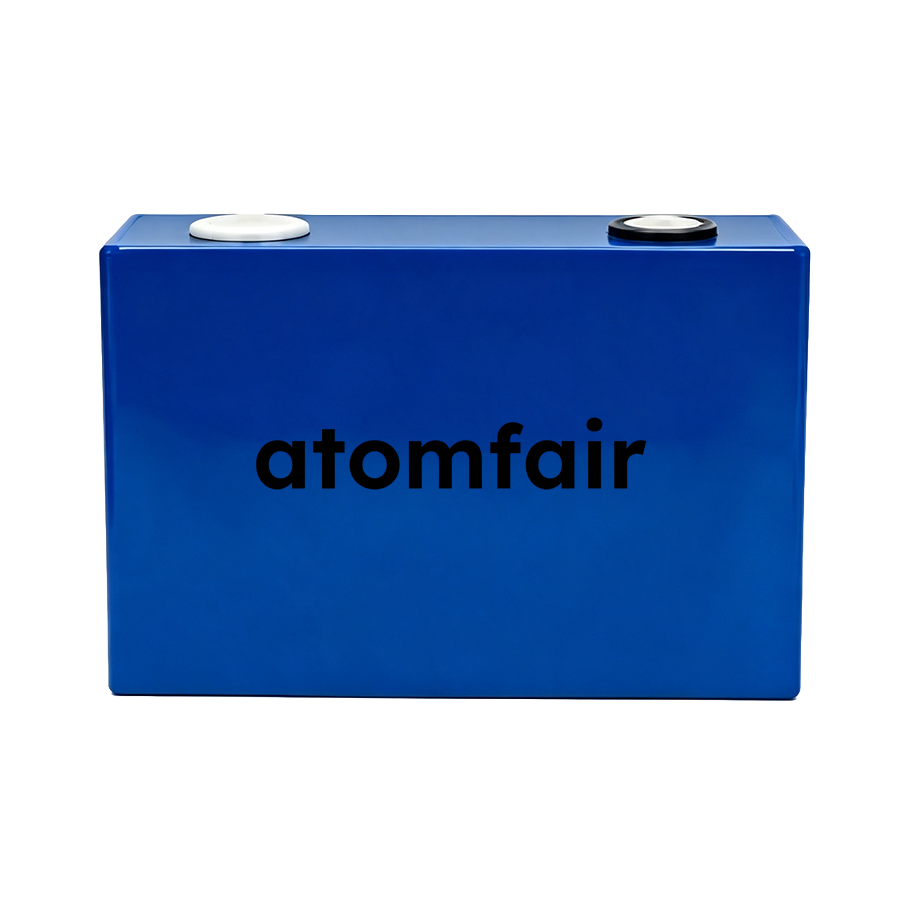
Square-Shell Sodium-Ion Power Cell 5.5 Ah 2.90 V ATOMFAIR®
$40.00 -
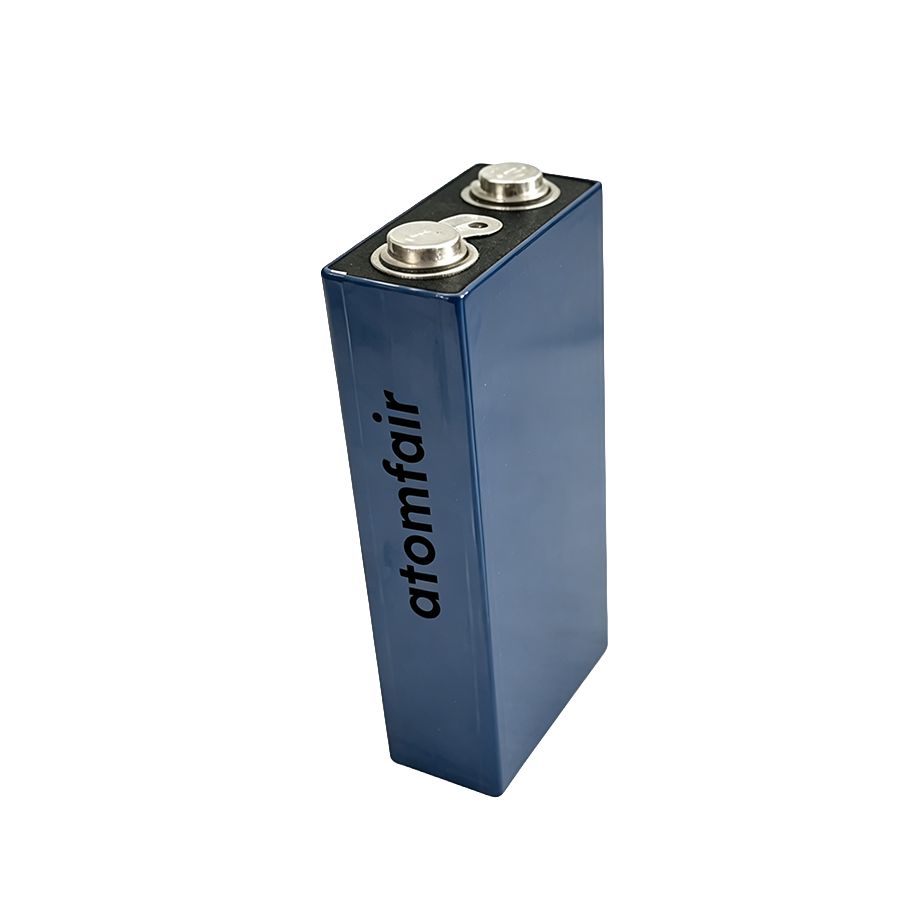
Wide-Temperature LFP Prismatic Cell 3.2V 30Ah ATOMFAIR®
$68.00 -
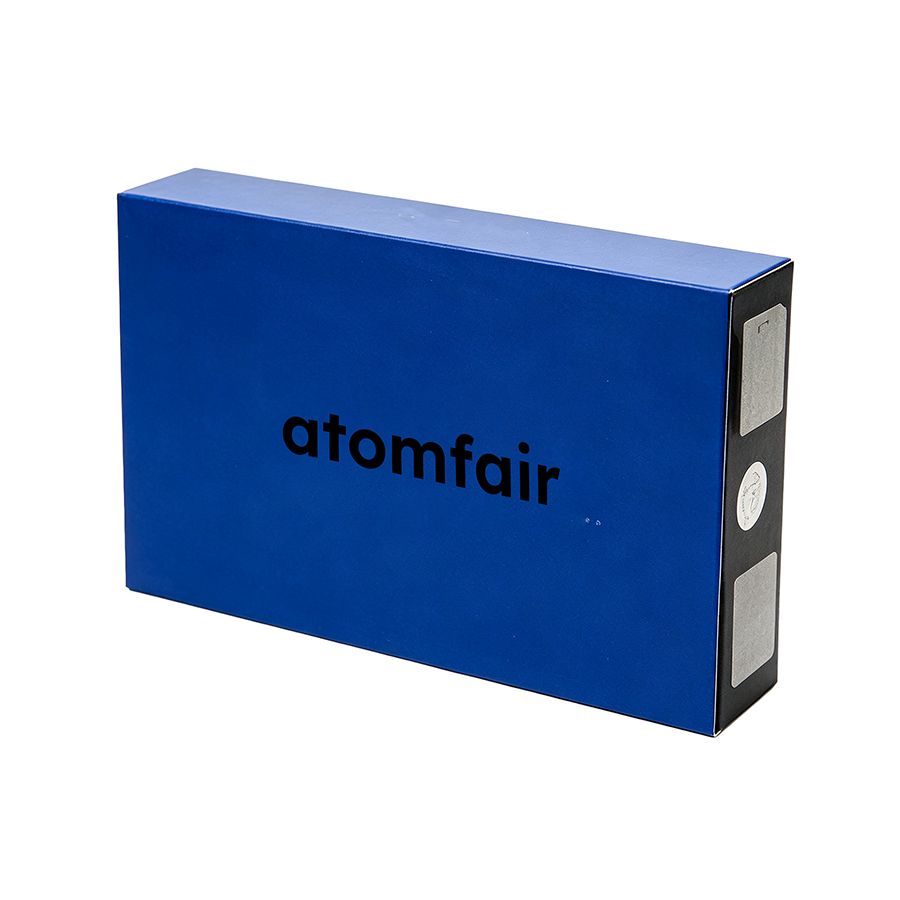
Wide-Temperature Prismatic Cell 3.2V 100Ah ATOMFAIR®
$148.00