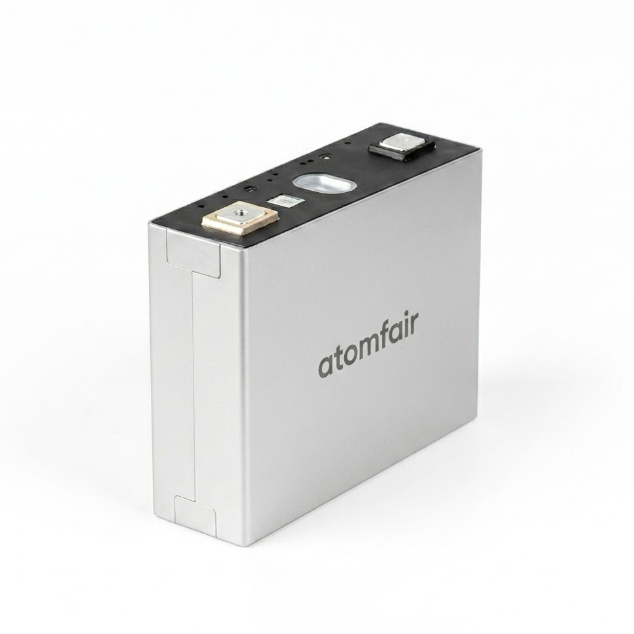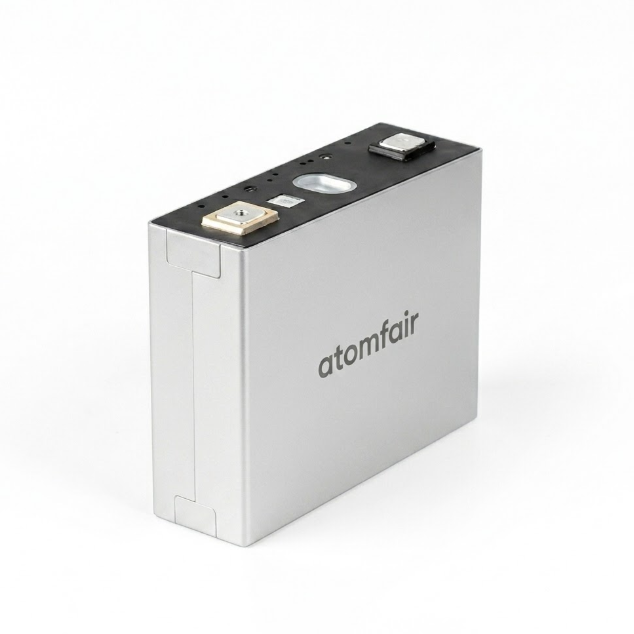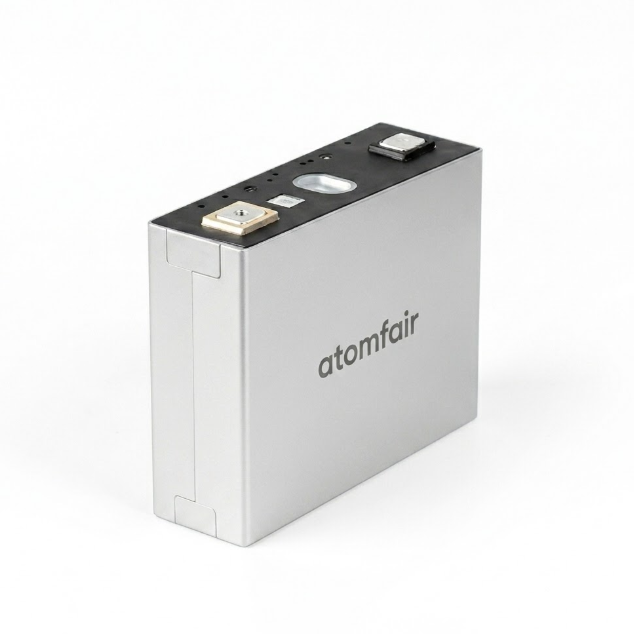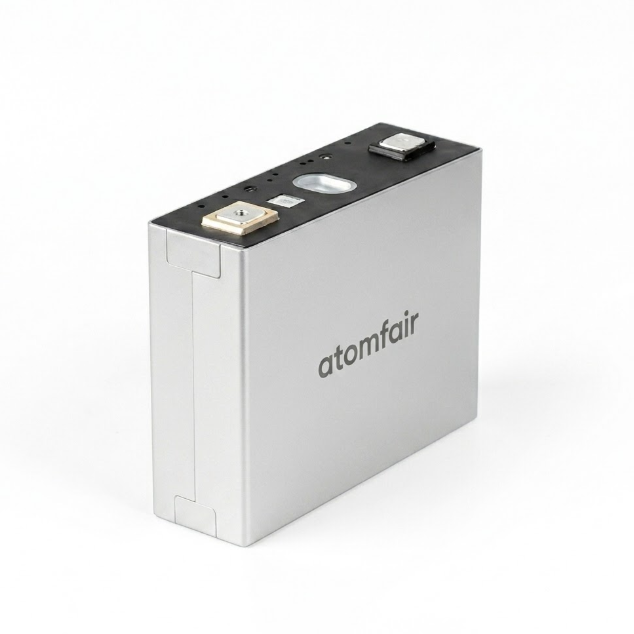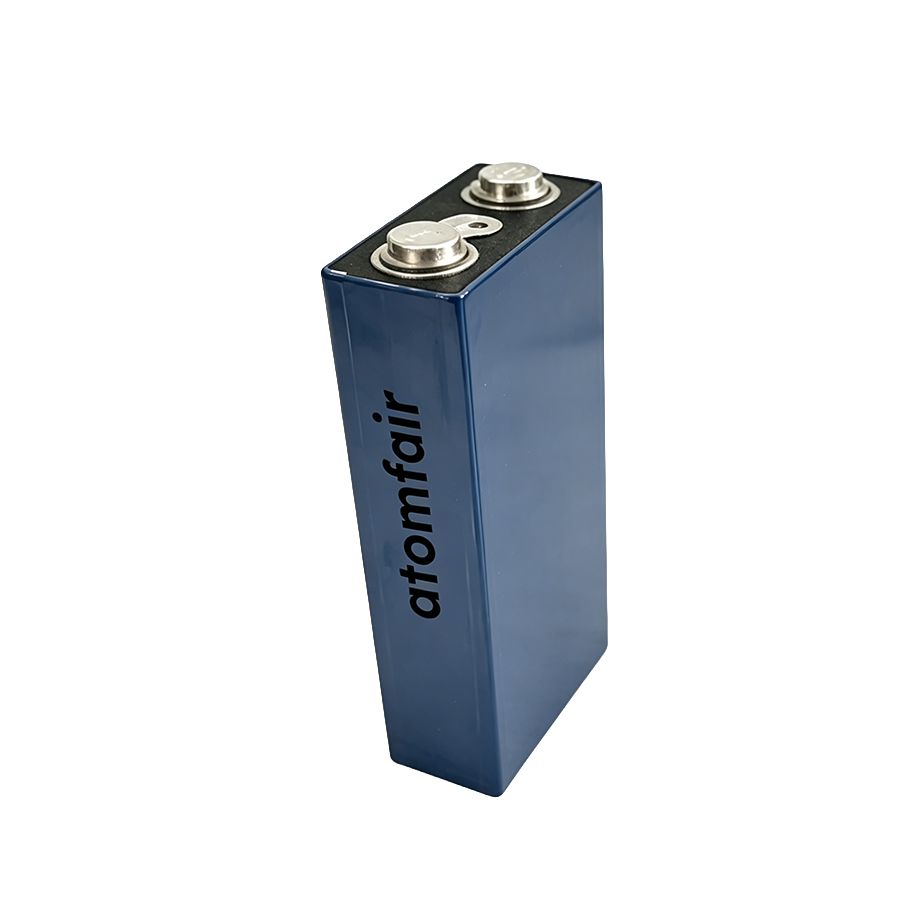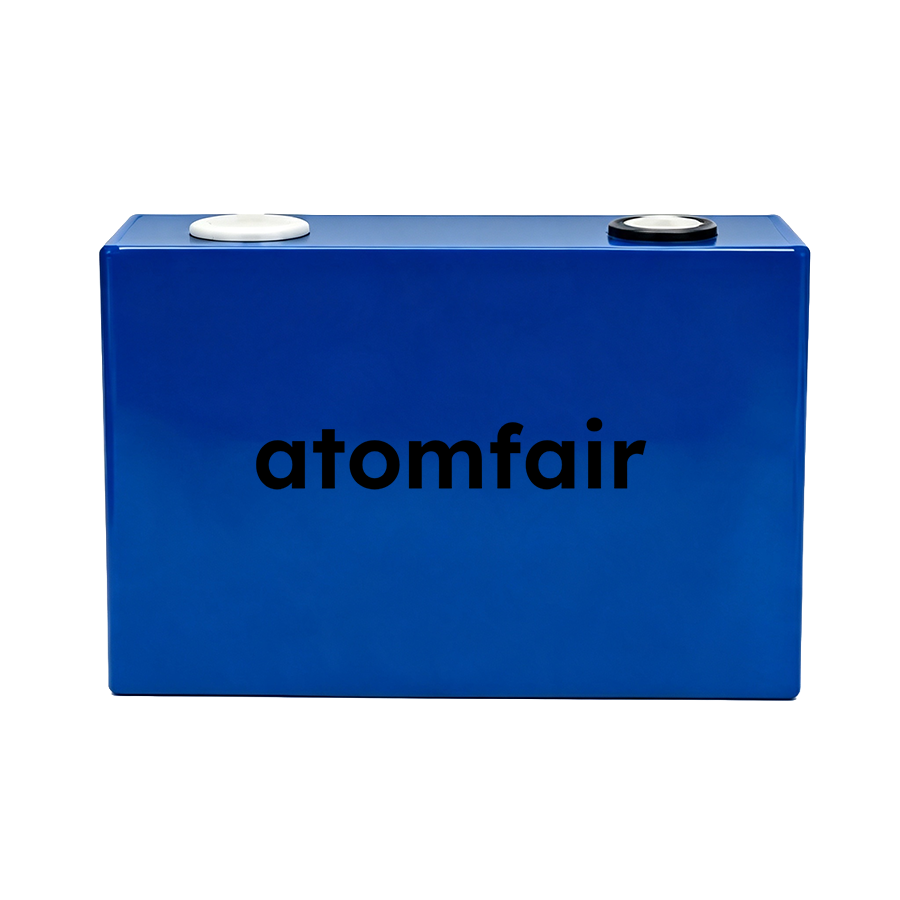
65 Ah Square-Shell Sodium-Ion Power Cell | ATOMFAIRProduct Type: Sodium-ion battery product
Sodium-ion battery product
|
|||||||||||||||||||||||||||||||
|
|||||||||||||||||||||||||||||||
|
BATTERY PROCUREMENT SUPPORT
For model selection, system matching or configuration confirmation, contact our technical sales team.
E-MAIL: inquiry@atomfair.com
|
|||||||||||||||||||||||||||||||
|
Supplier: Atomfair
Brand: ATOMFAIR®
|
Store the cell within a 20-80% state of charge to maximize cycle life and prevent degradation. Operate within -40 to 55 °C and avoid voltage excursions outside 2.0-4.0 V above 0 °C or 1.5-4.0 V below 0 °C to prevent irreversible damage.
- State of Charge Window: Maintain a 20-80% SOC window during storage and cycling to achieve at least 10,000 cycles with 80% capacity retention.
- Voltage Limits: Do not discharge below 2.0 V above 0 °C or 1.5 V below 0 °C, and do not charge above 4.0 V, to avoid cell damage.
- Thermal Operating Range: Operate the cell between -40 and 55 °C, with reduced voltage window below 0 °C to prevent lithium plating.
- Current Rate Limits: Limit continuous charge to 4C and continuous discharge to 6C; pulse rates up to 10C charge and 12C discharge are permitted for 10 seconds only.
- Safety Compliance: The cell passes GB 38031-2020 safety testing, requiring proper handling and integration to maintain compliance.
Follow these steps to safely receive, inspect, and prepare the cell for integration into a battery system. Proper handling prevents short circuits, mechanical damage, and thermal events.
Required Equipment: Insulated gloves, Voltmeter, Insulated tools, ESD-safe work surface
- Inspect packaging and cell
Inspect the outer packaging and cell casing for visible damage, deformation, or electrolyte leakage before handling. - Measure open-circuit voltage
Measure the open-circuit voltage with a calibrated voltmeter to confirm it falls within the safe storage range of 2.0-4.0 V. - Verify state of charge
Confirm the cell is at 20-80% SOC for storage or initial use to avoid accelerated aging. - Place on insulated surface
Place the cell on an ESD-safe, non-conductive work surface away from flammable materials. - Connect to BMS or test equipment
Connect the cell terminals to a BMS or cycler using insulated cables, ensuring correct polarity and torque on terminal bolts. - Set initial charge parameters
Set the charger to a constant current of 4C maximum and a voltage limit of 4.0 V for the first charge cycle. - Monitor temperature during first cycle
Monitor cell temperature during the first charge-discharge cycle to ensure it remains within -40 to 55 °C.
What are the low-temperature voltage and cycle-life trade-offs for the Atomfair 65 Ah sodium-ion power cell?
Below 0 °C, the operating voltage window narrows to 1.5–4.0 V from the standard 2.0–4.0 V range, which reduces usable energy density. The cell delivers at least 80% capacity retention after 10,000 cycles under the listed 20–80% SOC and 3C charge/3C discharge test, but cycle life at sub-zero temperatures is not explicitly stated in the source and should be validated against the planned low-temperature duty cycle.
Can the 65 Ah square-shell sodium-ion cell be integrated into a pack designed for lithium-ion prismatic cells with similar dimensions?
Integration requires careful matching of the 175 x 27 x 204 mm format and 123 ±0.3 mm pole center distance to the existing pack's mechanical constraints. The cell's 3.10 V nominal voltage differs from typical lithium-ion chemistries, so the BMS must be reconfigured for the 2.0–4.0 V (or 1.5–4.0 V below 0 °C) operating window, and the cooling strategy must accommodate the sodium-ion cell's thermal profile.
What handling and safety requirements apply to the Atomfair 65 Ah sodium-ion power cell during assembly?
The cell passes GB 38031-2020 safety testing, indicating compliance with Chinese electric vehicle battery safety standards. Assembly must respect the 20–80% recommended SOC range to maximize cycle life, and the 1.77 ±0.15 kg weight and aluminum square-shell construction require appropriate fixturing to prevent short circuits during module integration. The source does not specify shipping classification or electrolyte handling details, so those should be confirmed with the supplier.
The 65 Ah square-shell sodium-ion cell offers high rate capability (4C continuous charge, 6C continuous discharge) and exceptional cycle life (≥80% after 10,000 cycles under 20-80% SOC at 3C/3C) but requires careful SOC management and has a reduced voltage window below 0°C.
Positive
- High continuous and pulse rate capability: Supports 4C continuous charge, 6C continuous discharge, and 10C/12C pulse for 10 seconds, enabling high-power applications.
- Long cycle life under recommended SOC range: Achieves ≥80% capacity retention after 10,000 cycles when cycled at 3C charge/3C discharge within 20-80% SOC, indicating excellent durability for moderate-depth cycling.
Trade-offs
- Voltage window shifts below 0°C: Operating voltage range narrows to 1.5-4.0 V below 0°C compared to 2.0-4.0 V above 0°C, requiring adjusted BMS limits and derating for low-temperature operation.
- Cycle life validated only at limited SOC range: The 10,000-cycle claim is based on a 20-80% SOC window at 3C/3C; full SOC range cycling may reduce cycle life, so system design must consider SOC management.
Every advanced material, component, equipment, and instrument in our catalog is backed by rigorous testing. We maintain strict internal quality management frameworks and align with CE conformity metrics to deliver transparent, reproducible performance data via our public open-science repository.
To request raw batch performance data, submit formal vendor registration paperwork, or execute a fast-turnaround R&D manufacturing loop, contact us at inquiry@atomfair.com.
Item is dispatched under the Atomfair Shipping & Delivery Framework (Free worldwide shipping on orders over $59 USD excl. heavy equipment). Return is governed by the Atomfair Return & Refund Policy (7-day technical return window).