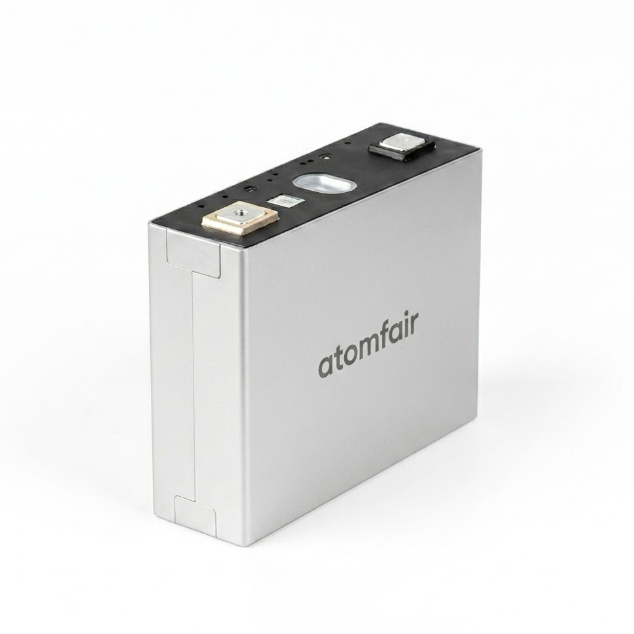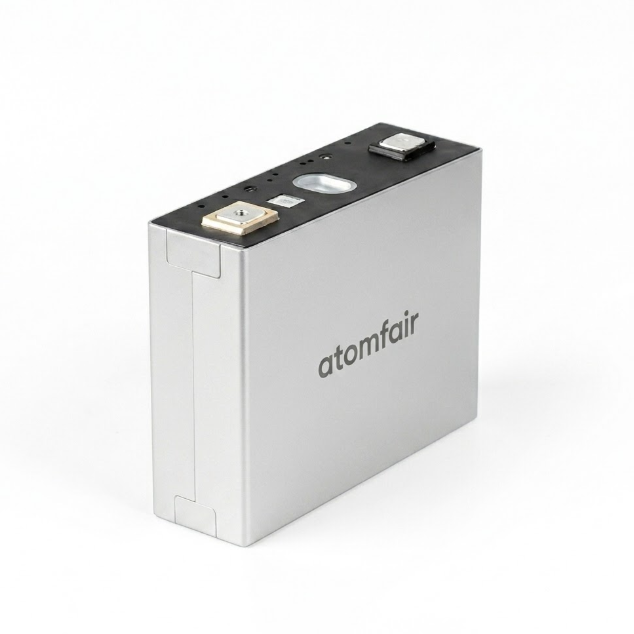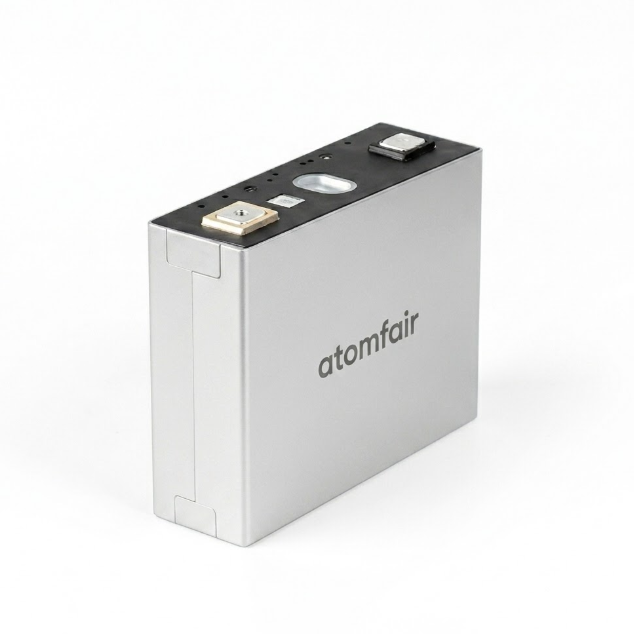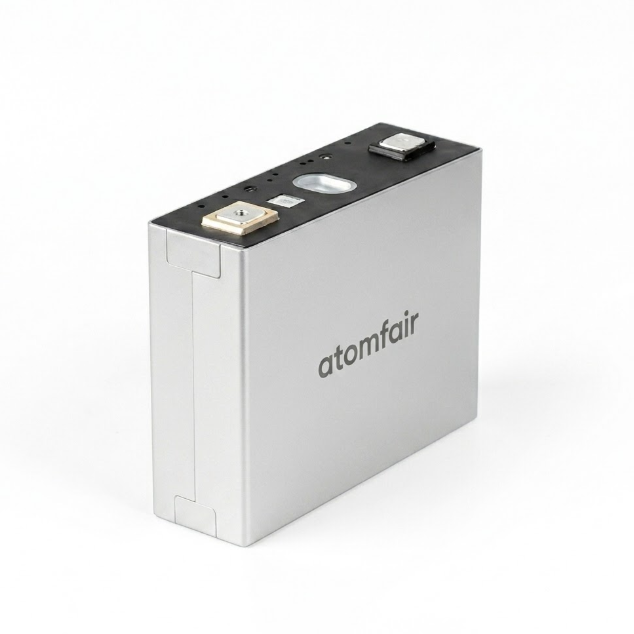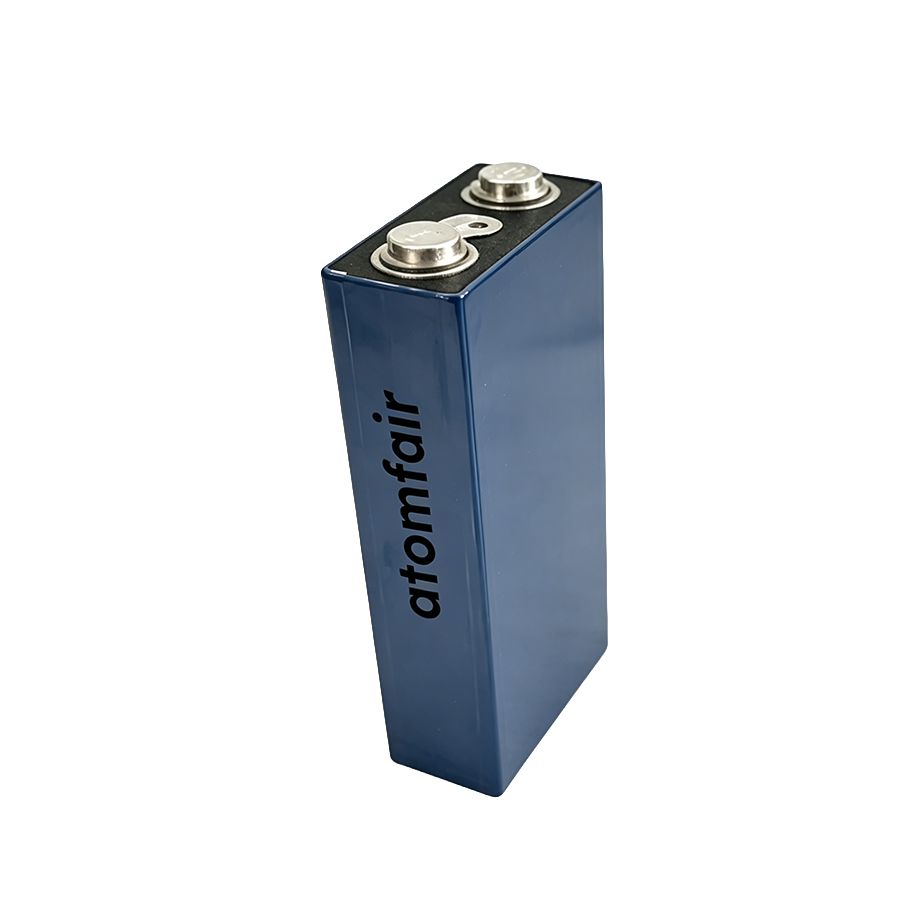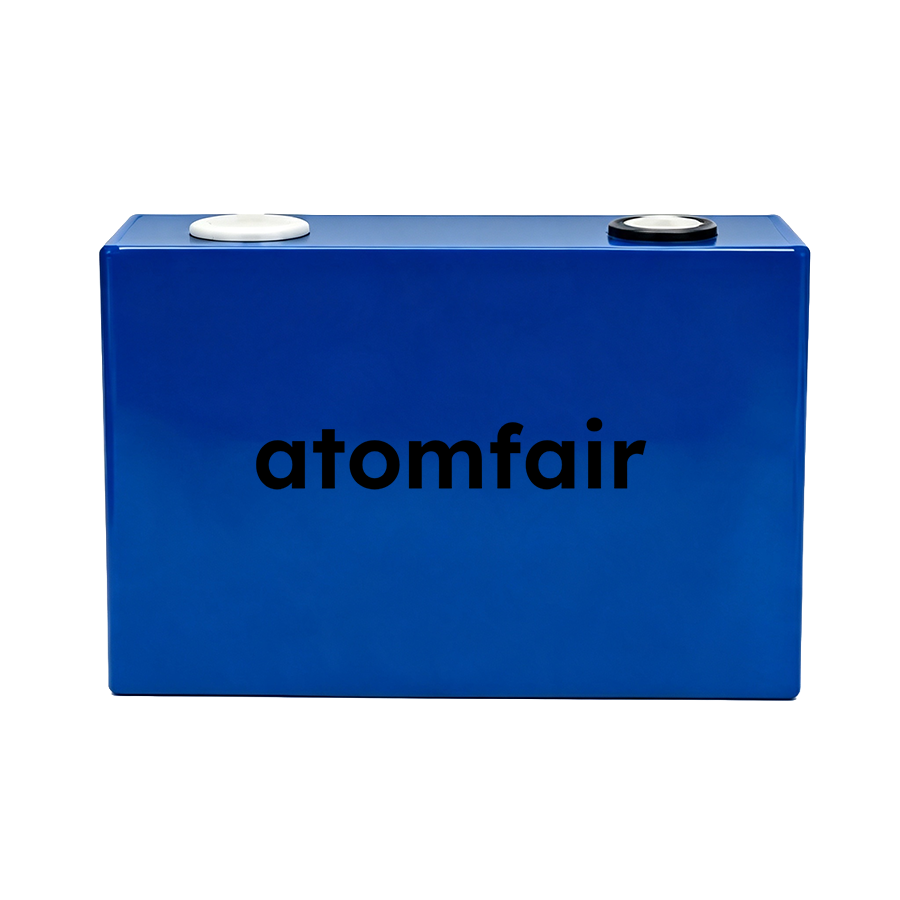
3.2V Low-Temperature (-35°C to 60°C) Prismatic Battery Cell Series | ATOMFAIRCOMMERCIAL GRADE PRODUCTION
|
|||||||||||||||||||||||||||||||||||||||||||
|
|||||||||||||||||||||||||||||||||||||||||||
|
TAILORED SOLUTIONS FOR RESEARCH
Contact our engineering team for technical support or official institutional quotations.
EMAIL: inquiry@atomfair.com
|
|||||||||||||||||||||||||||||||||||||||||||
|
Manufacturer: Atomfair LLC
Brand: ATOMFAIR®
|
|||||||||||||||||||||||||||||||||||||||||||
This lithium iron phosphate prismatic cell requires strict environmental and electrical safeguards to prevent thermal runaway and capacity degradation. Storage must be in a cool, dry atmosphere with temperature maintained between -35°C and 60°C during operation.
- Temperature Bounds: Operate only within -35°C to 60°C; prolonged exposure beyond these limits accelerates degradation and risk of failure.
- Electrical Safety: Do not short-circuit, disassemble, or deform the cell; incorporate cell balancing and protection circuitry for pack assembly.
- Storage Conditions: Store in a cool, dry environment; avoid prolonged exposure to temperatures above 60°C or below -35°C.
- Disposal and Handling: Do not incinerate; dispose of in accordance with local regulations for lithium batteries.
- Cycle Life Management: Low-temperature charge/discharge reduces cycle life to ≥1000 cycles at 70% SOC retention; standard conditions yield ≥6000 cycles.
Follow these steps to safely prepare the cell for operation and integrate it into a battery pack. Proper handling prevents damage and ensures long-term reliability.
Required Equipment: Insulated gloves, Cell balancing circuit, Battery management system (BMS)
- Inspect cell
Inspect the cell for any physical damage, deformation, or leakage before use. - Store before charging
Store the cell in a cool, dry environment at room temperature before initial charging. - Charge within limits
Charge the cell using a compatible charger that respects the 1C standard charge rate and temperature limits. - Integrate with protection
Integrate the cell into the battery pack with appropriate cell balancing and protection circuitry to prevent overcharge, overdischarge, and short circuits. - Verify electrical parameters
Verify the voltage and internal resistance of each cell before connecting them in series or parallel.
How does the laminated electrode technology in the ATOMFAIR low-temperature prismatic cell reduce internal resistance compared to traditional wound cells?
The laminated (stacked) electrode technology achieves internal resistance ≤0.25 mΩ, a 30% reduction compared to traditional wound cells, resulting in improved power output and reduced heat generation.
What are the essential requirements for integrating these low-temperature prismatic cells into a battery pack for extreme cold environments?
For optimal performance and safety, appropriate cell balancing and protection circuitry must be utilized in battery pack assembly. The cells should be stored in a cool, dry environment and not exposed to temperatures above 60°C or below -35°C during operation.
What are the recommended storage conditions to preserve the low-temperature performance of the ATOMFAIR 3.2V prismatic cells?
Store cells in a cool, dry environment. Avoid prolonged exposure to temperatures above 60°C or below -35°C during operation. Do not disassemble, deform, short-circuit, or incinerate the cells. Packaging uses industrial standard sealed structural containers with individual protective insulation for safe transport.
The 3.2V low-temperature prismatic cell series delivers 90% charge and 95% discharge capacity retention at -35°C, with ultra-low internal resistance of ≤0.25 mΩ. While offering robust performance in extreme cold, the cell requires careful storage and protection circuitry, and cycle life under low-temperature charge/discharge is reduced to ≥1000 cycles.
Positive
- Extreme low-temperature charge/discharge retention: Delivers 90% charge capacity retention and 95% discharge capacity retention at -35°C, ensuring reliable operation in extreme cold environments.
- Ultra-low internal resistance via laminated electrode technology: Internal resistance ≤ 0.25 mΩ, achieving a 30% reduction compared to traditional wound cells, improving power output and reducing heat generation.
Trade-offs
- Requires protection circuitry and cell balancing: For optimal performance and service life, appropriate cell balancing and protection circuitry must be utilized in battery pack assembly to avoid damage.
- Reduced cycle life under low-temperature charge/discharge: Cycle life is ≥6000 cycles under standard conditions but decreases to ≥1000 cycles under low-temperature charge/discharge (70% SOC retention), reflecting a significant operational trade-off.
Every advanced material, component, equipment, and instrument in our catalog is backed by rigorous testing. We maintain strict internal quality management frameworks and align with CE conformity metrics to deliver transparent, reproducible performance data via our public open-science repository.
To request raw batch performance data, submit formal vendor registration paperwork, or execute a fast-turnaround R&D manufacturing loop, contact us at inquiry@atomfair.com.
Item is dispatched under the Atomfair Shipping & Delivery Framework (Free worldwide shipping on orders over $59 USD excl. heavy equipment). Return is governed by the Atomfair Return & Refund Policy (7-day technical return window).