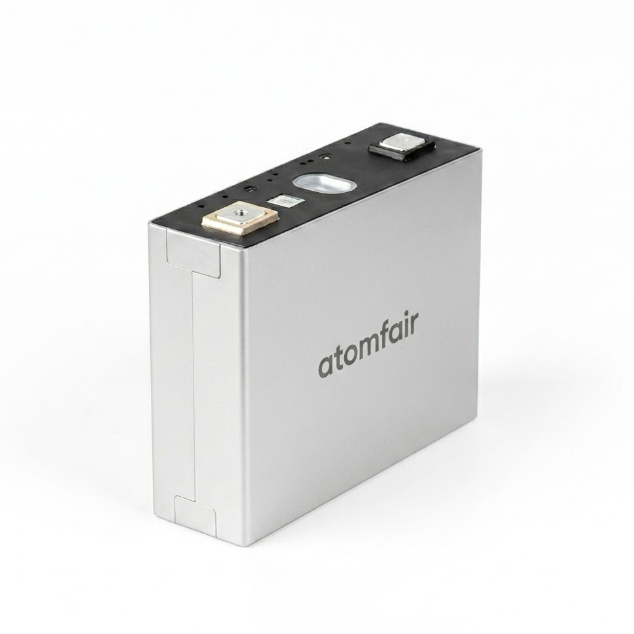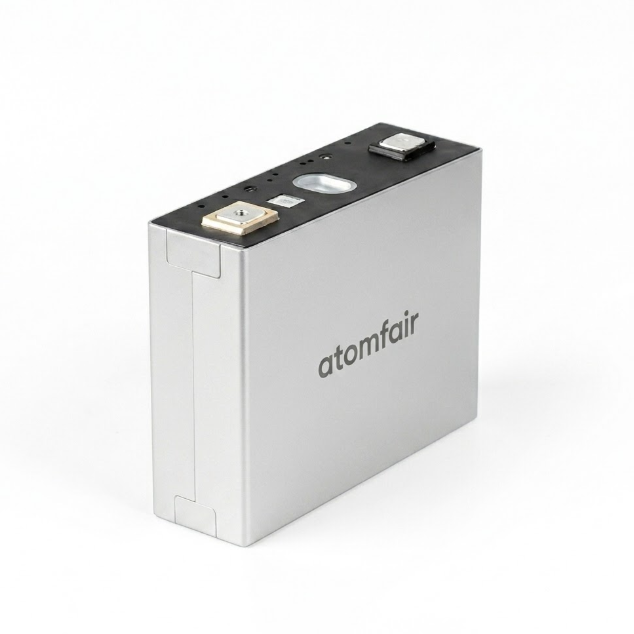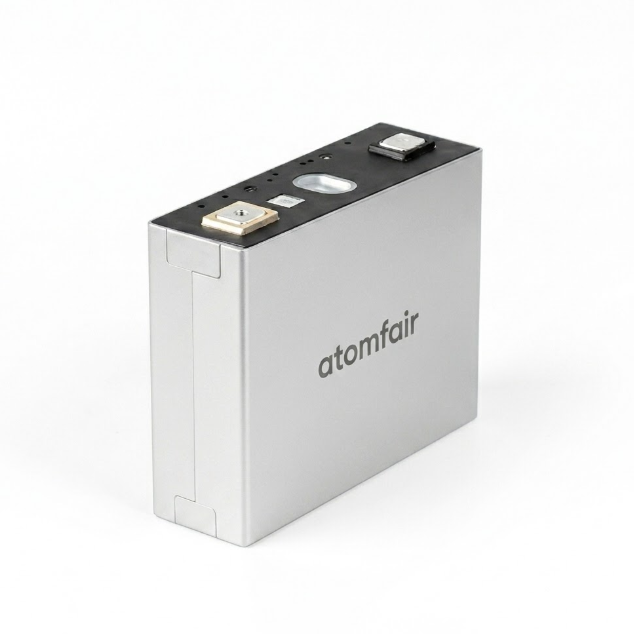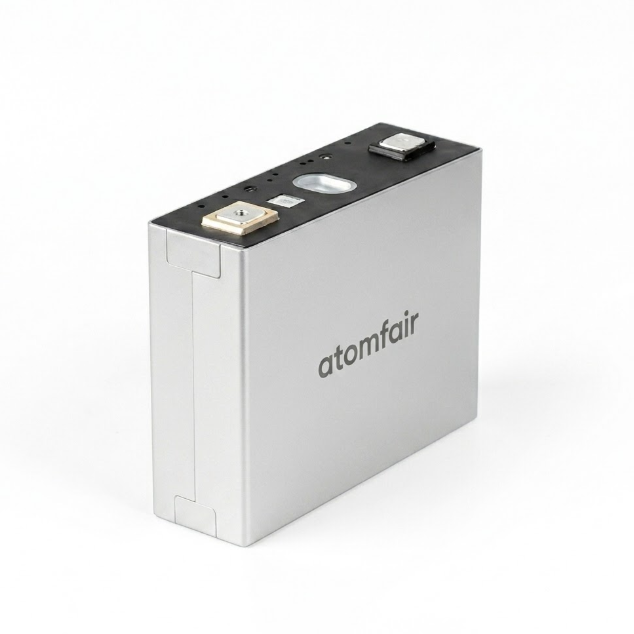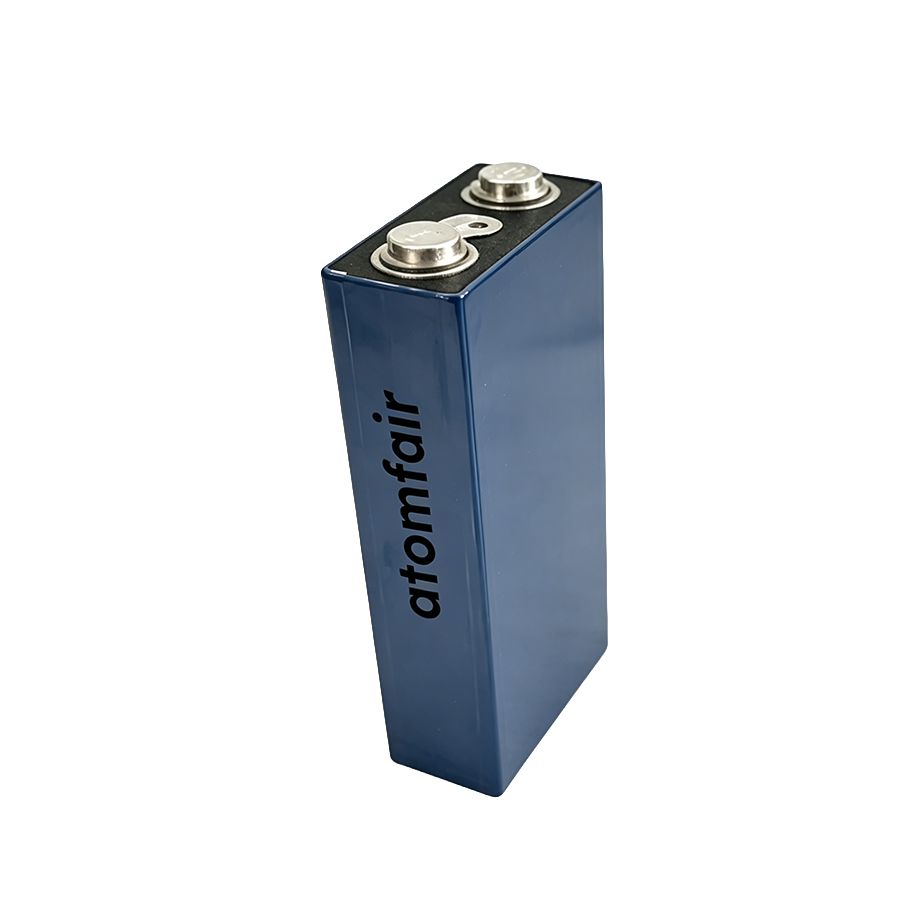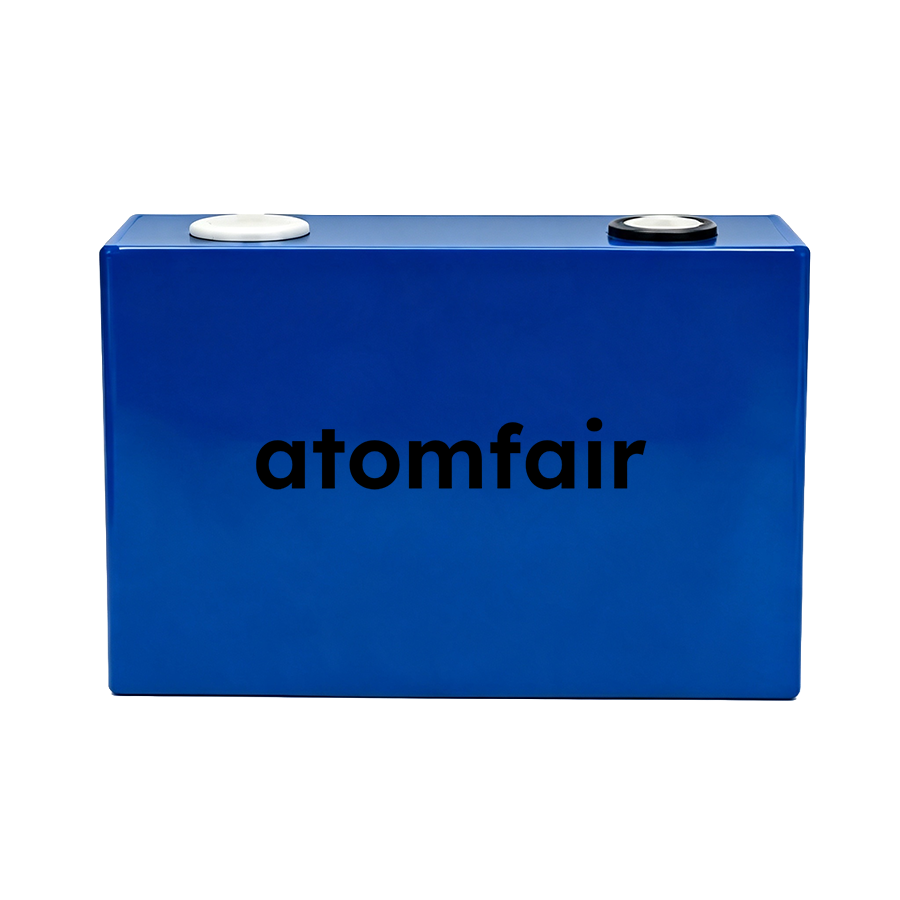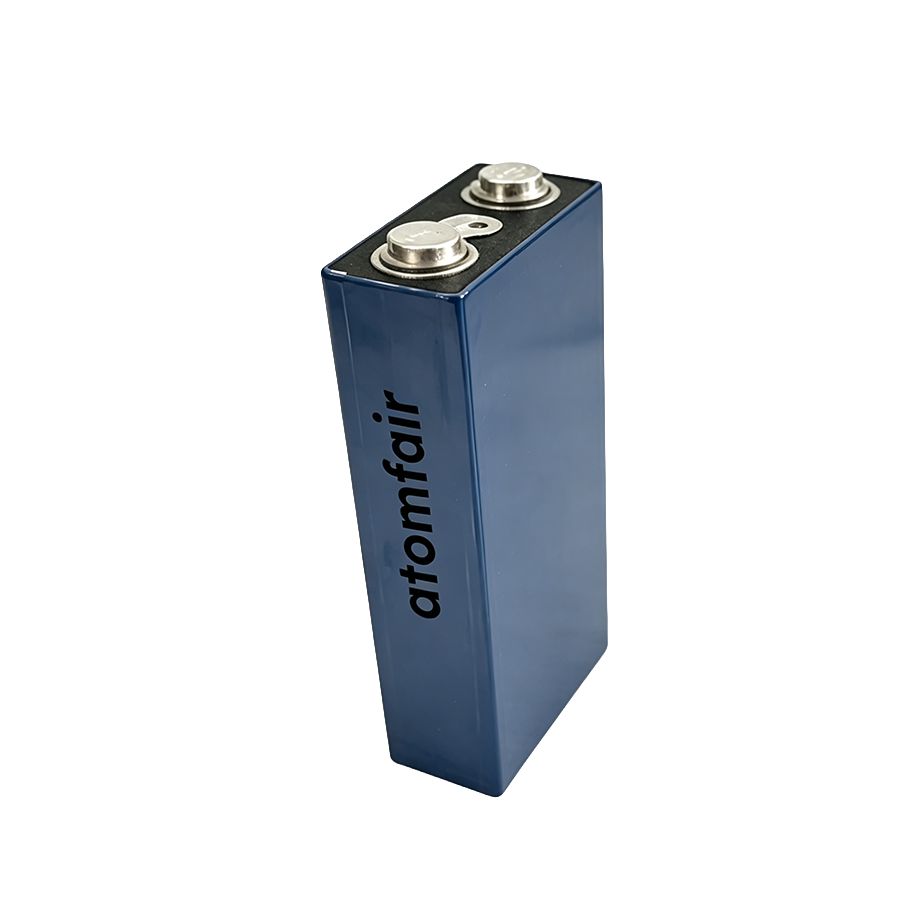
3.2V 20Ah Wide-Temperature Prismatic Battery Cell (-40°C to 55°C) | ATOMFAIRCOMMERCIAL GRADE PRODUCTION
|
|||||||||||||||||||||||||||||||||||||
|
|||||||||||||||||||||||||||||||||||||
|
TAILORED SOLUTIONS FOR RESEARCH
Contact our engineering team for technical support or official institutional quotations.
EMAIL: inquiry@atomfair.com
|
|||||||||||||||||||||||||||||||||||||
|
Manufacturer: Atomfair LLC
Brand: ATOMFAIR®
|
This cell must be stored in a cool, dry environment to prevent degradation. Prolonged exposure to temperatures exceeding 55°C or below -40°C during operation must be avoided to maintain performance and safety.
- Temperature Limits: Operate the cell only within the discharge temperature range of -40°C to 55°C and charge temperature range of -10°C to 45°C.
- Storage Conditions: Store the cell in a cool, dry environment away from direct sunlight and moisture.
- Mechanical Integrity: Do not disassemble, deform, short-circuit, or incinerate the cell to prevent thermal runaway or leakage.
- Electrical Protection: Use a battery management system with cell balancing and overcurrent protection in any battery pack assembly.
- Charging Protocol: Charge at 0.2C when the cell temperature is between -10°C and 0°C, and up to 2C between 0°C and 45°C.
Follow these steps to safely handle and deploy the cell for use in battery packs. Proper temperature management and protection circuitry are critical for safe operation.
Required Equipment: Charger with cut-off voltage of 3.65V ± 0.05V, Battery management system (BMS) with cell balancing and overcurrent protection
- Inspect Packaging
Inspect the packaging for damage upon receipt and handle with care. - Store Properly
Store the cell in a cool, dry environment with temperature between -40°C and 55°C. - Verify Temperature
Verify that the cell temperature is within the safe charging range of -10°C to 45°C before connecting a charger. - Connect BMS
Connect the cell to a battery management system with balancing and overcurrent protection before assembly. - Set Charge Current
Adjust the charge current to 0.2C if the cell temperature is between -10°C and 0°C, or to 2C if above 0°C. - Avoid Hazards
Avoid disassembling, deforming, short-circuiting, or incinerating the cell at any time.
How does the maximum continuous charge current vary with temperature for the ATOMFAIR 3.2V 20Ah wide-temperature cell?
The maximum continuous charge current is temperature-dependent. At 0°C to 45°C, the cell supports 2C charging, but at low temperatures from -10°C to 0°C, it is limited to 0.2C to ensure safe and stable charging as specified in the technical datasheet.
What protection circuitry is required when integrating this prismatic cell into a battery pack?
The cell requires a protection circuit that prevents overcharging beyond the charge cut-off voltage of 3.65V ± 0.05V and provides cell balancing. The manufacturer explicitly states that appropriate cell balancing and protection circuitry must be utilized in battery pack assembly, and the internal resistance of ≤3.5 mΩ should be considered for current sensing.
What are the recommended storage conditions for the ATOMFAIR 3.2V 20Ah prismatic cell to maintain cycle life?
Store cells in a cool, dry environment, and avoid prolonged exposure to temperatures above 55°C or below -40°C during operation. Although storage conditions are not explicitly separated from operational limits, the supplied information indicates that the cell is designed for reliable discharge from -40°C to 55°C, so storage within that temperature range in a low-humidity environment is recommended to preserve its 3,000-cycle life.
The ATOMFAIR 3.2V 20Ah prismatic LFP cell delivers 2C continuous discharge down to -40°C and 0.2C charging at -10°C, with a 3000-cycle lifespan, making it suitable for electric motorcycles, AGVs, and humanoid robots operating in extreme climates.
Positive
- Wide-temperature discharge down to -40°C: The cell supports 2C continuous discharge from -40°C to 55°C, enabling reliable power delivery in extreme cold without preheating, critical for outdoor AGV and electric motorcycle applications.
- Long cycle life with LFP chemistry: Lithium iron phosphate chemistry provides up to 3,000 cycles, reducing replacement frequency in high-utilization scenarios such as portable energy storage and lead-acid replacement systems.
Trade-offs
- Low-temperature charging rate limitation: Charging below 0°C is restricted to 0.2C (4 A), which extends recharge time significantly in sub-zero environments and may require thermal management for rapid turnaround.
- Storage and handling sensitivity: Prolonged exposure to temperatures above 55°C or below -40°C during operation degrades performance; cells require cool, dry storage and protection circuitry to prevent damage from short-circuit or over-discharge.
Every advanced material, component, equipment, and instrument in our catalog is backed by rigorous testing. We maintain strict internal quality management frameworks and align with CE conformity metrics to deliver transparent, reproducible performance data via our public open-science repository.
To request raw batch performance data, submit formal vendor registration paperwork, or execute a fast-turnaround R&D manufacturing loop, contact us at inquiry@atomfair.com.
Item is dispatched under the Atomfair Shipping & Delivery Framework (Free worldwide shipping on orders over $59 USD excl. heavy equipment). Return is governed by the Atomfair Return & Refund Policy (7-day technical return window).