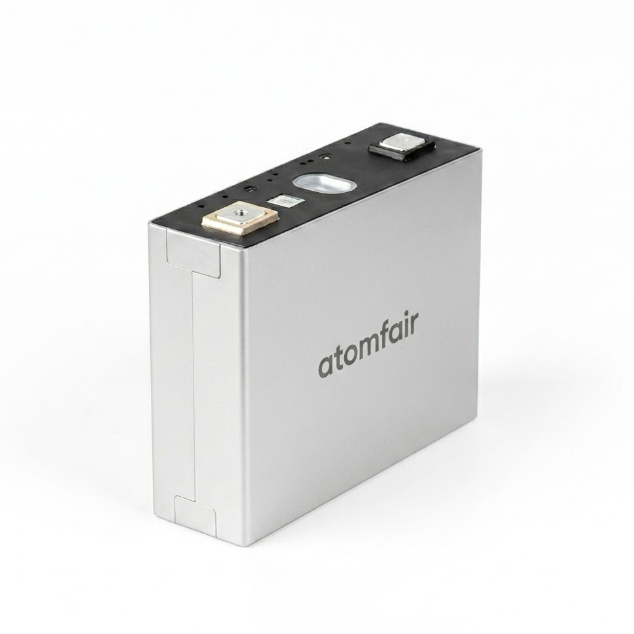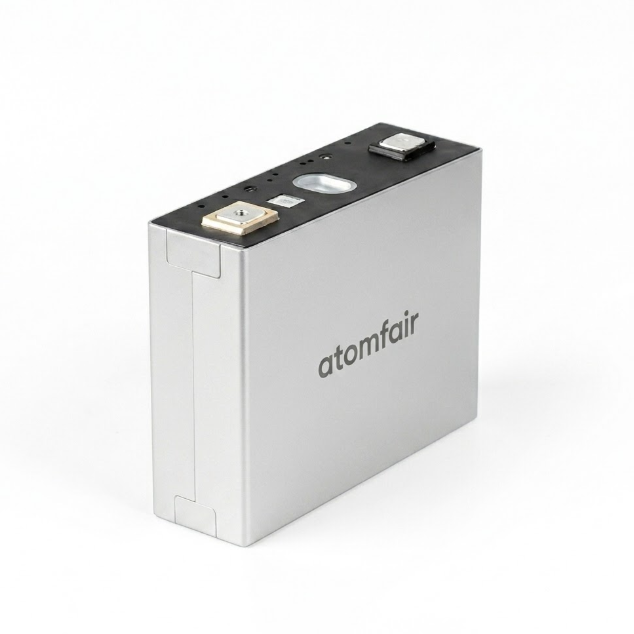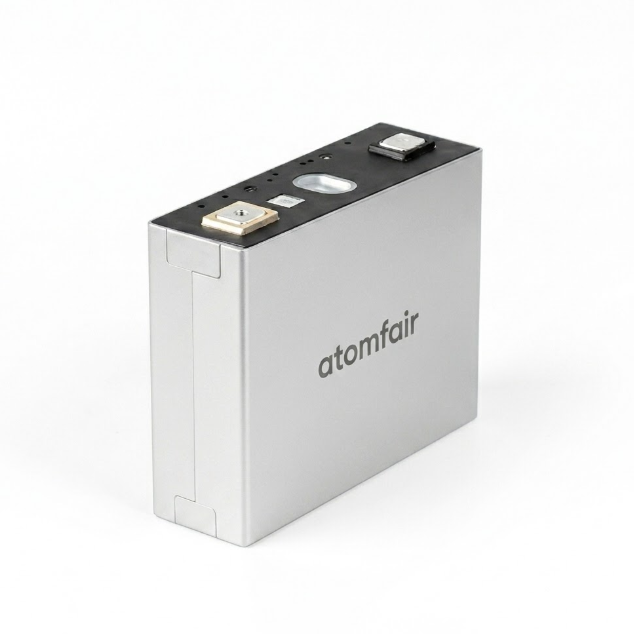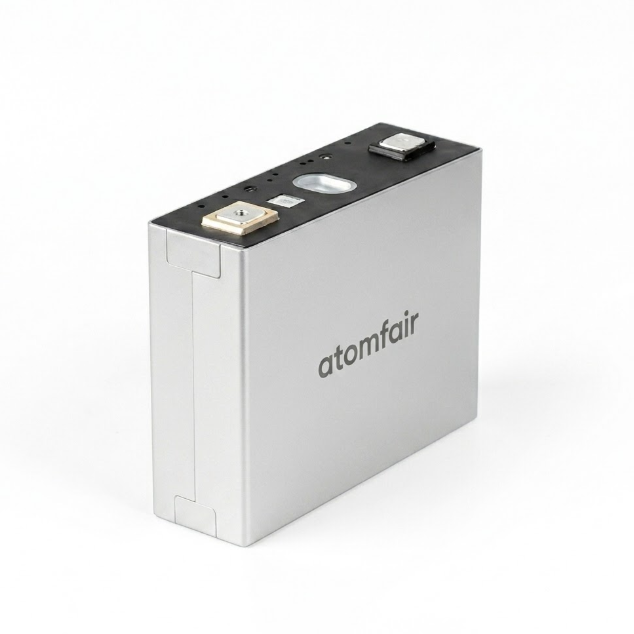
160 Ah Square-Shell Sodium-Ion Energy Cell | ATOMFAIRProduct Type: Sodium-ion battery product
Sodium-ion battery product
|
|||||||||||||||||||||||||||||||||
|
|||||||||||||||||||||||||||||||||
|
BATTERY PROCUREMENT SUPPORT
For model selection, system matching or configuration confirmation, contact our technical sales team.
E-MAIL: inquiry@atomfair.com
|
|||||||||||||||||||||||||||||||||
|
Supplier: Atomfair
Brand: ATOMFAIR®
|
The cell must operate within a 1.5-3.45 V voltage window and a 0-55°C charging temperature range. Standard charge/discharge power is limited to 0.5P, with a maximum sustainable power of 1P.
- Voltage Range Constraint: The cell must be maintained within the 1.5-3.45 V operating voltage window.
- Charging Temperature Constraint: Charging is only permitted within the 0 to 55°C temperature range.
- Discharging Temperature Constraint: Discharging is permitted within the -30 to 55°C temperature range.
- Power Rate Constraint: Standard charge and discharge power is limited to 0.5P, with a maximum sustainable power of 1P under the listed conditions.
What are the cycle life and power rate trade-offs for the 160 Ah Atomfair sodium-ion cell at 0.5P versus 1P operation?
The cell is rated for at least 6,000 cycles at 0.5P charge and 0.5P discharge. While the maximum sustainable power is 1P for both charging and discharging, the cycle life at 1P is not specified in the product documentation. Operating at 1P will increase power output but may reduce cycle life below the 6,000-cycle baseline, so system designers should verify cycle life requirements if sustained 1P operation is planned.
Can this 160 Ah sodium-ion cell be integrated into existing lithium-ion battery systems without modifying the cooling and BMS architecture?
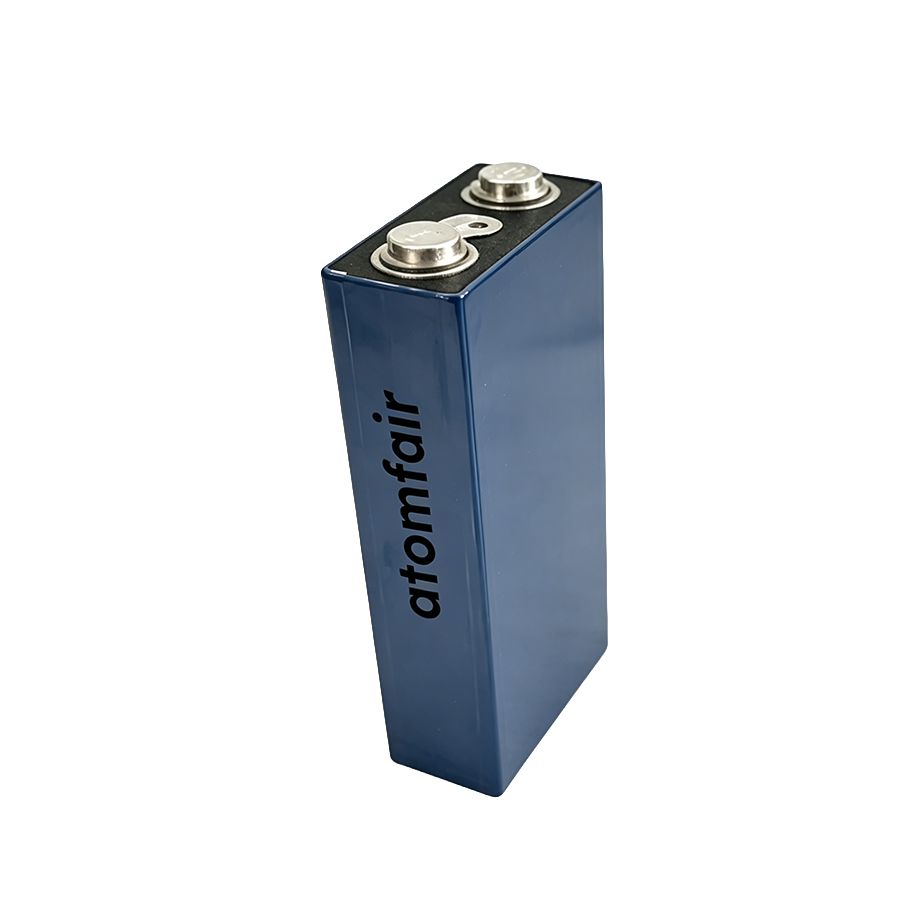
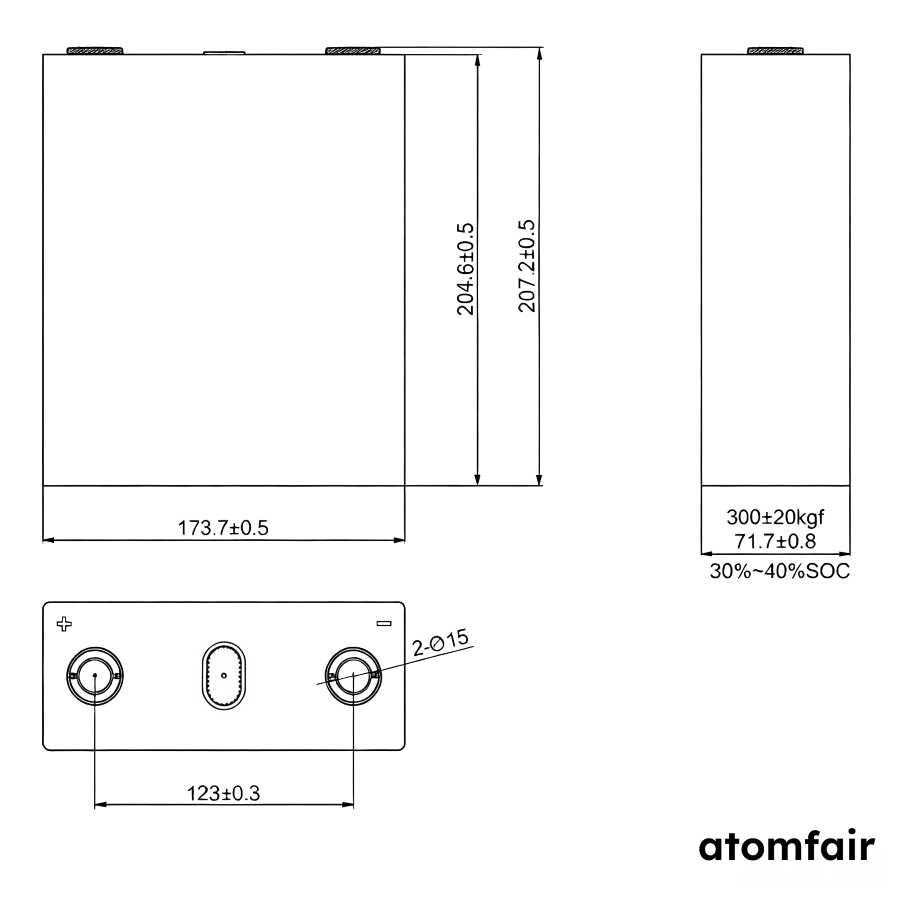
Integration requires careful matching of the cell's dimensions (173.7 x 71.7 x 207.2 mm), pole center distance, cooling method, and BMS architecture with the downstream system. The cell operates at a nominal voltage of 2.86 V and a voltage range of 1.5-3.45 V, which differs from typical lithium-ion chemistries. Direct replacement without adapting the BMS voltage thresholds and thermal management is not recommended.
What are the low-temperature discharge and high-temperature charge limits for this sodium-ion cell?
The cell supports charging from 0 °C to 55 °C and discharging from -30 °C to 55 °C. This asymmetric temperature range allows discharge at sub-zero temperatures down to -30 °C, which is a key advantage over many lithium-ion chemistries. However, charging below 0 °C is not permitted per the specifications, so cold-weather charging requires thermal management to bring the cell above 0 °C.
The 160 Ah square-shell sodium-ion energy cell delivers 450 Wh typical energy at 2.86 V nominal with a cycle life of at least 6,000 cycles at 0.5P charge/discharge, but requires careful thermal management and system integration due to a charging temperature floor of 0°C and the need to match cooling, BMS, and high-voltage architecture.
Positive
- High energy capacity and long cycle life: The cell provides 160 Ah typical capacity, 450 Wh typical energy, and a cycle life of at least 6,000 cycles at 0.5P charge/discharge, supporting extended use in stationary and vehicle battery systems.
- Wide discharge temperature range: Discharge is supported from -30°C to 55°C, enabling reliable operation in cold environments without preheating, though charging is limited to 0°C and above.
Trade-offs
- Charging temperature restriction: Charging is only permitted between 0°C and 55°C; charging below 0°C is not supported, which limits fast recharge capability in freezing conditions.
- System integration requirements: The cell requires careful matching of dimensions, cooling method, BMS communication, and high-voltage architecture, adding engineering effort for safe and efficient integration into downstream systems.
Every advanced material, component, equipment, and instrument in our catalog is backed by rigorous testing. We maintain strict internal quality management frameworks and align with CE conformity metrics to deliver transparent, reproducible performance data via our public open-science repository.
To request raw batch performance data, submit formal vendor registration paperwork, or execute a fast-turnaround R&D manufacturing loop, contact us at inquiry@atomfair.com.
Item is dispatched under the Atomfair Shipping & Delivery Framework (Free worldwide shipping on orders over $59 USD excl. heavy equipment). Return is governed by the Atomfair Return & Refund Policy (7-day technical return window).