
Current Collector Foils
Current Collector Foils are conductive substrate materials used to collect and transfer current in battery electrodes and related electrochemical systems. This category covers standard battery-grade copper foil and aluminum foil, as well as coated, composite, laminated, and specialty metal foils for research, prototyping, and application-specific development.
For lithium-ion cell development, copper foil is typically used on the anode side and aluminum foil on the cathode side. For interface optimization, coated foils can improve adhesion and contact performance. For lightweight or specialized cell designs, composite and laminated structures may provide additional process flexibility.
If you are selecting a current collector foil, the most important factors are material system, electrode polarity, thickness, surface finish, format, and compatibility with the intended coating or assembly process.
Show More: How to Choose the Right Current Collector Foil
Main Product Families
| Product Family | Primary Role | Best For | Selection Focus |
|---|---|---|---|
| Copper Foil | Anode current collector | Lithium-ion anodes, standard coating workflows | Thickness, purity, surface condition, width, mechanical strength |
| Aluminum Foil | Cathode current collector | Lithium-ion cathodes, positive electrode development | Thickness, cleanliness, pinhole control, roll format |
| Carbon-Coated Copper Foil | Modified anode substrate | Improved adhesion, lower interface resistance, high-rate testing | Coating uniformity, single-side or double-side structure, total thickness |
| Carbon-Coated Aluminum Foil | Modified cathode substrate | Improved coating behavior and contact performance | Coating side, carbon layer stability, width |
| Composite Copper Foil | Lightweight collector structure | Safety-focused and weight-sensitive cell development | Metal layer structure, composite method, process compatibility |
| Composite Aluminum Foil | Lightweight cathode substrate | Special cell architectures and pilot trials | Structural stability, coating compatibility, size specification |
| Laminated Foil | Multi-layer conductive structure | High-energy-density or advanced electrode research | Layer configuration, thickness profile, application environment |
| Specialty Metal Foils | Application-specific substrate | Nickel, titanium, zinc, and other nonstandard systems | Corrosion resistance, electrolyte compatibility, use boundary |
| Specialty Conductive Alloy Foils | Application-oriented conductive material | Sensors, connectors, or custom conductive uses | Conductivity needs, mechanical properties, whether separate grouping is preferred |
Selection Guide
| Need | Recommended Direction |
|---|---|
| Standard lithium-ion anode | Copper foil |
| Standard lithium-ion cathode | Aluminum foil |
| Better coating adhesion | Carbon-coated foil |
| Lower interface resistance | Surface-modified foil |
| Lighter structure design | Composite foil or laminated foil |
| Corrosive or special electrolyte environment | Nickel, titanium, or zinc foil |
| Nonstandard conductive material use | White copper, beryllium copper, phosphor bronze, brass |
Typical Applications
- Lithium-ion battery electrode development
- Coin cell, pouch cell, and prototype assembly
- High-rate and interface performance testing
- Lightweight and safety-oriented cell design
- Zinc-based, nickel-based, titanium-based, and other specialty electrochemical systems
- Custom current collector screening during R&D
FAQ
What is the difference between copper foil and aluminum foil?
Copper foil is typically used for anodes, while aluminum foil is typically used for cathodes. This is the most common configuration in lithium-ion batteries.
When should I choose a carbon-coated foil?
Choose a carbon-coated foil when you care more about surface contact, coating adhesion, or interface stability.
Can composite foils directly replace standard metal foils?
Not always. They are better suited to specific structures or lightweight designs, and replacement depends on process and cell requirements.
Can specialty metal foils be used in batteries?
Yes, but usually for specific systems or specialty research, such as zinc-based, nickel-based, or titanium-based applications.
Do specialty conductive alloy foils belong in this category?
They can be kept here as extension products, but they are more application-specific than core battery collector foils.
Should I choose roll or sheet format?
Roll format is better for coating and slitting, while sheet format is better for direct lab processing and assembly.
Can dimensions be customized?
Some products may support custom thickness, width, sheet size, or roll format, depending on the individual listing.
Showing 17–32 of 47 results
-
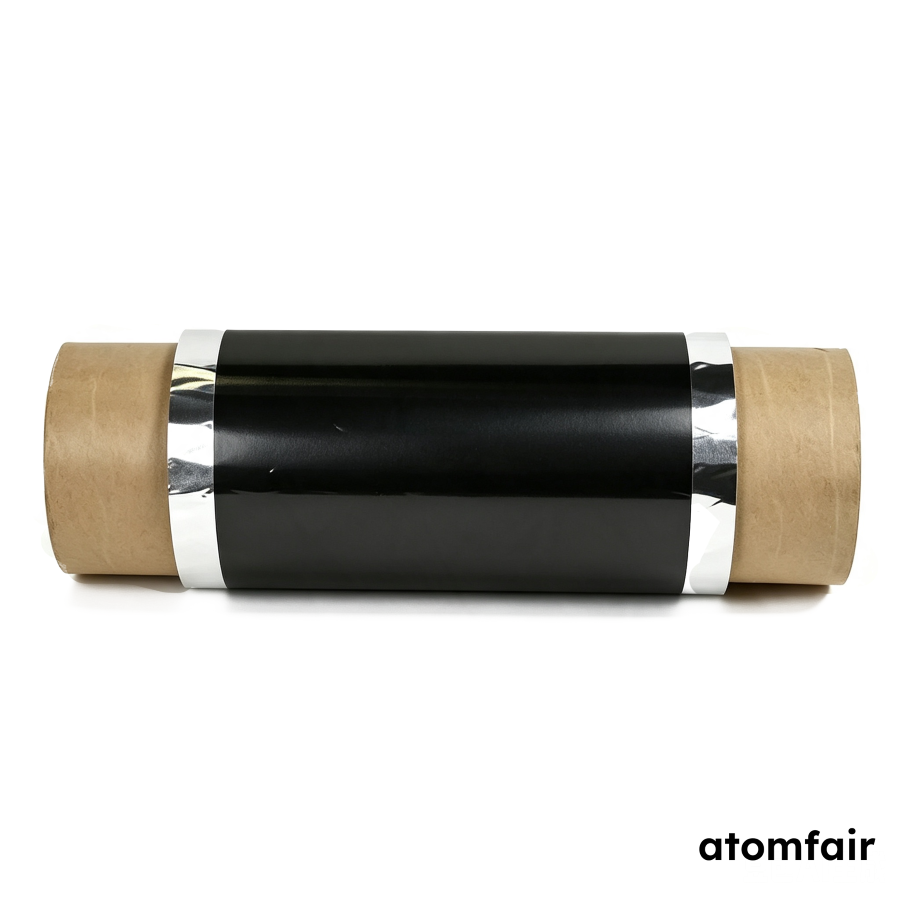
Battery-Grade Carbon-Coated Aluminum Foil 10-30μm ATOMFAIR®
$349.00 -
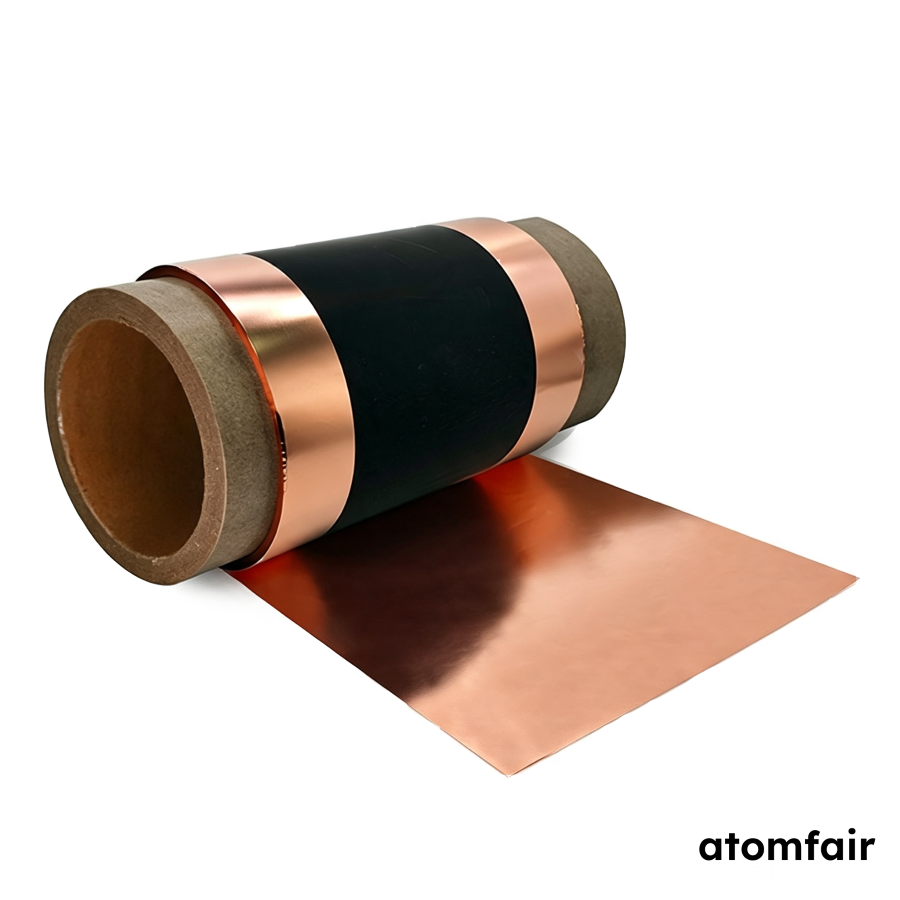
Battery-Grade Carbon-Coated Copper Foil 4.5-18 μm ATOMFAIR®
$329.00 -
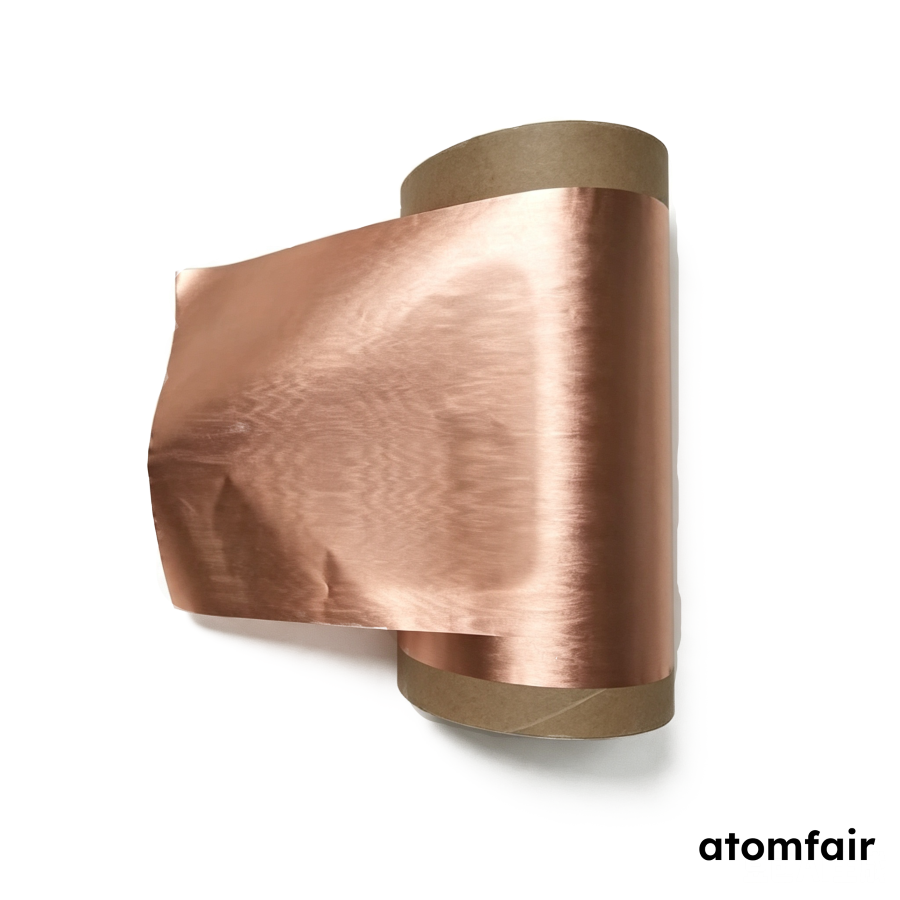
Battery-Grade Porous Copper Foil 4.5-10μm ATOMFAIR®
$499.00 -
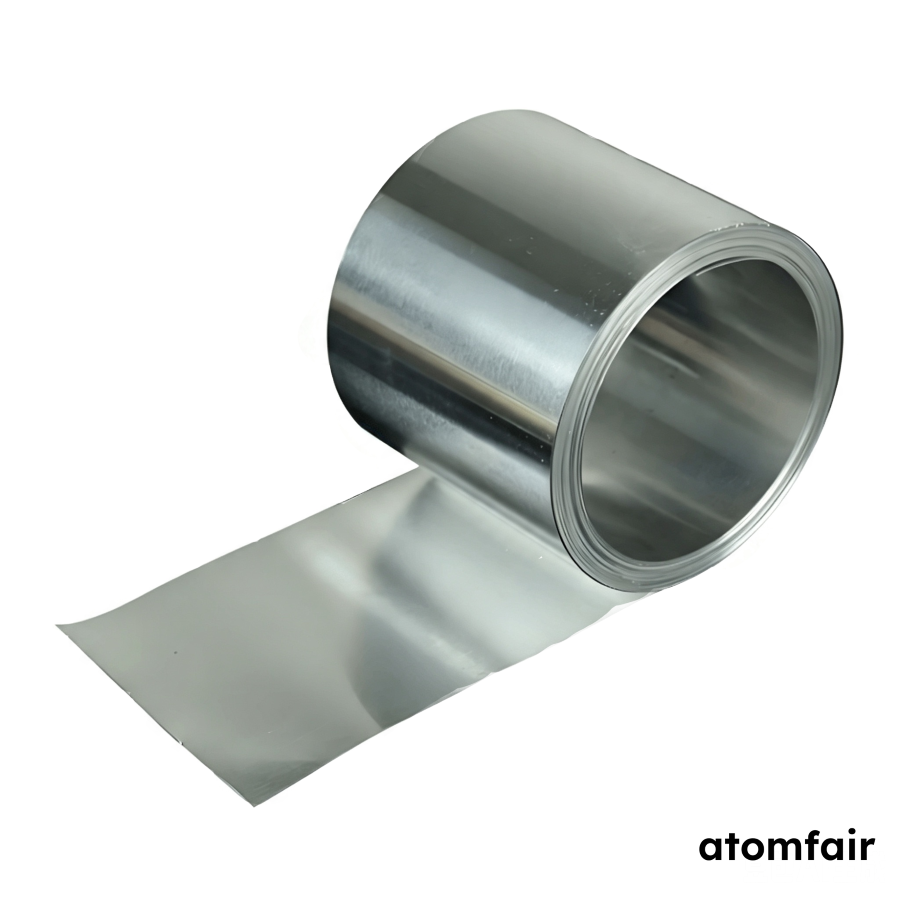
Coated Aluminum Foil 10-50μm Corrosion Resistant ATOMFAIR®
$349.00 -
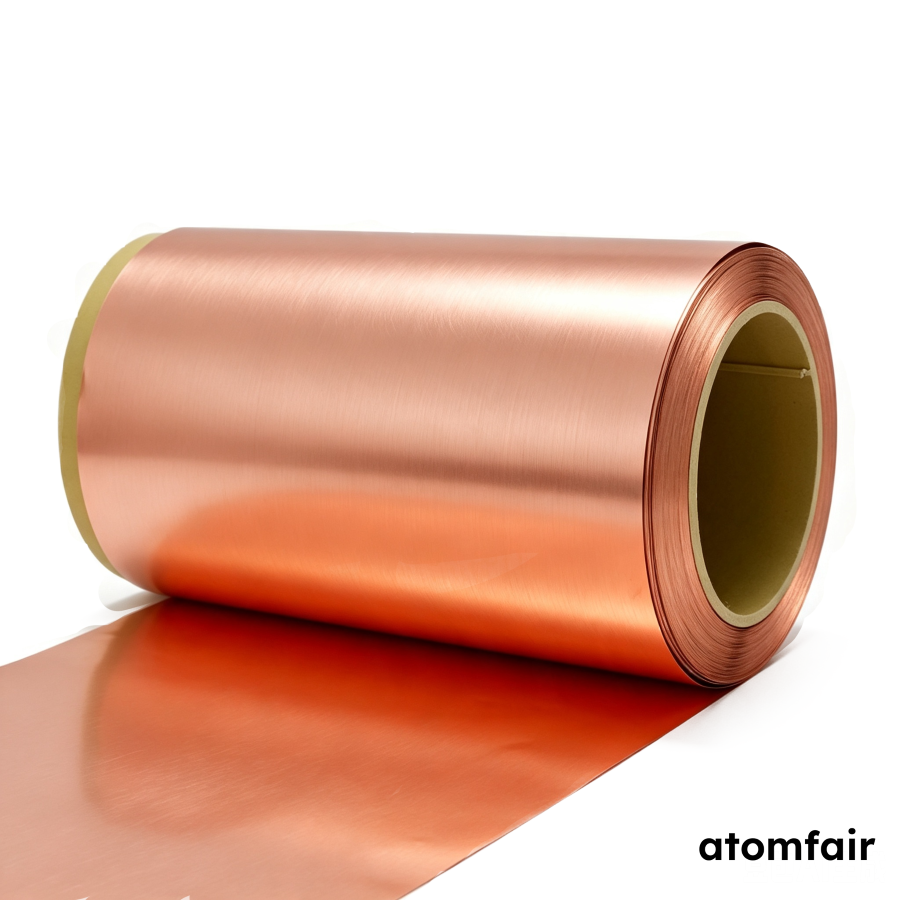
Coated Copper Foil Current Collector 6-50 μm ATOMFAIR®
$329.00 -
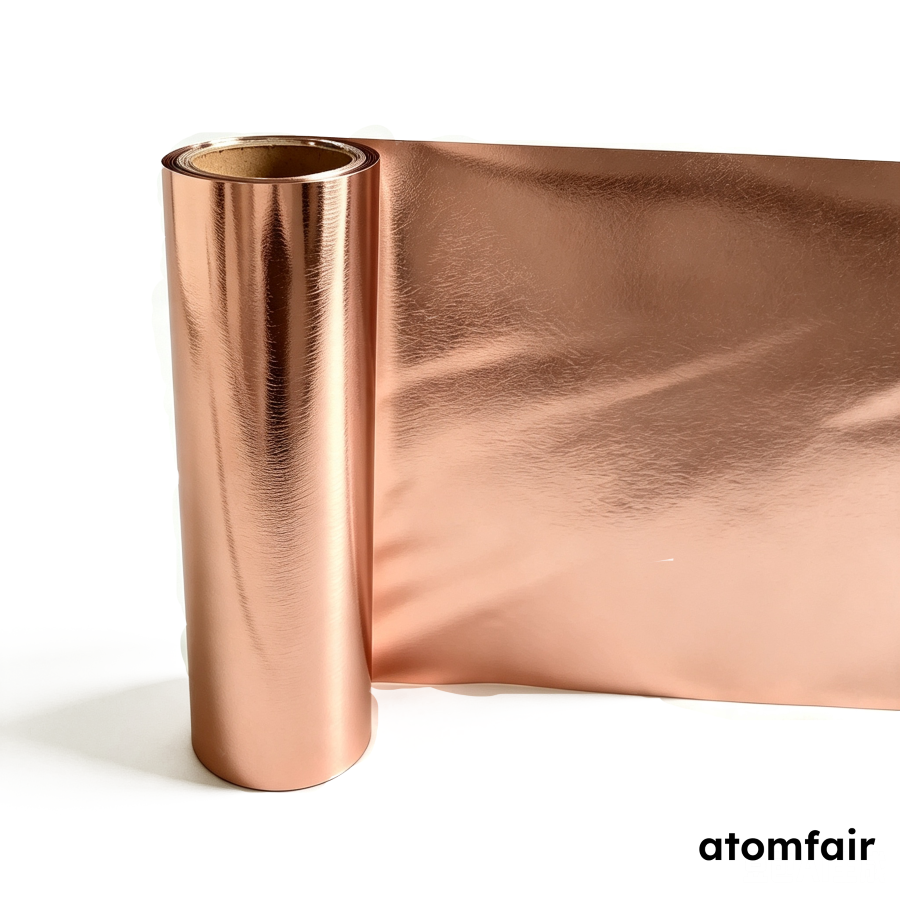
Composite Aluminum Foil Current Collector 3μm ATOMFAIR®
$599.00 -
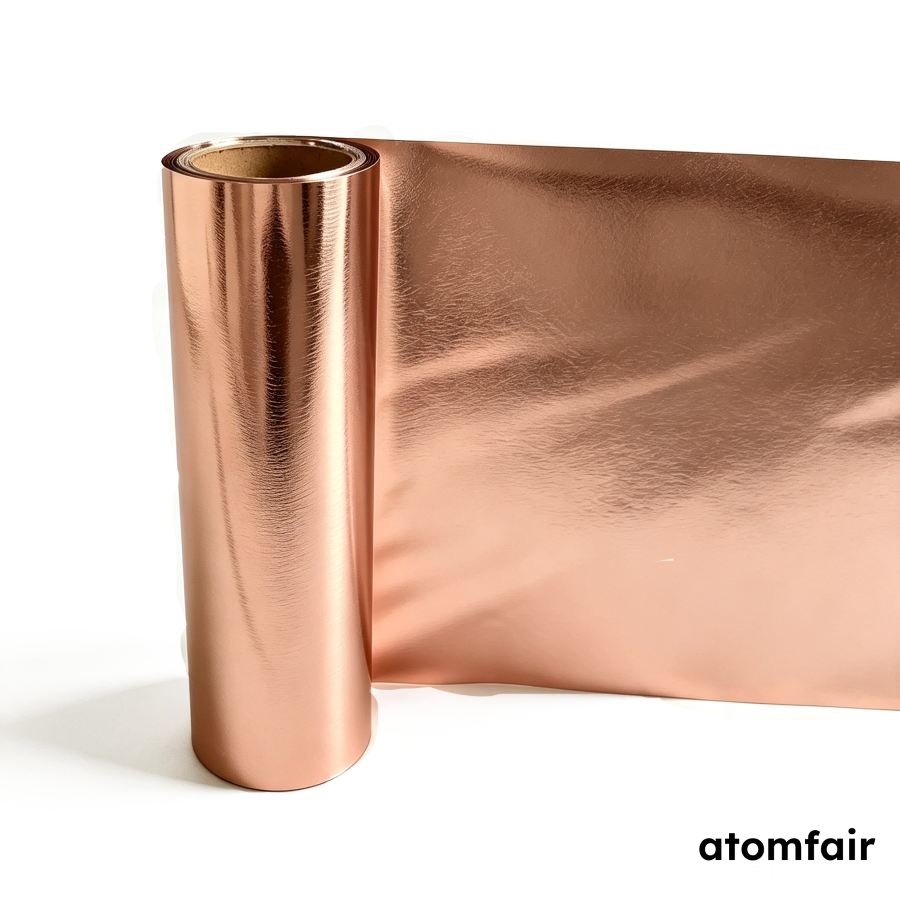
Composite Aluminum Foil Current Collector 4μm ATOMFAIR®
$499.00 -
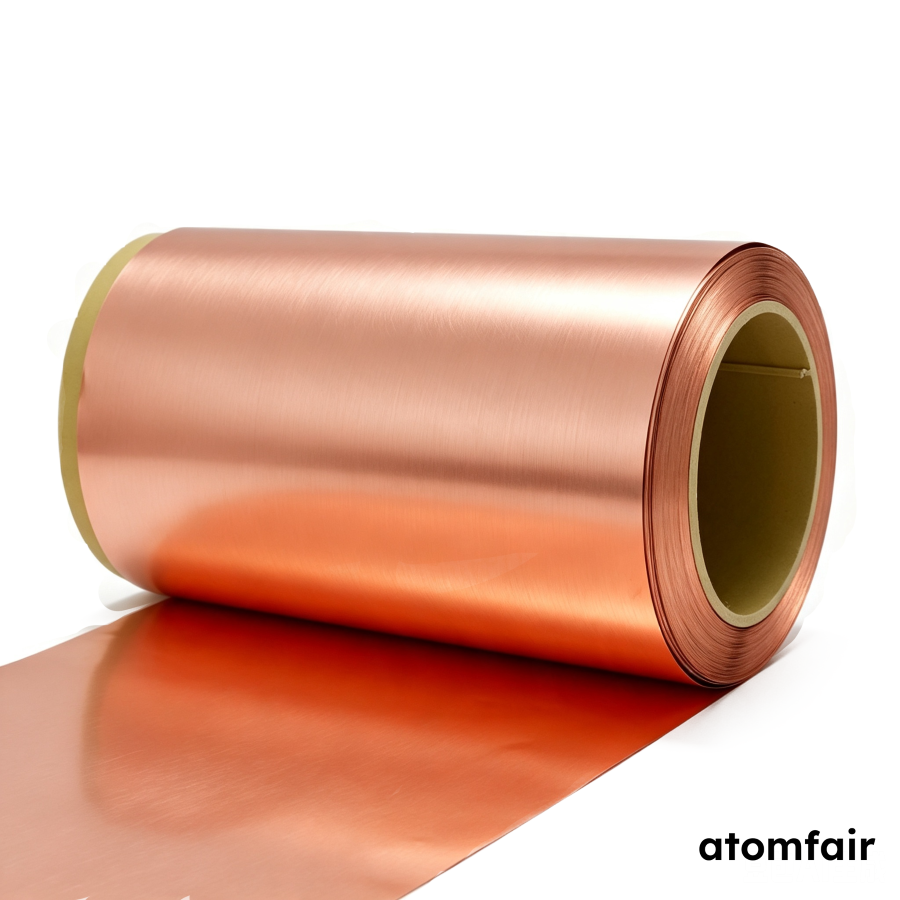
Composite Copper Foil Collector AF-ACCU-1SIDE ATOMFAIR®
$1,199.00 -
Composite Copper Foil Current Collector 3μm ATOMFAIR®
$1,399.00 -
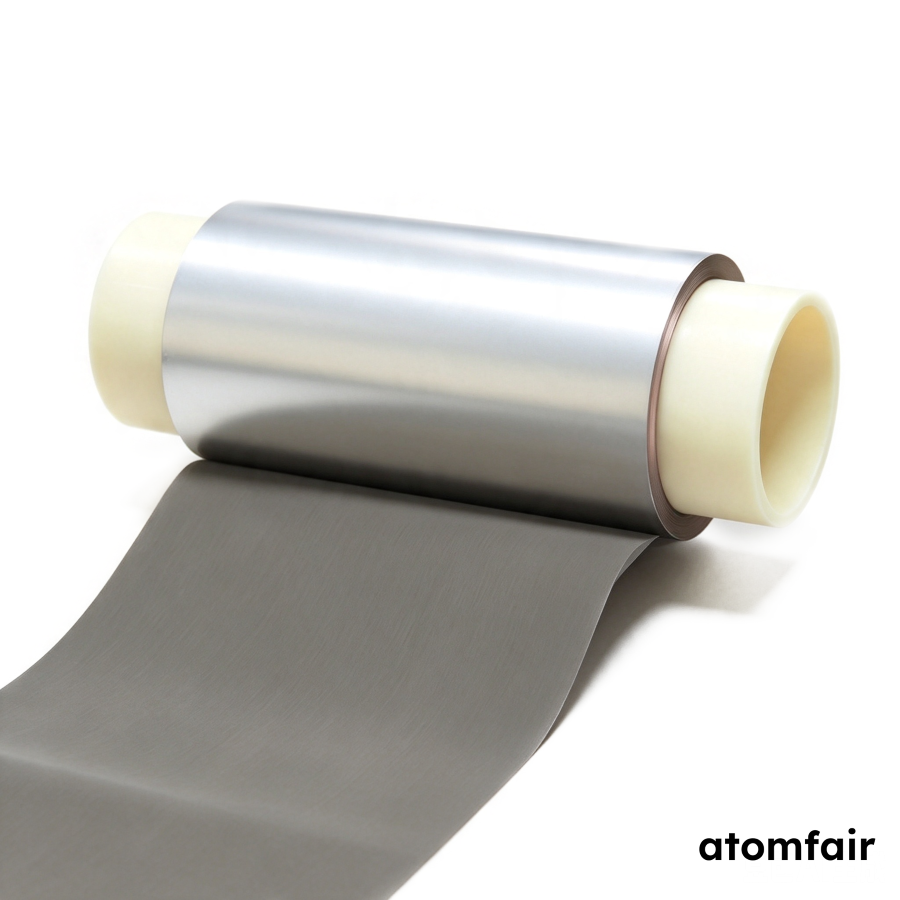
Copper Foil 9-210μm High-Temp Oxidation-Resistant ATOMFAIR®
$529.00 -
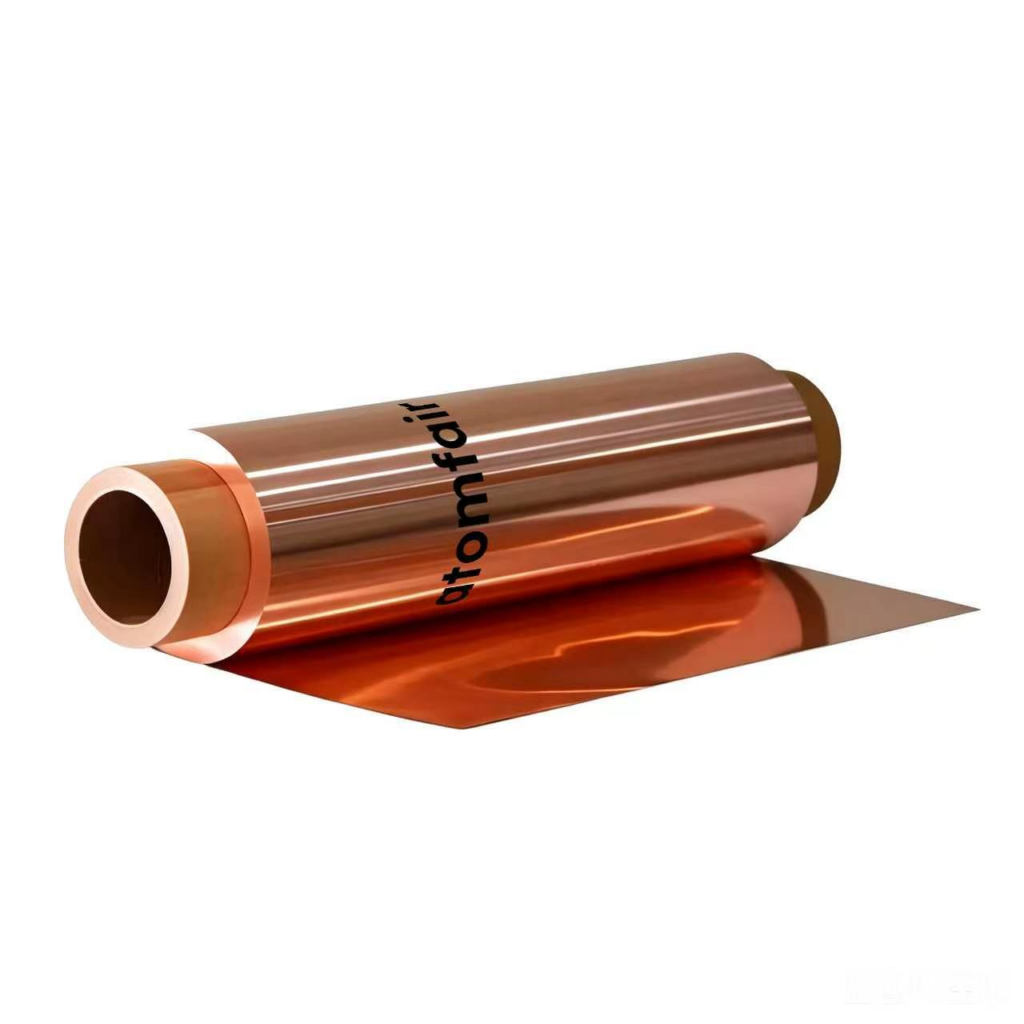
Copper Foil 9μm 200mm Battery Grade Anode ATOMFAIR®
$129.95 -
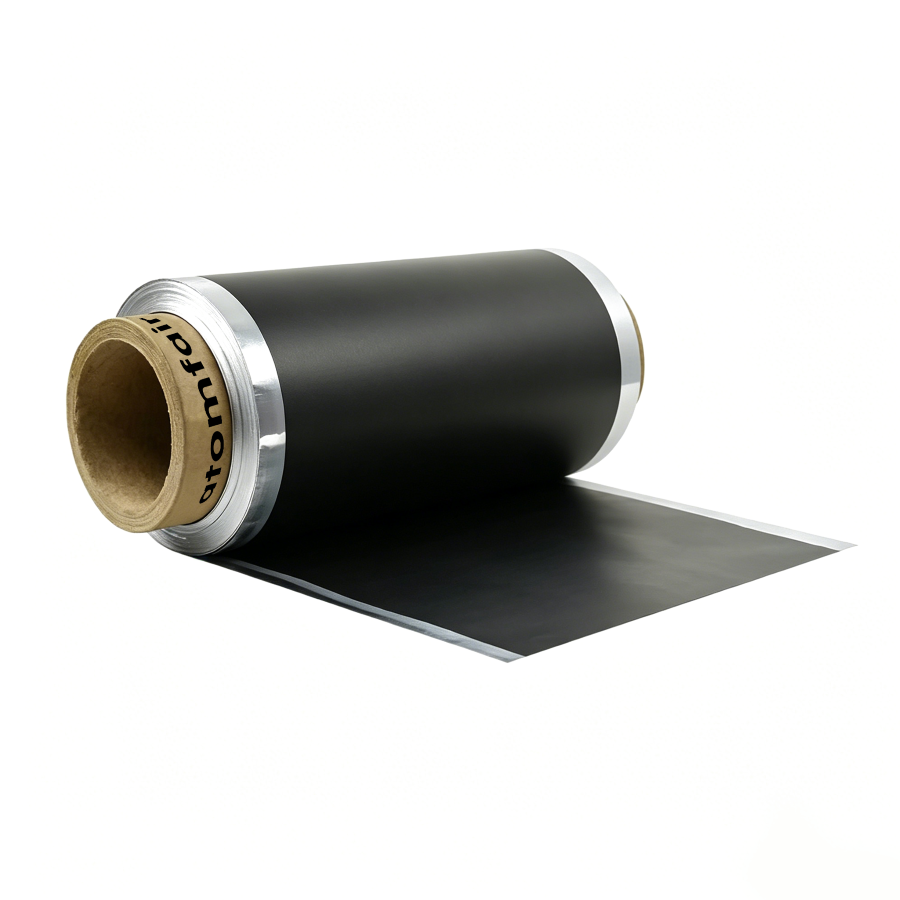
Double-Sided Carbon Coated Aluminum Foil 16μm ATOMFAIR®
$159.95 -
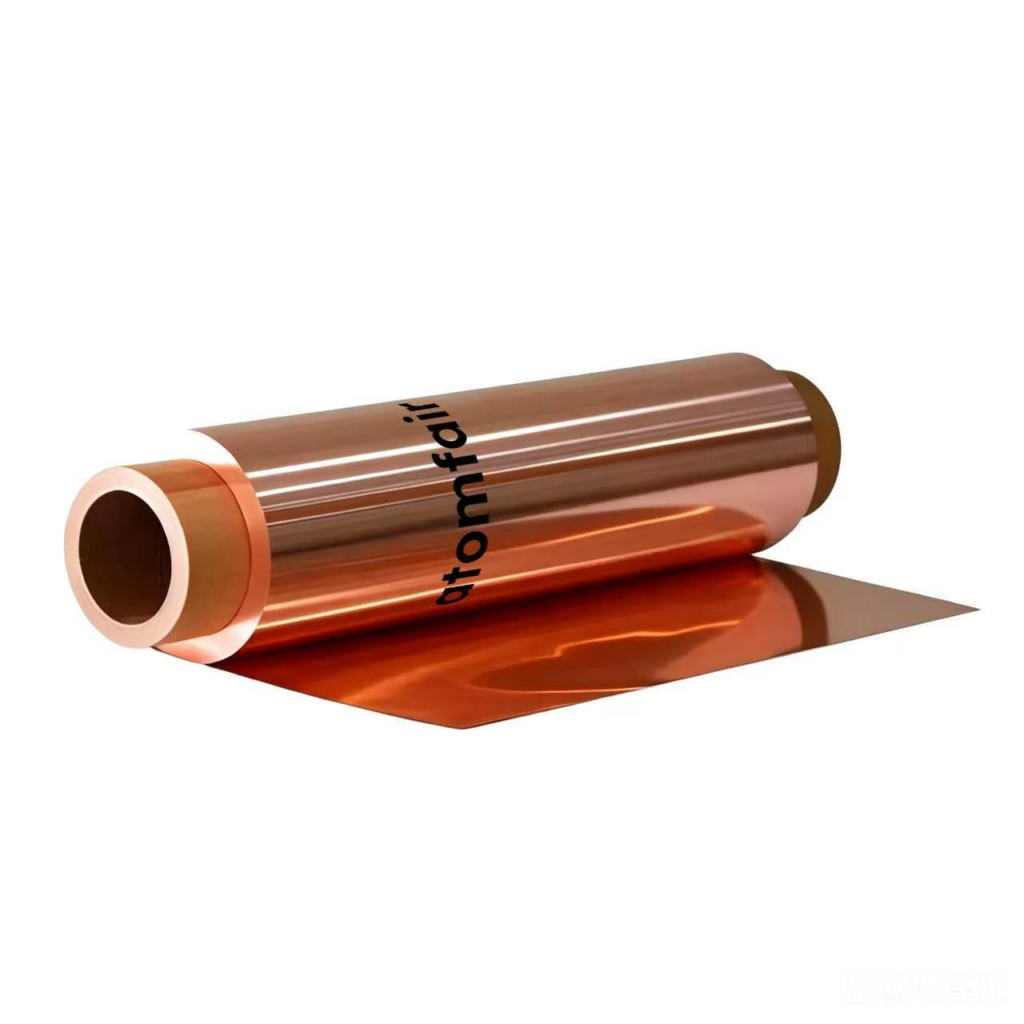
Double-Sided Carbon Coated Copper Foil 10μm 200mm ATOMFAIR®
$139.95 -
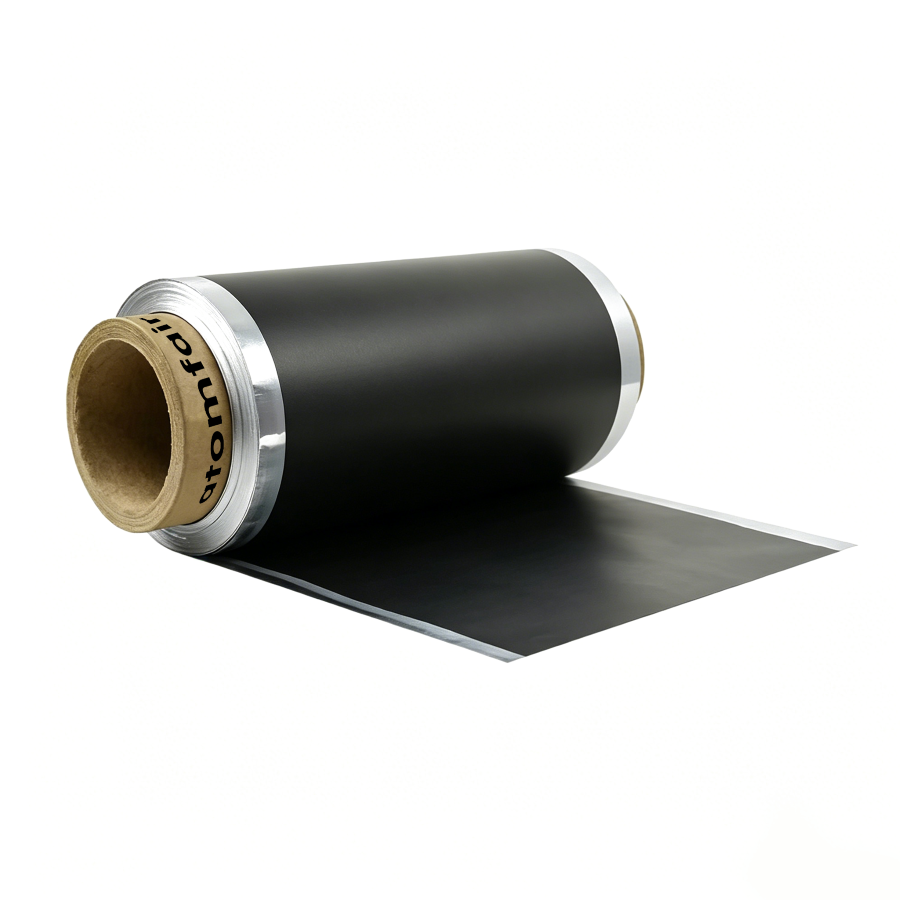
Double-Sided Conductive Carbon Coated Al Foil 16µm*200mm
$159.95 -
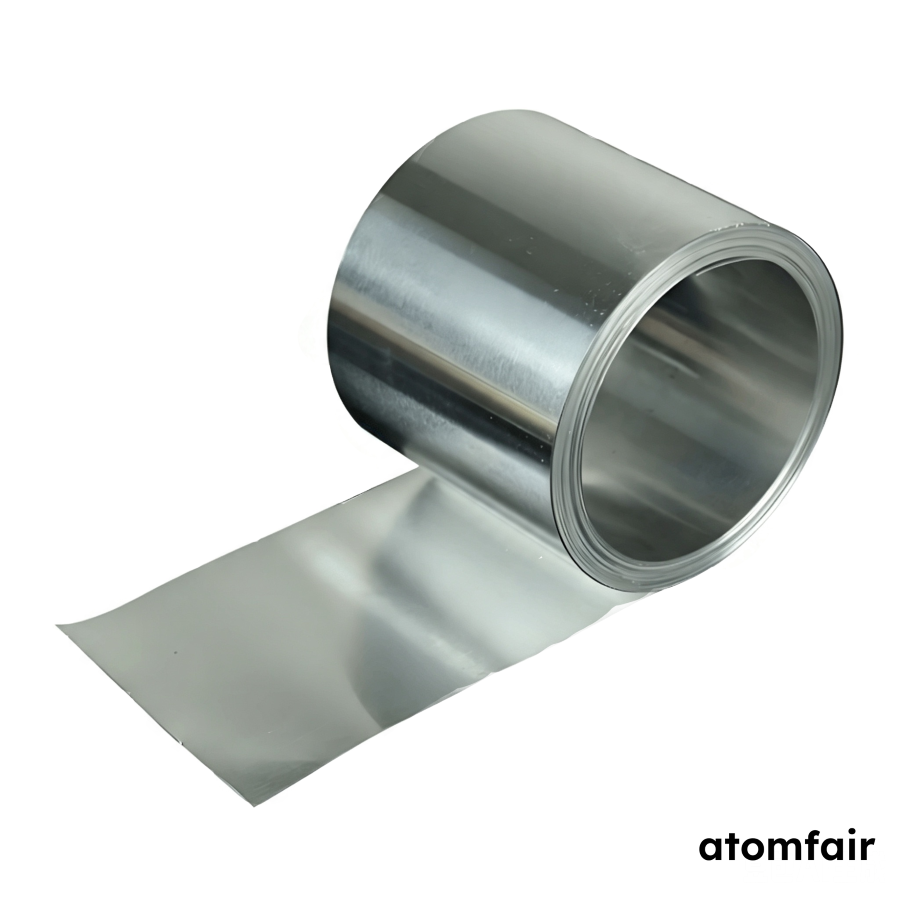
High-Dyne Battery Aluminum Foil 8-100μm 40 dyne ATOMFAIR®
$319.00 -
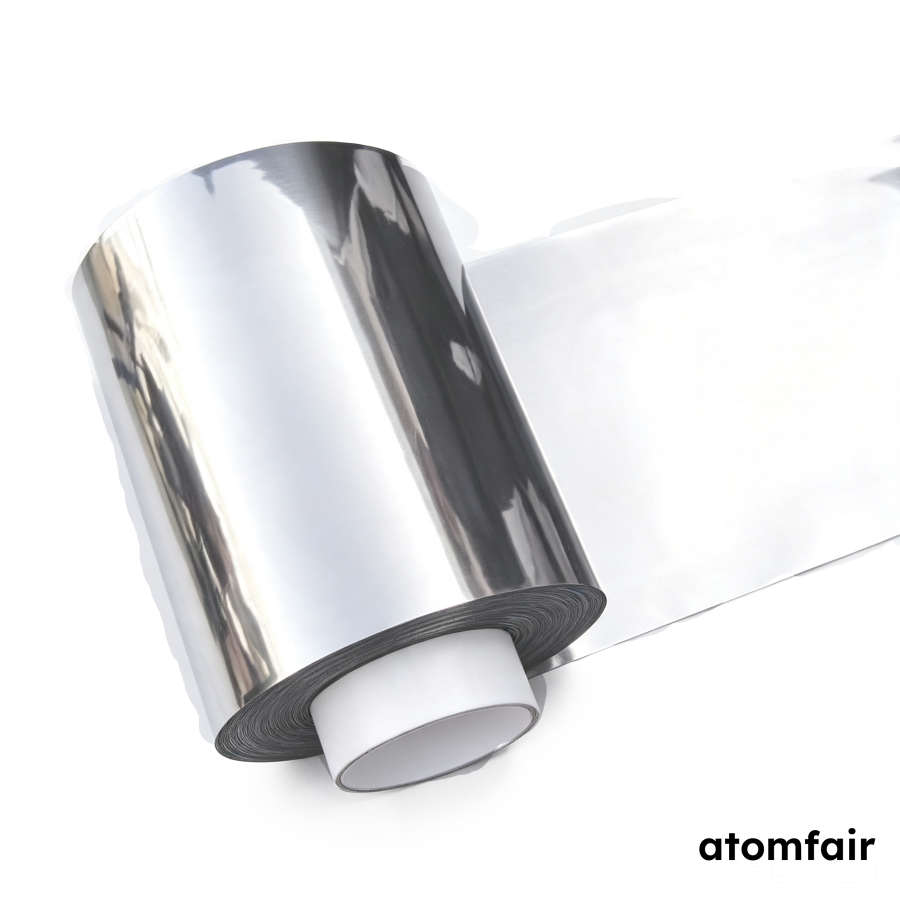
Incoming PI/PET Copper Foil Tin Plating Service ATOMFAIR®
$129.00