
Cell Assembly & Sealing Equipment
Cell Assembly, Electrolyte Filling & Sealing Equipment includes machines and tools for pouch cell, cylindrical cell, prismatic cell, and small-format battery assembly. Available equipment includes aluminum-laminated film forming machines, Z-stacking machines, cell case loaders, electrolyte dispensers, liquid injectors, ceramic plunger pumps, vacuum pre-sealing machines, heat sealers, secondary sealers, cylindrical grooving machines, crimping machines, spinning sealers, ultrasonic welders, tab punching machines, tab riveting machines, and post-assembly cleaning systems.
These products support battery material research, laboratory cell prototyping, pilot-scale process development, and small-batch cell production. Buyers can select equipment by cell format, working size, electrolyte volume, sealing length, vacuum requirement, welding method, automation level, and target throughput.
For pouch cells, common choices include film forming, stacking, electrolyte filling, vacuum pre-sealing, top sealing, side sealing, and secondary sealing equipment. For cylindrical cells, common choices include case loading, film wrapping, grooving, crimping, spinning sealing, and ultrasonic welding equipment. For prismatic cells, common choices include stacking, case shaping, tab punching, tab trimming, tab riveting, and tab forming equipment.
Show More
Choose by Cell Format
| Cell Format | Common Equipment | Typical Use |
|---|---|---|
| Pouch Cells | Film forming machines, Z-stacking machines, electrolyte filling machines, vacuum pre-sealers, heat sealers, secondary sealers | Pouch cell sample making, lab validation, and pilot assembly |
| Cylindrical Cells | Case loaders, film wrapping machines, grooving machines, crimping machines, spinning sealers, ultrasonic welders | 18650, 21700, and other cylindrical battery assembly workflows |
| Prismatic Cells | Automatic stacking machines, aluminum case shaping machines, tab punching machines, tab trimming machines, tab riveting machines | Prismatic cell structure preparation and tab processing |
| Small Lab Cells | Digital pipettes, digital dispensers, liquid injectors, ceramic plunger pumps, compact sealing tools | Electrolyte dosing, small-volume filling, and laboratory sample preparation |
Choose by Assembly Step
| Assembly Step | Equipment Options | What to Check |
|---|---|---|
| Stacking & Loading | Z-stacking machines, automatic stacking machines, cell case loaders, shell insertion machines | Electrode size, alignment accuracy, cell height, loading method, and cycle time |
| Electrolyte Filling | Digital pipettes, digital dispensers, liquid injectors, ceramic plunger pumps, automatic filling machines | Filling range, dosing accuracy, repeatability, liquid compatibility, and operating environment |
| Vacuum Pre-Sealing & Heat Sealing | Vacuum pre-sealers, pouch cell heat sealers, top and side sealing machines, secondary vacuum sealers | Sealing length, sealing width, temperature range, vacuum level, pressure, and dwell time |
| Cylindrical Grooving & Sealing | Grooving machines, crimping machines, automatic cylindrical sealers, spinning sealing machines | Cell diameter, cell height, grooving depth, sealing pressure, mold size, and throughput |
| Tab Welding & Forming | Ultrasonic metal welders, foil welders, tab punching machines, tab trimming machines, tab riveting machines | Tab material, foil thickness, layer count, welding area, frequency, power, and tab geometry |
| Post-Assembly Cleaning | Automatic battery cleaning machines and related handling systems | Cleaning method, cell format, line speed, liquid handling, and process compatibility |
Key Selection Parameters
Before choosing cell assembly and sealing equipment, confirm the target cell format, cell dimensions, electrode size, separator width, tab material, tab thickness, electrolyte filling volume, sealing length, sealing width, vacuum requirement, pressure range, temperature range, and expected throughput.
For pouch cell workflows, sealing uniformity, vacuum control, electrolyte handling, and seal-head flatness are especially important. For cylindrical cell workflows, the most important points are mold compatibility, grooving depth, crimping pressure, concentricity, and stable repeated operation.
For laboratory use, compact manual or semi-automatic systems are often practical for flexible sample preparation. For pilot or small-batch production, automatic or rotary-style systems can improve repeatability, reduce handling variation, and support higher process throughput.
Recommended Inquiry Information
| Information | Examples |
|---|---|
| Cell format | Pouch cell, cylindrical cell, prismatic cell, coin cell, supercapacitor cell |
| Cell dimensions | Length, width, height, diameter, shell size, aluminum-laminated film size |
| Filling requirement | Electrolyte volume, dosing accuracy, liquid compatibility, filling speed |
| Sealing requirement | Sealing length, sealing width, temperature, pressure, vacuum level, dwell time |
| Welding requirement | Tab material, foil thickness, layer count, welding area, frequency, power |
| Automation level | Manual, semi-automatic, automatic, rotary-style, or customized line integration |
FAQ
Which equipment should I start with for pouch cell assembly?
For pouch cell assembly, start with aluminum-laminated film forming, stacking, electrolyte filling, vacuum pre-sealing, and heat sealing equipment. If the process includes degassing and final closure, a secondary sealing machine may also be needed.
What equipment is commonly used for cylindrical battery sealing?
Cylindrical battery sealing workflows commonly use case loading machines, grooving machines, crimping machines, spinning sealers, automatic cylindrical sealers, and ultrasonic welders. The correct choice depends on the cell diameter, height, shell structure, and target output.
How do I choose an electrolyte filling tool?
For small-volume laboratory work, digital pipettes, digital dispensers, and liquid injectors are practical choices. For higher repeatability, larger volumes, or automated workflows, ceramic plunger pumps or automatic filling machines are usually more suitable.
What does a vacuum pre-sealing machine do?
A vacuum pre-sealing machine removes air from a pouch cell after electrolyte filling and creates an initial seal. It helps reduce bubbles, leakage risk, and unstable sealing before later degassing or final sealing steps.
What is the difference between heat sealing and secondary sealing?
Heat sealing is often used for the first closure of the pouch edge, such as top sealing or side sealing. Secondary sealing is typically used after electrolyte soaking, vacuum handling, or degassing to complete the final pouch seal.
What can ultrasonic welding equipment be used for?
Ultrasonic welding equipment is commonly used for tabs, metal foils, current collectors, and battery connection areas. Buyers should confirm material type, thickness, layer count, welding area, and required weld strength before selecting a model.
Can the equipment be configured for custom cell sizes?
Many assembly, filling, sealing, grooving, and welding systems can be configured with matched molds, fixtures, sealing heads, or tooling. For custom requests, provide the cell drawing, target dimensions, tab layout, sealing length, and expected production rate.
What information should I provide before requesting a quote?
Provide the cell format, cell dimensions, electrode size, electrolyte volume, sealing length, welding material, automation level, power requirement, and expected output. This helps match the correct equipment, mold, fixture, and accessory configuration.
Showing 97–102 of 102 results
-
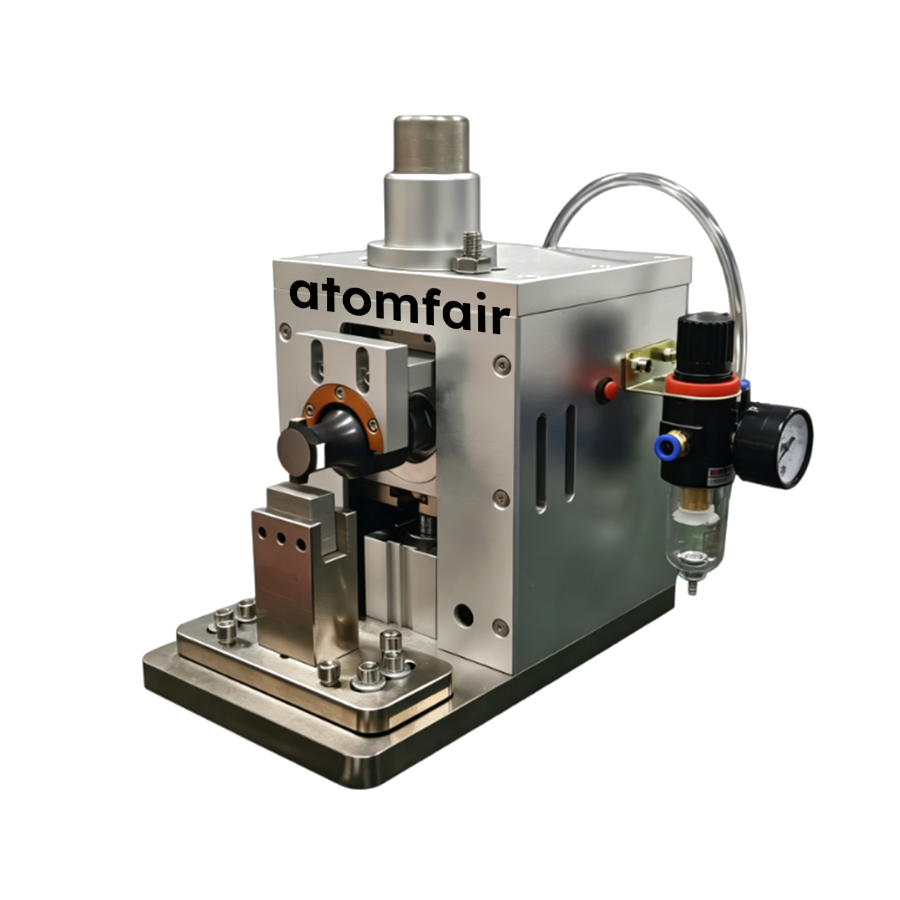
Ultrasonic Foil Welder PM-25080 40kHz 800W
$3,500.00 -
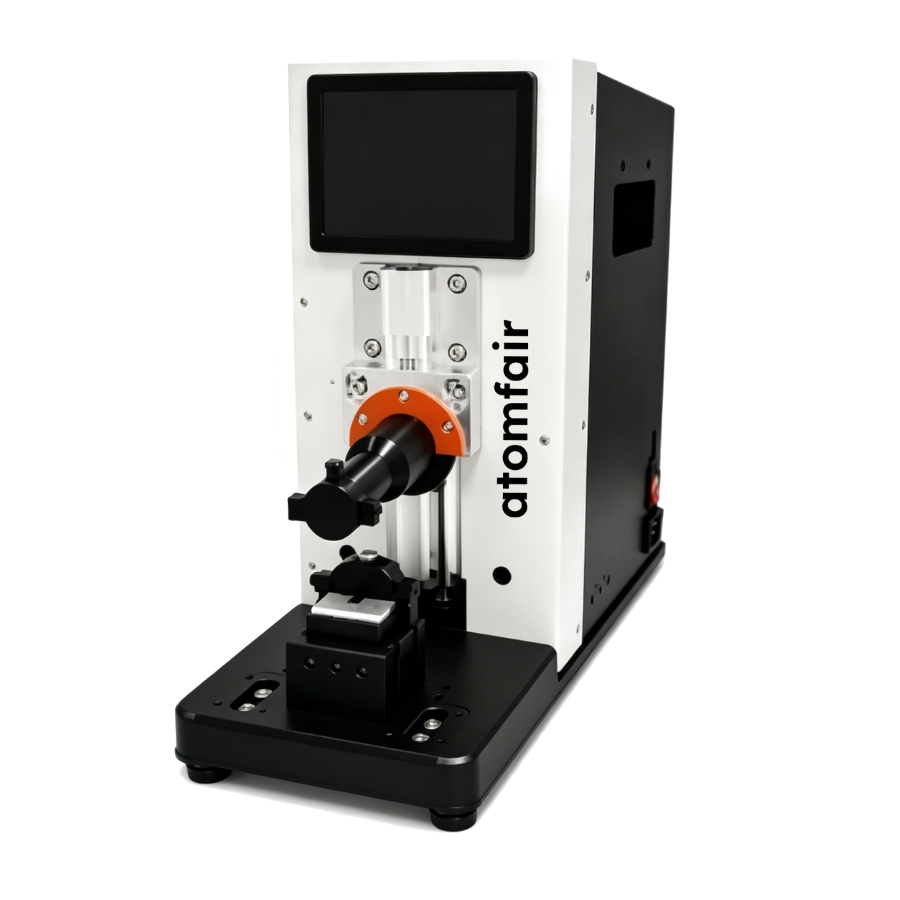
Ultrasonic Metal Welding Machine 40kHz/20kHz ATOMFAIR®
Price range: $7,000.00 through $10,500.00 -
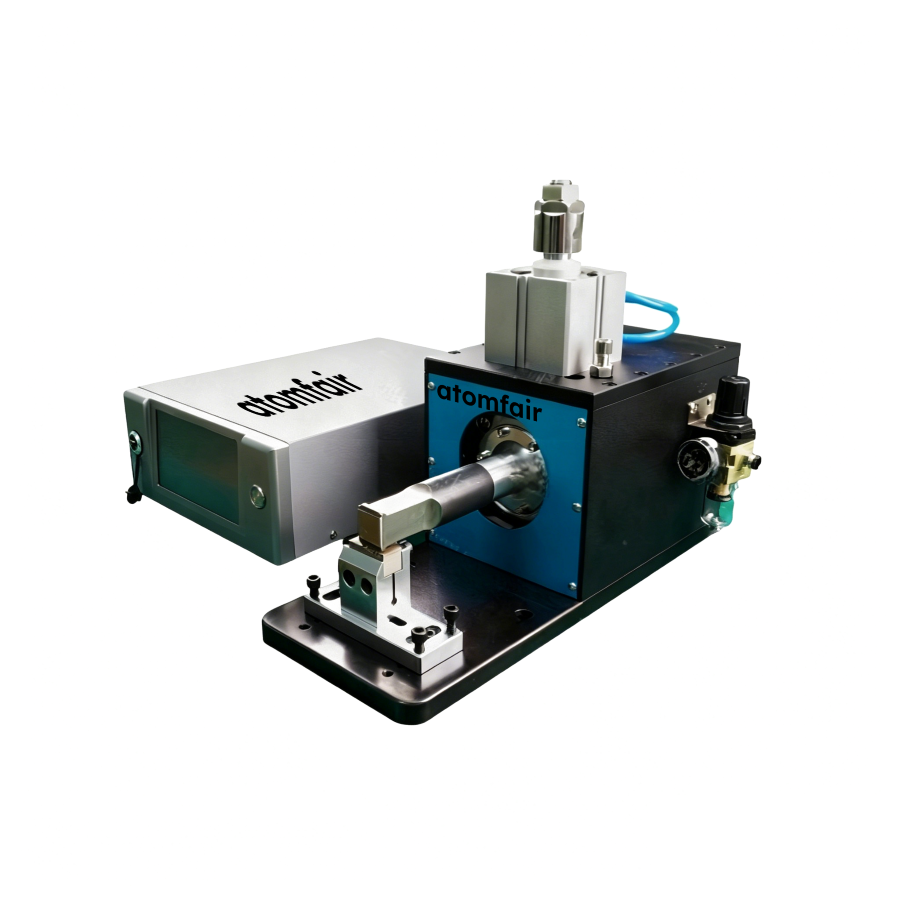
USW-721 Ultrasonic Spot Welder 20kHz 2000W 220V
$2,939.00 -
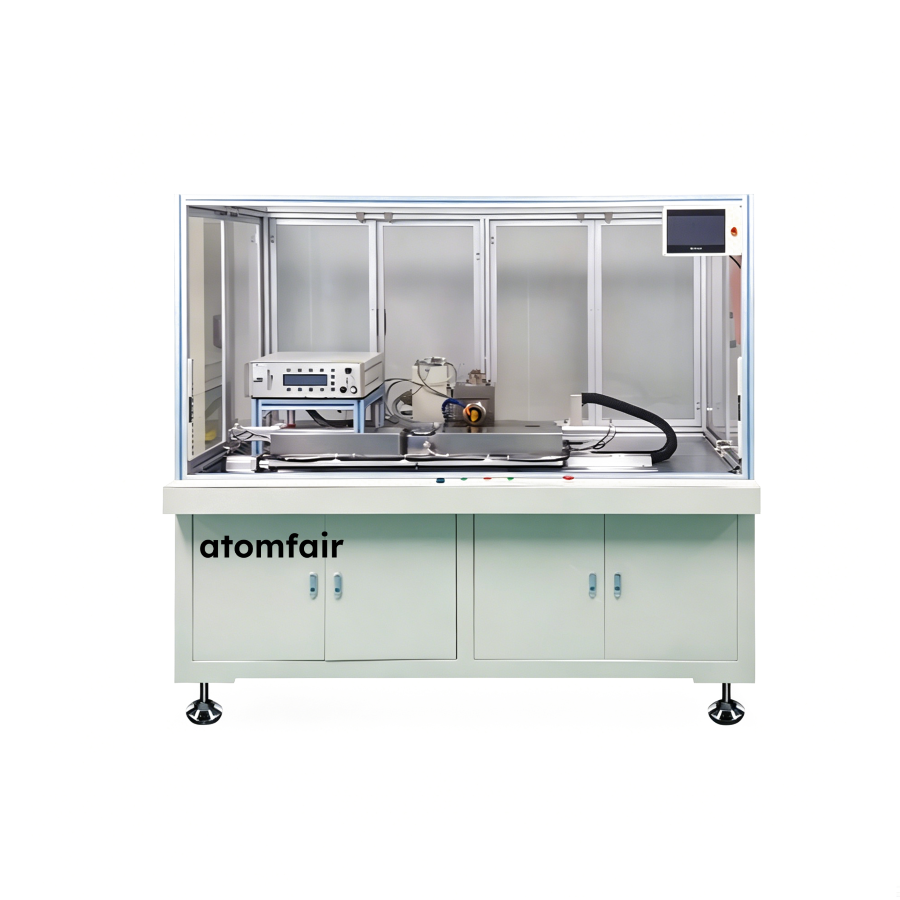
USW-724 Ultrasonic Welder Cylindrical Batteries
$30,197.00 -
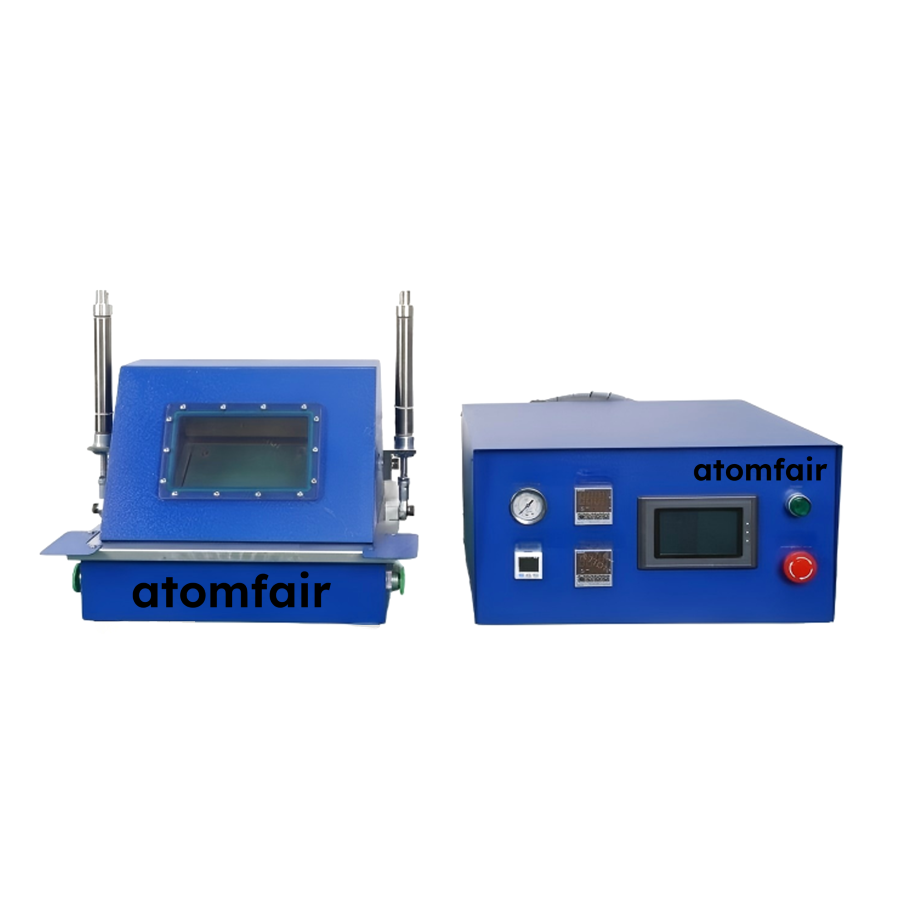
Vacuum Pre-Sealing Machine 200mm Copper Heads
$4,102.00 -
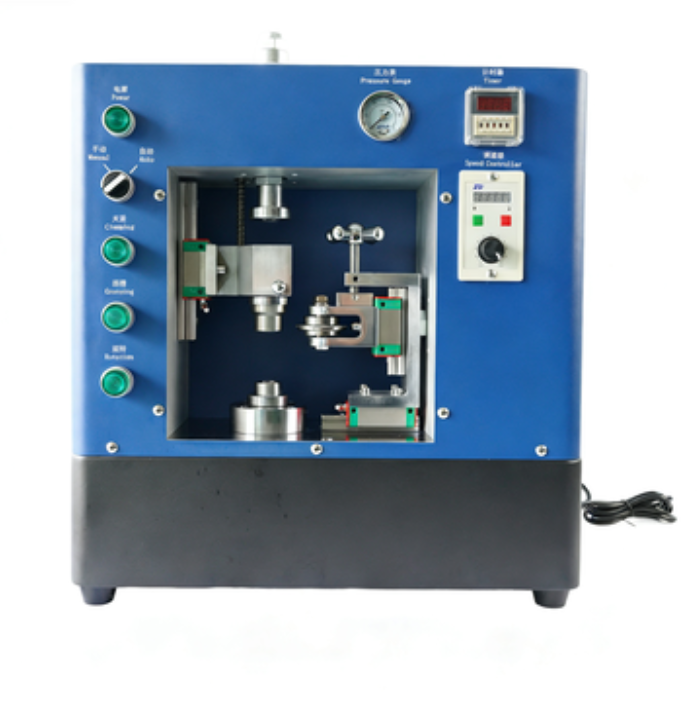
VGM863 Semi-automatic Cylindrical Battery Vertical Grooving Machine High Precision Groover 400pcs/H Adjustable Sealing Grooving Equipment