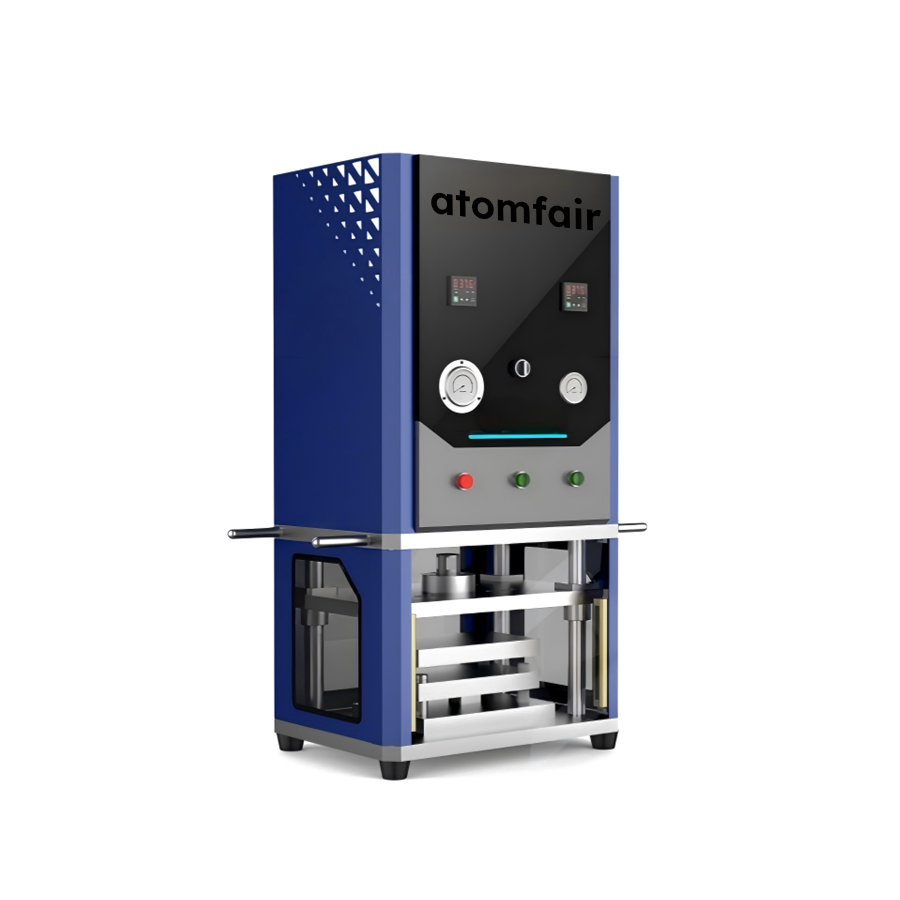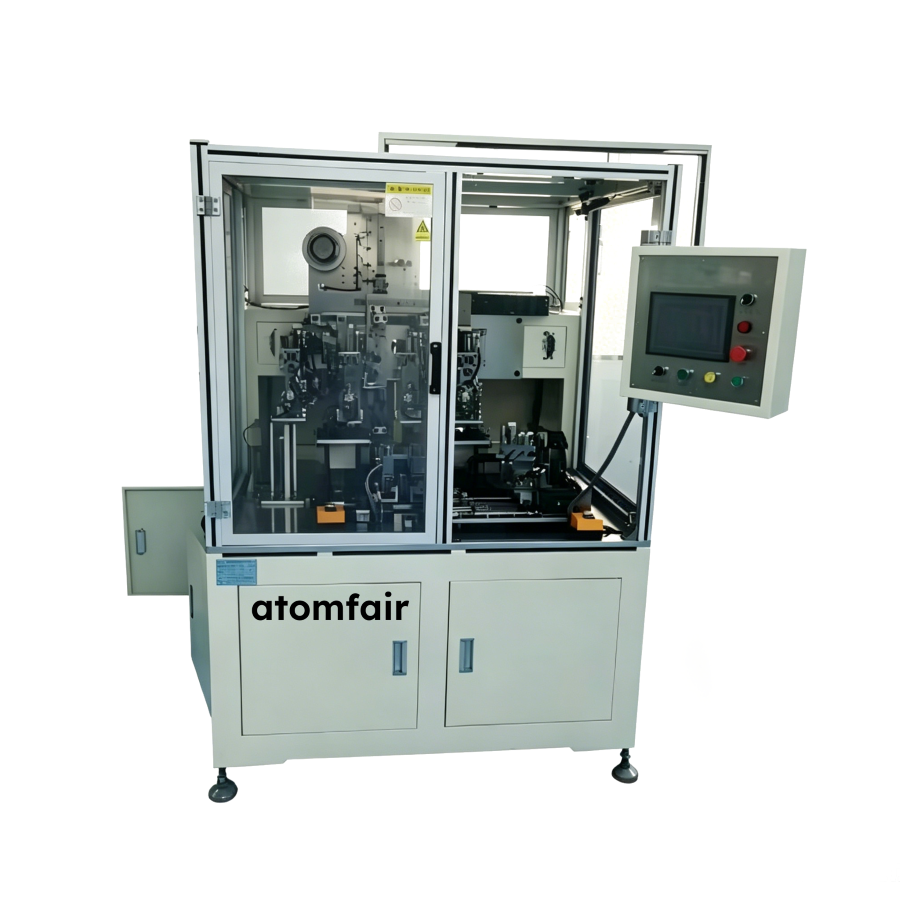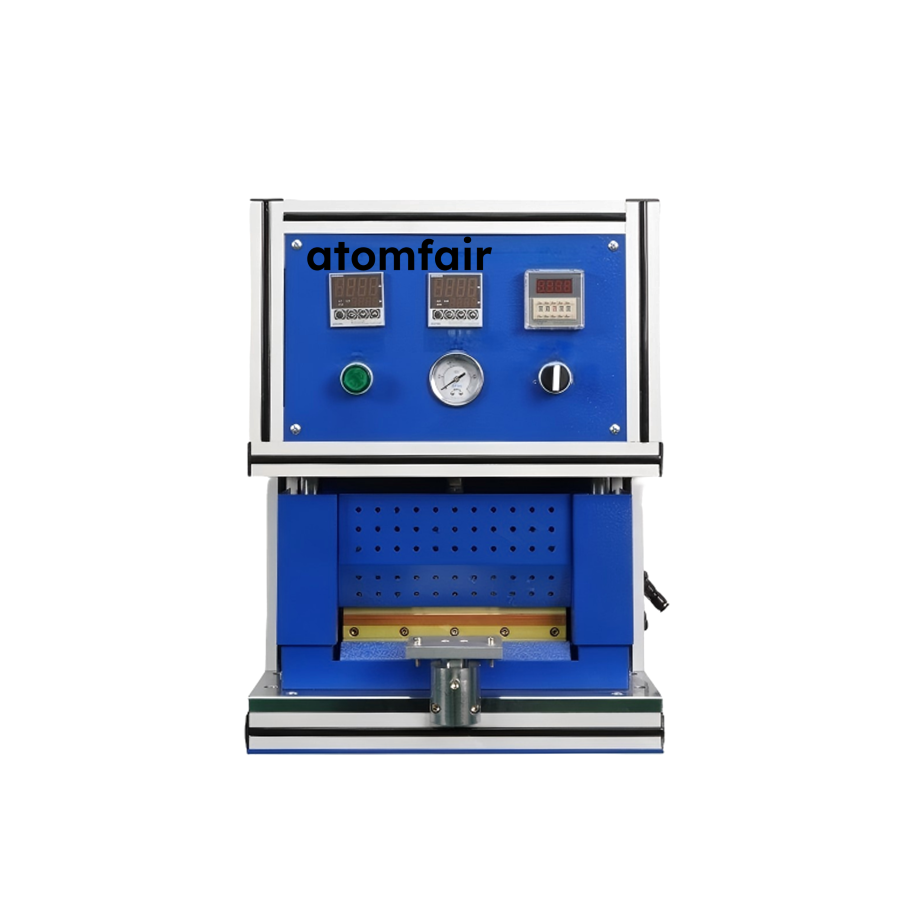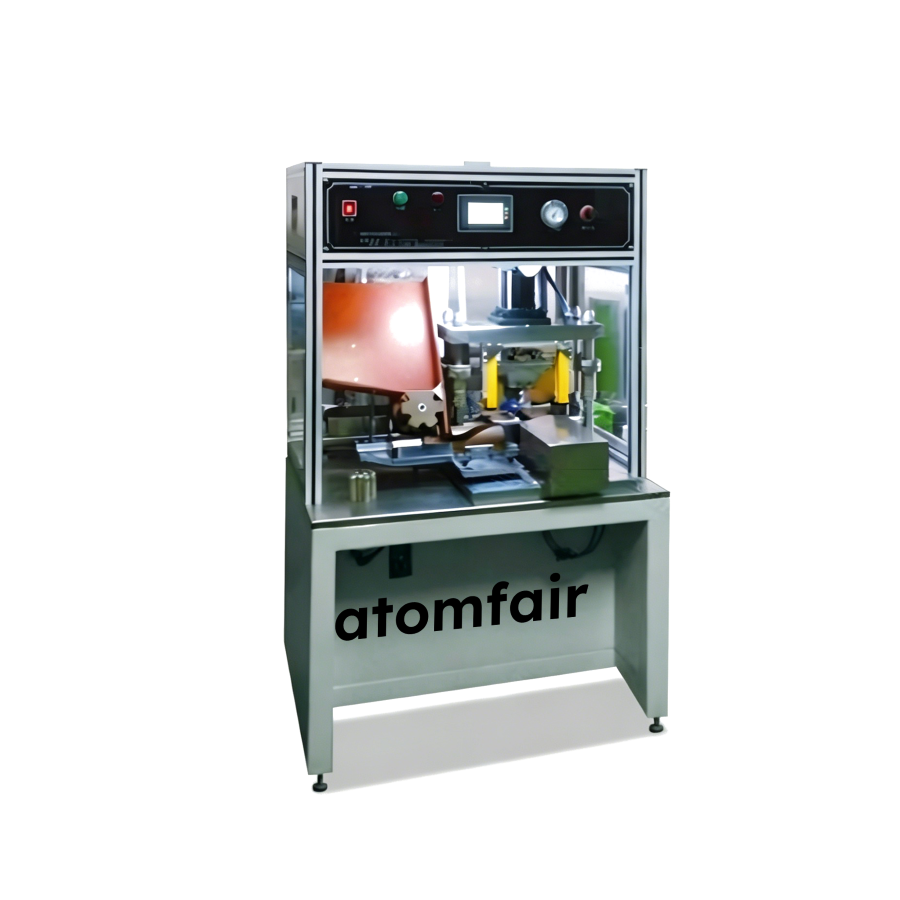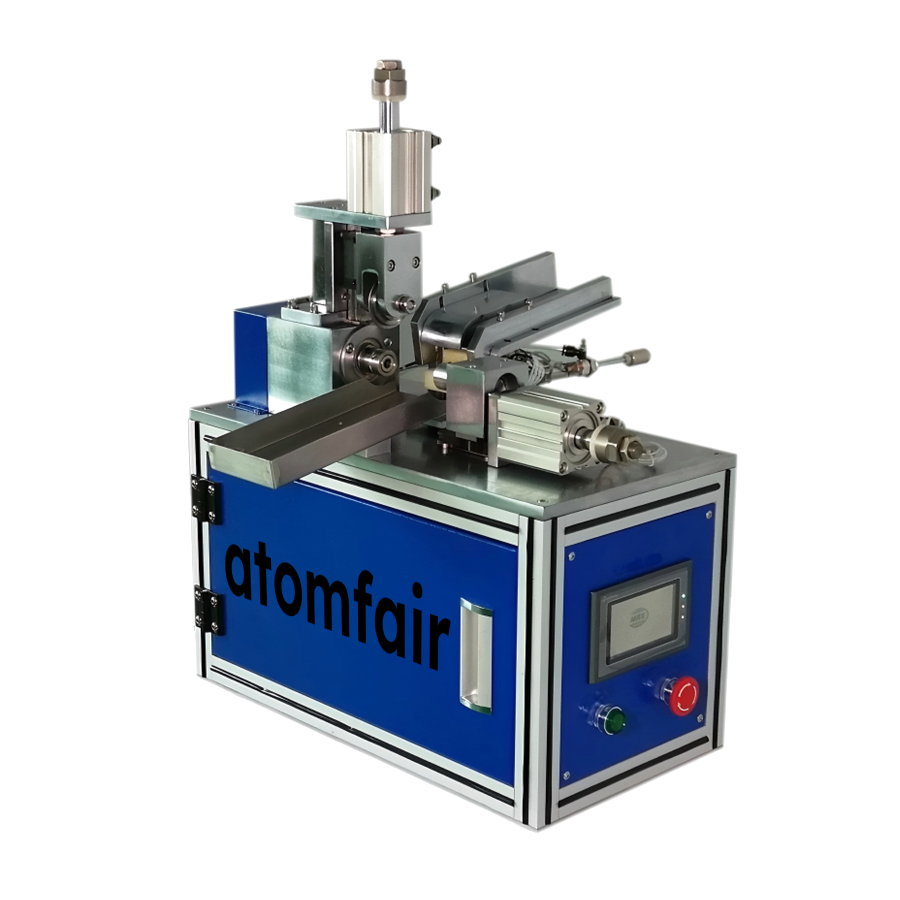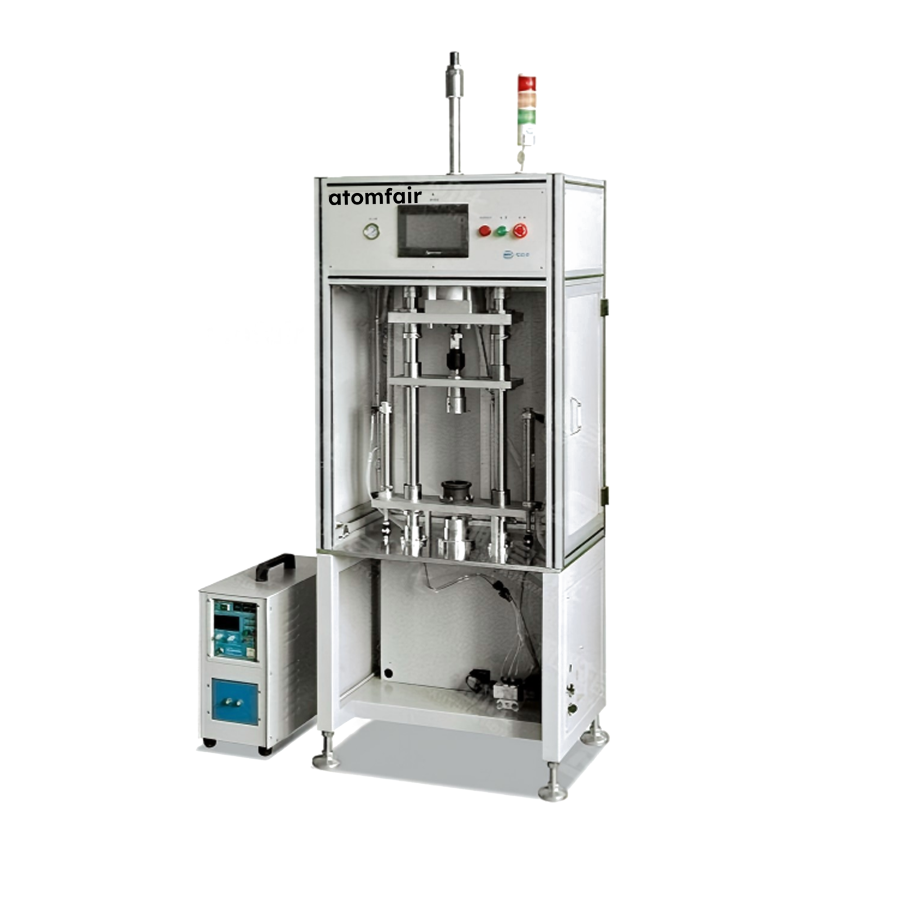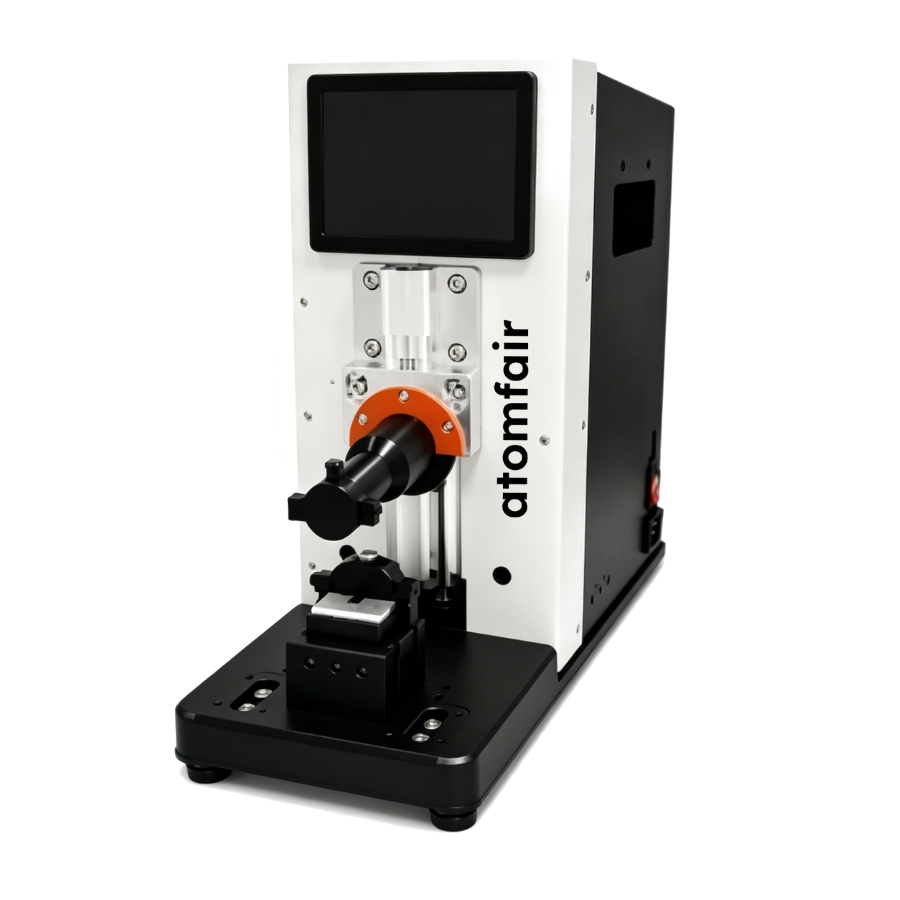
ATOMFAIR ULTRASONIC METAL WELDING MACHINE FOR POUCH BATTERY CELLSLAB-GRADE PRECISION JOINING SYSTEM
|
|||||||||||||||||||||||||
|
|||||||||||||||||||||||||
|
TAILORED SOLUTIONS FOR RESEARCH
Contact our engineering team for technical support or customized equipment quotations.
EMAIL: INQUIRY@ATOMFAIR.COM
|
|||||||||||||||||||||||||
|
Manufacturer: Atomfair LLC
Brand: ATOMFAIR
|
Operate the welding machine within its rated electrical specifications and ensure proper grounding to mitigate shock hazards. Store the system in a clean, dry environment away from combustible materials to prevent fire risk.
- Electrical Connection Constraints: Connect the generator to a power supply that matches the rated voltage and frequency to avoid electrical overload or damage.
- Frequency Tracking Calibration: Verify automatic frequency stabilization before operation to maintain resonance and prevent transducer failure.
- Pressure and Amplitude Limits: Set tool pressure and wave amplitude within the digital modulation range to avoid overstressing the weld stack.
- Dwell Window Settings: Configure dwell windows according to material thickness to ensure complete bond formation without overheating.
- Data Logging Verification: Confirm real-time energy profile recording to detect anomalies during the welding process.
This procedure outlines the safe initialization and operation of the ultrasonic welding system for joining electrode tabs to current collectors. Follow each step sequentially to ensure proper bonding and avoid equipment damage.
Required Equipment: Ultrasonic welding machine with digital generator, Transducer and horn assembly, Control panel with digital modulation interface, Welding nest for electrode stacking
- Inspect Transducer and Horn
Inspect the transducer and horn for cleanliness and secure mounting before each use. - Connect Generator and Verify Frequency Tracking
Connect the generator to the power supply and verify automatic frequency tracking on the digital display. - Set Modulation Parameters
Set the digital modulation parameters for tool pressure, wave amplitude, and dwell windows according to the material specification. - Load Electrode Stack
Load the stacked copper or aluminum foils and nickel tab into the welding nest in the correct orientation. - Initiate Welding Cycle
Initiate the welding cycle and monitor the real-time energy profile on the control panel for consistency. - Remove and Inspect Bond
Remove the welded assembly and inspect the bond integrity for uniform fusion and absence of cracking.
What are the trade-offs between the 40 kHz low-load and 20 kHz heavy-duty frequency options for pouch cell welding?
The 40 kHz model (800 W) is optimized for low-load applications requiring finer precision and minimal heat input, while the 20 kHz model (3000 W) delivers higher power for thicker or multi-layer stacks. The choice depends on foil thickness and tab material; the 20 kHz array provides deeper penetration but may cause more deformation on thin foils.
Can this ultrasonic welder bond aluminum foils directly to nickel tabs without additional surface preparation?
Yes, the system is designed to bond stacked copper and aluminum foils alongside nickel tabs onto current collectors. However, the operational compliance notice emphasizes that all surface foils must be thoroughly cleaned to ensure perfect contact planes; inadequate cleaning can lead to weak joints or arcing.
What infrastructure requirements are needed for installing this ultrasonic metal welding machine in a battery research lab?
The machine requires a stable power supply matching the model's rating (800 W or 3000 W) and arrives with primary power linkages. It is shipped in heavy vibration-damping industrial crating; upon receipt, users should verify lead parameters with the engineering desk before final setup. The digital control panel allows real-time adjustment of pressure, amplitude, and dwell windows.
This ultrasonic metal welding machine delivers precise, high-efficiency connections for pouch battery cell welding with automatic frequency tracking and digital parameter modulation, but requires thorough foil cleaning and may need custom factory adjustments for specific lead parameters.
Positive
- Advanced Tracking Generator: Integrated automatic frequency tracking maintains ideal resonance across continuous high-frequency operations, ensuring consistent weld quality without manual tuning.
- Digital Metric Modulation: Digital controls for tool pressure, wave amplitude, and dwell windows allow precise parametric adjustment, optimizing the process for varied foil and tab materials.
Trade-offs
- Requires Clean Surface Foils: Thorough cleaning of all surface foils is mandatory to ensure perfect contact planes, adding a preprocessing step that may impact throughput in high-volume workflows.
- Custom Factory Adjustments Possible: Certain hardware models require factory adjustment of lead parameters prior to use, necessitating pre-purchase consultation with the engineering team to verify compatibility.
Every advanced material, component, equipment, and instrument in our catalog is backed by rigorous testing. We maintain strict internal quality management frameworks and align with CE conformity metrics to deliver transparent, reproducible performance data via our public open-science repository.
To request raw batch performance data, submit formal vendor registration paperwork, or execute a fast-turnaround R&D manufacturing loop, contact us at inquiry@atomfair.com.
Item is dispatched under the Atomfair Shipping & Delivery Framework (Free worldwide shipping on orders over $59 USD excl. heavy equipment). Return is governed by the Atomfair Return & Refund Policy (7-day technical return window).