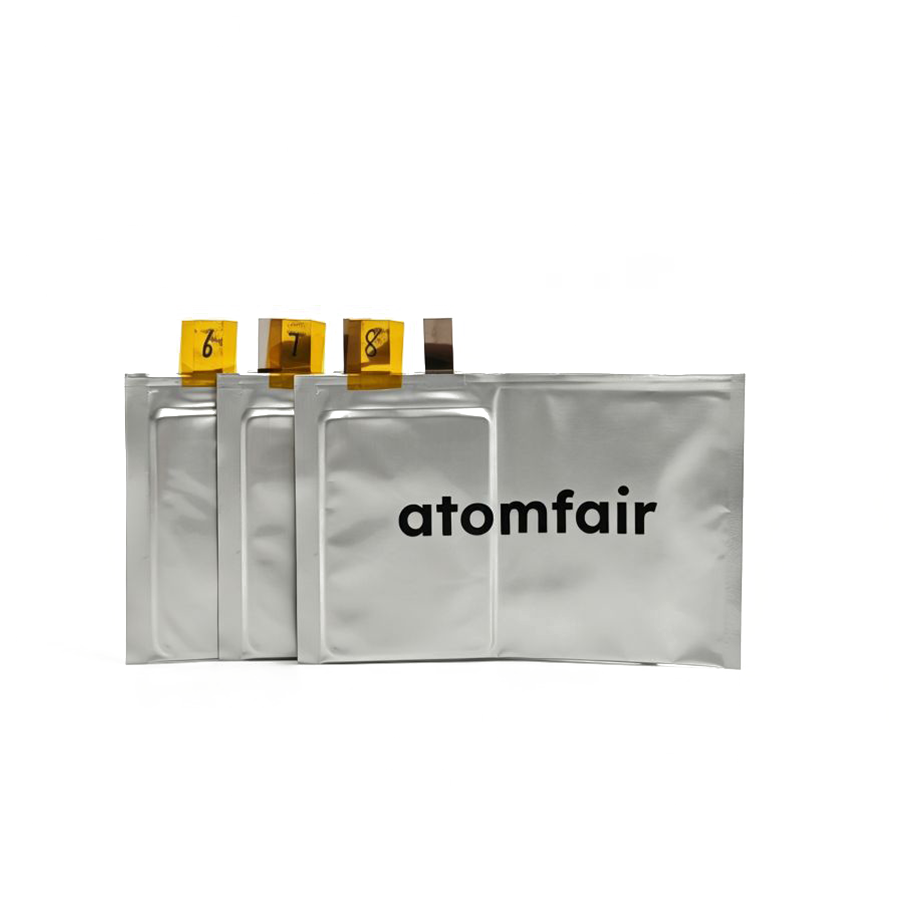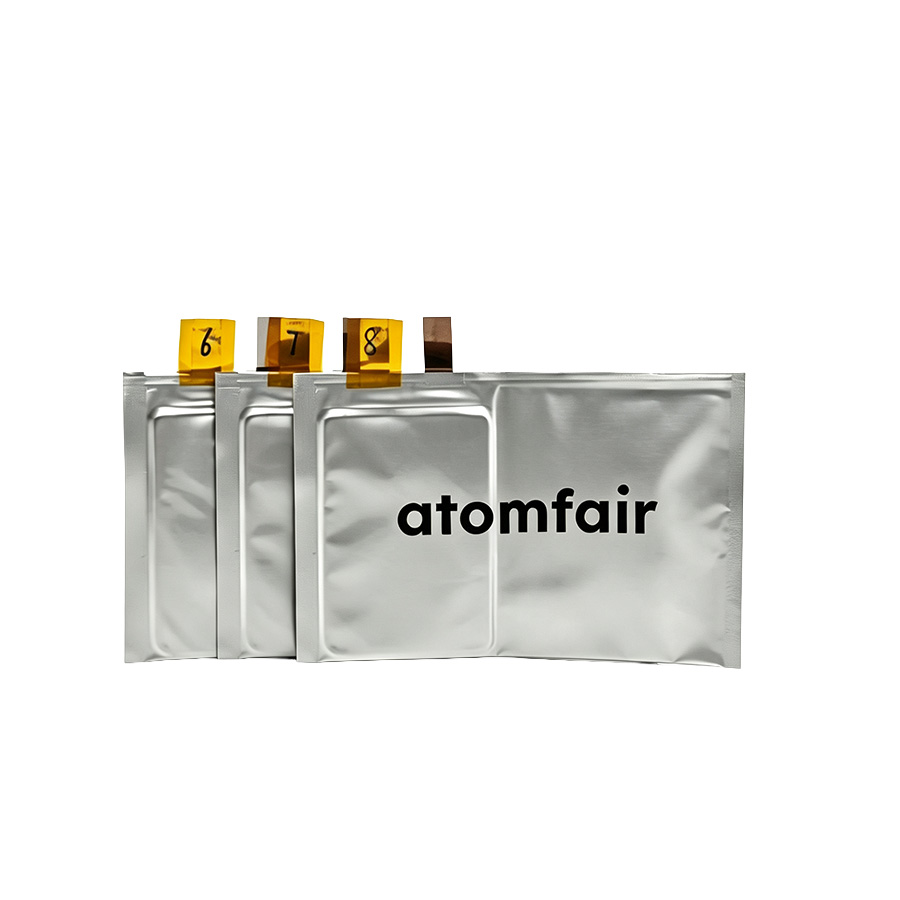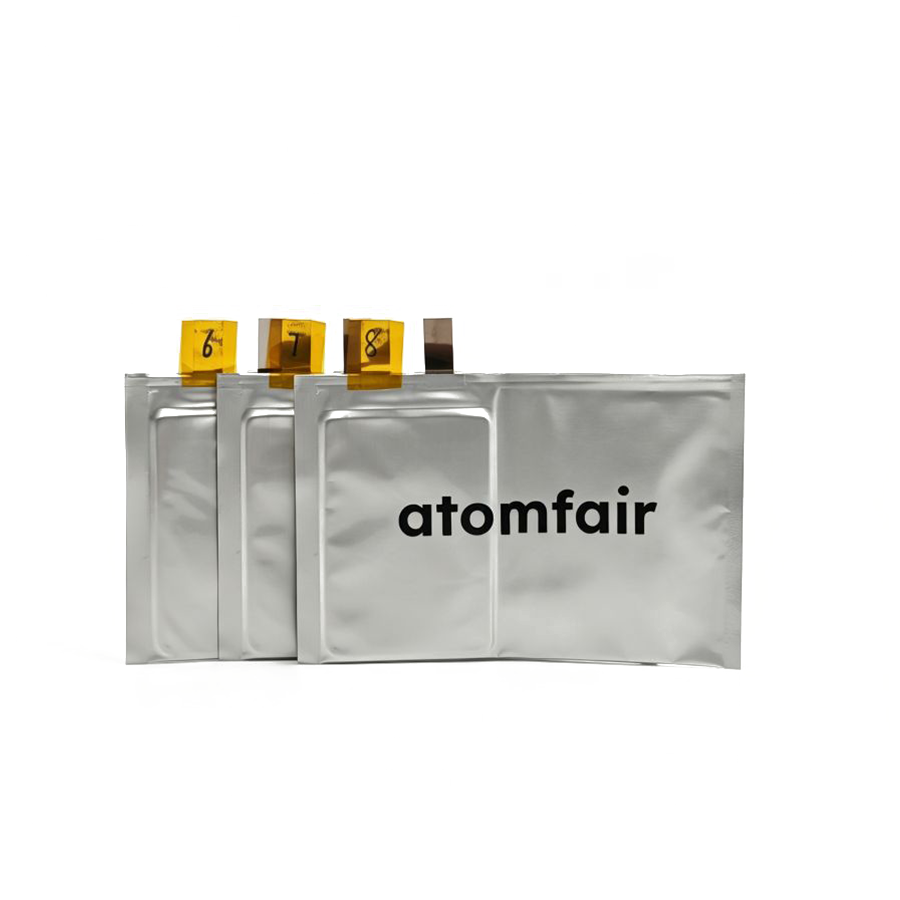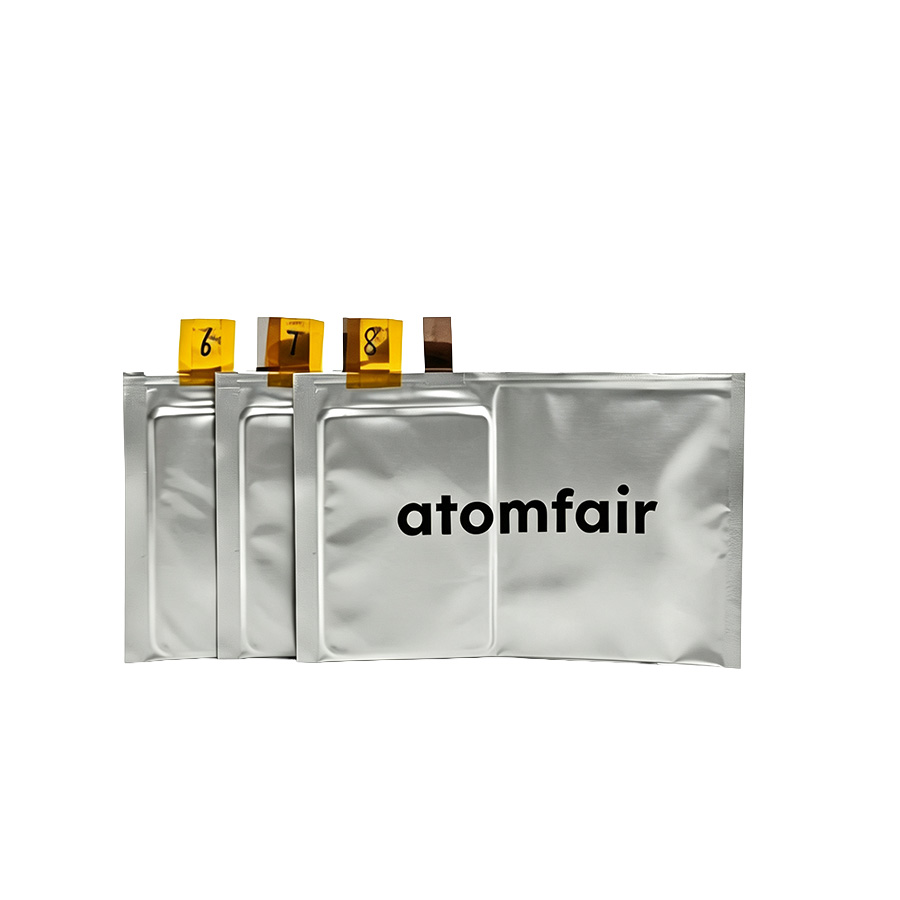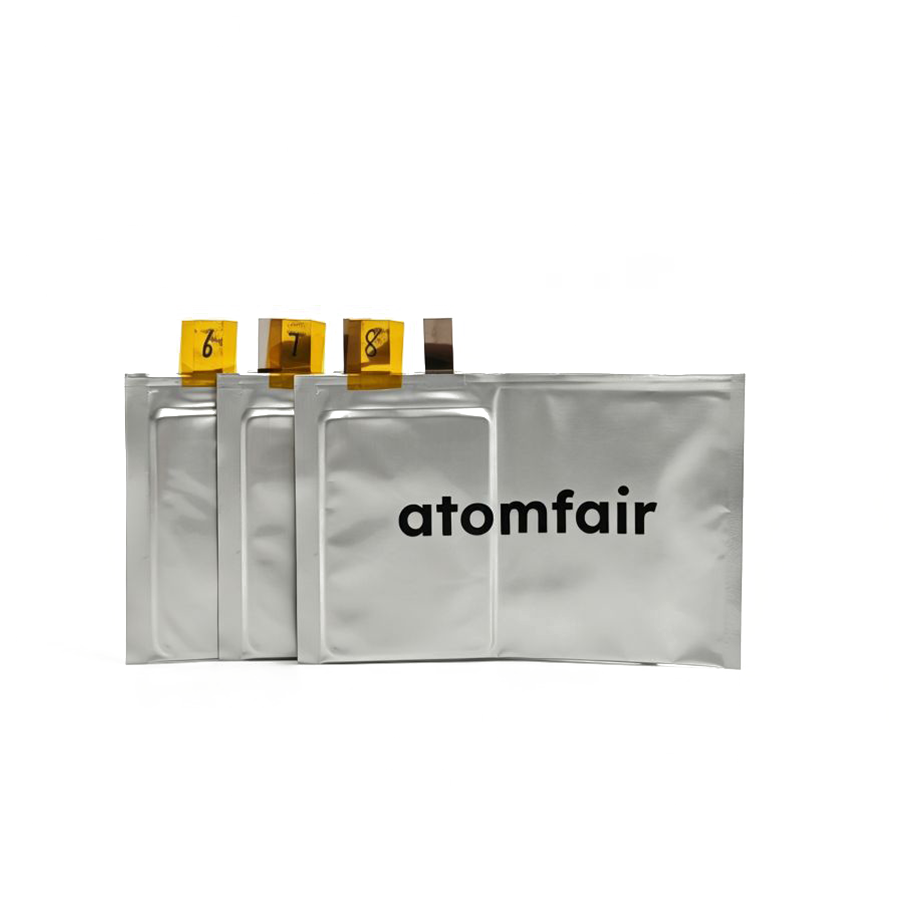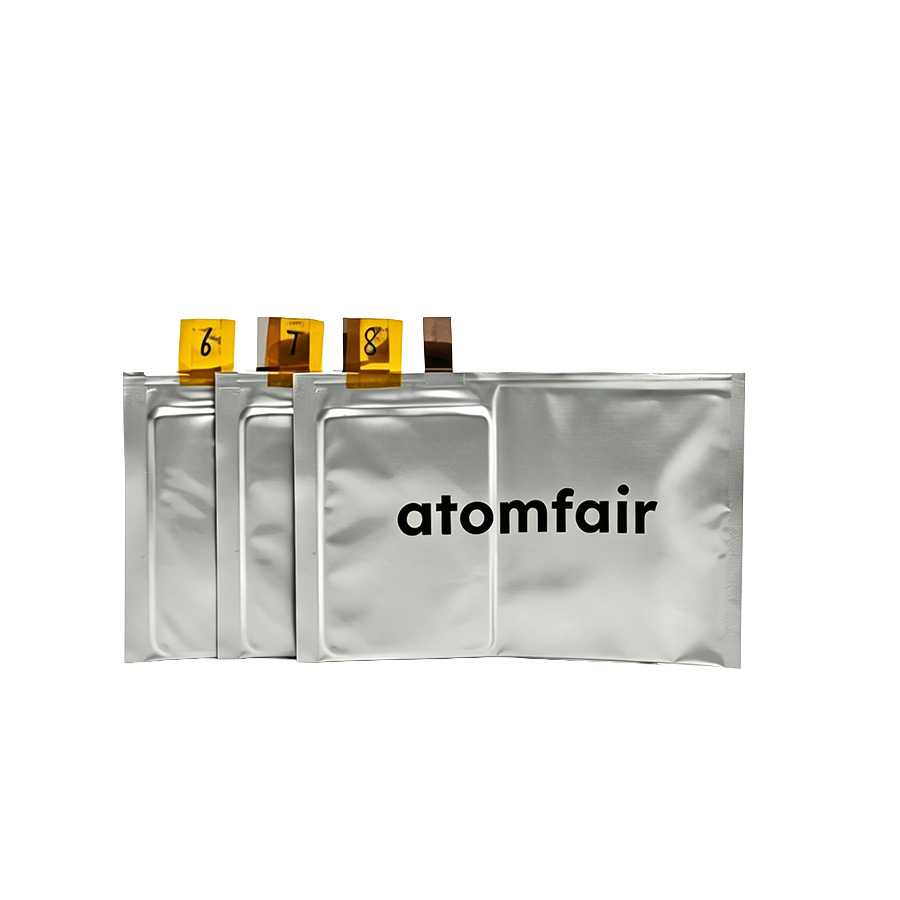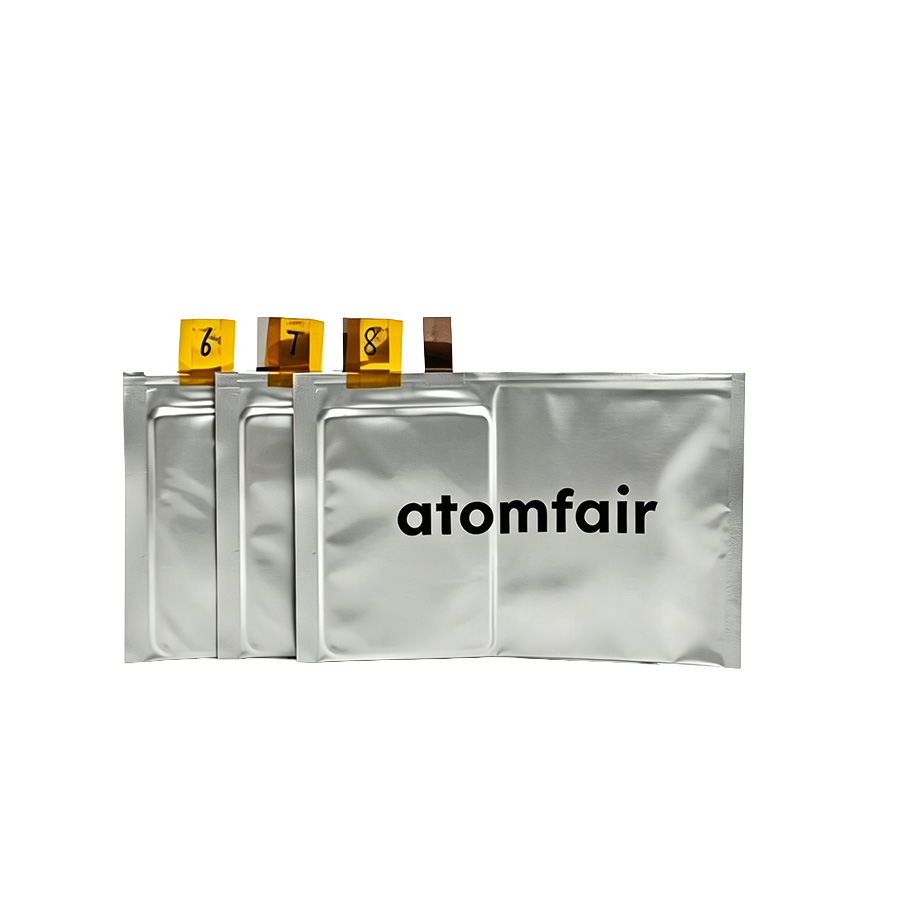
NVP Sodium-Ion Dry Pouch Cell (1 Ah, 16/17 Layers) – Anode-Free, Al/C-3 Current CollectorProduct Type: Research-grade dry pouch cell
Research-grade laboratory product
|
||||||||||||||||||||||||||||||||||||||||||||||||||||||||
|
||||||||||||||||||||||||||||||||||||||||||||||||||||||||
This electrolyte-free dry pouch cell requires electrolyte filling before electrochemical activation. The unfilled pouch must be sealed under controlled laboratory conditions to enable proper cell finishing.
- Electrolyte Filling Requirement: The dry pouch cell must be filled with a suitable sodium-ion electrolyte before electrochemical activation.
- Pouch Sealing Requirement: Seal the pouch cell immediately after electrolyte injection to maintain an inert internal environment.
- Voltage Window Constraint: Operate the cell within the specified voltage window of 2.5 V to 3.8 V to prevent irreversible electrode damage.
- Electrode Material Compatibility: Confirm that the electrolyte and cycling conditions are compatible with the NVP cathode and Al/C-3 anode chemistries.
How does the cathode coating areal density and specific capacity reported for this NVP dry pouch cell translate to its 1 Ah nominal capacity?
The cathode uses NVP with 93% active material, a specific capacity of 100 mAh/g, and a coating areal density of 12.5 mg/cm² per side. With the 45.5 x 64 mm footprint, each double-sided cathode coating contributes approximately 67.7 mAh of capacity. For a 17-layer stack, the total cathode capacity is about 1.15 Ah, matching the 1 Ah nominal rating when accounting for anode-side limitations and practical efficiency.
What are the implications of the anode-free Al/C-3 design on the initial formation and voltage window of this sodium-ion cell?
The anode-free design uses the Al/C-3 current collector as the sodium plating substrate during charging. The voltage window of 2.5–3.8 V is specified relative to Na+/Na potential. During the first charge, the cathode releases sodium ions that plate onto the Al/C-3, but some sodium is irreversibly consumed to form the solid electrolyte interphase (SEI) on the anode surface. This initial capacity loss must be accounted for in cell design and may lower the first-cycle discharge capacity below 1 Ah.
What is the role of the 12 µm PE + 2 µm ceramic separator in the performance and safety of this dry pouch cell?
The separator is a 12 µm polyethylene base layer with a 2 µm ceramic coating, giving a total thickness of 14 µm. The thin PE layer minimizes ionic resistance, while the ceramic coating improves mechanical puncture resistance and thermal stability. This is especially important in an anode-free design where sodium dendrite growth during plating could otherwise penetrate the separator, supporting safe laboratory cycling within the specified voltage range.
This 1 Ah electrolyte-free NVP||Al/C-3 dry pouch cell combines a 16/17-layer stack, 2.5-3.8 V window, and a 93% active-material NVP cathode at 12.5 mg/cm2 areal loading; because the pouch is unfilled, its electrochemical performance is defined by the researcher's electrolyte and activation choices rather than by a finished OEM cell.
Positive
- Unfilled dry pouch for controlled activation studies: Supplied without electrolyte, this dry cell lets the laboratory control fill volume, electrolyte composition, and formation/finishing conditions, making it suitable for electrolyte and activation studies.
- Defined NVP cathode loading and active-material fraction: The 93% active NVP cathode with 12.5 mg/cm2 coating areal density and 100 mAh/g specific capacity provides a fixed electrode baseline for cell-level comparison.
Trade-offs
- Cannot be cycled until electrolyte is added: The cell is electrolyte-free, so it cannot be electrochemically cycled as delivered; performance emerges only after the researcher performs filling, wetting, and activation.
- Anode-side parameters are not specified: The Al/C-3 anode is listed as a current-collector architecture with dimensions only; anode active-material loading and capacity are absent, leaving cell-balance contributions to be determined experimentally.
Every advanced material, component, equipment, and instrument in our catalog is backed by rigorous testing. We maintain strict internal quality management frameworks and align with CE conformity metrics to deliver transparent, reproducible performance data via our public open-science repository.
To request raw batch performance data, submit formal vendor registration paperwork, or execute a fast-turnaround R&D manufacturing loop, contact us at inquiry@atomfair.com.
Item is dispatched under the Atomfair Shipping & Delivery Framework (Free worldwide shipping on orders over $59 USD excl. heavy equipment). Return is governed by the Atomfair Return & Refund Policy (7-day technical return window).