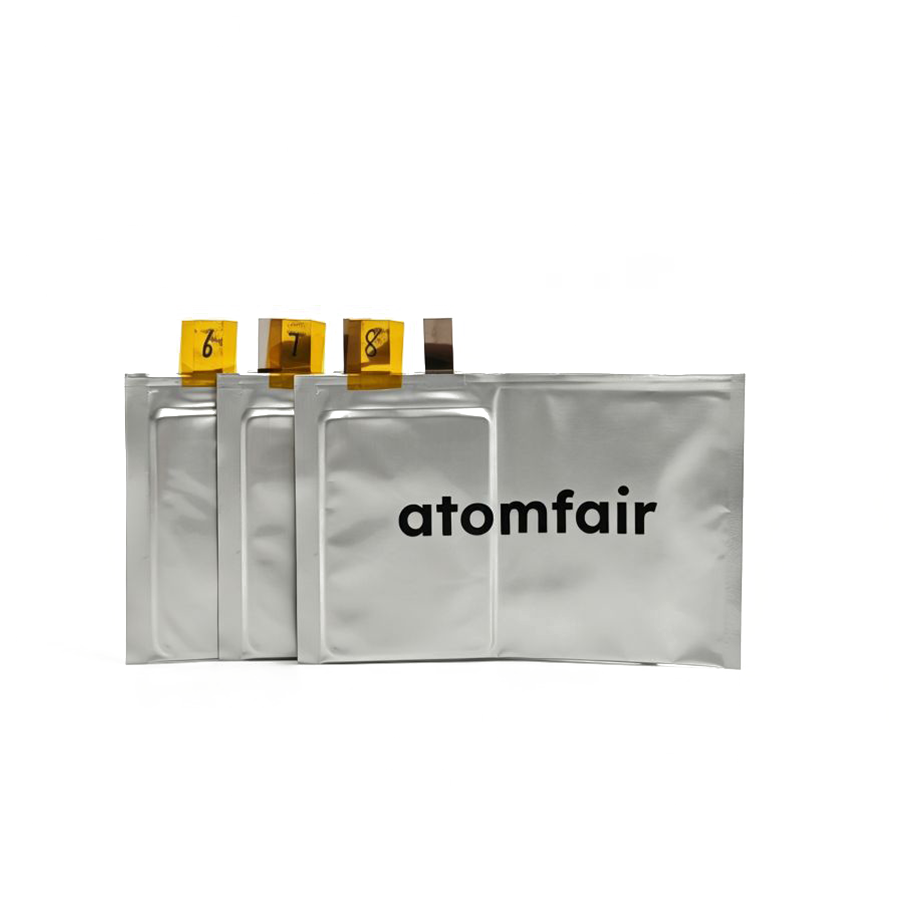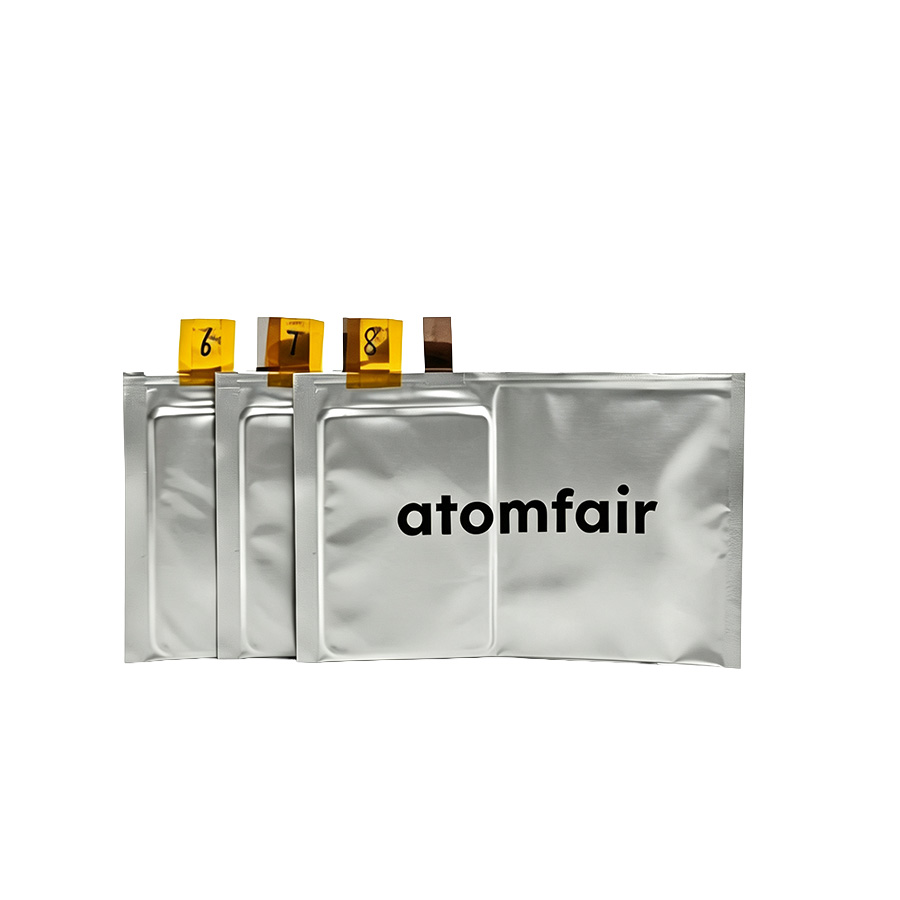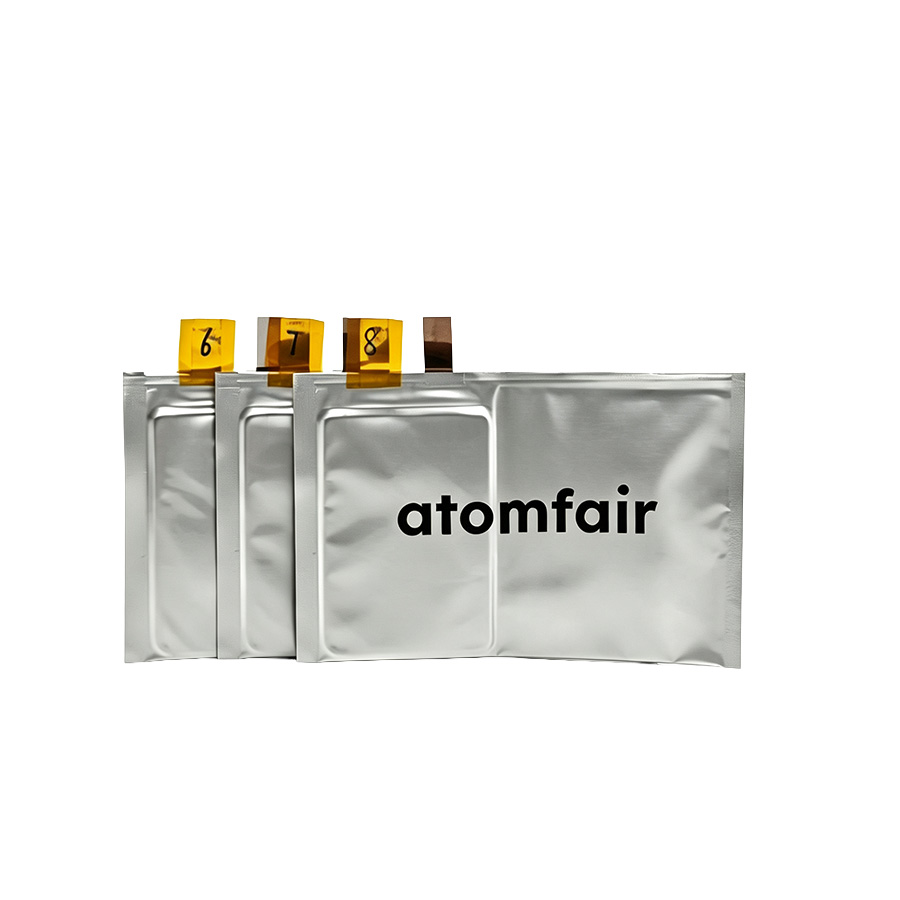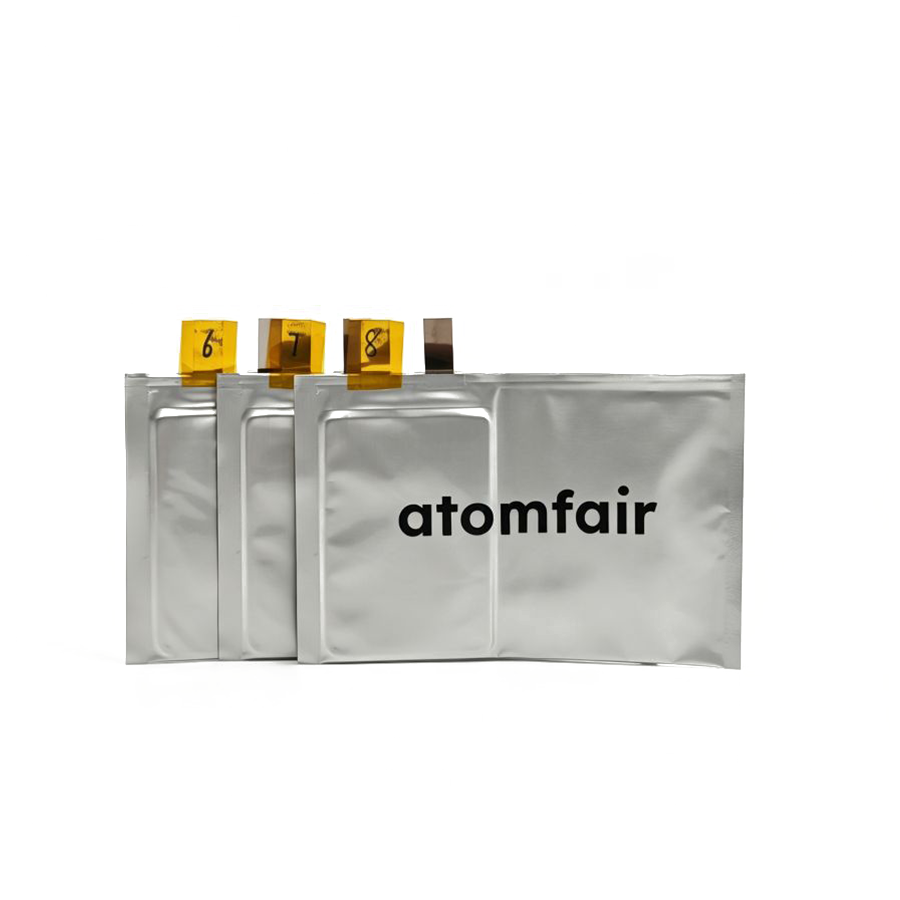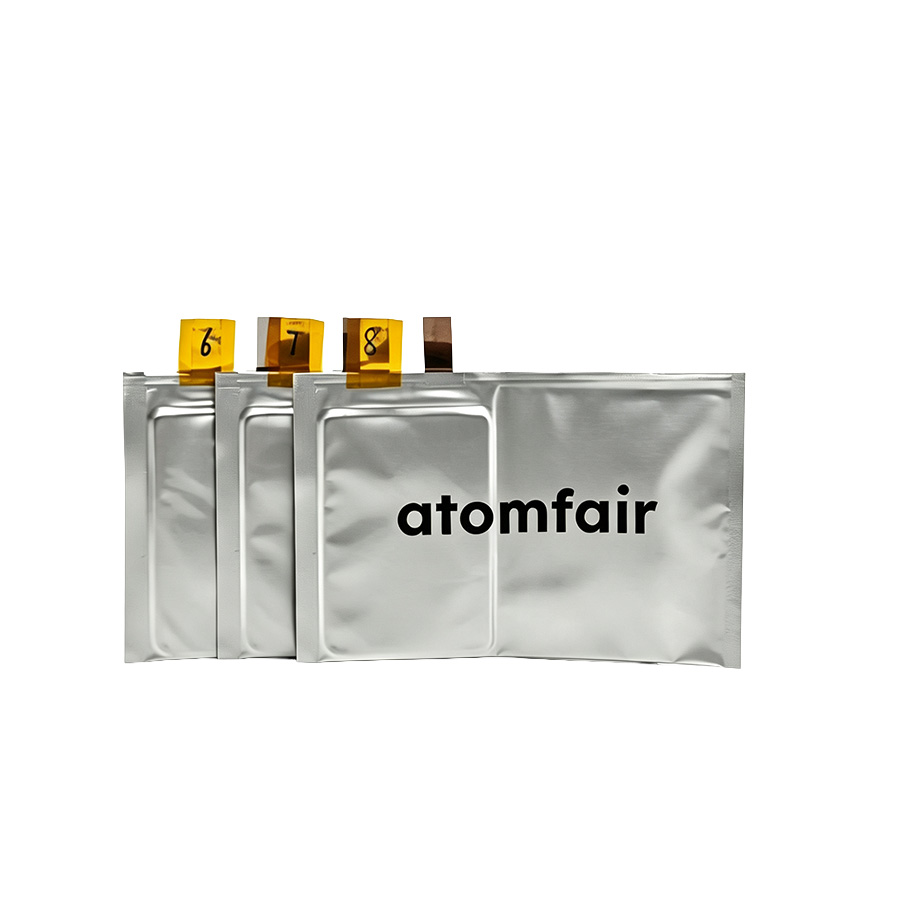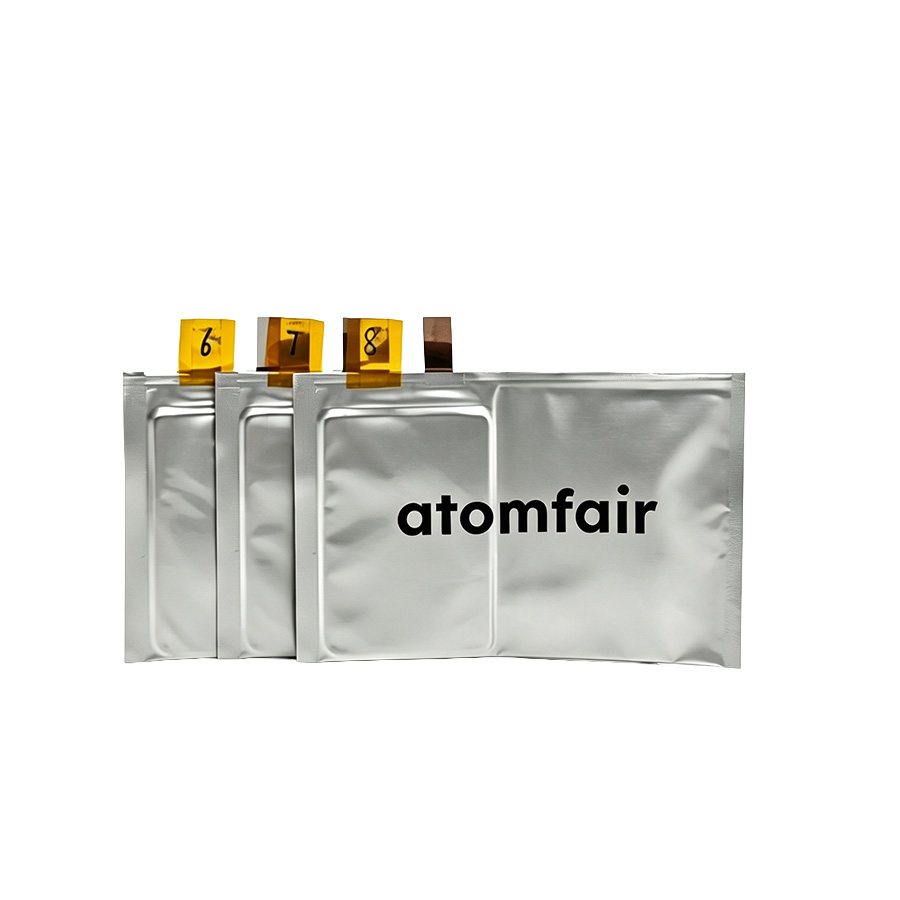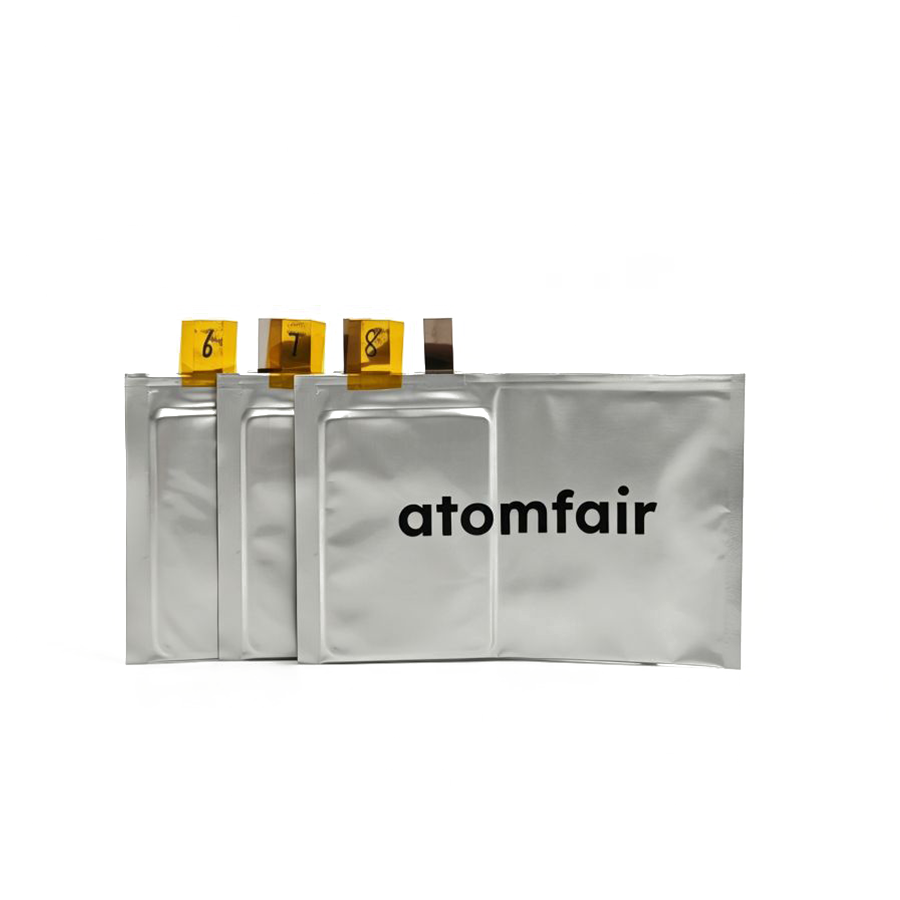
NMO Hard Carbon 1Ah Dry Pouch Cell Sodium-IonSODIUM (Na) ION TECHNOLOGY | 8/9 LAYERS
|
||||||||||||||||||||||||||||||||||||||||||||||||||||||
|
||||||||||||||||||||||||||||||||||||||||||||||||||||||
Related Products |
||||||||||||||||||||||||||||||||||||||||||||||||||||||
|
||||||||||||||||||||||||||||||||||||||||||||||||||||||
|
TAILORED SOLUTIONS FOR RESEARCH
Contact our engineering team for technical support or official institutional quotations.
EMAIL: inquiry@atomfair.com
|
||||||||||||||||||||||||||||||||||||||||||||||||||||||
|
Manufacturer: Atomfair LLC
Brand: ATOMFAIR®
|
||||||||||||||||||||||||||||||||||||||||||||||||||||||
The dry pouch cell contains moisture-sensitive electrodes and must be stored in an inert, dry atmosphere to prevent degradation. The cell's terminals pose a short-circuit risk and should be insulated during handling and storage.
- Moisture Sensitivity: Store the pouch cell in an argon-filled glovebox with less than 1 ppm water and oxygen to avoid electrode contamination.
- Electrical Short Circuit Prevention: Cover the exposed tabs with insulating tape and avoid contact with conductive surfaces during transfer and storage.
This procedure details the steps to fill the dry pouch cell with electrolyte and activate it for testing. Proper glovebox technique and sealing are critical to cell performance and safety.
Required Equipment: Argon-filled glovebox, Electrolyte syringe (0.5-1 mL), Impulse heat sealer, Insulated tweezers
- Transfer to glovebox
Transfer the dry pouch cell into an argon-filled glovebox without exposing it to ambient air. - Inject electrolyte
Inject the specified volume of electrolyte into the pouch through the pre-cut fill port using a clean syringe. - Seal the pouch
Seal the fill port immediately using an impulse heat sealer with parameters set for the pouch material thickness. - Allow wetting
Allow the sealed cell to rest for at least 2 hours at room temperature to ensure complete wetting of the electrodes. - Formation cycling
Perform initial formation cycles at a C/10 rate to stabilize the solid electrolyte interphase before higher-rate testing.
What is the trade-off between using a dry pouch cell configuration and achieving consistent electrochemical performance across multiple NMO || Hard Carbon cells?
Dry pouch cells require manual electrolyte filling, which introduces batch-to-batch variability unless strict protocols are followed. The Atomfair 1Ah NMO || Hard Carbon cell is designed for research, allowing custom electrolyte and interface optimization, but consistency depends on the researcher's filling technique and environmental control.
Can the NMO || Hard Carbon dry pouch cell be directly integrated into standard Na-ion battery test fixtures without modification?
The cell has electrode dimensions of 60×80 mm (NMO cathode) and 63×84 mm (hard carbon anode), with a nominal capacity of 1 Ah. These dimensions are subject to actual size, so compatibility with standard fixtures should be verified. Additionally, the dry configuration requires electrolyte filling before testing, which may necessitate specialized filling equipment.
What storage conditions are required to prevent degradation of the dry NMO || Hard Carbon pouch cell before electrolyte filling?
The cell must be stored in a cool, dry environment to prevent electrode degradation, as stated in the product packaging guidelines. No electrolyte is included, so the dry core remains inactive until filled, but moisture exposure can still compromise the NMO cathode and hard carbon anode materials.
The Atomfair 1Ah NMO || Hard Carbon dry pouch cell provides a research-grade sodium-ion platform with an optimized NMO cathode and hard carbon anode, delivering high energy density and enhanced charge/discharge kinetics. Its dry core configuration mandates custom electrolyte filling and controlled storage to prevent electrode degradation, making it suitable for specialized electrochemical laboratories.
Positive
- NMO/Hard Carbon high energy density: The NMO cathode paired with Hard Carbon anode is explicitly optimized for high-performance applications, providing elevated energy density for demanding research and development.
- Enhanced charge/discharge kinetics: Hard Carbon composition improves conductivity, resulting in faster charge/discharge rates and overall superior cell kinetics for electrochemical testing.
Trade-offs
- Electrolyte not included dry core: The cell is shipped as a dry core without electrolyte; the user must source and fill electrolyte, introducing handling complexity and potential contamination risk.
- Storage sensitivity to environment: The product must be stored in a cool, dry environment to prevent electrode degradation, imposing controlled storage conditions for long-term stability.
Every advanced material, component, equipment, and instrument in our catalog is backed by rigorous testing. We maintain strict internal quality management frameworks and align with CE conformity metrics to deliver transparent, reproducible performance data via our public open-science repository.
To request raw batch performance data, submit formal vendor registration paperwork, or execute a fast-turnaround R&D manufacturing loop, contact us at inquiry@atomfair.com.
Item is dispatched under the Atomfair Shipping & Delivery Framework (Free worldwide shipping on orders over $59 USD excl. heavy equipment). Return is governed by the Atomfair Return & Refund Policy (7-day technical return window).