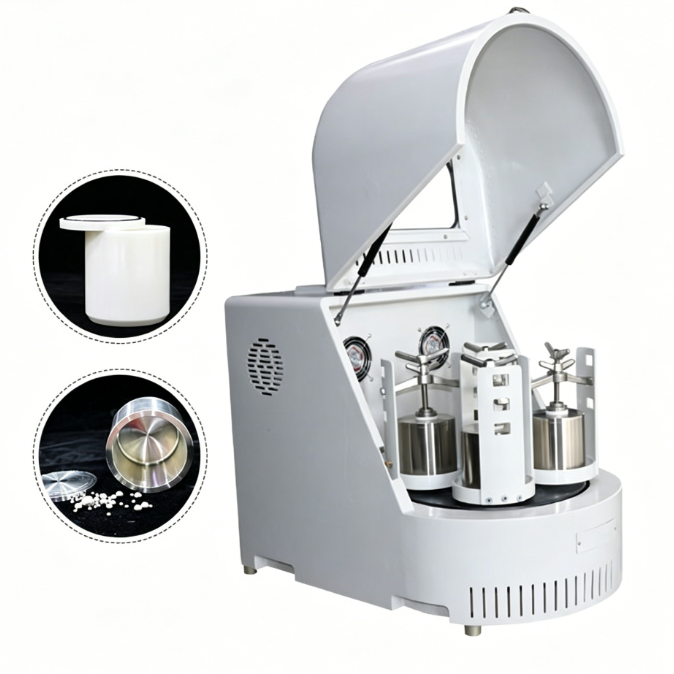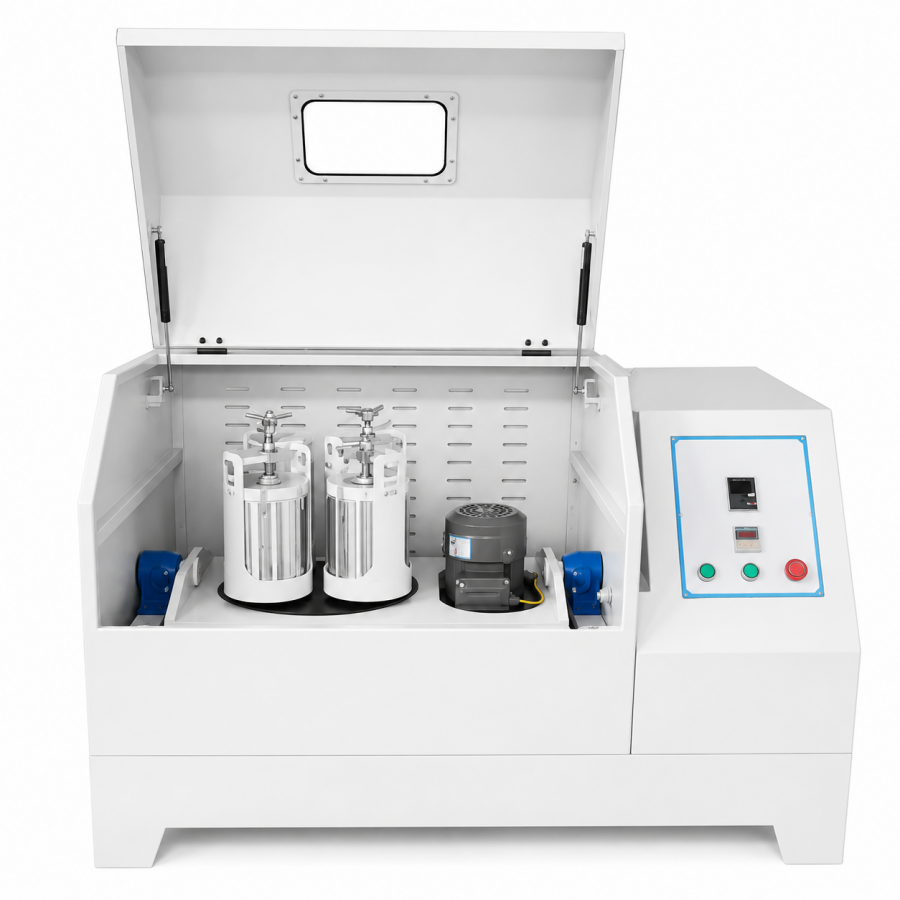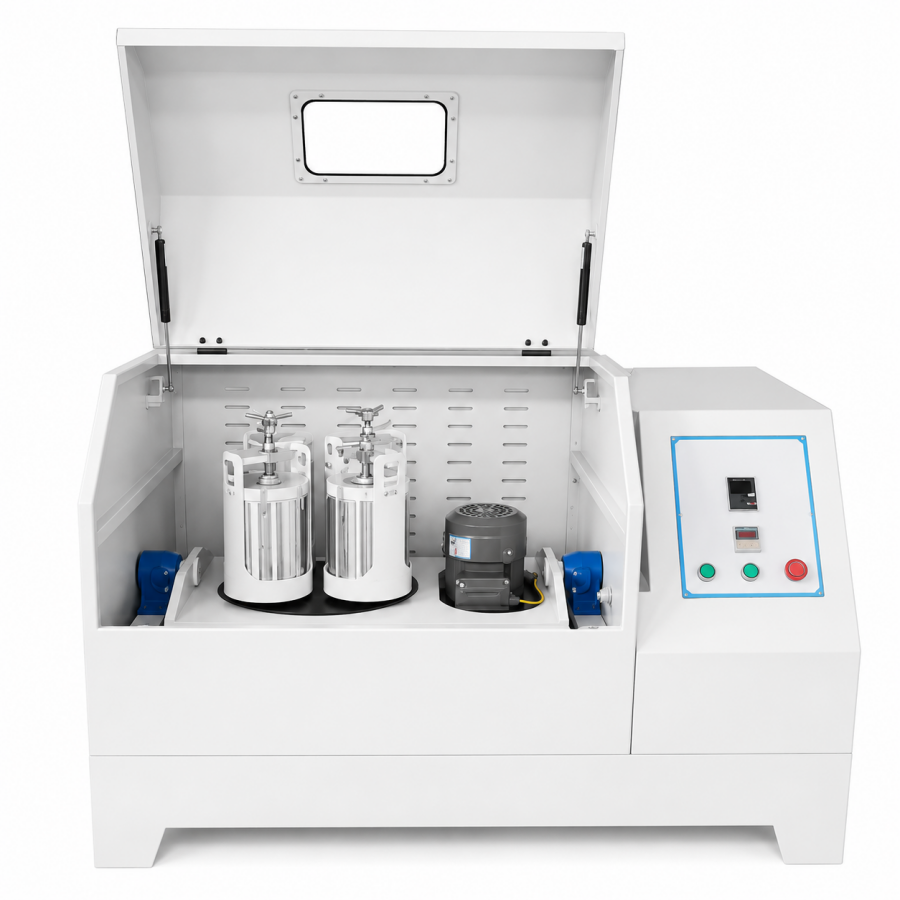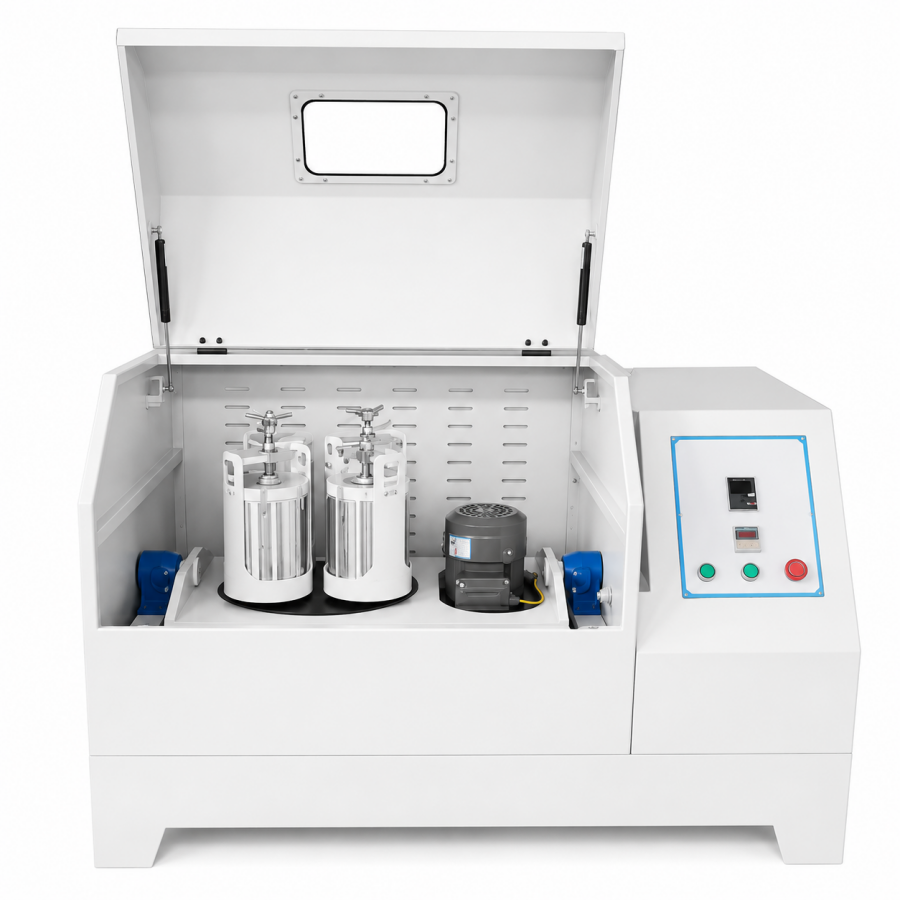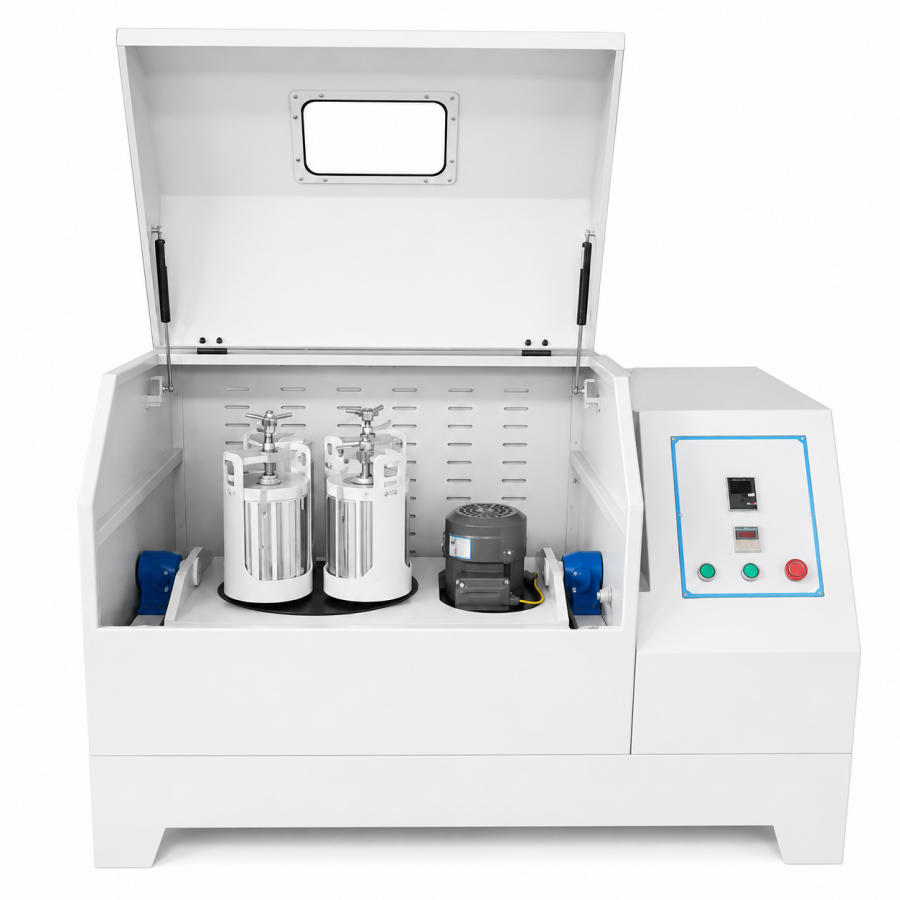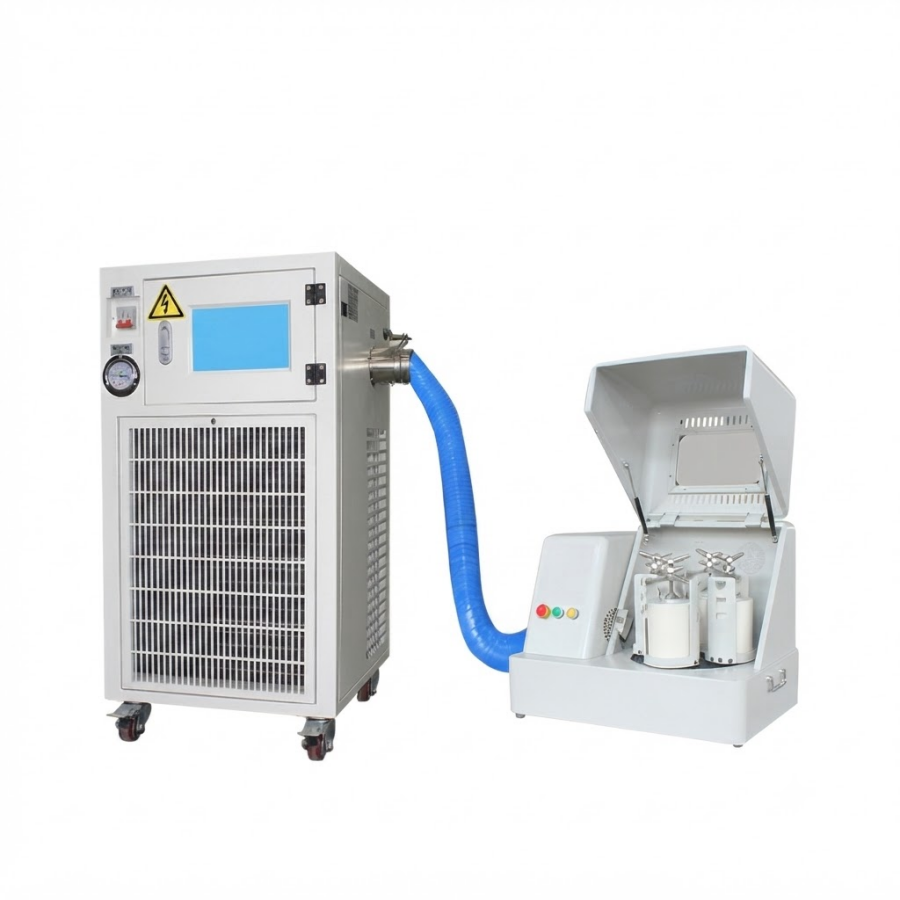
ATOMFAIR CPM-4A CRYOGENIC PLANETARY BALL MILL 5-15°C LOW-TEMP GRINDINGRESEARCH & PRODUCTION GRADE EQUIPMENT
|
|||||||||||||||||||||||||||||||||||||||||||||||||||||||||||||||||||||||||||||||||||||||||||||||||||||||||||||||||||||||||||||||||||||||||||||||||||||||||||||||
|
|||||||||||||||||||||||||||||||||||||||||||||||||||||||||||||||||||||||||||||||||||||||||||||||||||||||||||||||||||||||||||||||||||||||||||||||||||||||||||||||
|
TAILORED SOLUTIONS FOR RESEARCH
Contact our engineering team for technical support or official quotations.
EMAIL: inquiry@atomfair.com
|
|||||||||||||||||||||||||||||||||||||||||||||||||||||||||||||||||||||||||||||||||||||||||||||||||||||||||||||||||||||||||||||||||||||||||||||||||||||||||||||||
|
Manufacturer: Atomfair LLC
Brand: ATOMFair®
|
The mill requires adequate ventilation and stable ambient temperature for consistent cooling performance. Material compatibility between grinding media and target material must be verified to prevent cross-contamination and equipment damage.
- Temperature Range: The grinding chamber is maintained between 5°C and 15°C, with performance dependent on ambient temperature stability.
- Ventilation Requirement: The air-cooled refrigeration unit requires adequate ventilation space around the equipment for optimal cooling.
- Loading Capacity: Maximum jar loading is two-thirds of the jar volume for efficient batch processing.
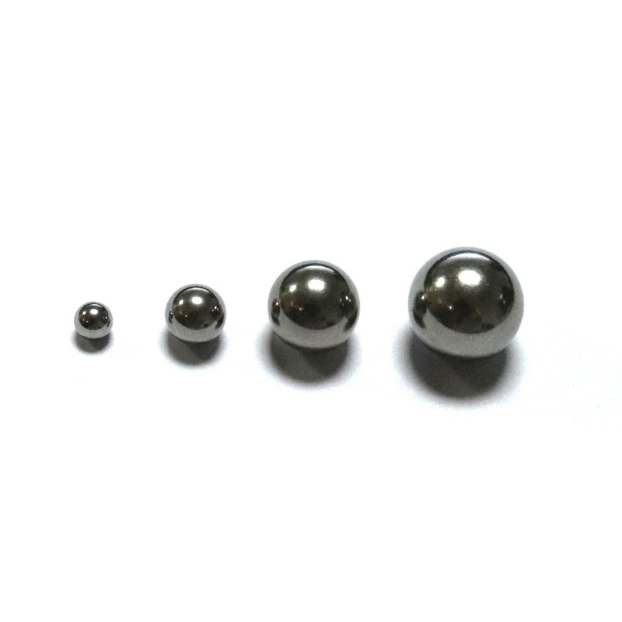
- Ball Fill Ratio: Grinding balls should fill approximately 40% of the jar capacity to achieve effective grinding.
- Material Compatibility: Select jar and ball materials that are chemically compatible with the target material to avoid contamination.
This procedure outlines the initial setup and safe operation of the cryogenic planetary ball mill. Follow these steps to ensure proper cooling, loading, and grinding parameters.
Required Equipment: Cryogenic planetary ball mill
- Select Materials
Select grinding jar and ball materials compatible with the target material to avoid cross-contamination. - Load Balls
Load grinding balls into the jars to fill approximately 40% of the jar capacity. - Verify Ambient Conditions
Verify that the ambient temperature is stable and within the range for consistent cooling performance. - Ensure Ventilation
Ensure adequate ventilation space around the refrigeration unit for optimal heat dissipation. - Set Rotation Speed
Set the rotation speed using the inverter speed control according to the desired grinding parameters. - Pre-Cool System
Allow the cooling system to reach the target temperature before initiating the grinding cycle. - Monitor Temperature
Monitor the grinding chamber temperature during operation to maintain the 5–15°C range.
What final particle size can the CPM-4A cryogenic planetary ball mill achieve and what factors influence the outcome?
The CPM-4A can achieve final particle sizes down to 0.1 μm, depending on material properties and process parameters such as grinding speed, time, jar and ball material selection, and ball-to-powder ratio. The integrated 2P air-cooled refrigeration maintains 5–15°C to prevent thermal degradation during ultrafine grinding.
Which grinding jar materials are available for the CPM-4A and how do I choose the correct jar to avoid cross-contamination?
Available jar materials include WC-Co, Al₂O₃ (corundum), Agate (natural SiO₂), YSZ (yttria-stabilized zirconia), stainless steel, polyurethane, ceramic, and nylon. Selection should be based on the target material's hardness, abrasiveness, and required purity; for example, agate jars are ideal for zero-metal analysis, while WC-Co jars suit hard materials like tungsten carbide.
What ambient conditions and ventilation are required for the CPM-4A's integrated refrigeration unit to maintain 5–15°C?
The air-cooled refrigeration unit requires adequate ventilation space around the equipment for optimal cooling performance. The 5–15°C temperature control range is dependent on ambient temperature conditions; a stable laboratory environment is necessary for consistent results. The unit uses a 2P compressor-based cooling system.
The Atomfair CPM-4A Cryogenic Planetary Ball Mill integrates a 2P air-cooled refrigeration unit with gear-driven planetary motion to achieve ultrafine grinding (down to 0.1 μm) at controlled 5–15°C, suitable for temperature-sensitive materials such as lithium cobalt oxide, MLCC, and ferrites. The 4 L total volume (4×1 L jars) supports small-batch production, but jars and media are sold separately, and cooling performance depends on ambient conditions.
Positive
- Integrated Cryogenic Control: The compressor-based air-cooled refrigeration system maintains 5–15°C within the grinding chamber, enabling low-temperature ultrafine grinding of temperature-sensitive materials without altering physicochemical properties.
- Gear-Driven Stepless Speed Regulation: The gear drive transmission with brand inverter provides robust torque across 0–670 rpm, allowing precise optimization of grinding parameters for different materials.
Trade-offs
- Ambient Temperature Dependency: The 5–15°C control range is dependent on ambient temperature conditions; a stable laboratory environment with adequate ventilation is required for consistent cooling performance.
- Consumables Ordered Separately: Grinding jars and balls must be purchased separately, and material compatibility must be ensured to avoid cross-contamination, increasing initial setup complexity.
Every advanced material, component, equipment, and instrument in our catalog is backed by rigorous testing. We maintain strict internal quality management frameworks and align with CE conformity metrics to deliver transparent, reproducible performance data via our public open-science repository.
To request raw batch performance data, submit formal vendor registration paperwork, or execute a fast-turnaround R&D manufacturing loop, contact us at inquiry@atomfair.com.
Item is dispatched under the Atomfair Shipping & Delivery Framework (Free worldwide shipping on orders over $59 USD excl. heavy equipment). Return is governed by the Atomfair Return & Refund Policy (7-day technical return window).