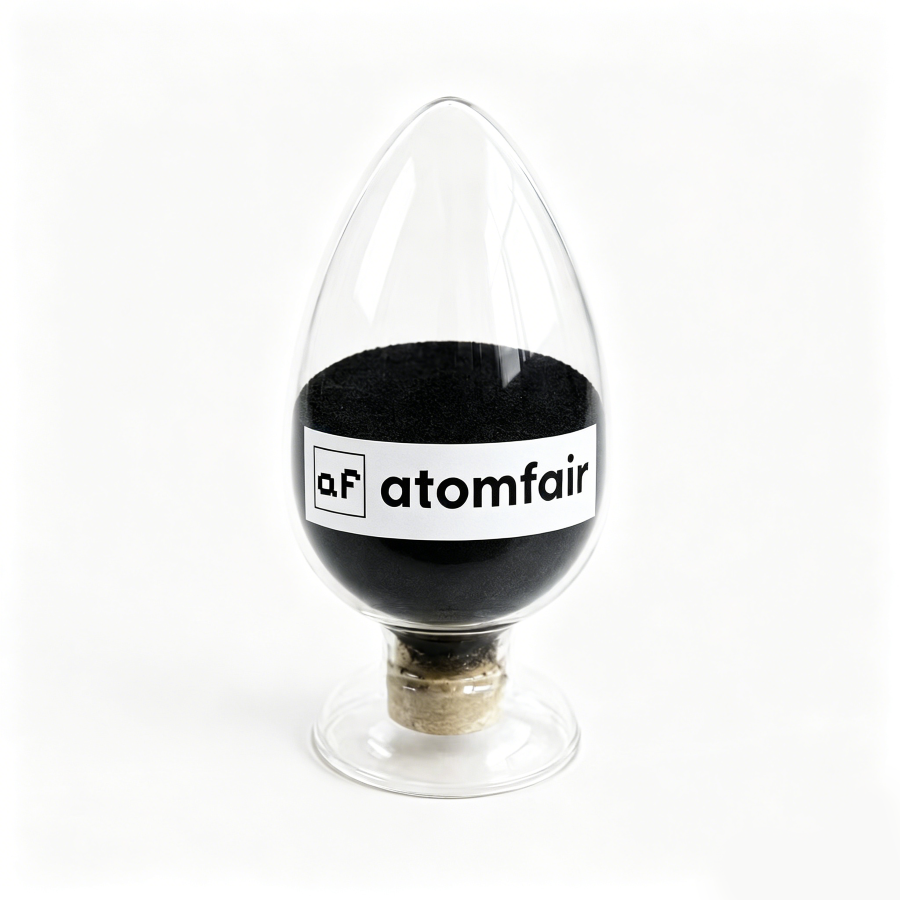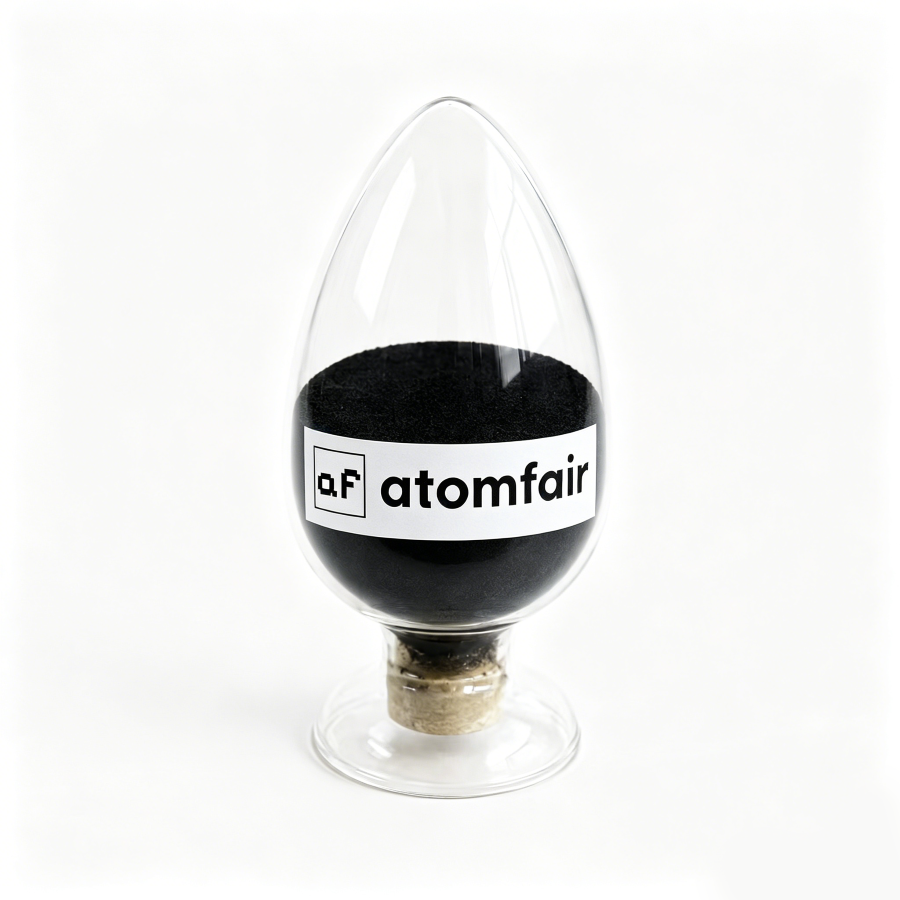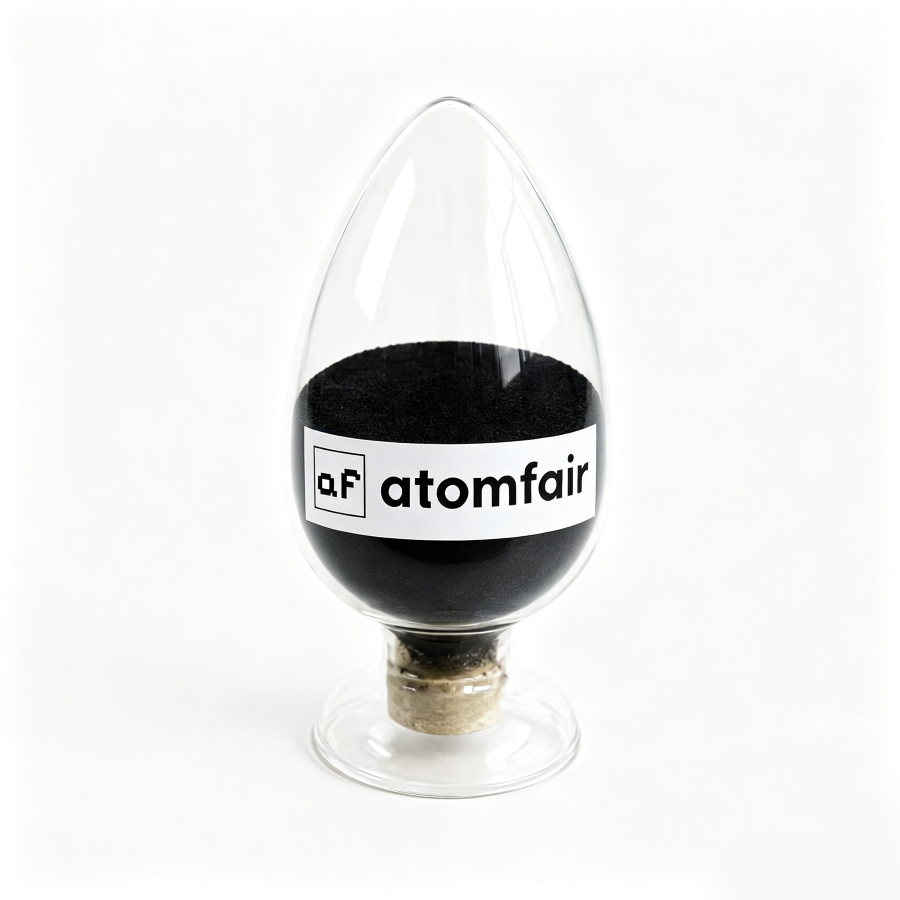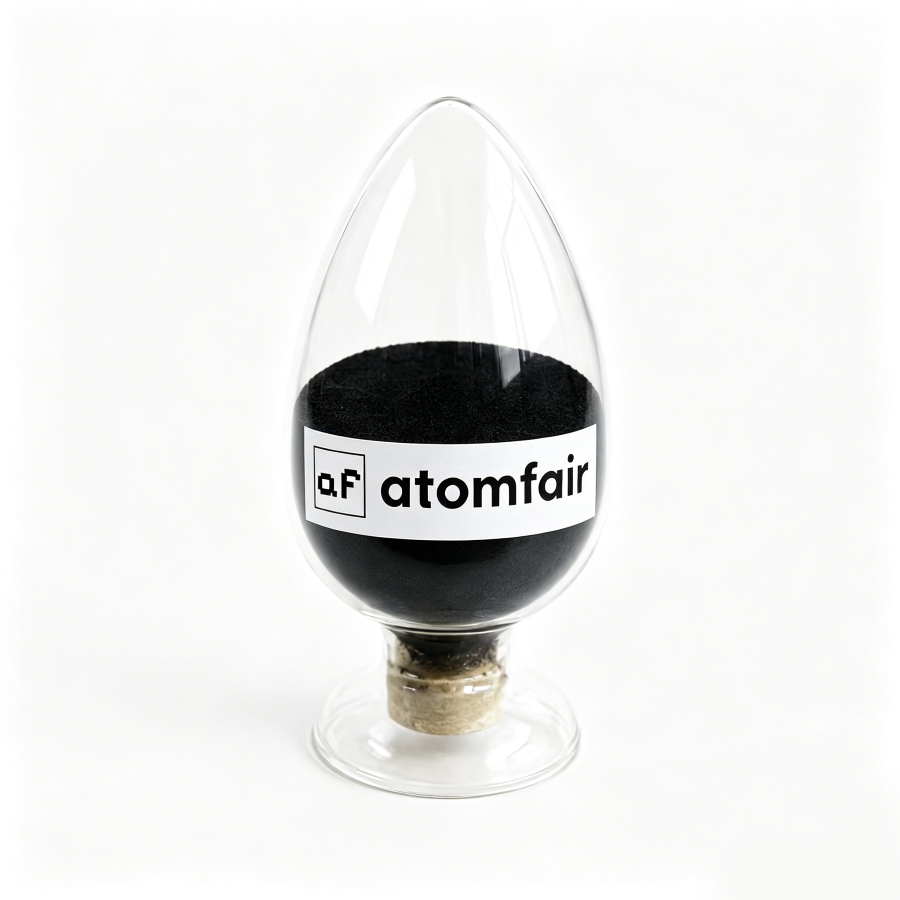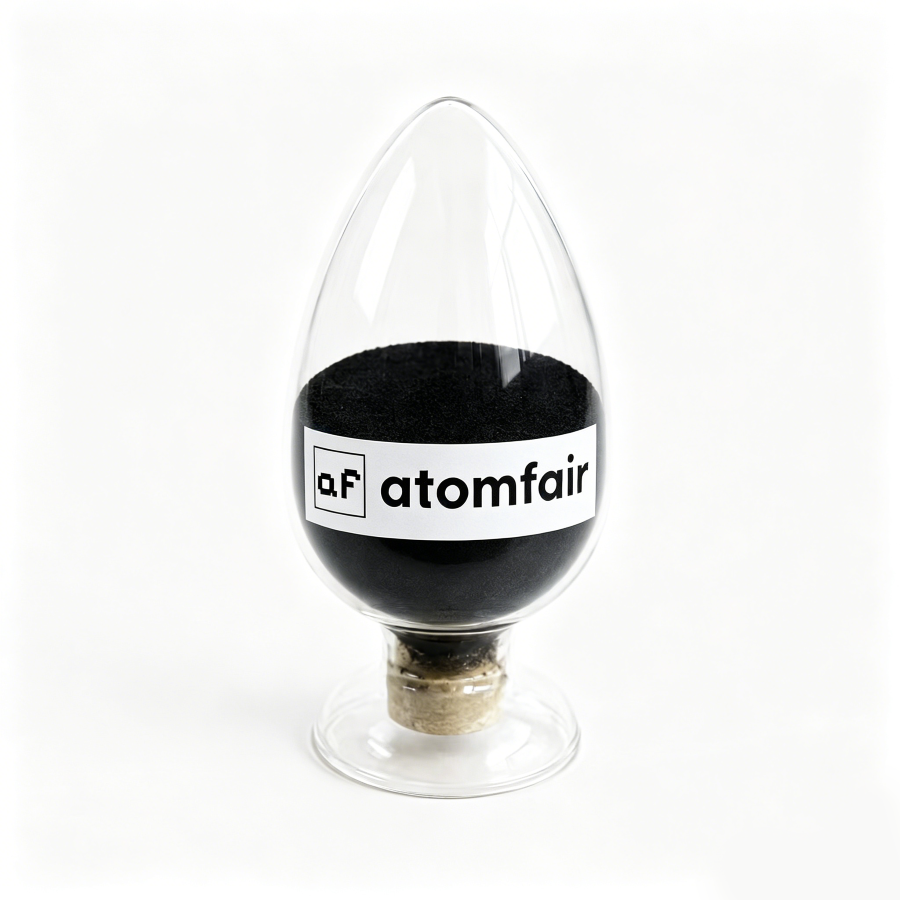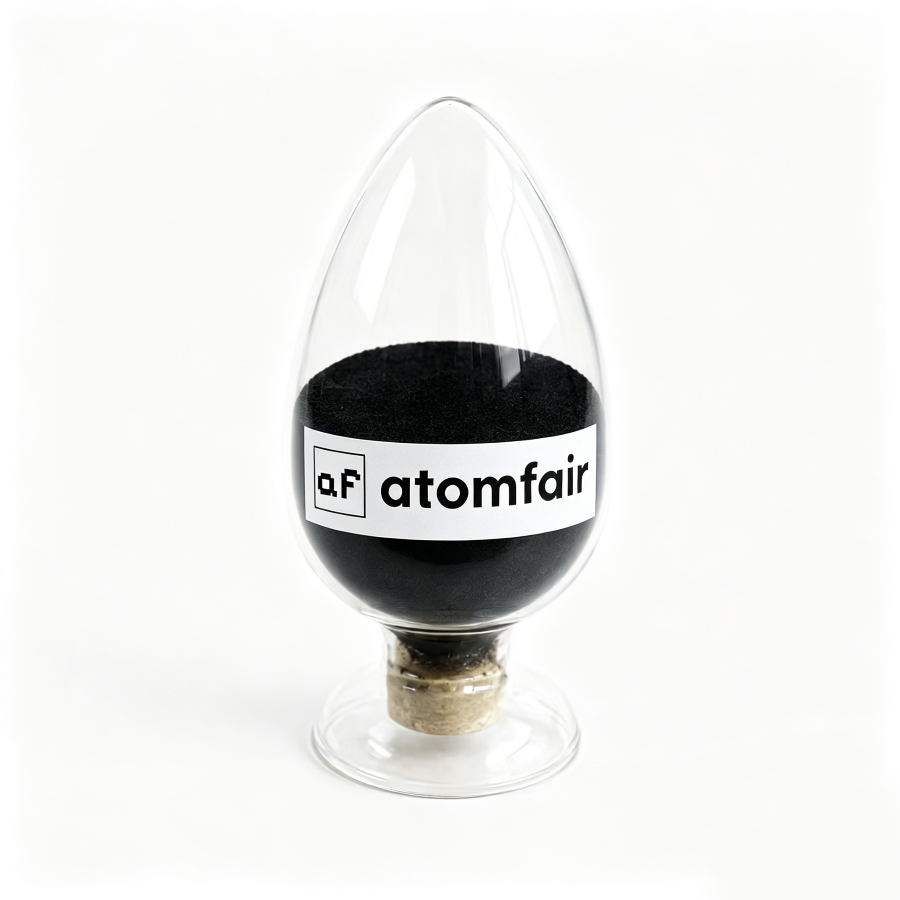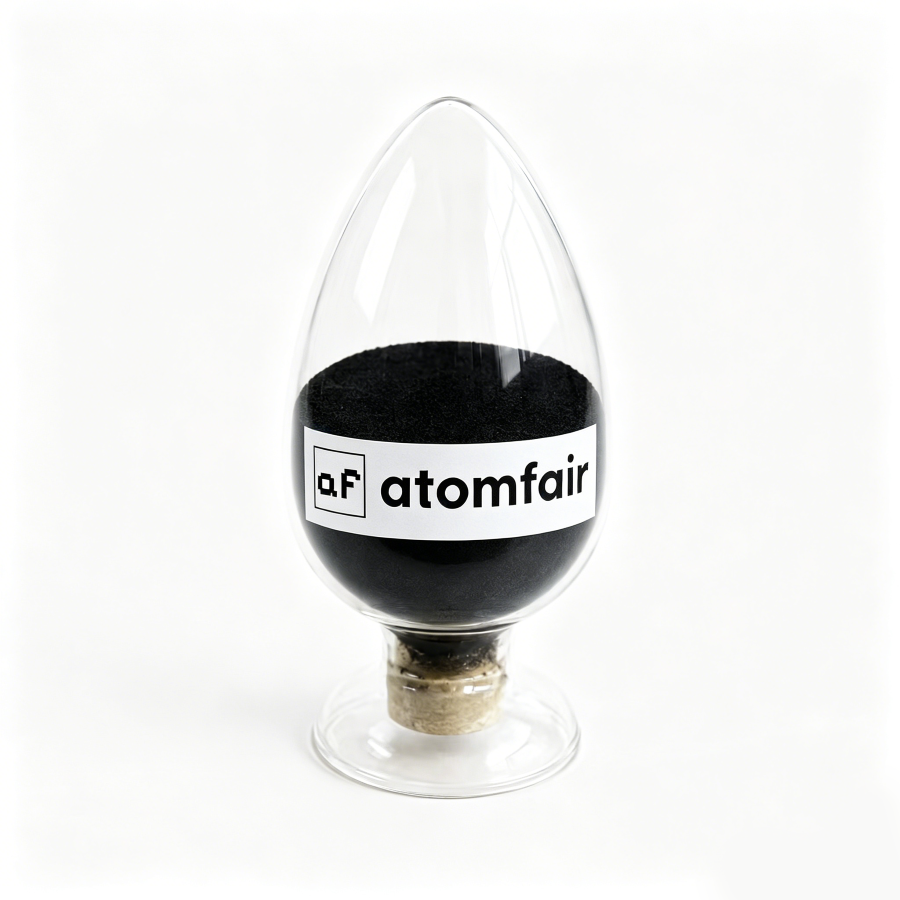
ATOMFAIR® 2300 MAH/G HIGH-EFFICIENCY SILICON CARBON POWDERRESEARCH GRADE | HIGH-EFFICIENCY ULTRA ANODE
|
|||||||||||||||||||||||||||||||||||||||||||
|
|||||||||||||||||||||||||||||||||||||||||||
|
TAILORED SOLUTIONS FOR RESEARCH
Contact our engineering team for technical support or official institutional quotations.
EMAIL: INQUIRY@ATOMFAIR.COM
|
|||||||||||||||||||||||||||||||||||||||||||
|
Manufacturer: ATOMFAIR LLC
Brand: ATOMFAIR®
|
|||||||||||||||||||||||||||||||||||||||||||
What is the trade-off between reversible capacity and first-cycle efficiency when using different voltage cut-off windows with this silicon-carbon anode powder?
At a 2V cut-off, the powder delivers a reversible capacity of 2327 mAh/g with a first-cycle efficiency (ICE) of 94.40%. Dropping the cut-off to 0.8V reduces the reversible capacity to 2089 mAh/g and lowers ICE to 85.19%. The higher voltage window maximizes both capacity and lithium retention, while the lower voltage may simulate more aggressive cycling conditions at the expense of efficiency.
How does the particle size distribution of this silicon-carbon anode powder affect slurry stability and compatibility with standard cathode systems?
The controlled median particle size (D50 = 7.259 μm) and a narrow span of 0.96 shield against localized sedimentation during slurry mixing, ensuring homogeneous electrode coatings. The specific surface area of 2.10 m²/g provides balanced electrolyte wettability that facilitates ion transport without promoting excessive parasitic reactions, making the powder compatible with NMC and LFP cathodes when standard calendering parameters are applied.
What do the tap density (1.07 g/cm³) and compacted density (1.03 g/cm³ at 20 MPa) imply about electrode processing and calendering requirements for this silicon-carbon anode powder?
The close values of tap density (1.07 g/cm³) and compacted density at 20 MPa (1.03 g/cm³) indicate the powder has limited further compressibility under typical calendering loads. This suggests that electrode porosity and coating thickness must be carefully designed during slurry formulation to accommodate the inherent packing density, and that moderate calendering pressure (near 20 MPa) is sufficient to achieve a stable electrode structure without over-densification.
This premium silicon-carbon anode powder delivers 2327 mAh/g reversible capacity at 2 V with 94.4% first-cycle efficiency, but exhibits significant voltage-dependent capacity roll-off and low compacted density, requiring careful cell design for optimal performance.
Positive
- Extreme reversible capacity at 2V: 2327 mAh/g working capacity enables substantial active energy density improvements over traditional carbon anodes, directly benefiting high-energy lithium-ion cell designs.
- Outstanding first-cycle efficiency: 94.40% initial coulombic efficiency at 2V limits irreversible lithium loss during formation, preserving cell-level capacity in early cycles.
Trade-offs
- Voltage-dependent capacity fade: Reversible capacity drops from 2327 mAh/g at 2V to 2089 mAh/g at 0.8V, with cycle efficiency declining to 85.19%, indicating strong voltage sensitivity that must be accommodated in full-cell voltage windows.
- Low compacted density limitation: Compacted density of only 1.03 g/cm³ at 20 MPa restricts volumetric energy density, necessitating thicker electrode layers or lower areal loadings to achieve practical cell-level energy targets.
Every advanced material, component, equipment, and instrument in our catalog is backed by rigorous testing. We maintain strict internal quality management frameworks and align with CE conformity metrics to deliver transparent, reproducible performance data via our public open-science repository.
To request raw batch performance data, submit formal vendor registration paperwork, or execute a fast-turnaround R&D manufacturing loop, contact us at inquiry@atomfair.com.
Item is dispatched under the Atomfair Shipping & Delivery Framework (Free worldwide shipping on orders over $59 USD excl. heavy equipment). Return is governed by the Atomfair Return & Refund Policy (7-day technical return window).