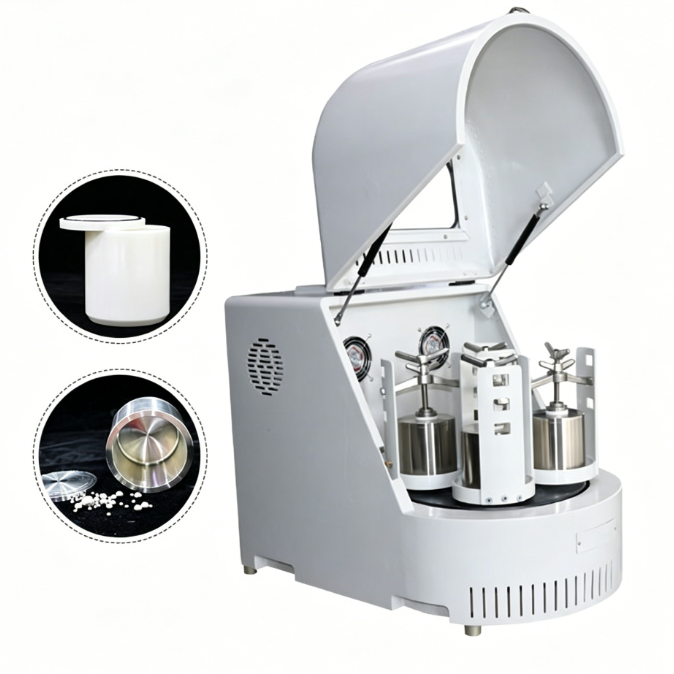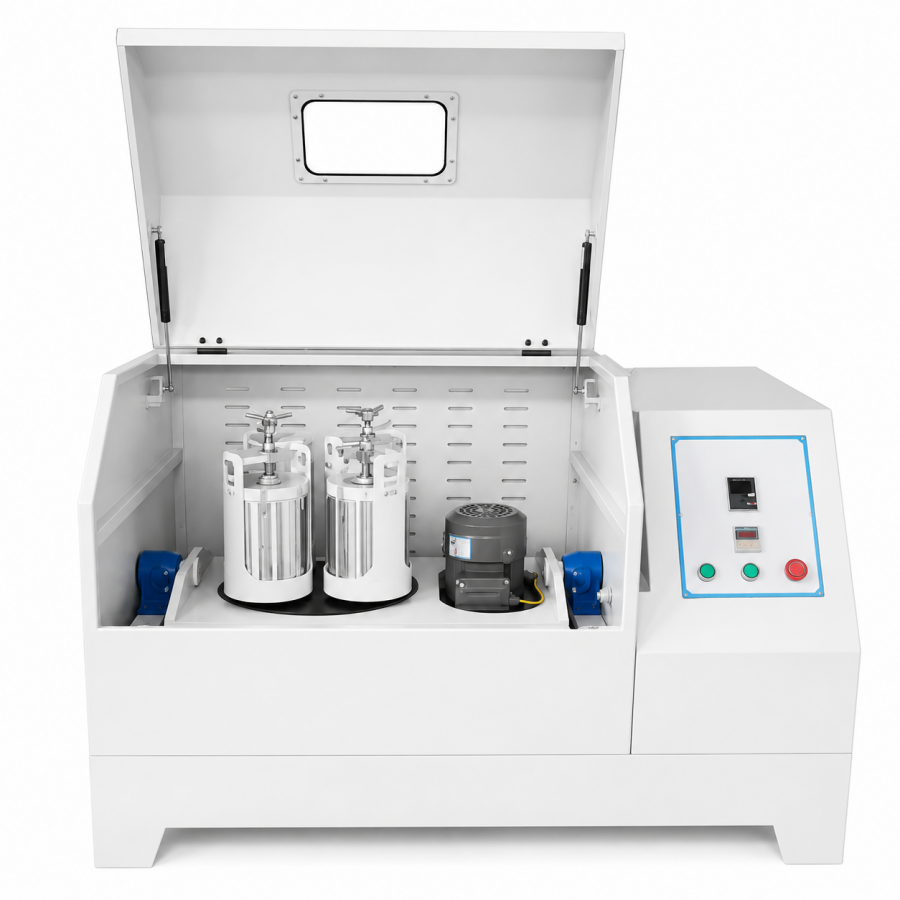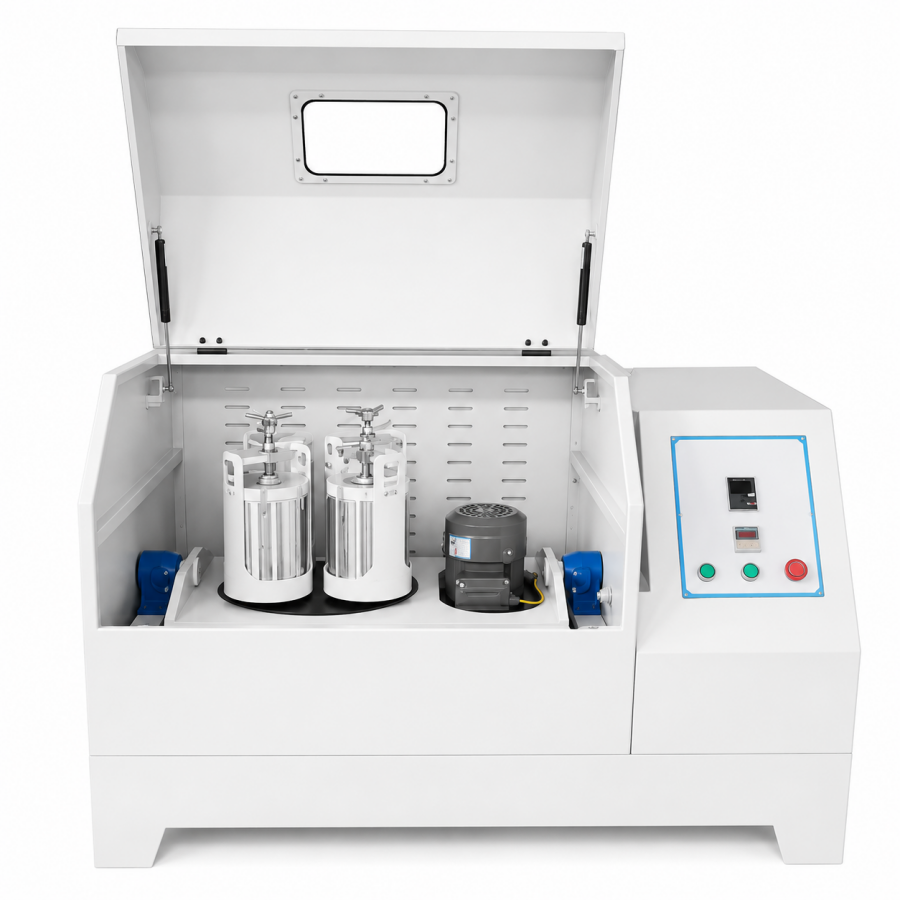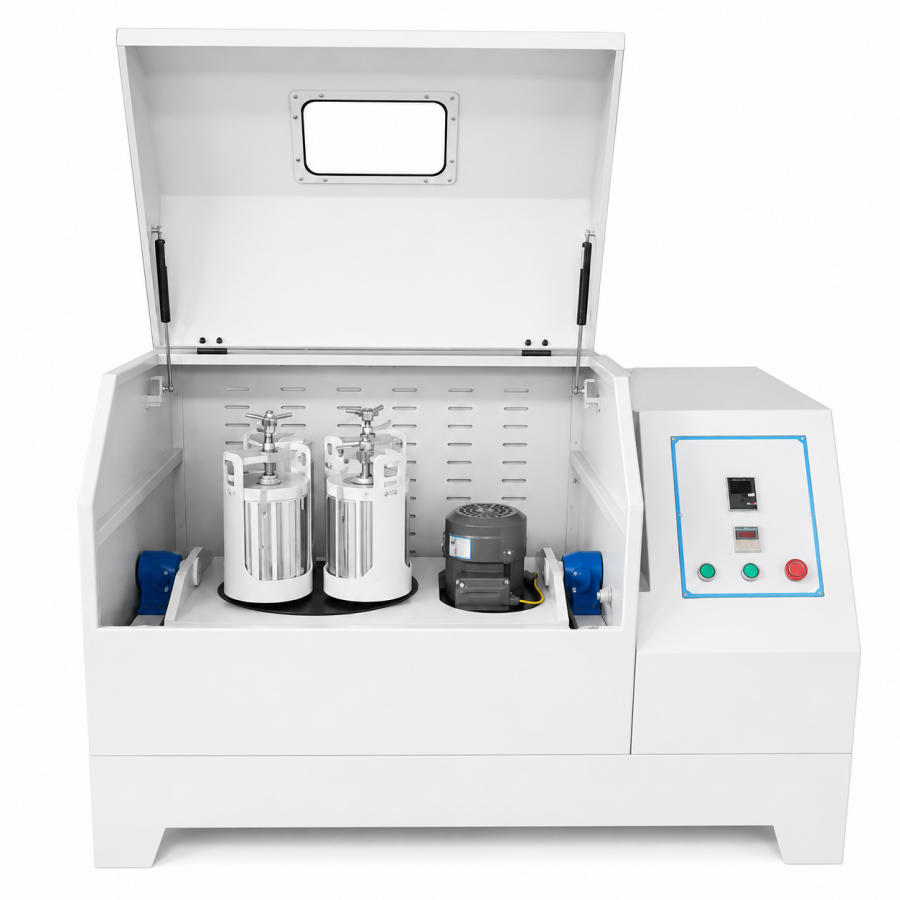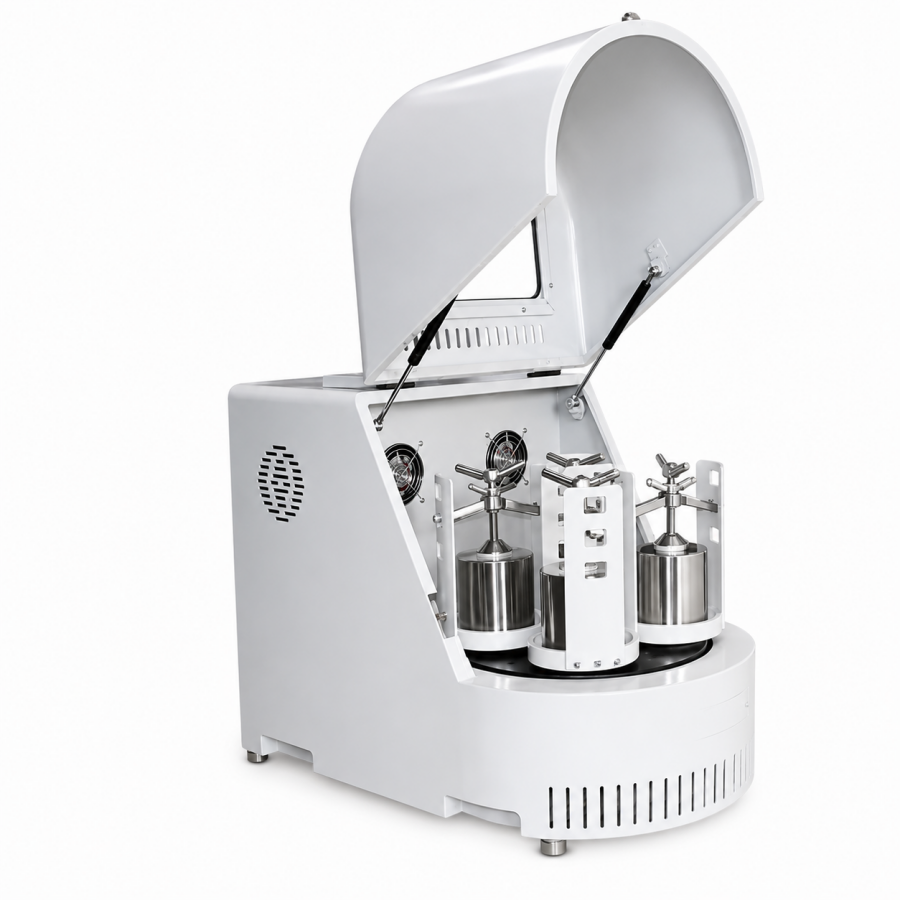
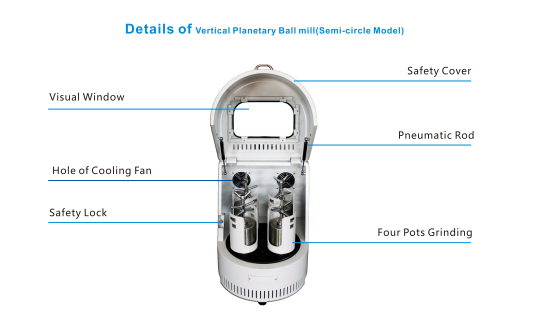
SPBM-2A LATERAL PLANETARY BALL MILL (LABORATORY TYPE)LABORATORY GRADE EQUIPMENT
|
|||||||||||||||||||||||||||||||||||||||||||||||||||||||||||||||||||||||||||||||||||||||||||||||||||||||||||||||||||||||||||||||||||||||||||||||||||||||||||||||||||||||||||||||||||||||||||||||
|
|||||||||||||||||||||||||||||||||||||||||||||||||||||||||||||||||||||||||||||||||||||||||||||||||||||||||||||||||||||||||||||||||||||||||||||||||||||||||||||||||||||||||||||||||||||||||||||||
|
TAILORED SOLUTIONS FOR RESEARCH
Contact our engineering team for technical support or official quotations.
EMAIL: inquiry@atomfair.com
|
|||||||||||||||||||||||||||||||||||||||||||||||||||||||||||||||||||||||||||||||||||||||||||||||||||||||||||||||||||||||||||||||||||||||||||||||||||||||||||||||||||||||||||||||||||||||||||||||
|
Manufacturer: Atomfair LLC
Brand: ATOMFAIR®
|
The SPBM-2A requires a 220V 50Hz single-phase supply and must not exceed a two-thirds jar volume loading to prevent imbalance. Material compatibility with jar and ball materials is required to avoid cross-contamination, and the safety interlock must be engaged before operation.
- Electrical Supply Requirements: The mill operates on a 220V 50Hz single-phase supply and includes motor overload protection.
- Jar Loading Capacity: Load each jar to no more than two-thirds of its volume with material and grinding media.
- Material Compatibility: Select jar and ball materials that are compatible with the target material to prevent cross-contamination.
- Safety Interlock: The safety interlock switch must be engaged before the mill can operate, and the lid must remain closed during operation.
These steps guide the safe initialization and operation of the SPBM-2A mill for grinding and mixing. Always consult the user manual for detailed instructions before first use.
Required Equipment: Planetary ball mill main unit, Grinding jar (500 mL, compatible material), Grinding media (compatible material)
- Select Jar and Media
Select grinding jars and balls made of materials compatible with your target material to avoid cross-contamination. - Load Jar
Load the jar with material and grinding balls up to a maximum of two-thirds of the jar volume. - Secure Jar and Engage Safety
Secure the jar onto the planetary disk and confirm the safety interlock switch is engaged before closing the lid. - Configure and Start
Set the desired speed, run time, and forward-reverse cycle on the VFD control panel, then start the mill and monitor for abnormal noise or vibration.
What is the minimum achievable particle size with the SPBM-2A planetary ball mill, and what factors influence grinding efficiency?
The SPBM-2A can achieve a minimum output particle size down to 0.1 μm due to its compound planetary motion with a speed ratio of 1:2 and variable frequency stepless speed regulation (disk speed 0–335 rpm, jar speed 0–810 rpm). Grinding efficiency is influenced by jar material, ball-to-powder ratio, and whether dry or wet grinding is used.
Which grinding jar materials are compatible with the SPBM-2A to avoid cross-contamination during sample preparation?
The SPBM-2A is compatible with a wide range of jar materials including WC-Co, Al₂O₃ (95% alumina), agate (natural SiO₂), YSZ (yttria-stabilized zirconia), stainless steel, polyurethane, ceramic, and nylon. The source explicitly states that jar and ball materials must be selected to be compatible with the target material to avoid cross-contamination.
What safety and operational features does the SPBM-2A include for laboratory use?
The SPBM-2A is equipped with safety interlock switches and motor overload protection, and operates at a low noise level of 60±5 dB. It features variable frequency stepless speed regulation, timing control (1–9999 min), forward-reverse cycle (1–999 min), and LED digital display for programmable operation. The maximum jar loading capacity is two-thirds of jar volume.
The SPBM-2A lateral planetary ball mill provides high-energy compound planetary motion for ultra-fine grinding to 0.1 μm, with intelligent VFD control and compatibility with multiple jar materials, but requires separate purchase of jars and media and operates at a fixed 1:2 speed ratio.
Positive
- High-energy grinding to 0.1 μm: Compound planetary motion delivers high energy density, enabling ultra-fine grinding with minimum particle size down to 0.1 μm for nanomaterials and advanced materials research.
- Intelligent programmable VFD control: Variable frequency stepless speed regulation, timing, and forward-reverse cycling allow reproducible experimental protocols with LED digital display.
Trade-offs
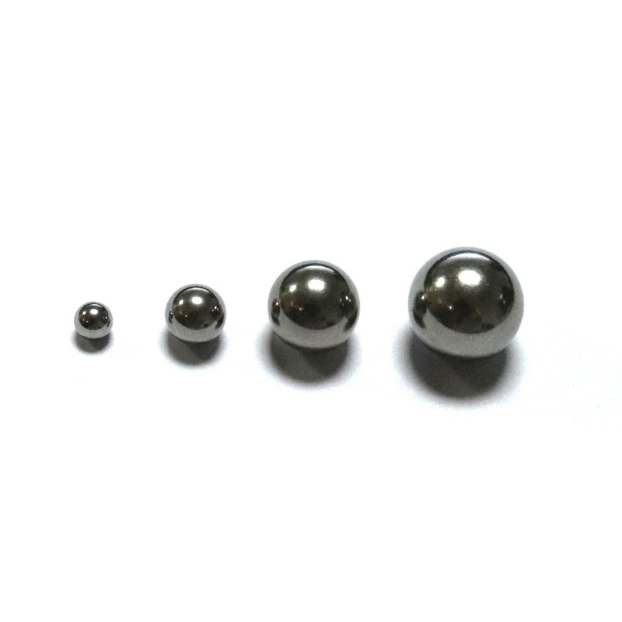
- Consumables ordered separately: Grinding jars and media are not included with the main unit; buyers must select compatible materials to avoid cross-contamination and ensure proper fit.
- Fixed 1:2 disk-to-jar speed ratio: The planetary disk and jar rotation speeds are locked at a 1:2 ratio, limiting independent adjustment of grinding energy for different material types.
Every advanced material, component, equipment, and instrument in our catalog is backed by rigorous testing. We maintain strict internal quality management frameworks and align with CE conformity metrics to deliver transparent, reproducible performance data via our public open-science repository.
To request raw batch performance data, submit formal vendor registration paperwork, or execute a fast-turnaround R&D manufacturing loop, contact us at inquiry@atomfair.com.
Item is dispatched under the Atomfair Shipping & Delivery Framework (Free worldwide shipping on orders over $59 USD excl. heavy equipment). Return is governed by the Atomfair Return & Refund Policy (7-day technical return window).