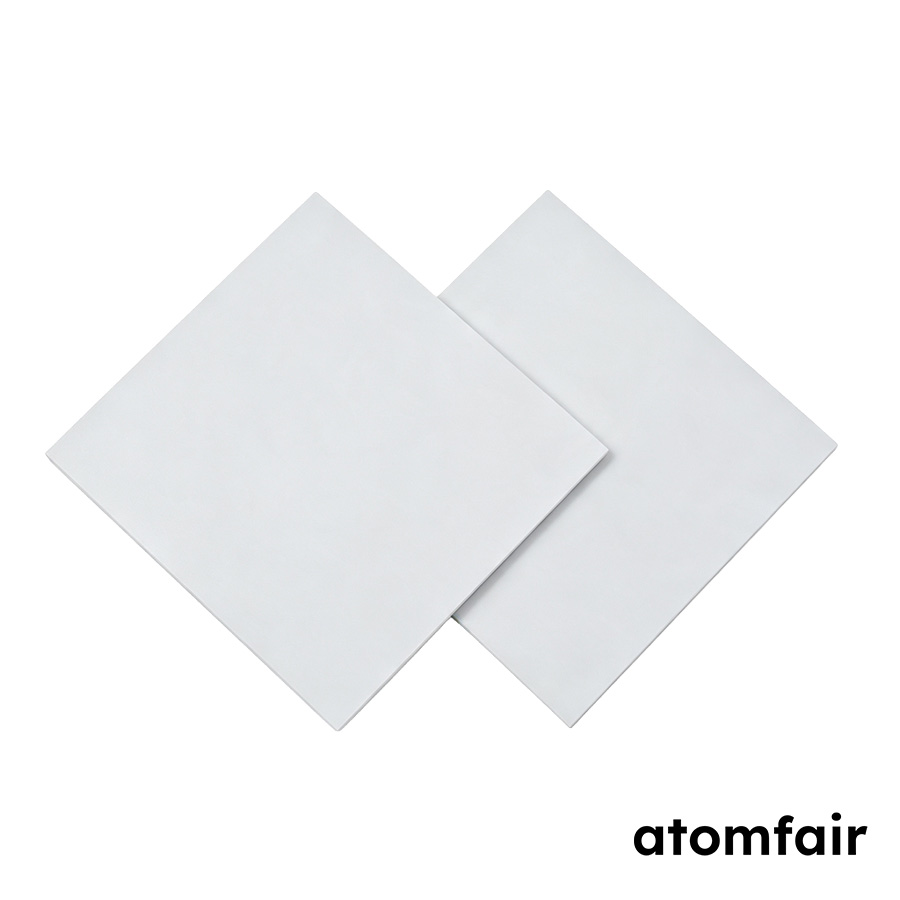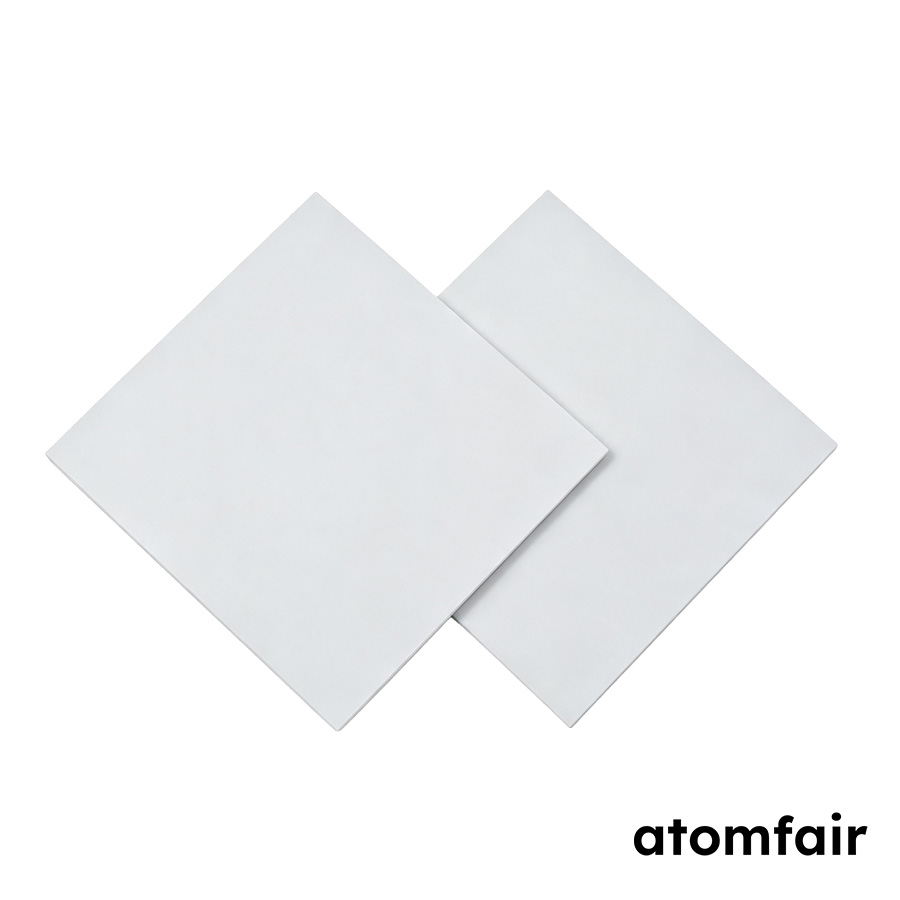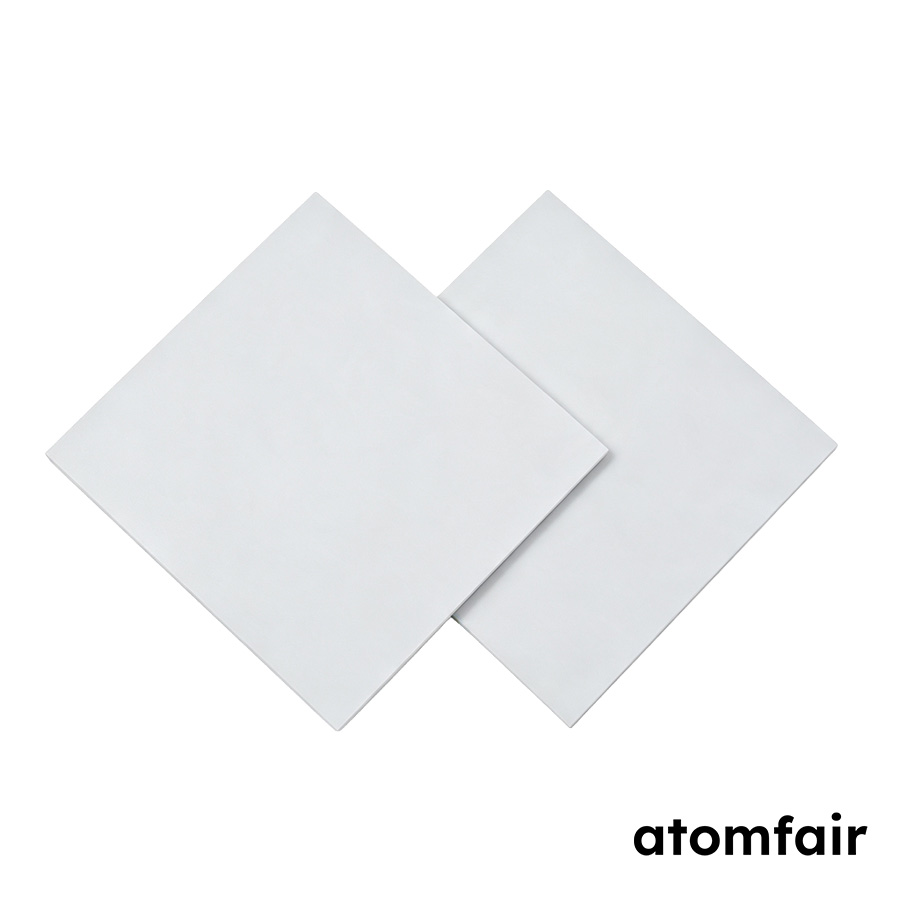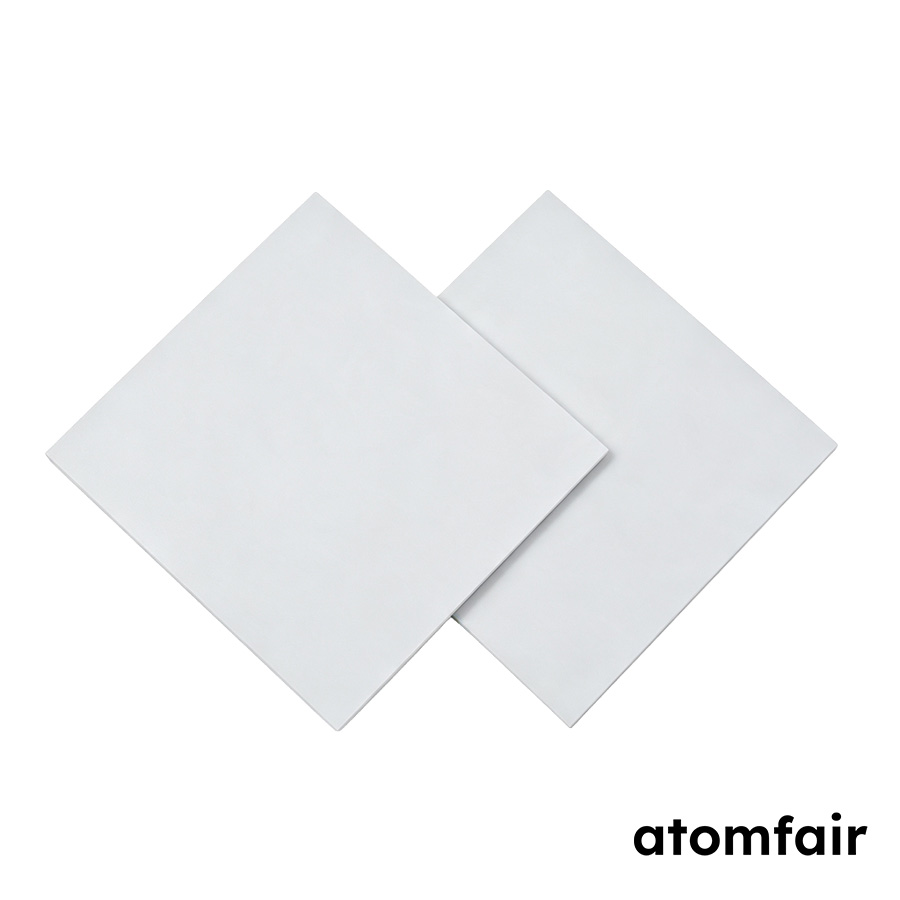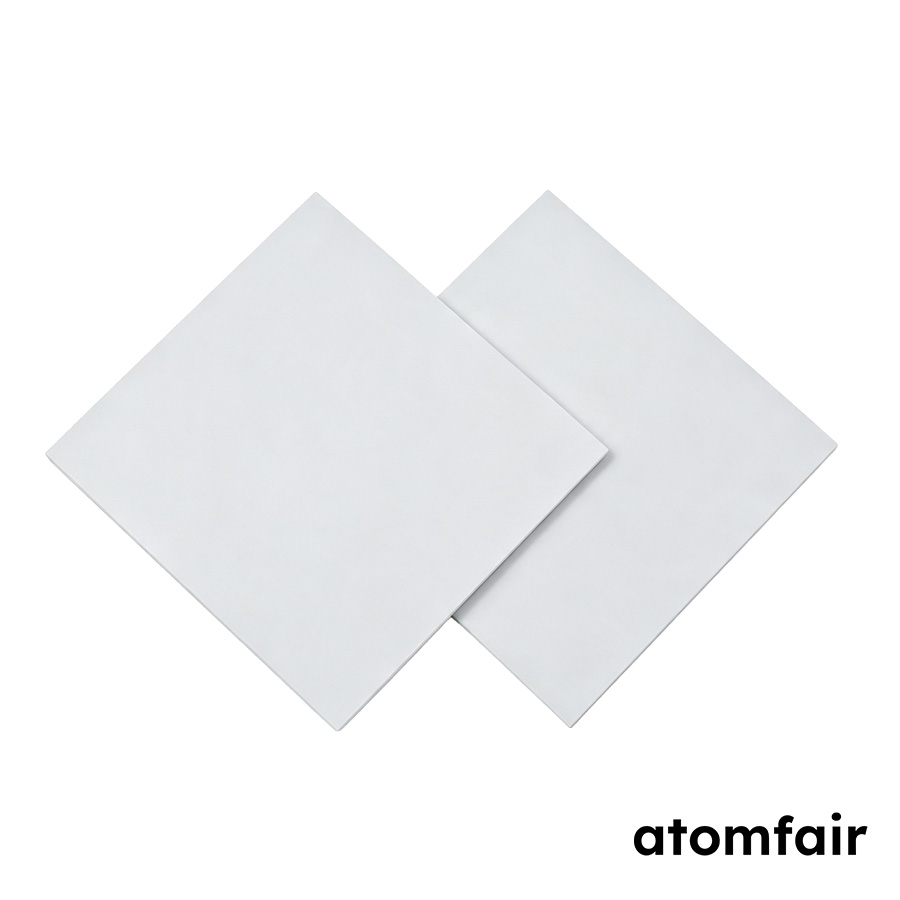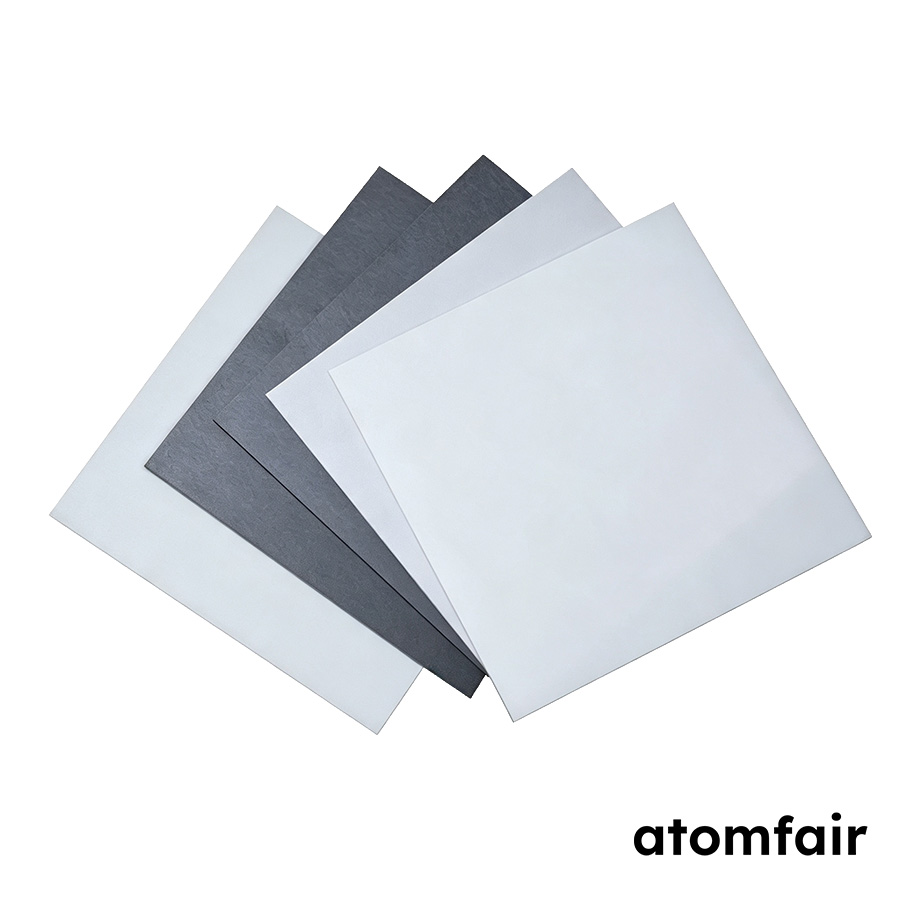
Zirconia Ceramic Plate, 150 mm x 150 mm x 2 mm, WhiteProduct Type: Zirconia ceramic plate
Research-grade laboratory product
|
|||||||||||||||||||||||||||||||||||||||||||||||||
|
|||||||||||||||||||||||||||||||||||||||||||||||||
|
LABORATORY PROCUREMENT SUPPORT
For model selection, accessory matching, platform compatibility or configuration confirmation, contact our technical sales team.
E-MAIL: inquiry@atomfair.com
|
|||||||||||||||||||||||||||||||||||||||||||||||||
|
Supplier: Atomfair
Brand: ATOMFAIR®
|
The plate must be handled with care to avoid thermal shock from rapid temperature changes exceeding 350°C. Electrical insulation properties are maintained only when the surface is free of conductive contaminants and the applied voltage gradient does not exceed 15 kV/mm.
- Thermal Shock Limit: Avoid subjecting the plate to temperature differentials greater than 350°C to prevent fracture.
- Maximum Service Temperature: Do not exceed 1600°C continuous operating temperature to avoid material degradation.
- Dielectric Breakdown: Ensure the applied electric field does not exceed 15 kV/mm to prevent insulation failure.
- Mechanical Loading: Point loads should not exceed the compressive strength of 25,000 kgf/cm² to avoid crushing.
- Surface Cleanliness: Keep the plate surface clean and dry to preserve electrical resistivity above 1×10¹⁴ Ω·cm.
How does the 1600 °C maximum service temperature and 350 °C thermal shock resistance affect the safe heating and cooling rates for this 2 mm zirconia ceramic plate?
The 1600 °C maximum service temperature combined with a thermal shock resistance of 350 °C means that rapid temperature changes exceeding 350 °C can induce fracture. For a 2 mm thick plate, engineers should ramp heating and cooling at a controlled rate to stay well within the 350 °C differential limit. The specified thermal conductivity of 3 W/(m·K) and thermal expansion coefficient of 10 × 10⁻⁶/°C further inform ramp-rate calculations to avoid thermal stress failure.
Can this 94% zirconia plate be used as a dielectric substrate or insulator in high-voltage or high-frequency lab setups?
Yes, it is suitable given its volume resistivity above 1 × 10¹⁴ Ω·cm, dielectric breakdown strength of 15 kV/mm (stated as KT/m, interpreted as kV/mm for this thickness), and dielectric constant of 12.5 at 1 MHz. The low water absorption of 0% ensures stable insulation even in humid environments. For high-frequency applications, the dielectric constant of 12.5 is a known value for 94% zirconia and must be factored into impedance matching.
What machining or handling precautions are required for this 150 mm × 150 mm × 2 mm plate given its high hardness of 1400 HV?
With a hardness of 1400 HV and 4-point flexural strength exceeding 11000 (units not stated but consistent with MPa or kgf/cm² level typical for zirconia), the plate is exceptionally hard and brittle. Diamond tooling is required for cutting or drilling, and drilling should be performed before final sintering. The self-lubricating property reduces friction but does not prevent brittle fracture; handling must avoid point loading or sharp impacts on the thin 2 mm cross-section.
The Atomfair Zirconia Ceramic Plate (150 mm x 150 mm x 2 mm, model AF-ZR-150X150W002) offers a high-density ZrO2 substrate with ≥94% purity, delivering electrical insulation, corrosion resistance, and thermal stability up to 1600 °C for demanding lab and process applications.
Positive
- High-temperature stability up to 1600 °C: A maximum service temperature of 1600 °C and sintering at 1650 °C enable use in high-temperature furnaces, kilns, and thermal barrier applications without dimensional degradation.
- Excellent electrical insulation properties: Volume resistivity greater than 1×10¹² Ω·cm and dielectric breakdown strength of 15 kV/mm provide reliable electrical isolation in high-voltage or sensitive instrumentation environments.
Trade-offs
- Brittle under mechanical shock: Despite high compressive strength (25,000 kgf/cm²) and hardness (1400 HV), zirconia ceramics are inherently brittle and can fracture under tensile or impact loads, requiring careful handling during installation.
- Limited thermal shock resistance at 350 °C: A thermal shock resistance of only 350 °C restricts rapid temperature cycling, as abrupt thermal gradients may induce cracking in the plate at higher differentials.
Every advanced material, component, equipment, and instrument in our catalog is backed by rigorous testing. We maintain strict internal quality management frameworks and align with CE conformity metrics to deliver transparent, reproducible performance data via our public open-science repository.
To request raw batch performance data, submit formal vendor registration paperwork, or execute a fast-turnaround R&D manufacturing loop, contact us at inquiry@atomfair.com.
Item is dispatched under the Atomfair Shipping & Delivery Framework (Free worldwide shipping on orders over $59 USD excl. heavy equipment). Return is governed by the Atomfair Return & Refund Policy (7-day technical return window).