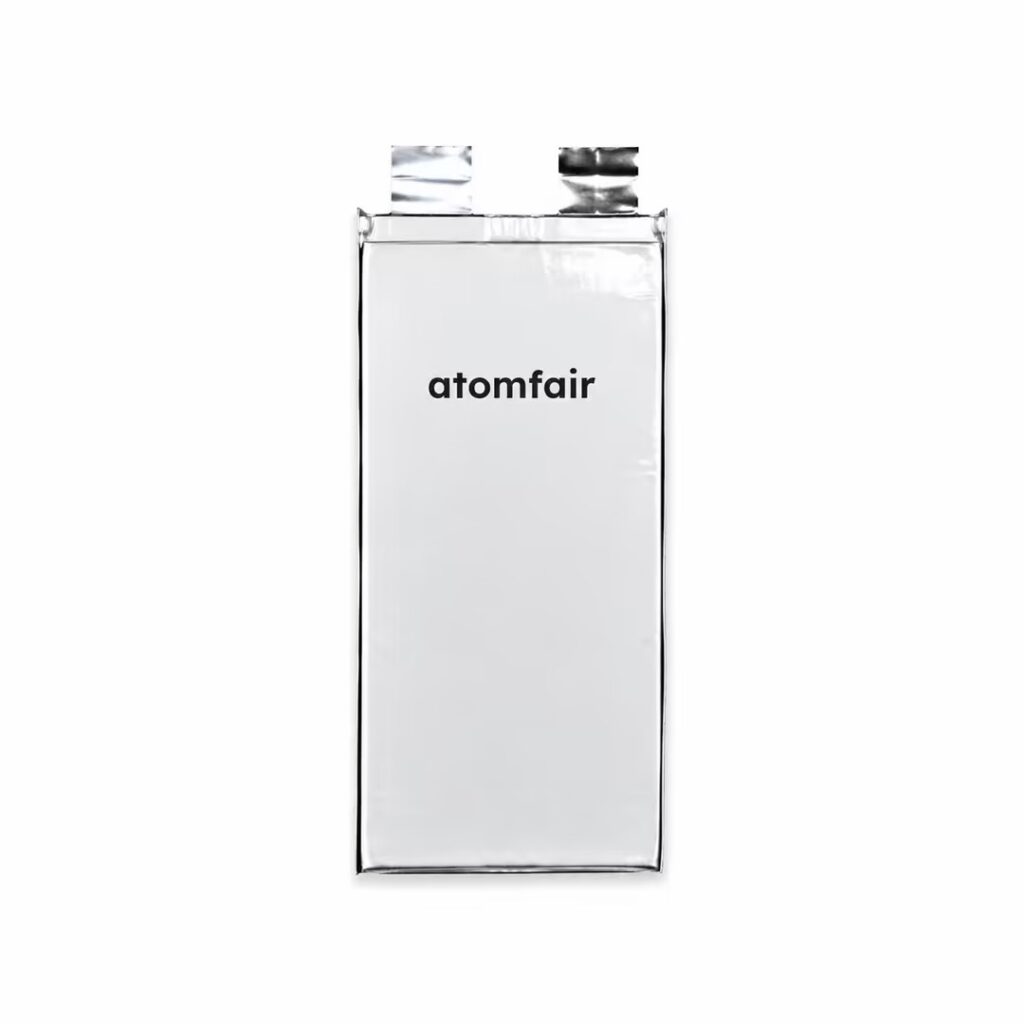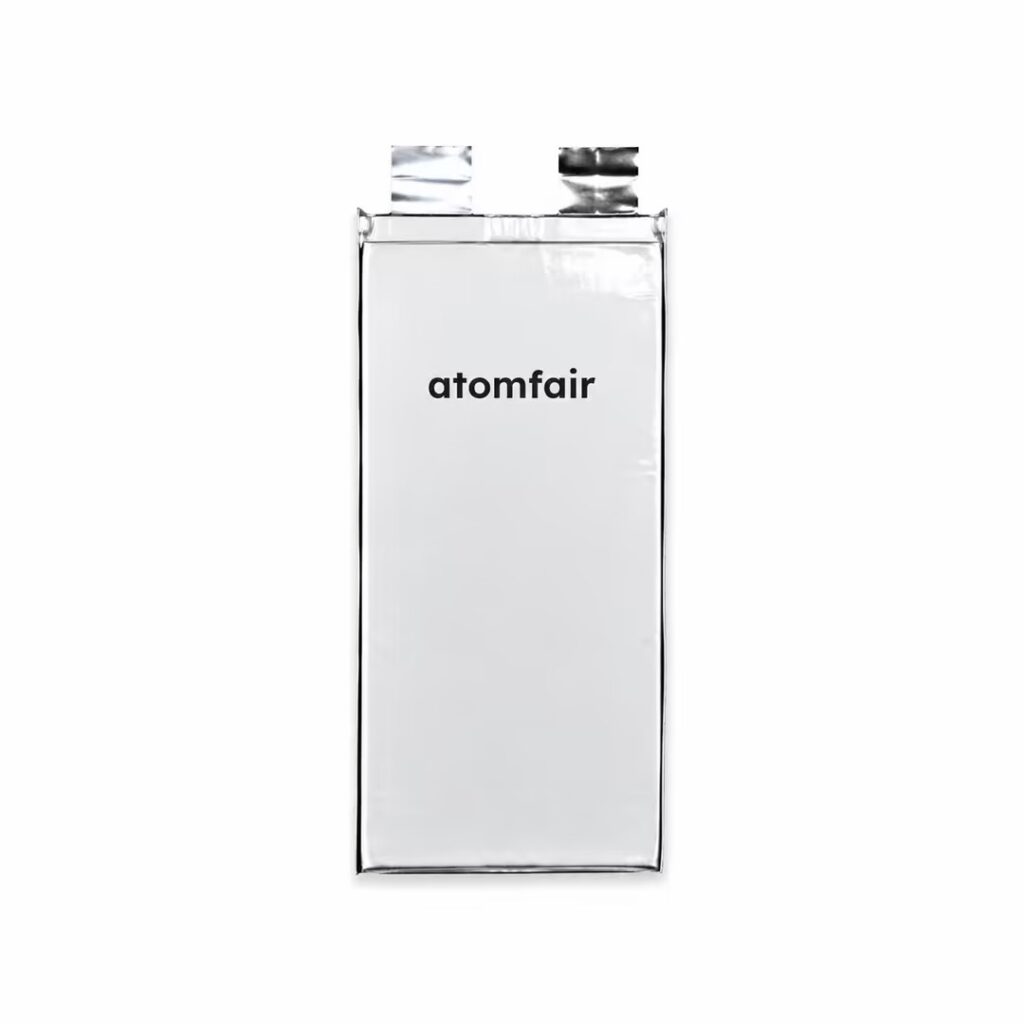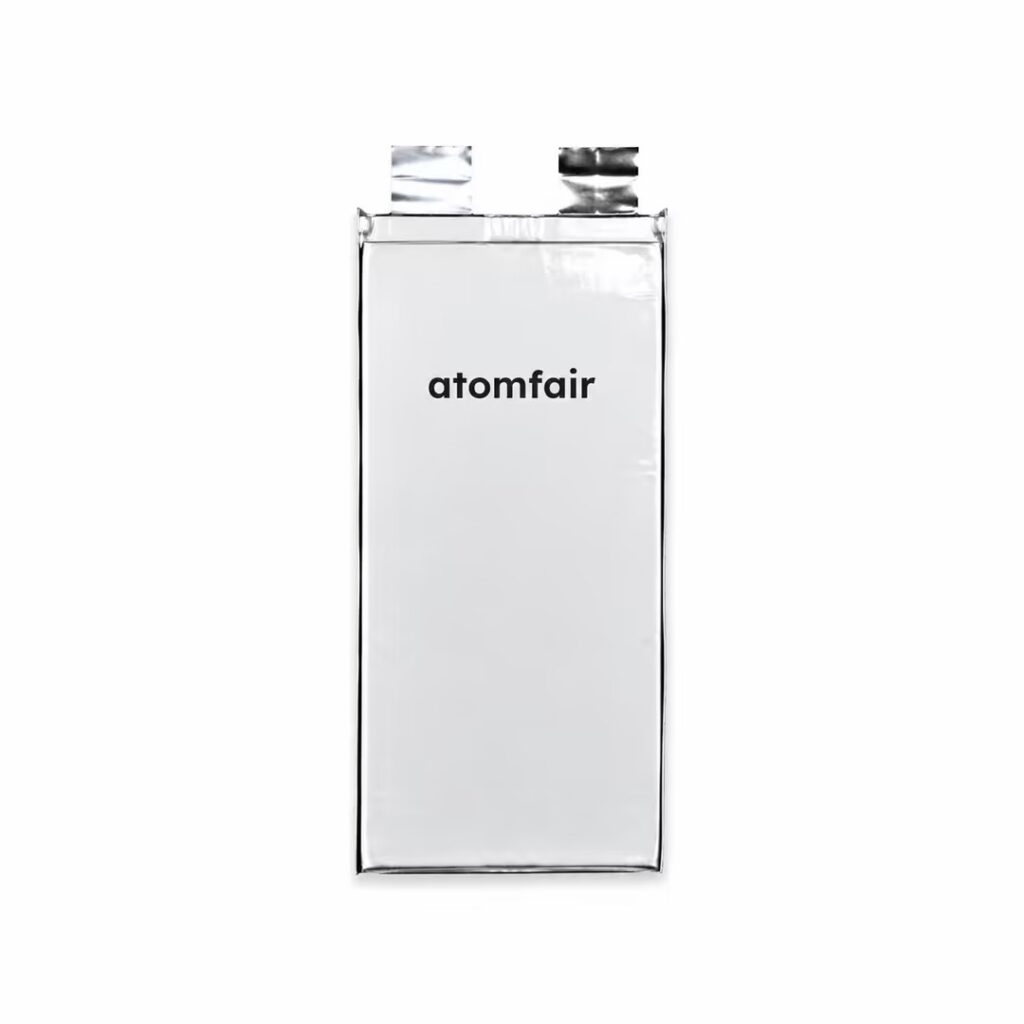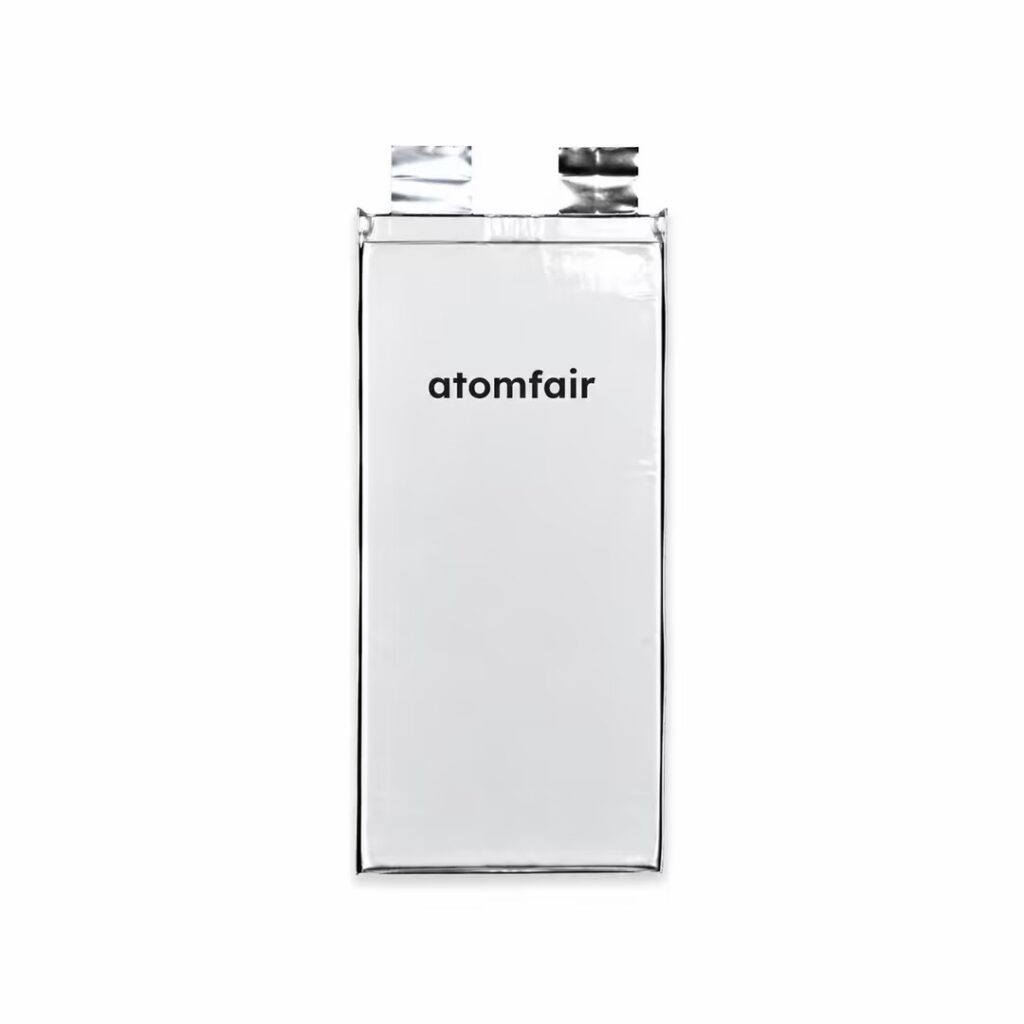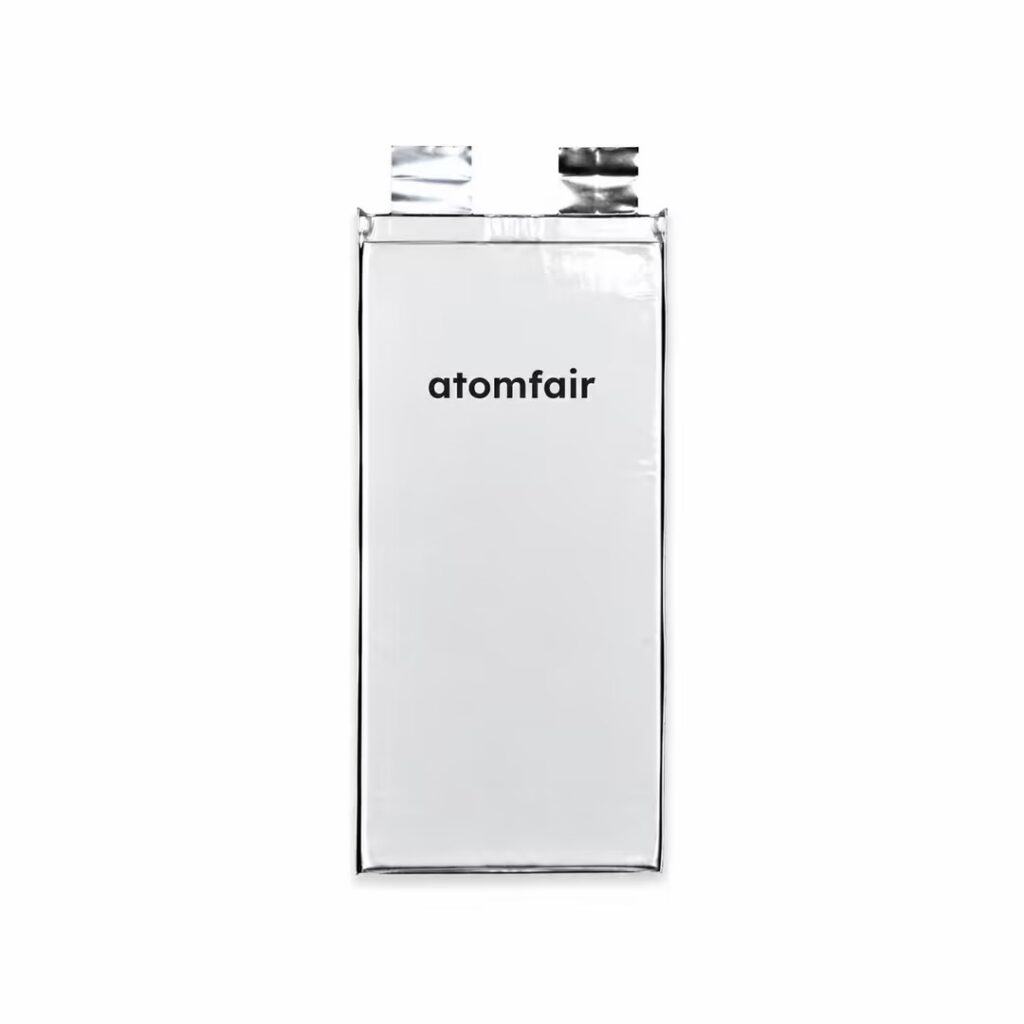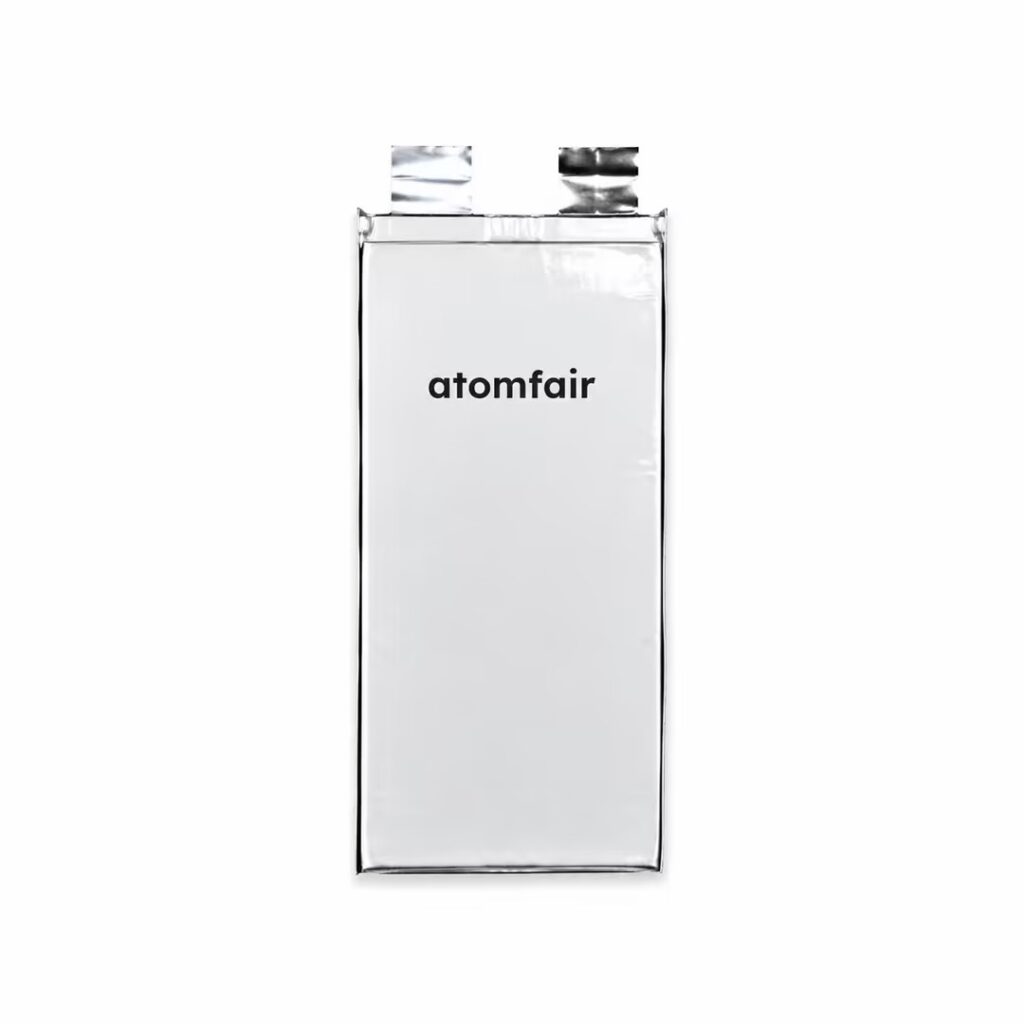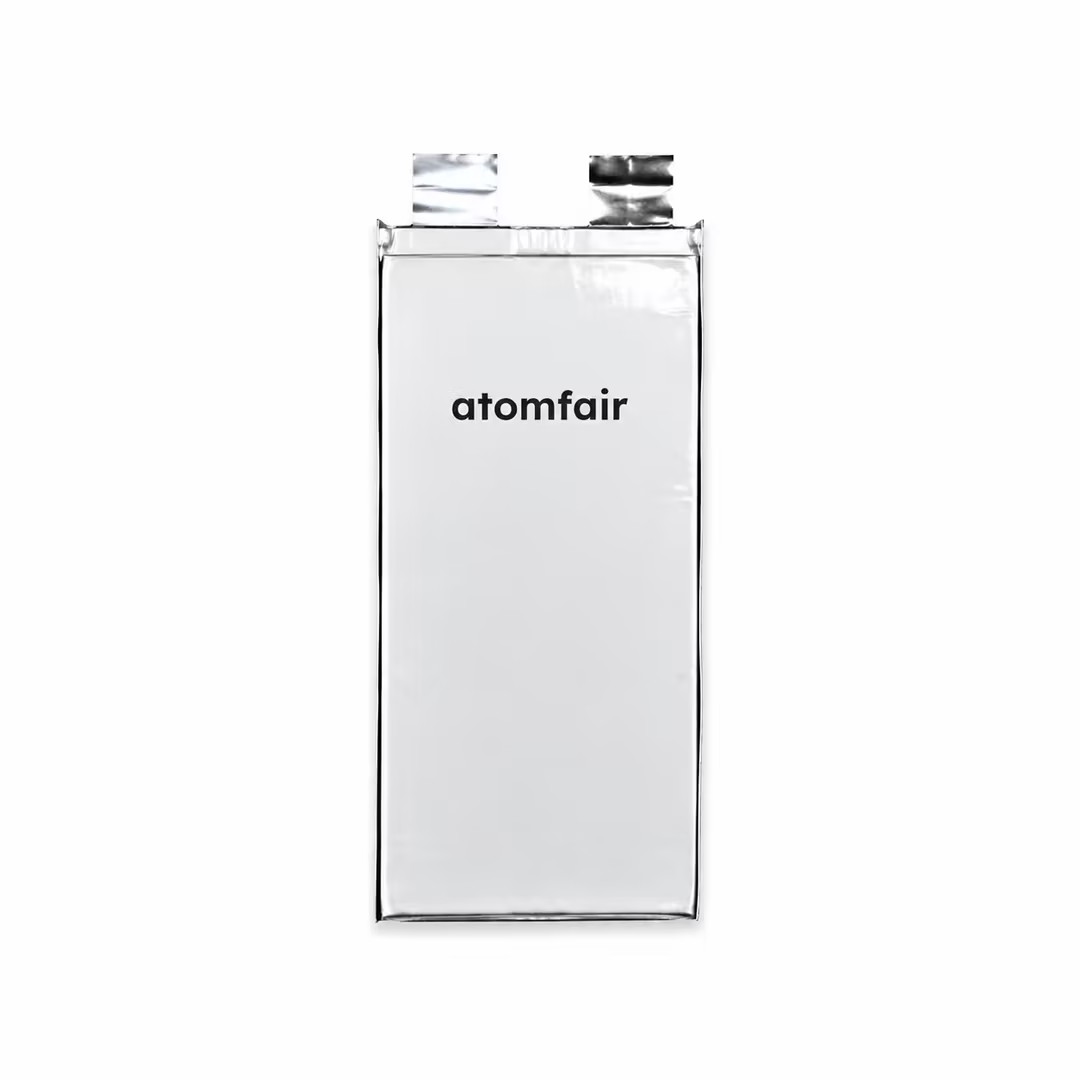
ZC Series High-Capacity Solid-State Cells (Small Power & Swapping) | ATOMFAIRCOMMERCIAL GRADE · PRODUCTION
|
|||||||||||||||||||||||||||||||||||
|
|||||||||||||||||||||||||||||||||||
|
TAILORED SOLUTIONS FOR RESEARCH
Contact our engineering team for technical support or official institutional quotations.
EMAIL: INQUIRY@ATOMFAIR.COM
|
|||||||||||||||||||||||||||||||||||
|
MANUFACTURER: ATOMFAIR LLC
BRAND: ATOMFAIR®
|
|||||||||||||||||||||||||||||||||||
These solid-state cells require secure physical mounting to combat vehicular vibration wear. Assemble strings inside uniform protective enclosures with calibrated management cards to prevent overcharge and short-circuit.
- Temperature Range: Cells operate stably between -20°C and 55°C ambient.
- Mounting Requirement: Secure physical mounting is mandatory to mitigate vibration wear in vehicular applications.
- Electrical Protection: Contact surfaces must be protected from short-circuit tracks and localized overcharge must be avoided.
Assemble the cells into protective enclosures with calibrated battery management systems. Ensure secure mounting and electrical protection to prevent failure.
Required Equipment: uniform protective enclosure, calibrated battery management card
- Assemble in protective enclosure
Assemble the cell strings inside uniform protective enclosures utilizing advanced management cards calibrated with precise state of charge thresholds. - Secure mounting
Mount the assembled enclosure securely to the vehicle chassis to combat vibration wear. - Protect electrical contacts
Protect all contact surfaces from short-circuit tracks and avoid localized overcharge by maintaining management card calibration.
What energy density and capacity options are available in the ZC series solid-state cells?
The ZC series offers three variations: ZC122175-20 with 20 Ah capacity and 180 Wh/kg energy density, ZC165227-39 with 39 Ah and 183 Wh/kg, and ZC14894-29 with 29 Ah and 170 Wh/kg. All cells utilize a composite manganese cathode matrix with LMO and LMFP chemistry and a solid-state electrolyte coating layer.
What are the thermal operating limits of the ZC series solid-state cells for outdoor swapping networks?
The ZC series cells maintain stable ion transportation across a -20°C to 55°C ambient working window, making them suitable for all-weather urban micro-mobility and fleet swap networks. The solid-state electrolyte coating enhances thermal safety parameters.
What mounting and safety precautions are required when integrating ZC series solid-state cells into e-bike or AGV battery packs?
These cells require secure physical mounting to combat vehicular vibration wear. Assemble strings inside uniform protective enclosures with advanced management cards calibrated for precise state of charge thresholds. Avoid localized overcharge and protect contact surfaces from short-circuit tracks.
The ZC Series solid-state cells deliver 170–183 Wh/kg gravimetric energy density with LMO/LMFP composite cathode and solid-state electrolyte coating, achieving ≥2000 deep cycles across a −20°C to 55°C operational window. While offering tripled lifespan over lead-acid and enhanced thermal safety, the cells demand secure vibration-resistant mounting, protective enclosures, and calibrated BMS integration to prevent overcharge and short-circuit risks.
Positive
- ≥2000 deep cycle longevity: Achieves over 2000 deep cycles, tripling the operational lifespan of traditional lead-acid packs, evaluated at room temperature.
- Wide thermal operating window: Maintains stable ion transport from −20°C to 55°C, enabling reliable performance in extreme ambient conditions.
Trade-offs
- Vibration-sensitive mounting required: Solid-state cells require secure physical mounting and protective enclosures to mitigate vehicular vibration wear and prevent mechanical failure.
- Overcharge and short-circuit protection necessary: Localized overcharge and short-circuit conditions must be avoided; integration with calibrated BMS and contact surface protection is mandatory.
Every advanced material, component, equipment, and instrument in our catalog is backed by rigorous testing. We maintain strict internal quality management frameworks and align with CE conformity metrics to deliver transparent, reproducible performance data via our public open-science repository.
To request raw batch performance data, submit formal vendor registration paperwork, or execute a fast-turnaround R&D manufacturing loop, contact us at inquiry@atomfair.com.
Item is dispatched under the Atomfair Shipping & Delivery Framework (Free worldwide shipping on orders over $59 USD excl. heavy equipment). Return is governed by the Atomfair Return & Refund Policy (7-day technical return window).