EC01 Series Ultra-Power Solid-State Cells (500Wh/kg Extreme Density) | ATOMFAIR
Product Overview
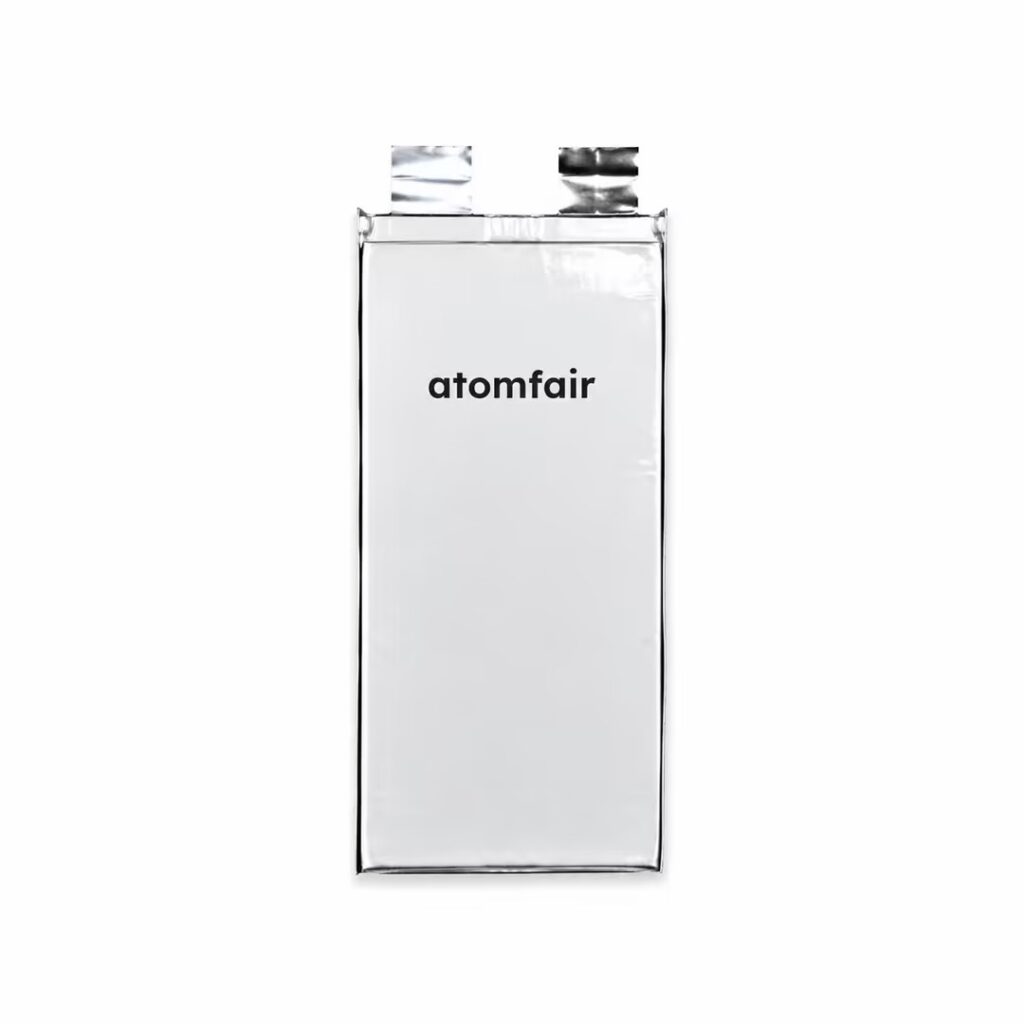
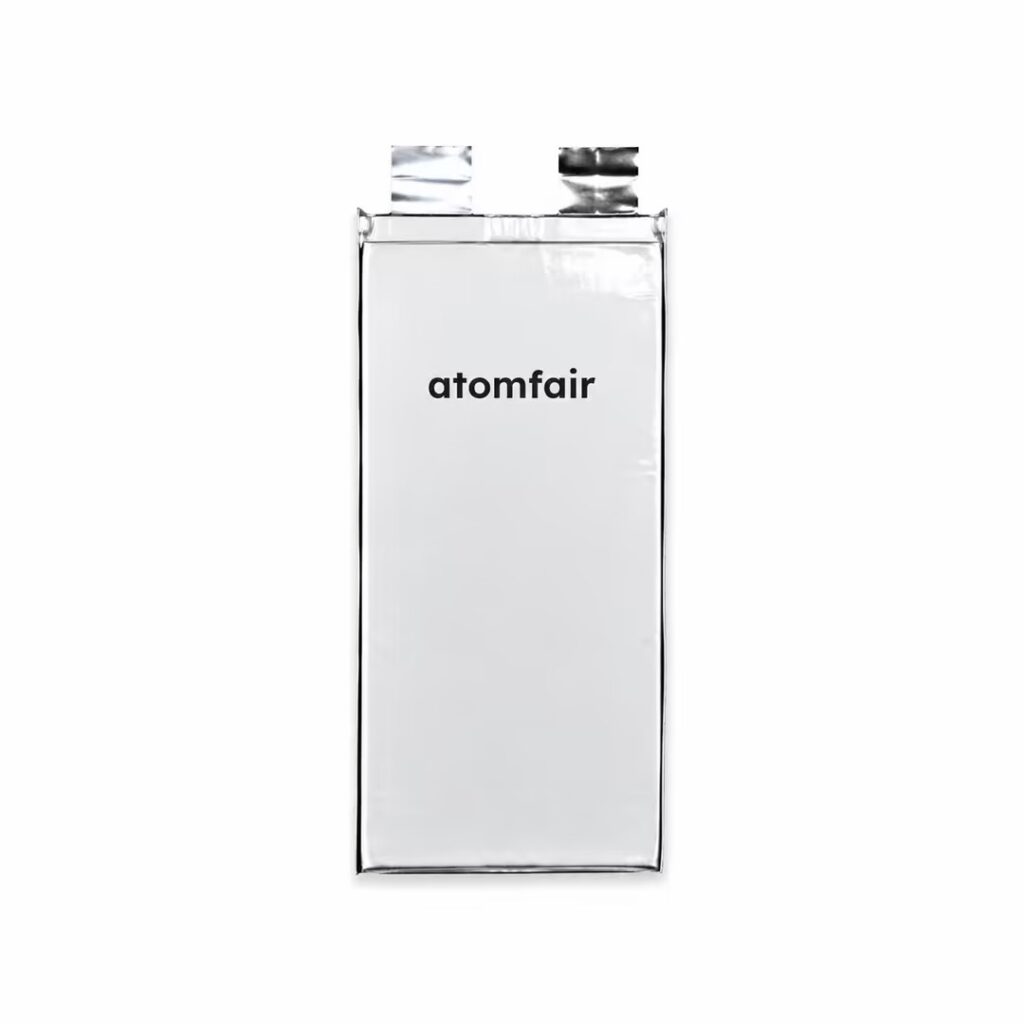
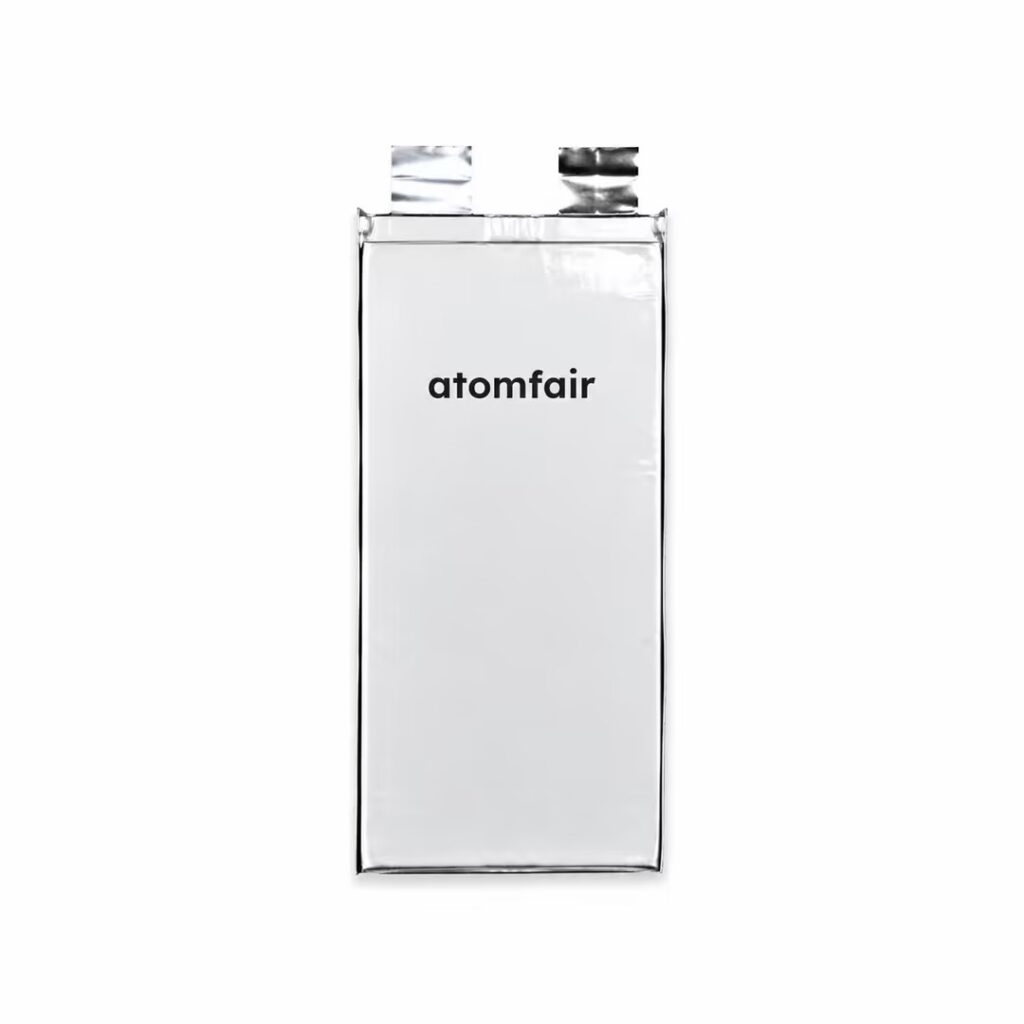
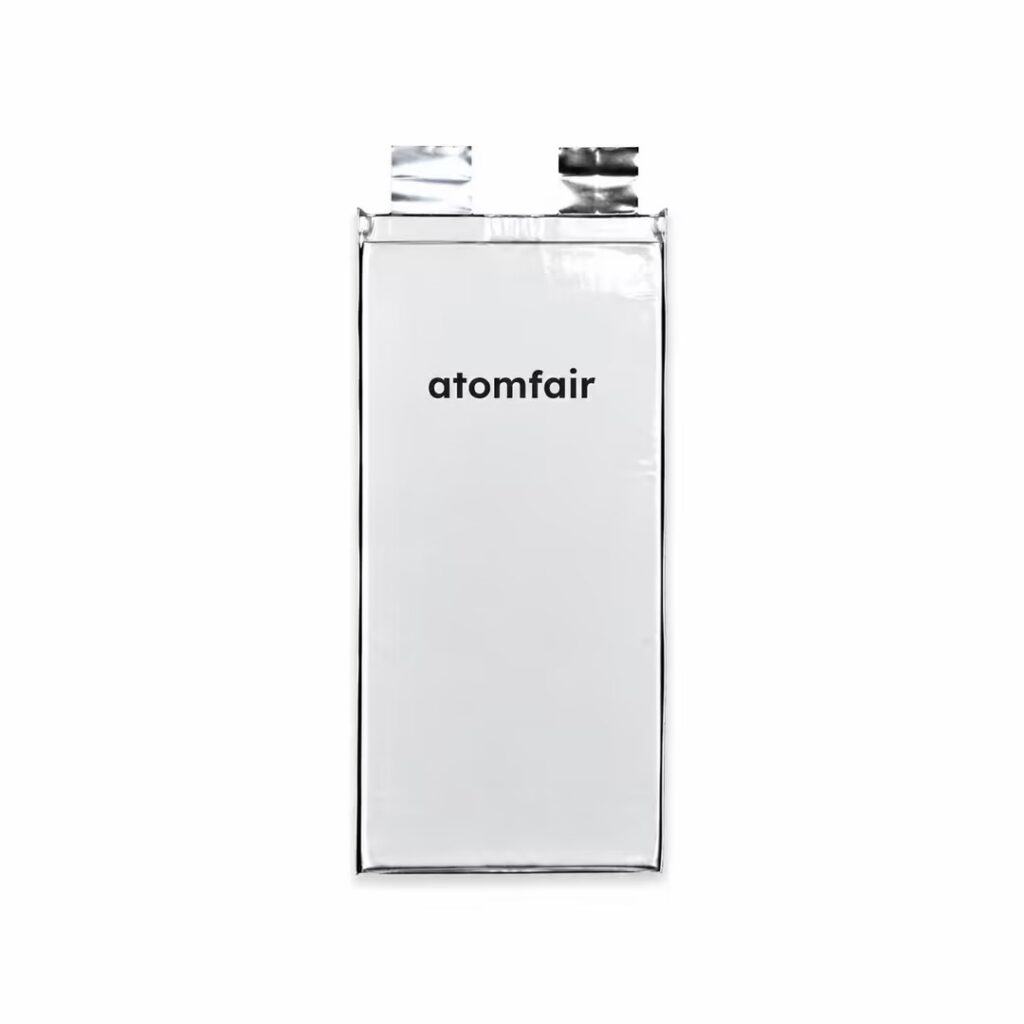
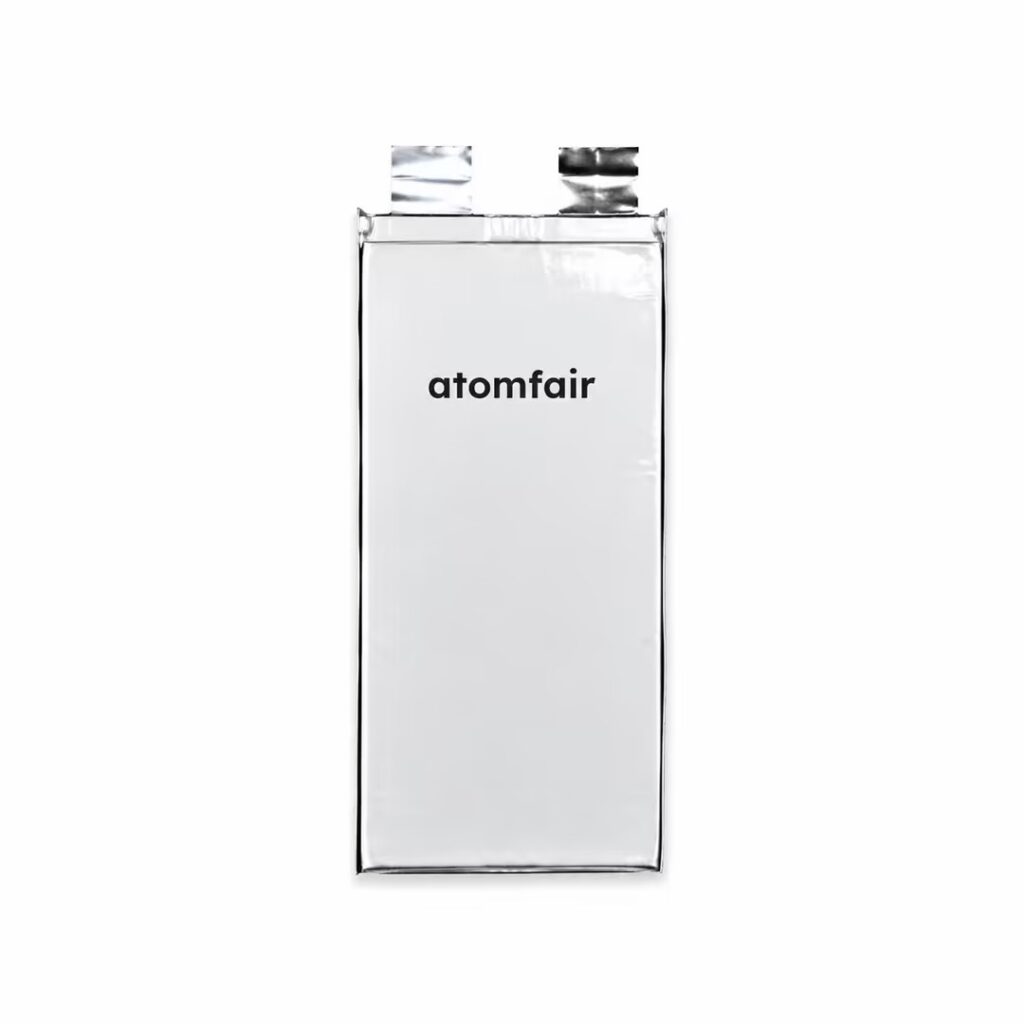
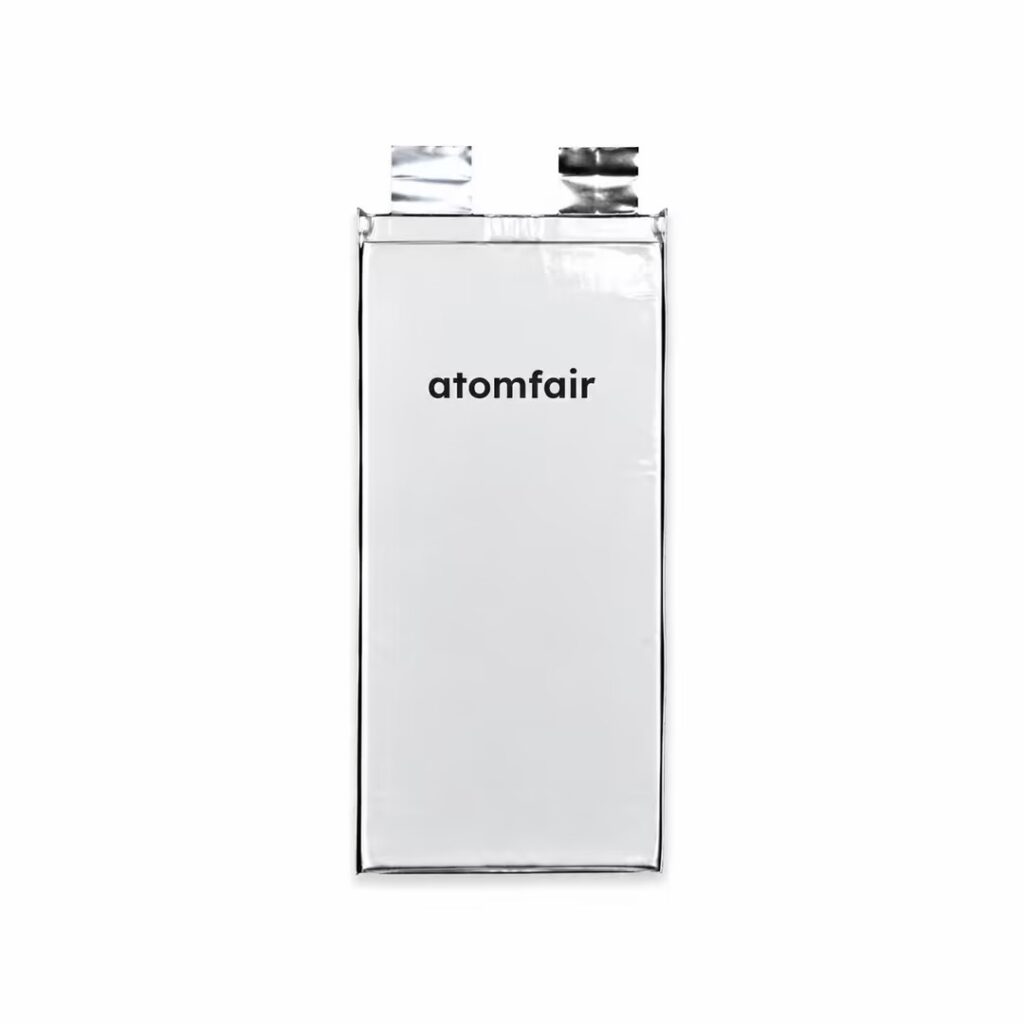
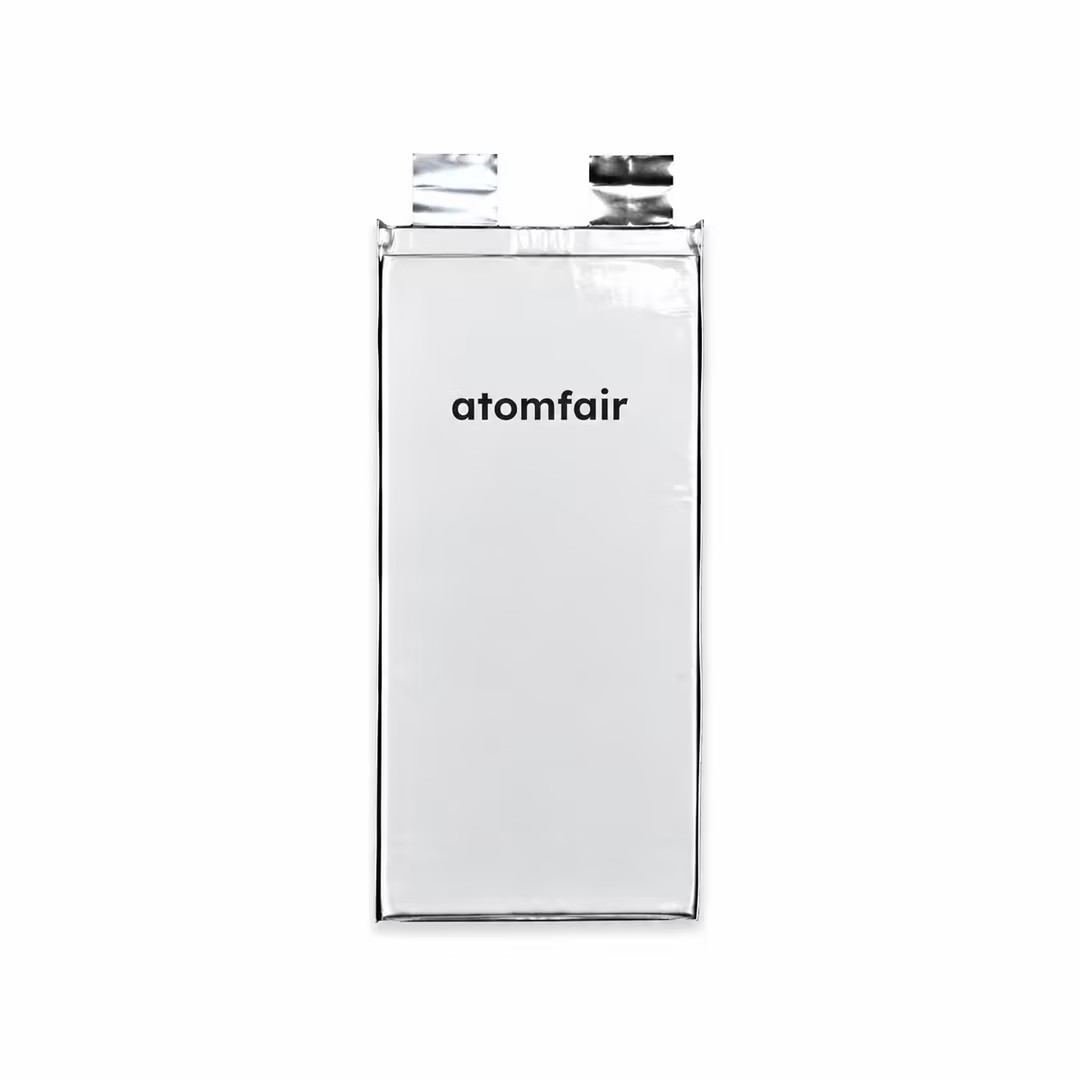
The EC01 series represents the extreme frontiers of solid-state battery technology, specifically designed as an “Energy Fortress” for harsh environments. Boasting an industry-leading energy density of 500Wh/kg, it offers unparalleled mission endurance while maintaining the capability for 3C continuous high-power discharge at temperatures as low as -40°C. This series is the premier choice for mission-critical special equipment, high-altitude UAVs, and aerospace applications where performance cannot be compromised by extreme cold. For bulk inquiries or official volume quotations, please contact us via email at inquiry@atomfair.com.
Technical Specifications
| Parameter | Detailed Specifications (EC0140140T1-15) |
|---|---|
| Nominal Capacity | 15Ah |
| Energy Density | 500Wh/kg |
| Nominal Voltage | 3.83V |
| Voltage Range | 2.5V – 4.3V |
| Cell Size (mm) | 8.5 * 40 * 140 mm |
| Operating Temperature | -40°C to 60°C |
| 3C Discharge Percentage @ -40°C | ≥ 85% |
| 3C Discharge Time @ -40°C | ≥ 12 min |
Core Features & Advantages
Pinnacle Specific Energy
A breakthrough energy density of 500Wh/kg allows for maximum weight reduction while enabling unprecedented mission range for aerial platforms.
Extreme Cold Resilience
Specifically engineered to survive and thrive in environments as low as -40°C, providing a stable power source where traditional batteries fail.
Robust Low-Temp Rate Capability
Maintains a high capacity retention of ≥85% even during 3C continuous discharge in freezing conditions, ensuring mission-critical reliability.
Application Scope
- Tactical Special-Purpose UAVs
- High-Altitude Reconnaissance Systems
- Aerospace Exploration Equipment
- Extreme-Environment Robotics
Accessories & Customization
Low-Temp Optimization: Cell architecture is specifically tuned for electrolyte mobility and high ion conductivity at sub-zero temperatures.
Custom Form Factors: Alternative dimensions and specific tab orientations can be provided for unique mission-critical airframes.
Validation Reports: Detailed low-temperature discharge curve data and safety certifications are available upon verified request.
This document outlines the operational constraints for the EC01 series solid-state cell to ensure safe and reliable performance. Adherence to the specified voltage and temperature limits is critical to prevent damage and maintain capacity.
- Voltage Limits: Maintain the cell voltage between 2.5V and 4.3V to avoid over-discharge or over-charge conditions.
- Temperature Limits: Operate the cell only within the ambient temperature range of -40°C to 60°C.
What is the trade-off between the extreme 500Wh/kg energy density and the cell's ability to deliver high discharge rates at low temperatures?
The EC01 series maintains ≥85% capacity retention during 3C continuous discharge at -40°C, indicating that the high energy density does not significantly compromise low-temperature power delivery. The cell architecture is specifically tuned for electrolyte mobility and high ion conductivity at sub-zero temperatures, enabling a 3C discharge time of ≥12 minutes at -40°C.
What are the voltage and form factor constraints for integrating the EC01 cell into existing UAV or aerospace battery packs?
The cell has a nominal voltage of 3.83V and a voltage range of 2.5V to 4.3V, with dimensions of 8.5mm x 40mm x 140mm. Custom form factors with alternative dimensions and specific tab orientations are available for unique mission-critical airframes, allowing integration into various platforms such as high-altitude UAVs and aerospace exploration equipment.
What special handling, storage, or safety precautions are required for the EC01 solid-state cells given their high energy density and extreme temperature performance?
The cells are designed as an 'Energy Fortress' for harsh environments, operating from -40°C to 60°C. While solid-state architecture inherently reduces flammability risks compared to liquid electrolytes, standard high-energy-density Li-ion handling protocols should be followed, including avoiding short circuits and physical damage. Detailed low-temperature discharge curve data and safety certifications are available upon verified request.
The EC01 series solid-state cell delivers 500Wh/kg energy density and reliable 3C discharge down to -40°C, making it suitable for high-altitude UAVs and extreme-environment robotics, though its 60°C upper temperature limit and need for custom form factor coordination should be considered.
Positive
- Pinnacle specific energy 500Wh/kg: Ultra-high energy density enables significant weight reduction and extended mission range for aerial platforms, directly benefiting applications like tactical UAVs and high-altitude reconnaissance systems.
- Robust low-temperature performance: Capable of 3C continuous discharge at -40°C with ≥85% capacity retention, providing reliable power where conventional batteries fail, as validated by the spec sheet.
Trade-offs
- Upper temperature limit 60°C: The specified operating temperature range caps at 60°C, which may restrict deployment in high-heat environments or near heat-generating equipment without additional thermal management.
- Custom form factor lead time: Alternative dimensions and tab orientations are available but require engineering coordination, potentially adding lead time for unique mission-critical airframes.
Every advanced material, component, equipment, and instrument in our catalog is backed by rigorous testing. We maintain strict internal quality management frameworks and align with CE conformity metrics to deliver transparent, reproducible performance data via our public open-science repository.
To request raw batch performance data, submit formal vendor registration paperwork, or execute a fast-turnaround R&D manufacturing loop, contact us at inquiry@atomfair.com.
Item is dispatched under the Atomfair Shipping & Delivery Framework (Free worldwide shipping on orders over $59 USD excl. heavy equipment). Return is governed by the Atomfair Return & Refund Policy (7-day technical return window).