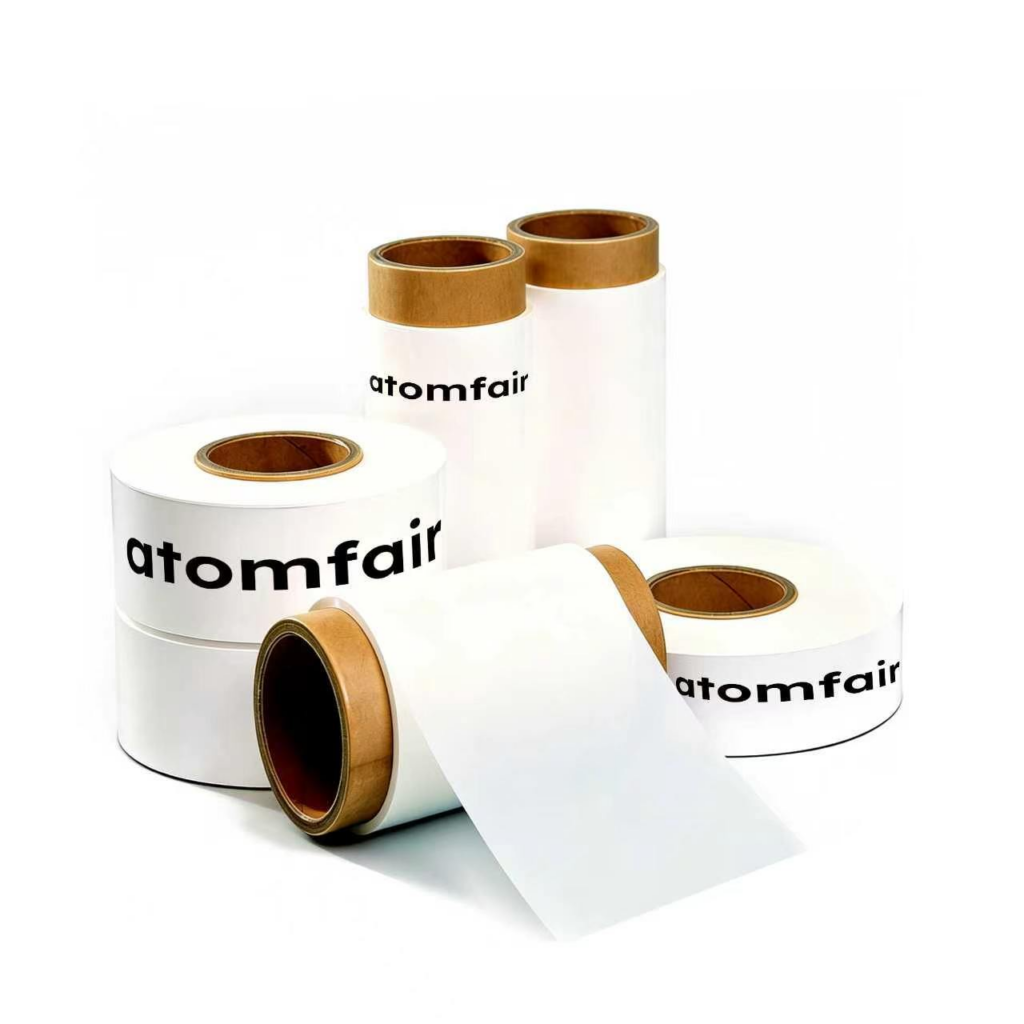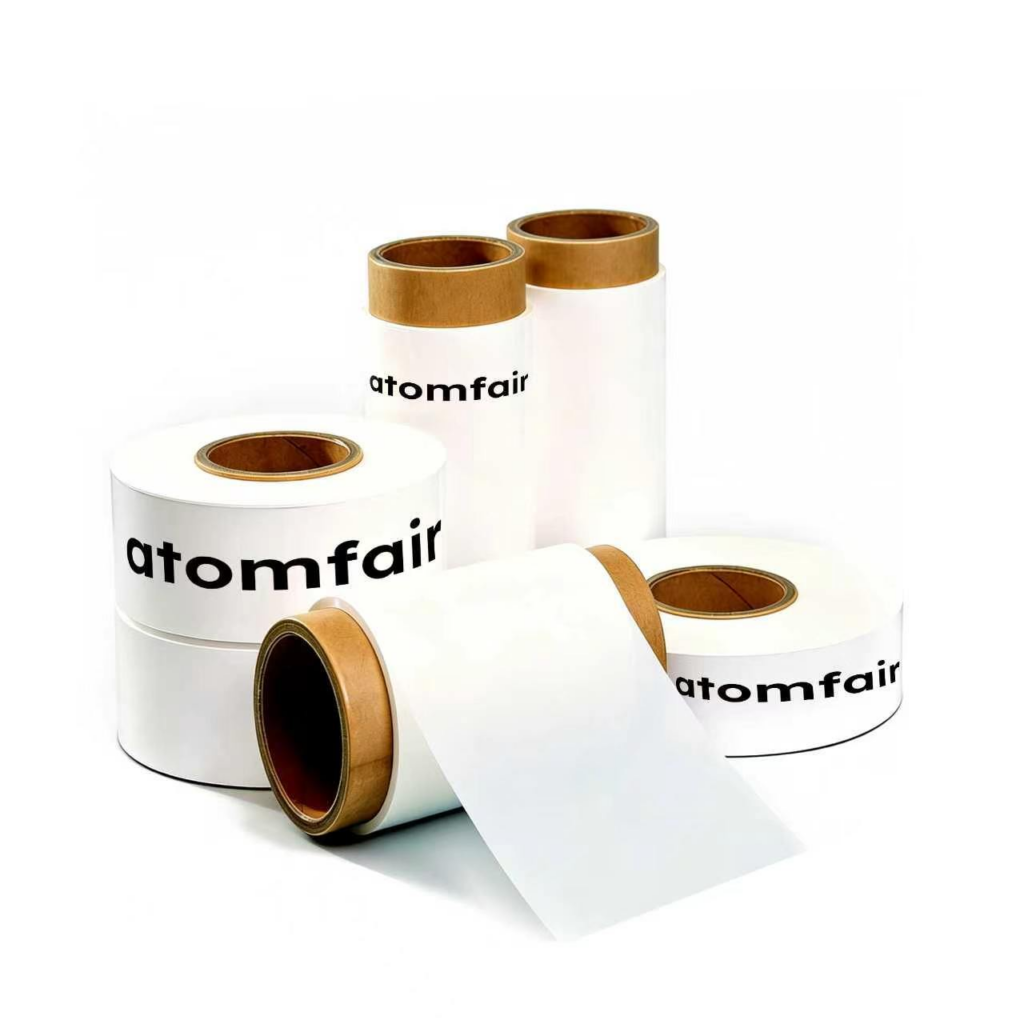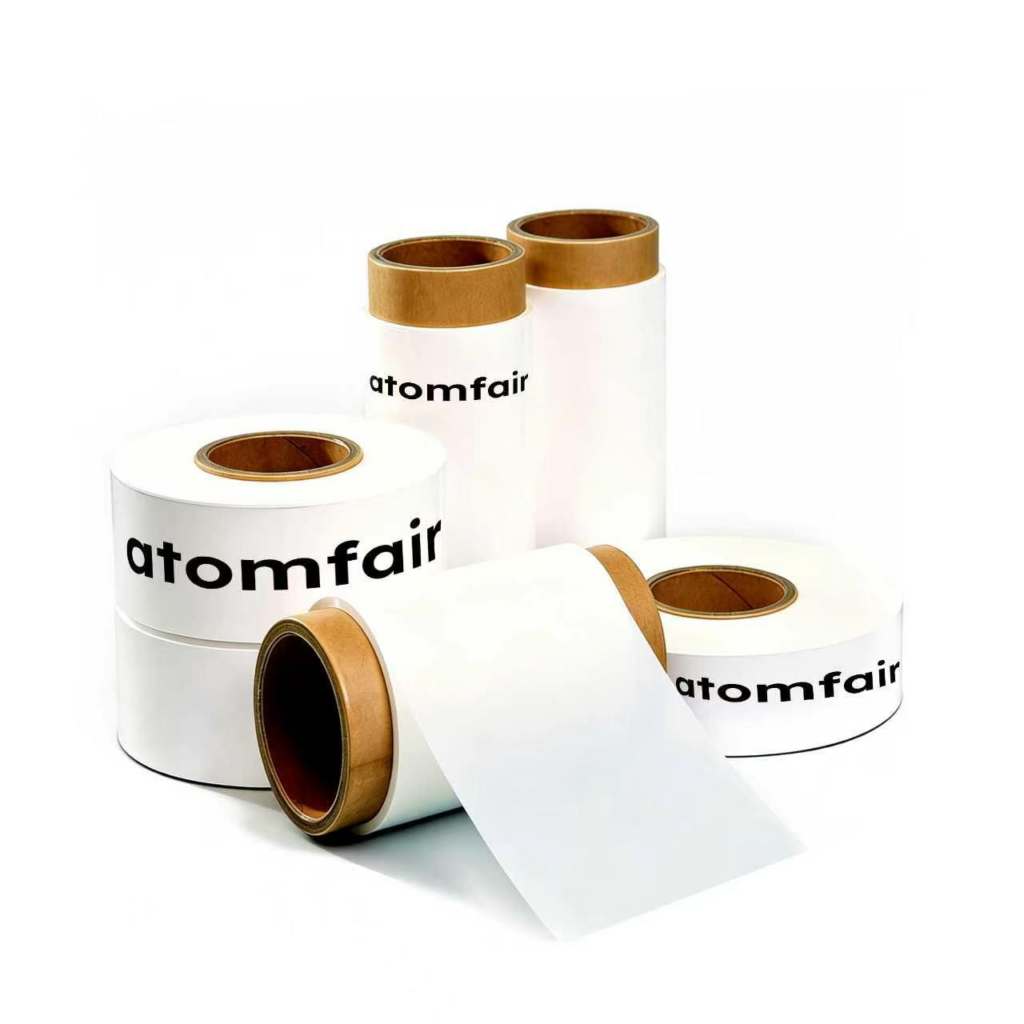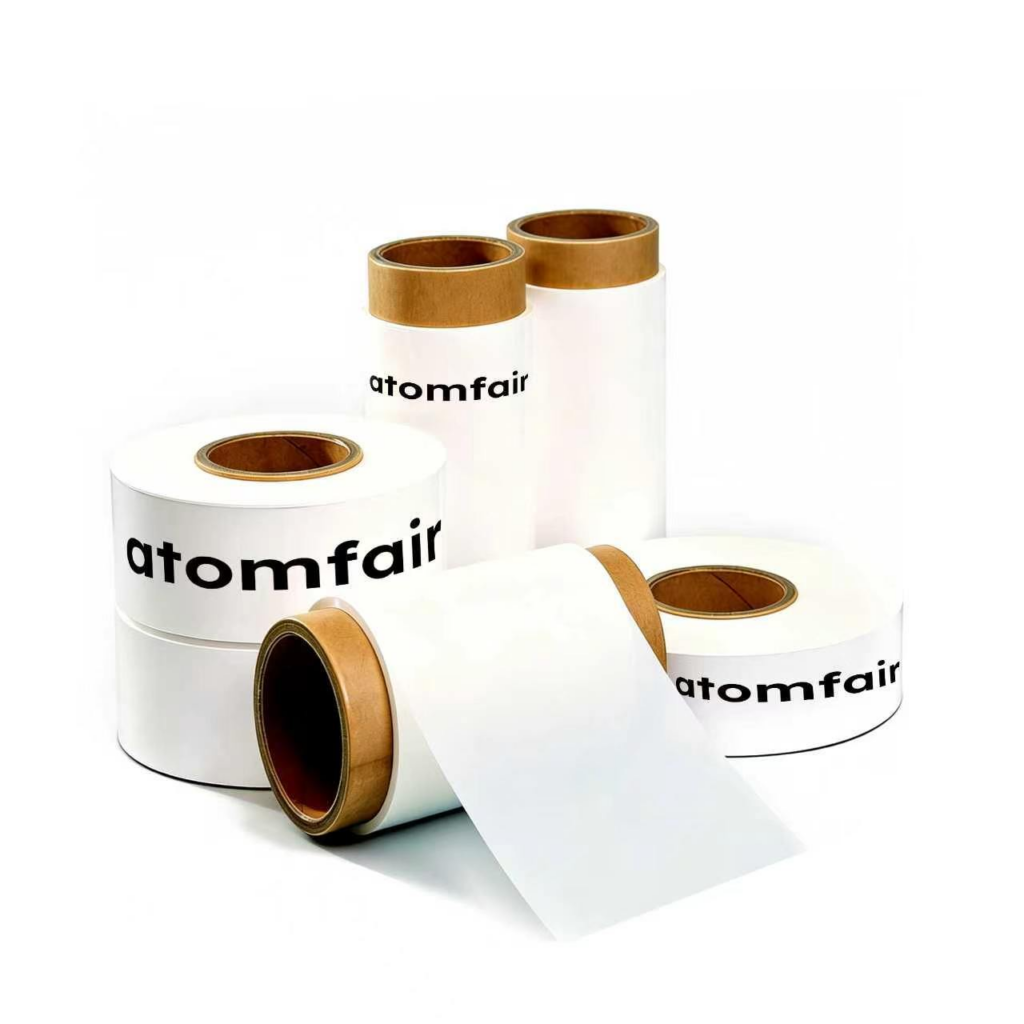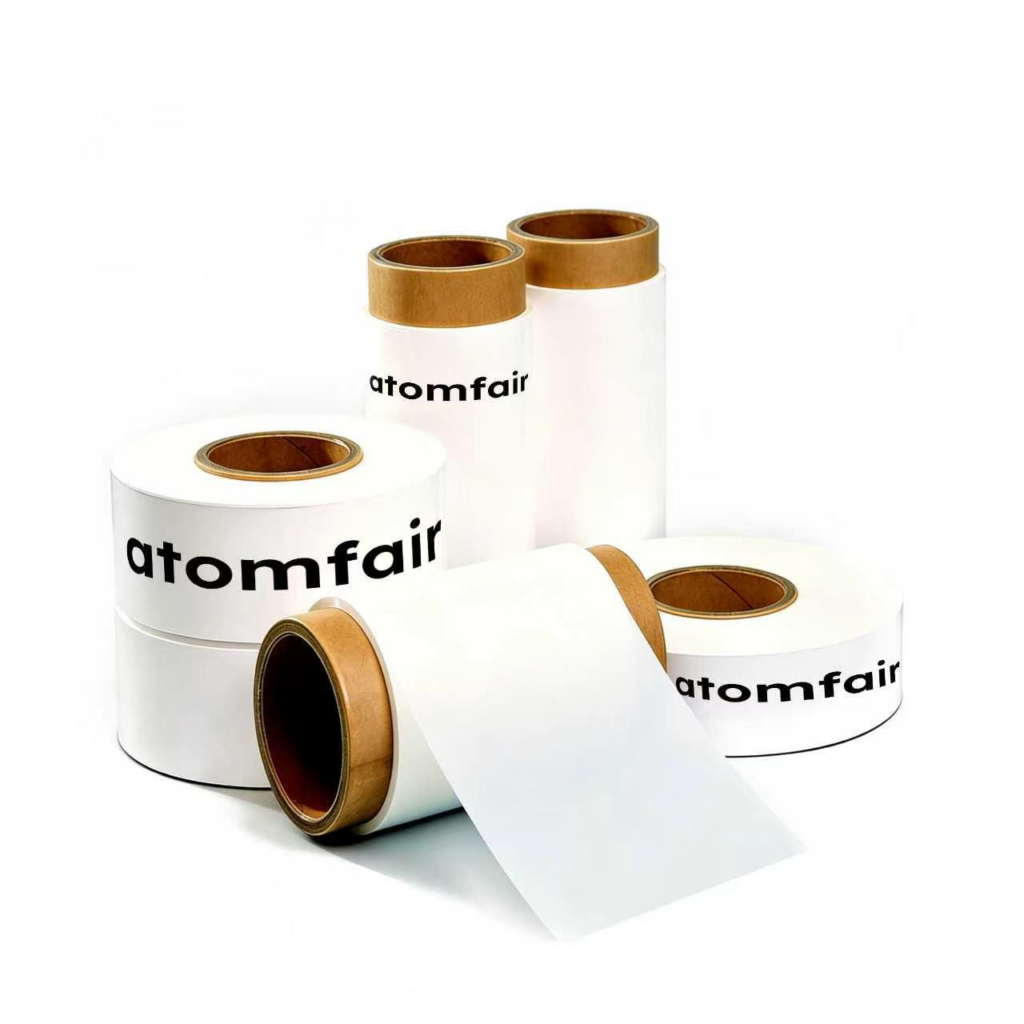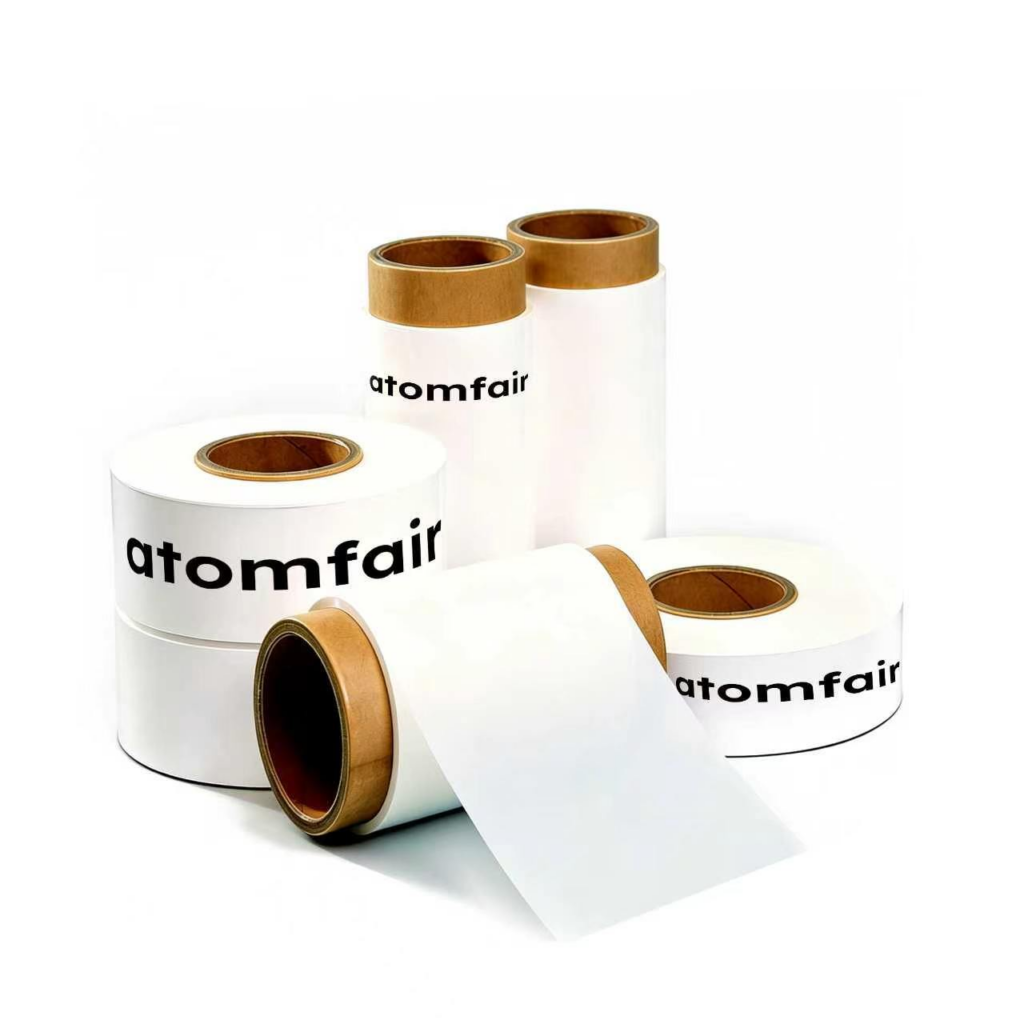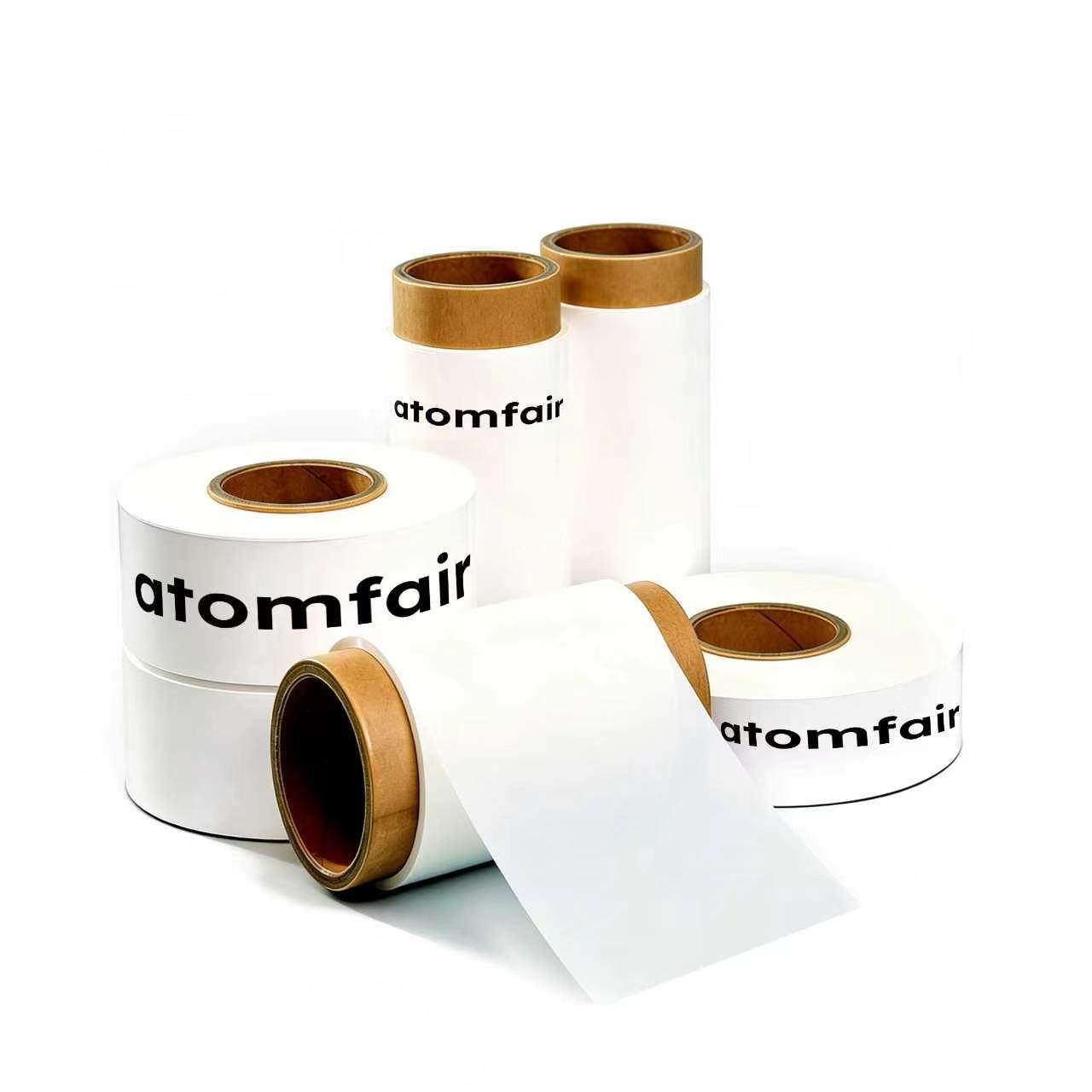
ATOMFAIR® WET-PROCESS PE SEPARATOR 20UMRESEARCH GRADE MATERIAL
|
||
|
|
||||||||||||||||||||||||||||||||||||||||||||||||||||||||
|
||||||||||||||||||||||||||||||||||||||||||||||||||||||||||||||||||
|
This wet-process polyethylene separator requires strict storage and handling conditions to maintain its structural integrity and performance. Thermal shrinkage, puncture resistance, and porosity are sensitive to environmental exposure and mechanical stress during transportation and storage.
- Sealed and Controlled Environment Storage: Store the separator in a sealed container within a cool, dry, and well-ventilated area to prevent moisture absorption and contamination.
- Thermal and Fire Hazard Aversion: Keep the separator away from open flames, heat sources, and flammable materials to avoid thermal degradation or fire risk.
- Light and Precipitation Protection: Avoid direct sunlight, rain, and high humidity during storage and transport to preserve the film's mechanical and thermal properties.
- Mechanical Integrity Preservation: Handle the separator with care during transportation to prevent severe collisions, punctures, or extrusion that could compromise its uniformity.
- Contamination Prevention: Use only in clean, controlled environments and avoid contact with sharp objects or abrasive surfaces that may damage the film surface.
What performance trade-off exists between puncture strength and separator thickness for Atomfair wet-process PE separators used in battery research?
The 20 μm PE separator (AF-PE20) offers a puncture strength of 722 g, which is significantly higher than the 7 μm variant (339 g) but with a comparable porosity of 41% versus 40%. However, the increased thickness results in a higher air permeability of 224 S compared to 155 S for the 7 μm separator, indicating a trade-off in ionic transport resistance for enhanced mechanical robustness.
How does the thermal shrinkage of the 20 μm wet-process PE separator affect its compatibility with standard lithium-ion battery calendaring or drying processes?
The AF-PE20 separator has a longitudinal thermal shrinkage of 1.4% and a transverse shrinkage of 0.1%, confirming its dimensional stability under thermal stress during battery assembly. Its melting temperature of 135°C imposes an upper limit for drying or calendaring processes to prevent thermal runaway and separator failure.
What storage and handling precautions are required to preserve the performance of this 20 μm wet-process PE separator in a research environment?
The separator must be stored sealed in a normal or low-temperature, dry, and well-ventilated environment, away from fire, heat sources, and flammable materials. During transportation, avoid sunlight, rain, fire baking, and severe mechanical shock to prevent performance degradation from environmental exposure or physical damage.
This 20 μm wet-process PE separator offers a high puncture strength of 722 g and low transverse thermal shrinkage (0.1% TD), making it suitable for battery research requiring mechanical robustness and dimensional stability. Its 41% porosity and 224 s air permeability support ion transport, but the 135°C melting point and strict storage conditions (sealed, dry, away from heat sources) are operational constraints to note.
Positive
- High puncture strength: With a puncture strength of 722 g, this separator provides excellent mechanical integrity, reducing the risk of internal short circuits during cell assembly or operation.
- Low transverse thermal shrinkage: Transverse thermal shrinkage of only 0.1% ensures minimal dimensional change under heat, preserving electrode alignment and separator integrity during thermal exposure.
Trade-offs
- Moderate melting temperature: A melting point of 135°C limits high-temperature applications and safety margin under thermal runaway conditions compared to polypropylene separators (≥167°C).
- Strict storage conditions required: Must be stored sealed in a normal or low temperature, dry, well-ventilated environment away from heat sources and sunlight, adding logistical constraints for lab inventory.
Every advanced material, component, equipment, and instrument in our catalog is backed by rigorous testing. We maintain strict internal quality management frameworks and align with CE conformity metrics to deliver transparent, reproducible performance data via our public open-science repository.
To request raw batch performance data, submit formal vendor registration paperwork, or execute a fast-turnaround R&D manufacturing loop, contact us at inquiry@atomfair.com.
Item is dispatched under the Atomfair Shipping & Delivery Framework (Free worldwide shipping on orders over $59 USD excl. heavy equipment). Return is governed by the Atomfair Return & Refund Policy (7-day technical return window).