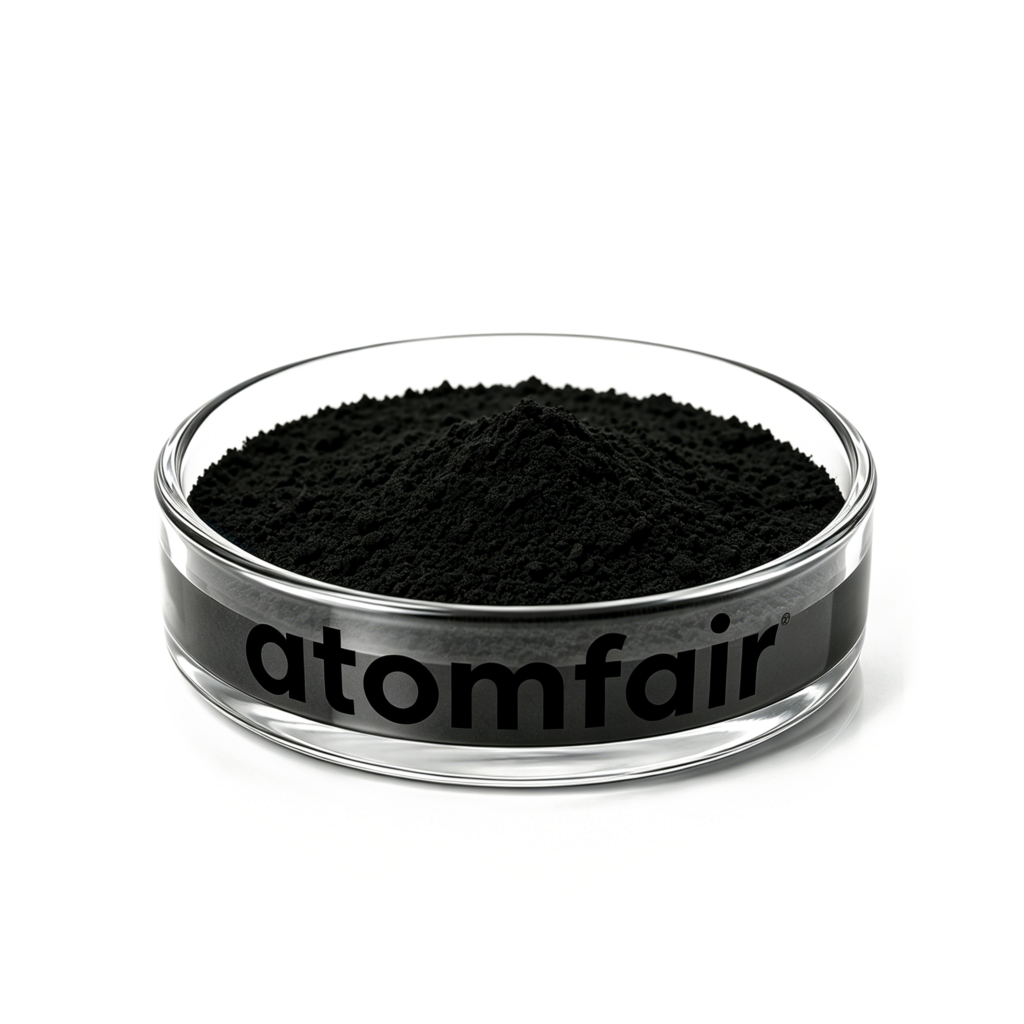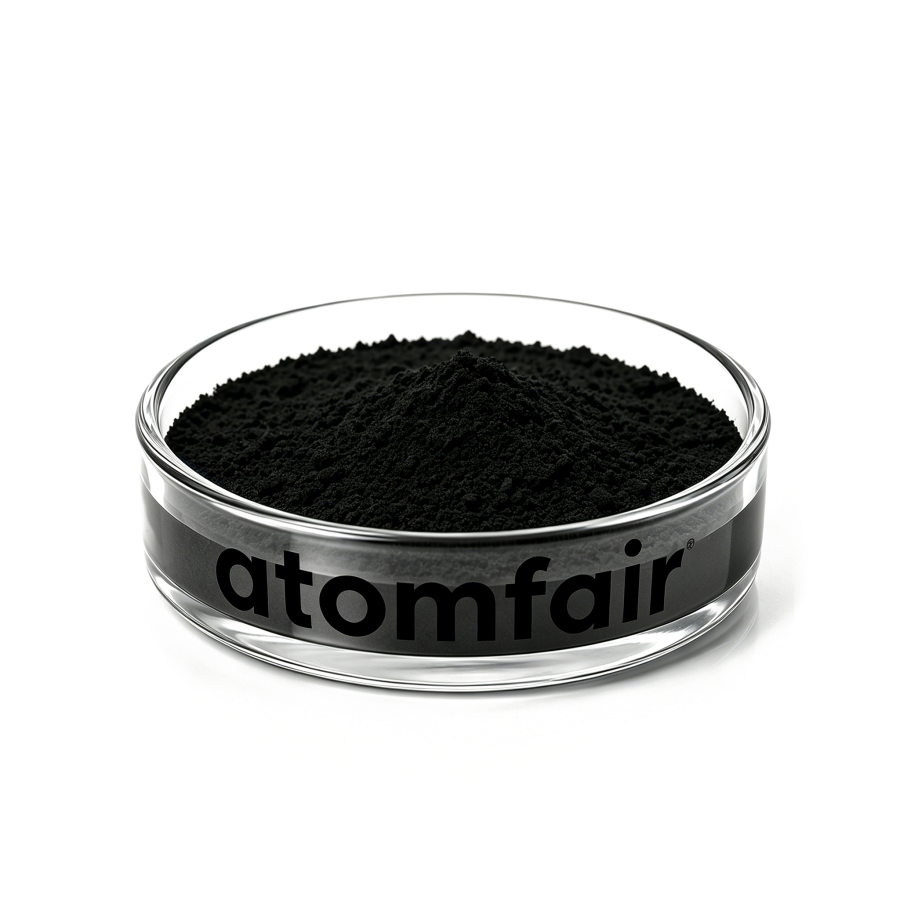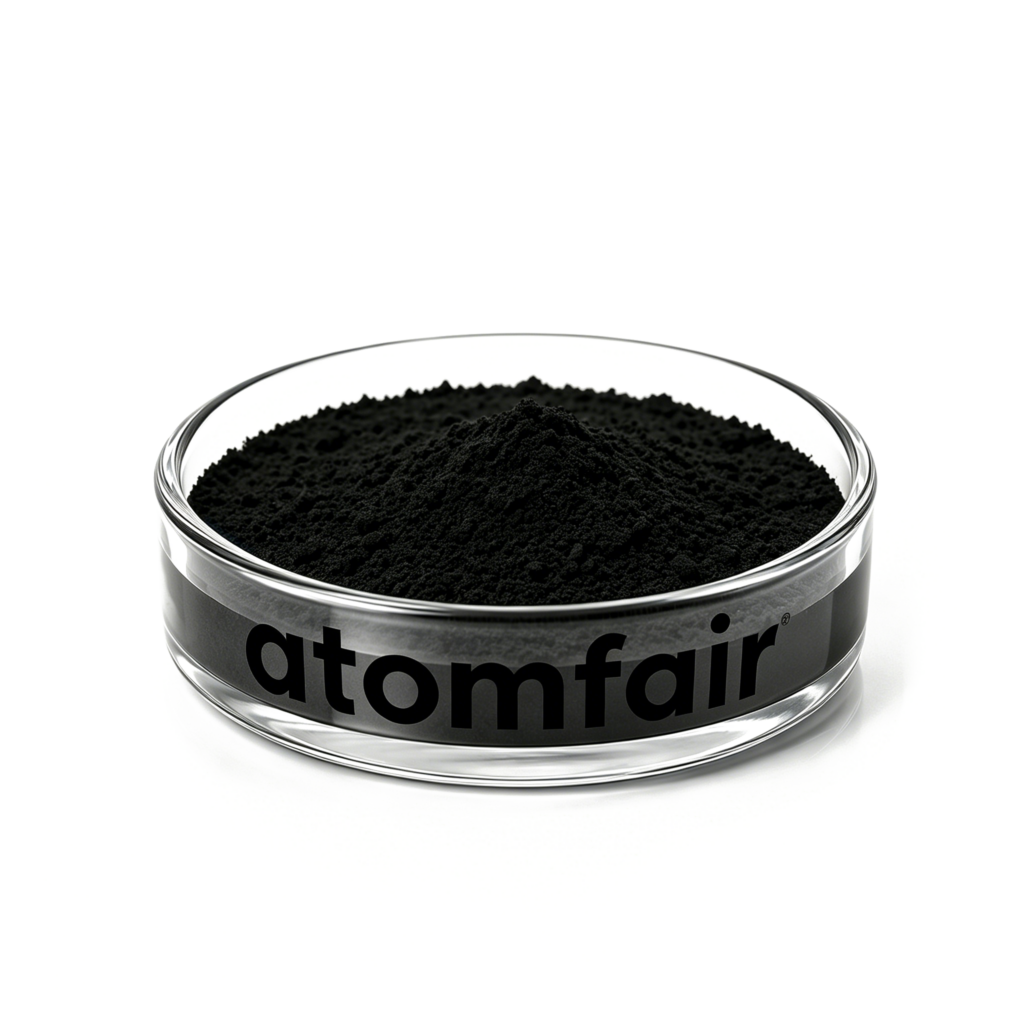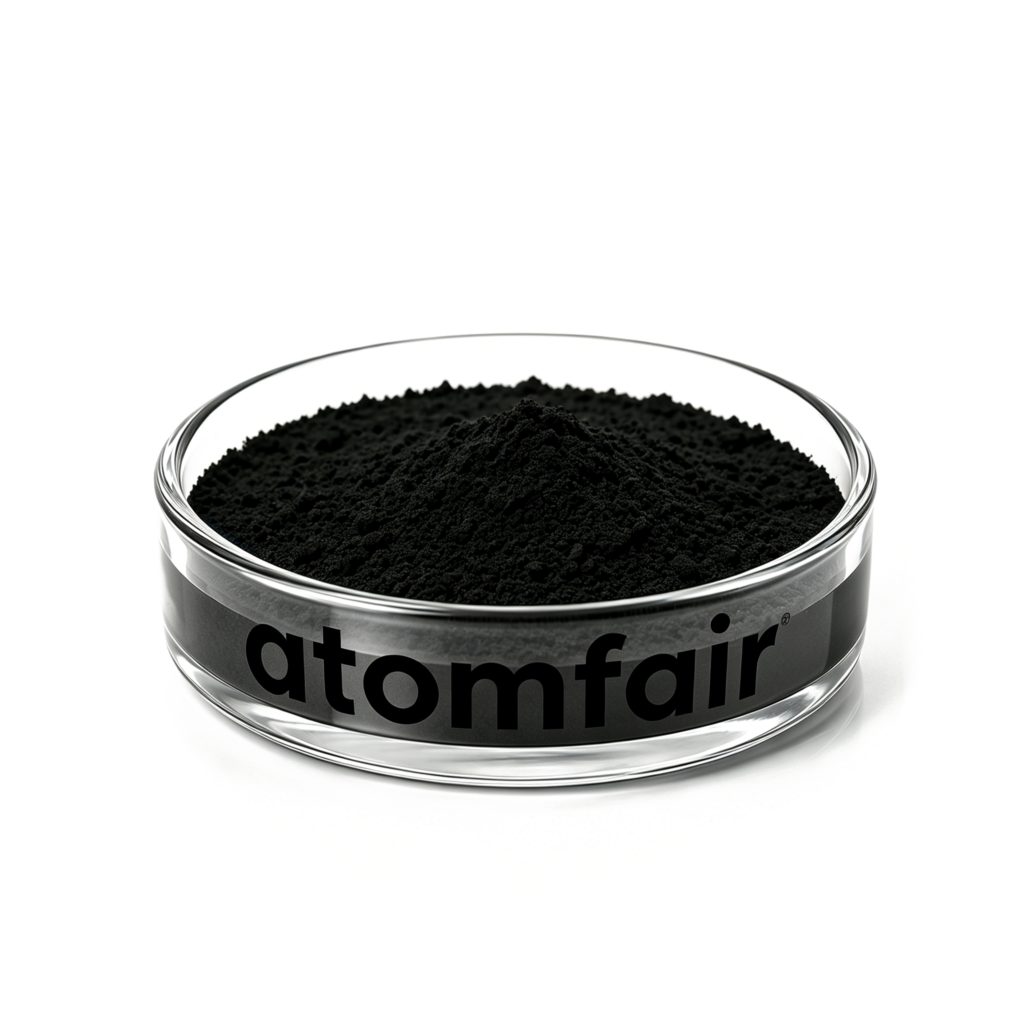
ATOMFAIR® VGCF-H CARBON NANOTUBESRESEARCH GRADE MATERIAL
|
||||||||||||||||||||||||||||||||||||||||||
|
||||||||||||||||||||||||||||||||||||||||||
|
|||
|
TAILORED SOLUTIONS FOR RESEARCH
Contact our engineering team for technical support or official institutional quotations.
EMAIL: inquiry@atomfair.com
|
|||
|
Manufacturer: Atomfair LLC
Brand: ATOMFAIR®
|
Store in a sealed container in a cool, dry environment away from ignition sources and oxidizing agents. Avoid inhalation and skin contact; use appropriate personal protective equipment including respirator and gloves.
- Storage Temperature and Humidity: Maintain storage temperature below 25°C and relative humidity below 50% to prevent moisture absorption.
- Containment Protocol: Keep container tightly closed when not in use to prevent airborne dust generation.
- Ventilation Requirements: Use in a well-ventilated area or under a fume hood to minimize inhalation risk.
- Static Discharge Precautions: Ground all equipment to dissipate static charge, as fine carbon powder can accumulate electrostatic discharge.
- Chemical Incompatibility: Avoid exposure to strong oxidizers, as carbon nanotubes can undergo exothermic oxidation.
This procedure outlines the safe handling and dispensing of VGCF-H carbon nanotube powder to minimize dust exposure and contamination risk. Always work in a glovebox or fume hood with appropriate PPE.
Required Equipment: Inert-atmosphere glovebox, Antistatic spatula, Analytical balance, HEPA-filtered vacuum
- Don Personal Protective Equipment
Don appropriate PPE including lab coat, safety goggles, and N95 respirator. - Transfer to Controlled Environment
Transfer the carbon nanotube container into an inert-atmosphere glovebox or fume hood. - Weigh Required Amount
Weigh the required amount of powder using an antistatic spatula and an analytical balance. - Seal Dispensed Material
Place the weighed powder into a pre-labeled, sealed container to avoid dust release. - Clean Work Surfaces
Clean all work surfaces with a HEPA-filtered vacuum to remove any spilled particles. - Dispose of Contaminated Items
Dispose of gloves and wipes as hazardous nanomaterial waste according to institutional guidelines. - Store Remaining Bulk Material
Store the remaining bulk material in its original container in a designated flammable cabinet.
How does the straight-line morphology and 150 nm diameter of VGCF-H carbon nanotubes influence their electrical percolation threshold compared to typical entangled CNTs?
The straight-line morphology and relatively large diameter (150 nm) result in a lower specific surface area (15 m²/g) and shorter length (<3 μm), which typically increases the percolation threshold in composites. The volume resistivity of <18 mΩ·cm at 20 MPa indicates good intrinsic conductivity, but the sparse morphology may require higher loading for conductive networks.
What are the critical compatibility factors for dispersing VGCF-H carbon nanotubes in organic solvents or polymer matrices?
The low bulk density (0.08 g/cm³) and straight-line morphology make VGCF-H prone to agglomeration without proper dispersion agents. The high purity (>99.95%) and minimal metal impurities (<100 ppm, Fe<30 ppm) minimize catalytic side reactions, but the short fiber length (<3 μm) limits mechanical entanglement, requiring shear-intensive mixing for uniform distribution.
What safety and storage protocols are essential when working with VGCF-H carbon nanotubes in a laboratory?
Use engineering controls such as fume hoods to prevent inhalation of the fine black powder, as the low bulk density (0.08 g/cm³) and small fiber dimensions (150 nm diameter) promote airborne dust. Store in a sealed container in a dry environment to maintain the specified moisture content below 0.3% and avoid contamination of the high-purity (>99.95%) material.
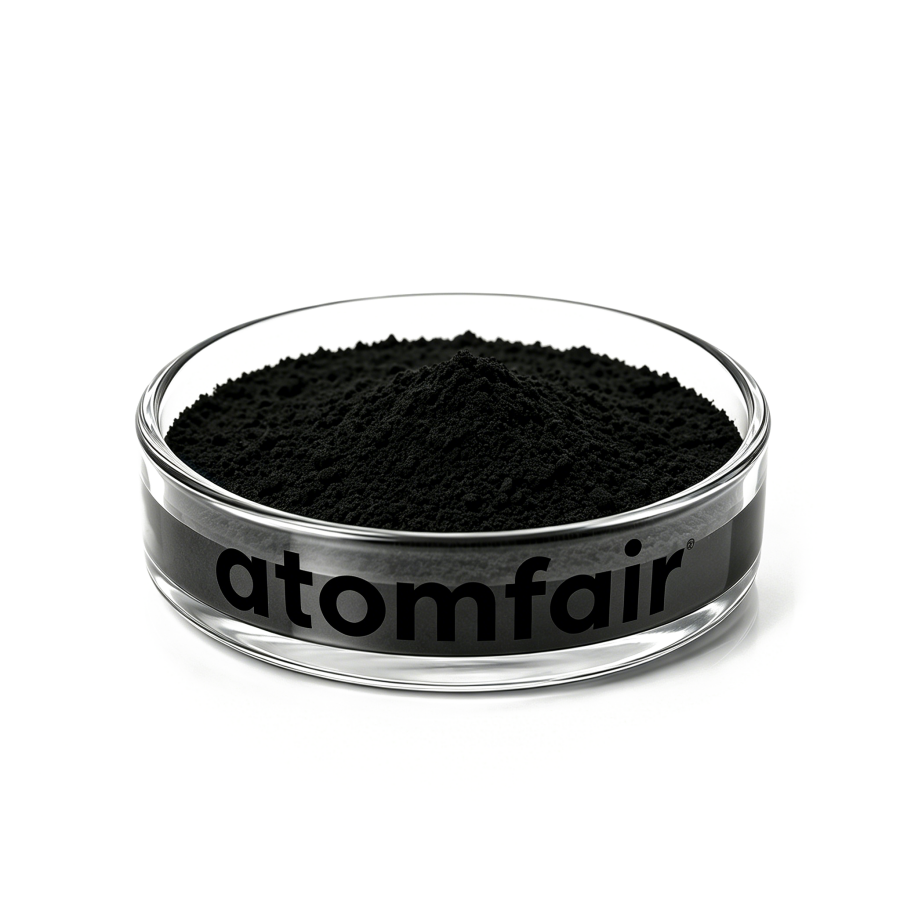
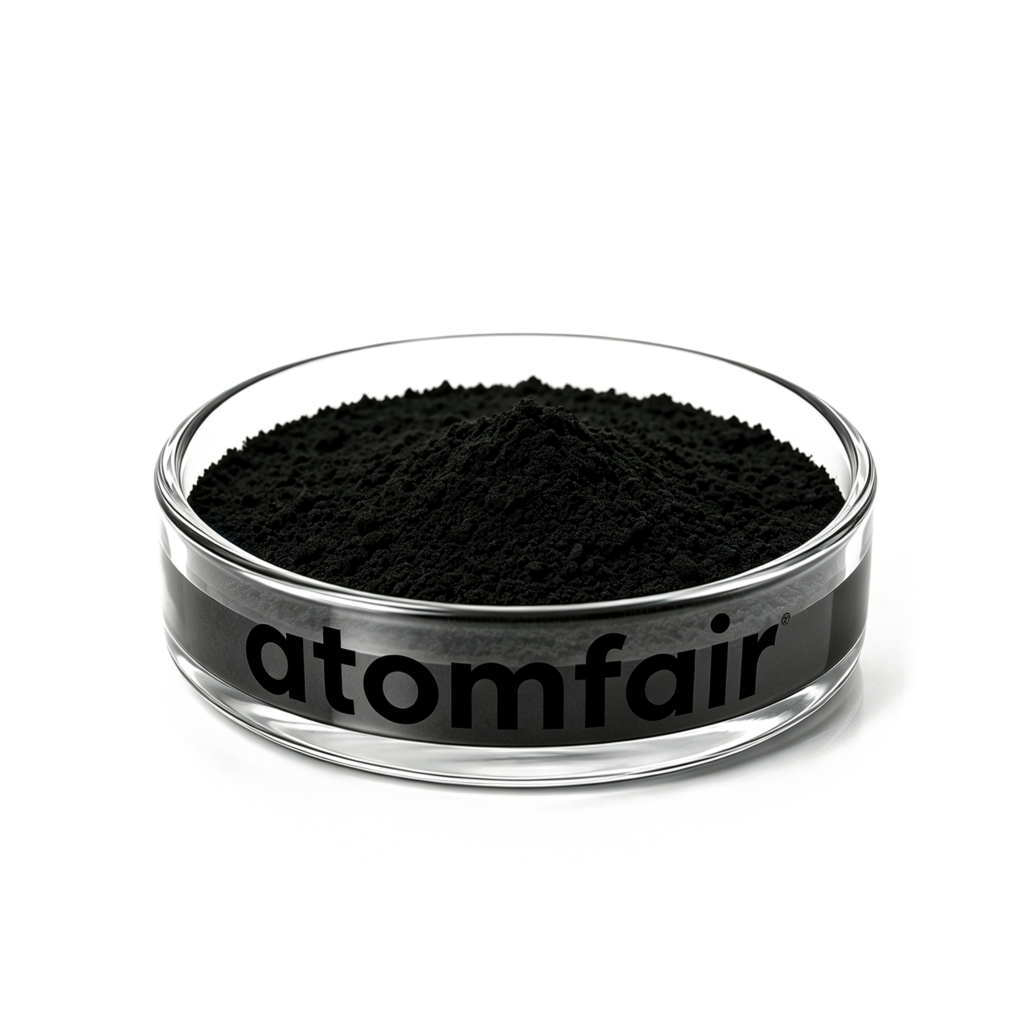
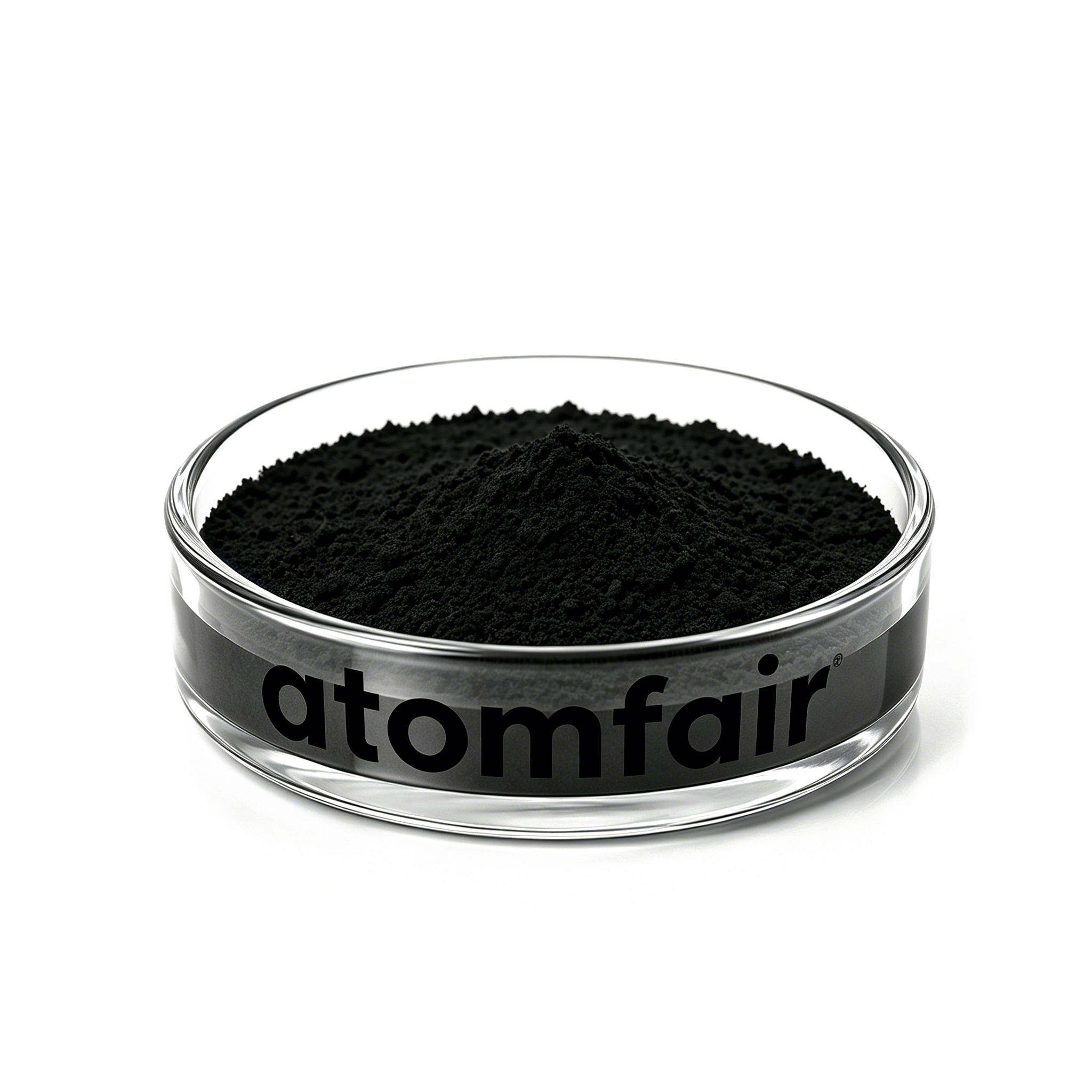
ATOMFAIR® VGCF-H Carbon Nanotubes (100g) provide ultra-high purity (>99.95%) with a straight-line morphology and low bulk density, making them suitable for research applications requiring consistent electrical conductivity and minimal impurities, though their fluffy nature and moisture sensitivity demand careful handling and storage.
Positive
- Ultra-high purity with minimal contaminants: Purity exceeds 99.95% with ash content below 0.05%, metal impurities under 100 ppm (Fe <30 ppm), and magnetic foreign matter below 1 ppm, enabling reliable performance in sensitive electrochemical and electronic applications.
- Straight-line morphology for matrix compatibility: The straight-line architecture is optimized for standard matrix distribution, promoting uniform dispersion and alignment in composite fabrication and improving mechanical or electrical network formation.
Trade-offs
- Low bulk density complicates handling: A bulk density of 0.08 g/cm³ yields a fluffy powder prone to dusting and poor flowability, requiring specialized dispensing equipment or antistatic measures during transfer and compounding.
- Moisture sensitivity requires controlled storage: With a moisture content below 0.3%, the powder is hygroscopic and must be stored in sealed containers under dry conditions; ambient exposure can alter surface properties and affect dispersion quality.
Every advanced material, component, equipment, and instrument in our catalog is backed by rigorous testing. We maintain strict internal quality management frameworks and align with CE conformity metrics to deliver transparent, reproducible performance data via our public open-science repository.
To request raw batch performance data, submit formal vendor registration paperwork, or execute a fast-turnaround R&D manufacturing loop, contact us at inquiry@atomfair.com.
Item is dispatched under the Atomfair Shipping & Delivery Framework (Free worldwide shipping on orders over $59 USD excl. heavy equipment). Return is governed by the Atomfair Return & Refund Policy (7-day technical return window).