|
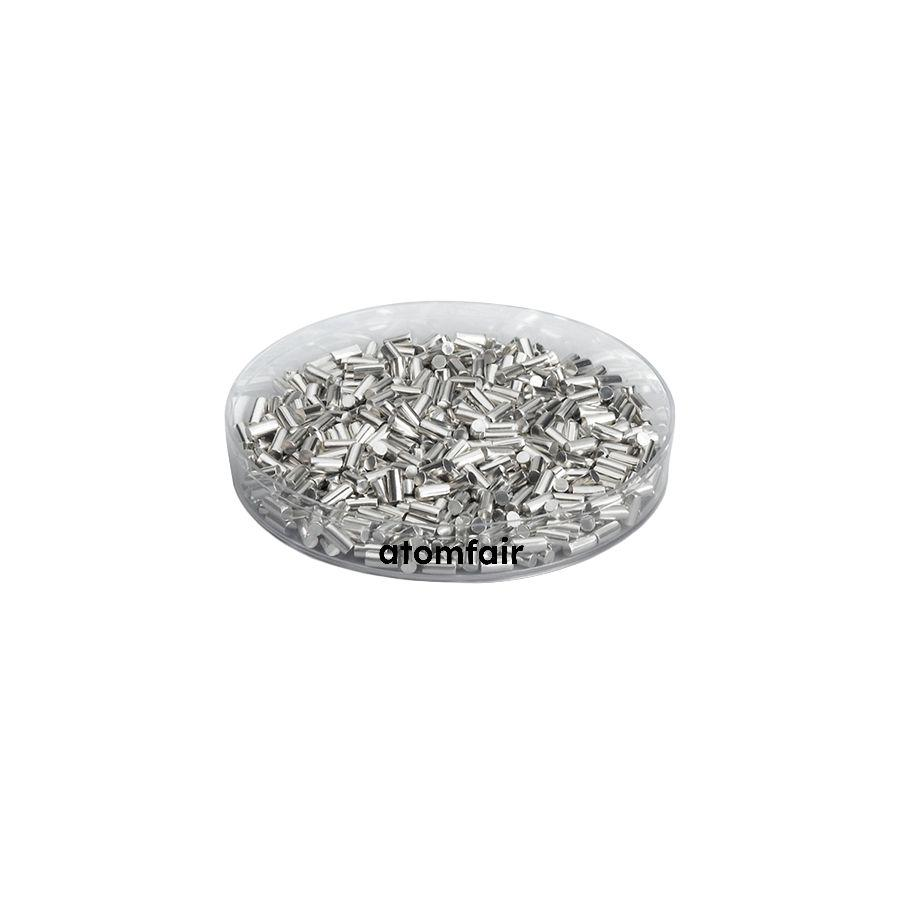
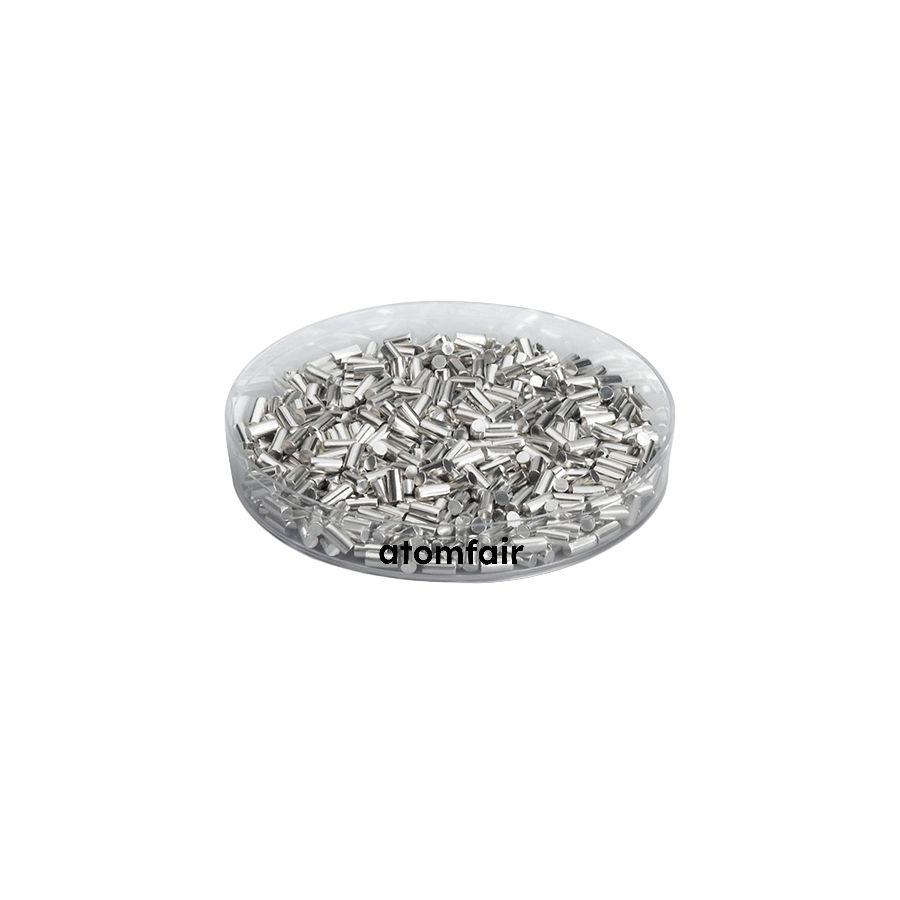
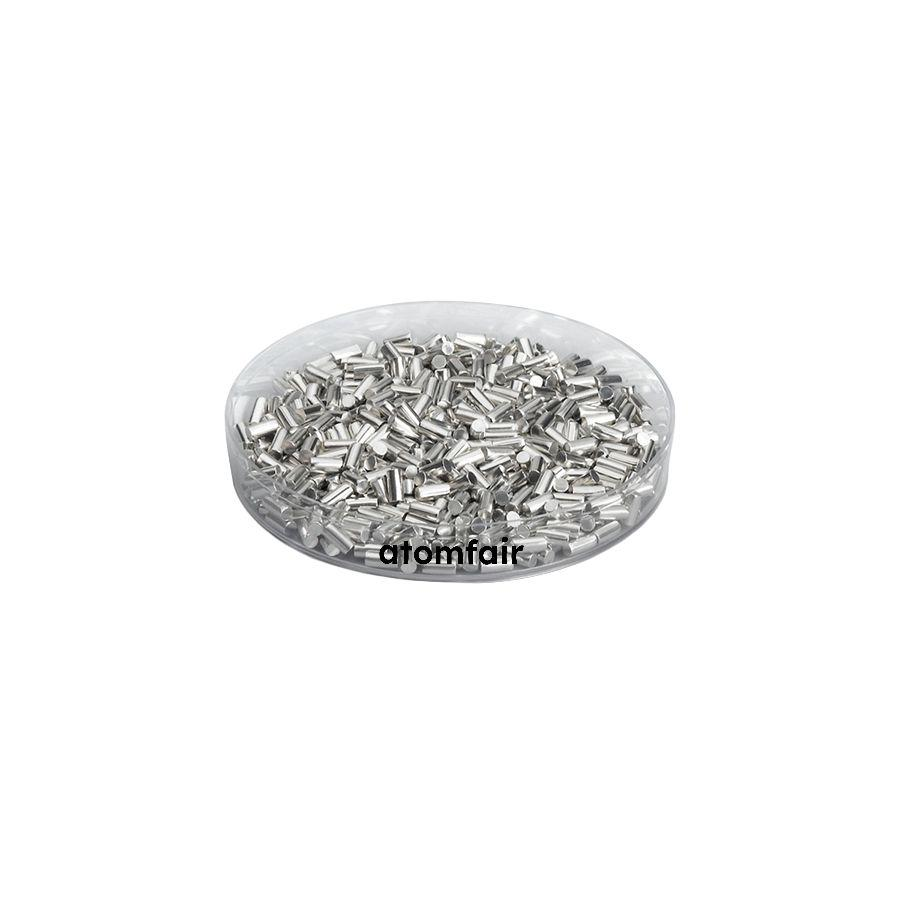
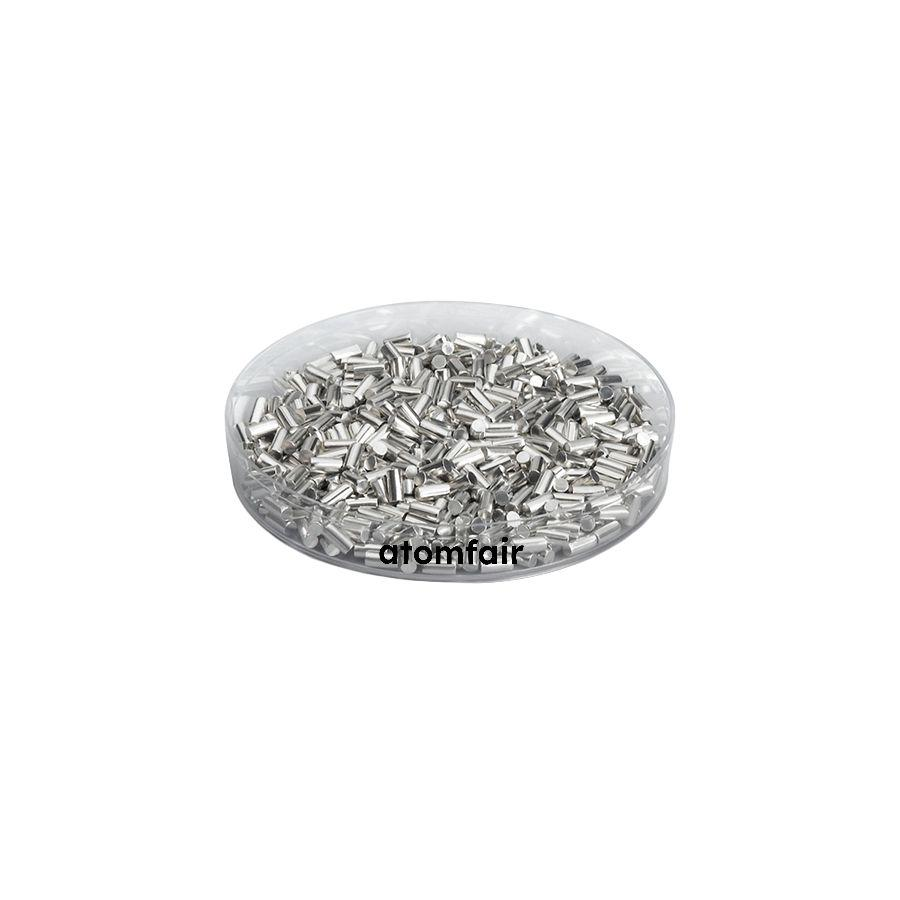
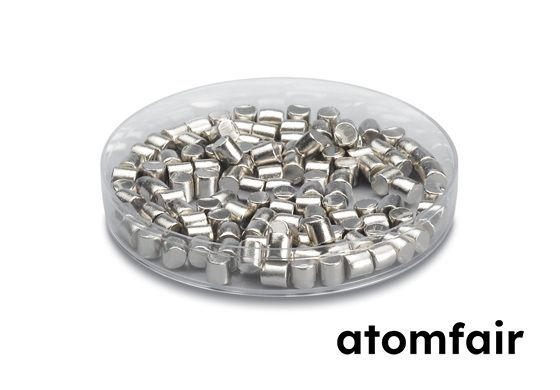
Tin (Sn) Evaporation Material, Pellets, 99.99%, 1-3 mm
Product Type: Pure Metal Evaporation Material
Research-grade laboratory product
|
|||||||||||||||||||||||||||||||||||||||
|
|||||||||||||||||||||||||||||||||||||||
|
LABORATORY PROCUREMENT SUPPORT
For material selection, deposition-source matching, pack-size confirmation or quotation support, contact our technical sales team.
INQUIRY: inquiry@atomfair.com
|
|||||||||||||||||||||||||||||||||||||||
|
Manufacturer: Atomfair LLC
Brand: ATOMFAIR®
|
This document outlines the processing constraints and compatibility requirements for Tin (Sn) evaporation material pellets. Adherence to these constraints is necessary to achieve consistent thin-film deposition and avoid equipment contamination.
- Evaporation Source Compatibility: The material must be evaporated using a Mo/W/Ta boat or graphite/alumina crucible to prevent chemical reaction or contamination.
- Evaporation Method Constraint: Thermal or resistive evaporation is the preferred method; low-power e-beam evaporation is optional but may require parameter optimization.
- Melting Point Consideration: The melting point of 232°C dictates the heating profile necessary for consistent evaporation without spitting.
- Z-Ratio Calibration Requirement: The Z-ratio of 0.724 must be entered into the quartz crystal microbalance for accurate film thickness monitoring.
- Pellet Size Compatibility: The 1-3 mm pellet size must be compatible with the source crucible or boat geometry to ensure uniform feeding and evaporation.
What is the melting point and density of the Tin (Sn) evaporation pellets, and how do they affect deposition?
The Tin (Sn) evaporation pellets have a melting point of 232°C and a density of 7.28 g/cm³. These parameters are critical for controlling deposition rate and film thickness in vacuum thermal evaporation processes.
Which evaporation source materials are compatible with these Tin pellets?
The tin pellets are compatible with evaporation sources made of molybdenum (Mo), tungsten (W), or tantalum (Ta) boats, as well as graphite or alumina crucibles. This compatibility allows flexible source selection based on deposition system configuration.
What is the recommended evaporation method for these tin pellets?
Thermal/resistive evaporation is the preferred method for these tin pellets, though low-power electron beam evaporation is also optional. The choice depends on the required film uniformity and deposition rate control.
Tin (Sn) pellets at 99.99% purity in 1-3 mm size are suited for thermal evaporation thin-film deposition, offering high purity and controlled form factor, but require careful temperature management and QCM calibration due to low melting point and Z-ratio of 0.724.
Positive
- High purity 99.99% tin pellets: Specified 99.99% purity ensures minimal contamination for high-quality thin-film deposition in sensitive applications.
- Controlled pellet size 1-3 mm: Uniform pellet dimensions enable consistent feeding and evaporation rates in thermal boats and crucibles, improving process repeatability.
Trade-offs
- Low melting point requires careful control: Tin's 232°C melting point and high vapor pressure demand precise temperature ramping to avoid spitting; thermal evaporation preferred over e-beam.
- Z-ratio correction needed for QCM: Z-ratio of 0.724 requires instrument-specific calibration for accurate film thickness monitoring in quartz crystal microbalances.
Every advanced material, component, equipment, and instrument in our catalog is backed by rigorous testing. We maintain strict internal quality management frameworks and align with CE conformity metrics to deliver transparent, reproducible performance data via our public open-science repository.
To request raw batch performance data, submit formal vendor registration paperwork, or execute a fast-turnaround R&D manufacturing loop, contact us at inquiry@atomfair.com.
Item is dispatched under the Atomfair Shipping & Delivery Framework (Free worldwide shipping on orders over $59 USD excl. heavy equipment). Return is governed by the Atomfair Return & Refund Policy (7-day technical return window).