|
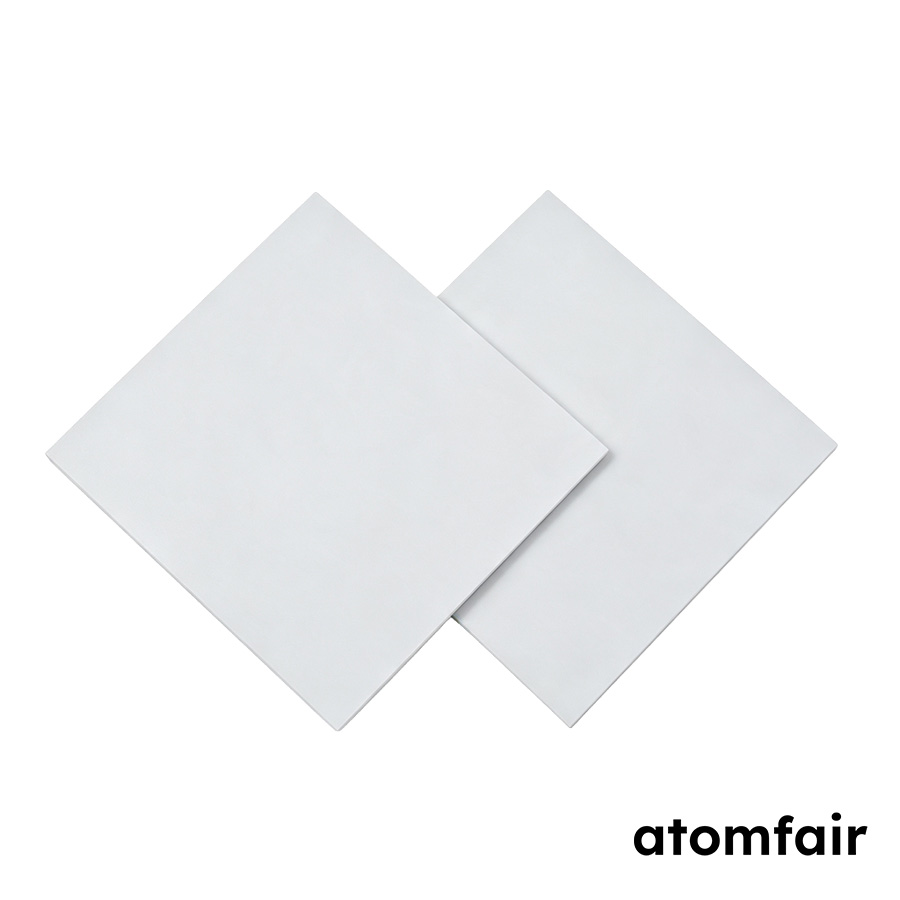
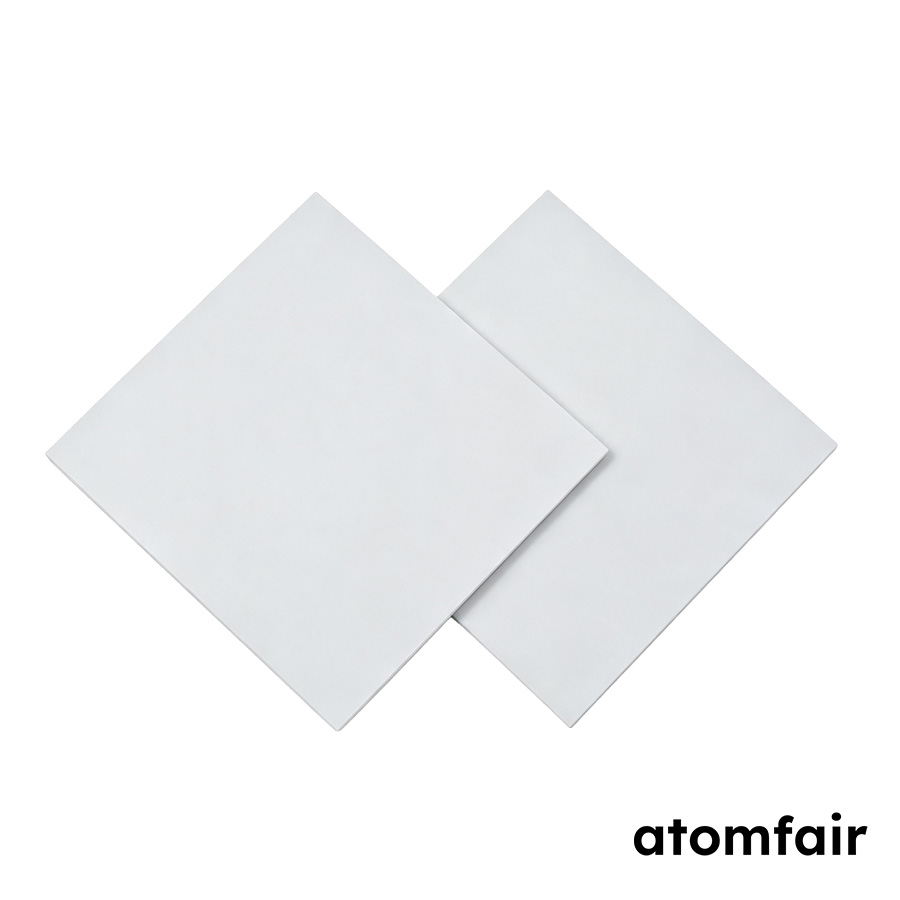
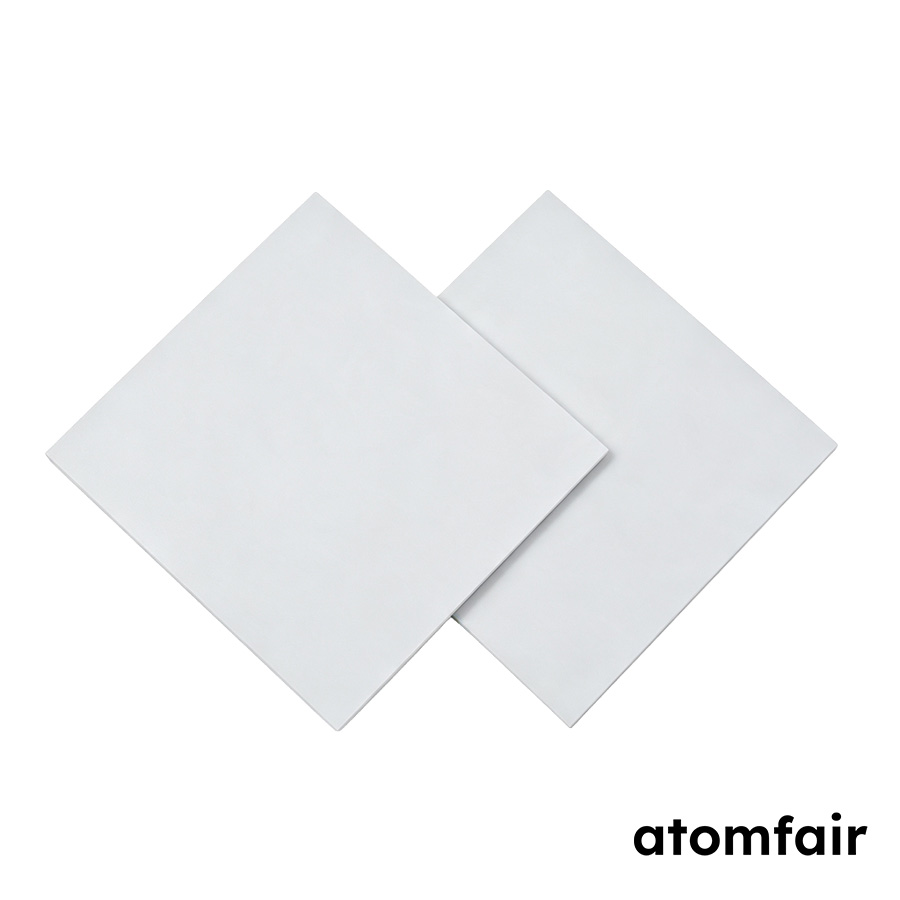
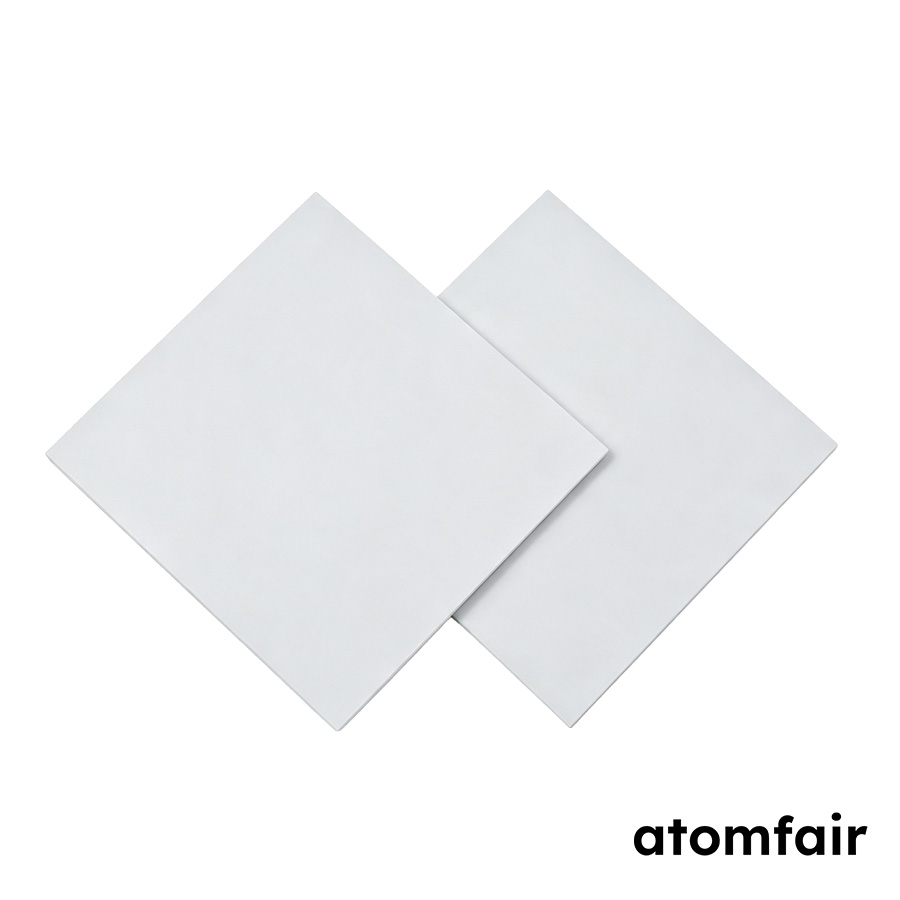
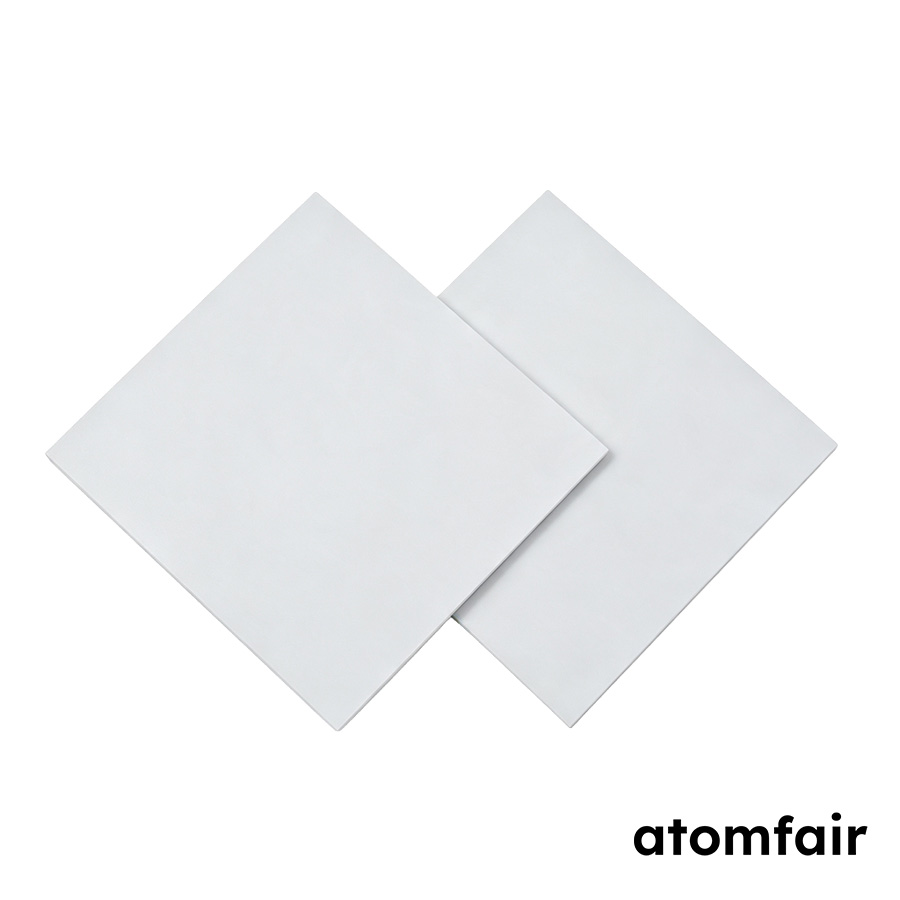
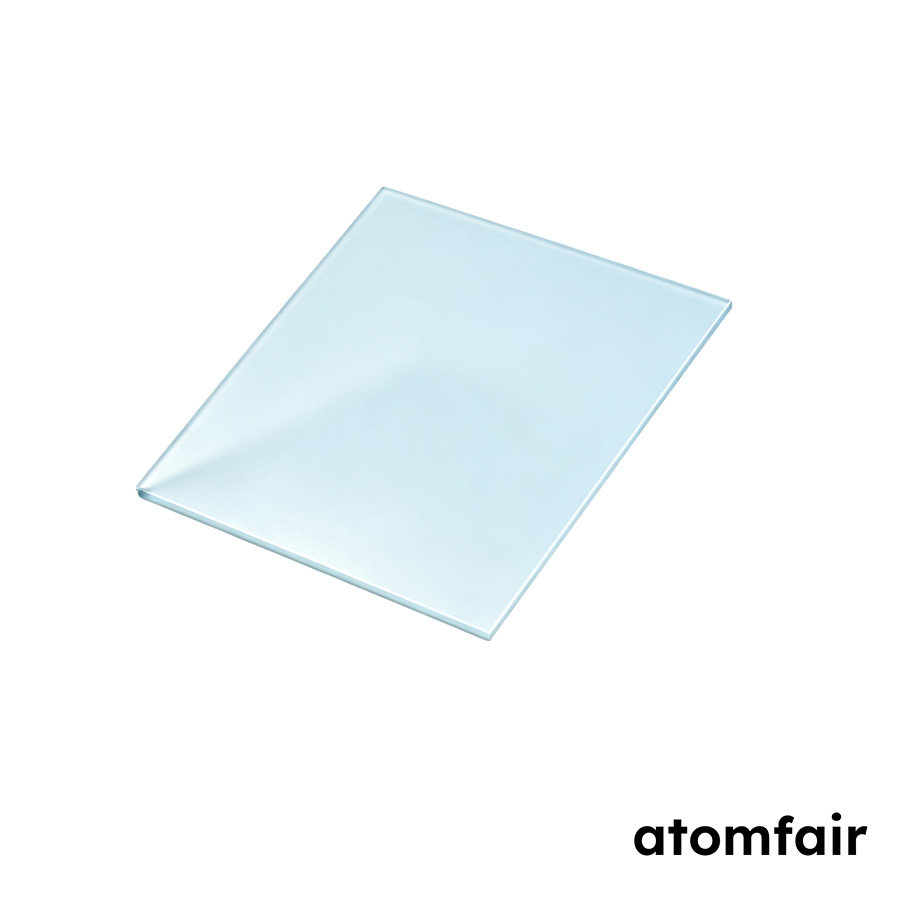
Strontium Titanate Single Crystal Substrate, SSP (10 pcs/box)
Product Type: SrTiO3 single crystal substrate
Research-grade laboratory product
|
|||||||||||||||||||||||||||||||||||||||||||||||||||||||
|
|||||||||||||||||||||||||||||||||||||||||||||||||||||||
|
LABORATORY PROCUREMENT SUPPORT
For material matching, specification review, model selection or configuration confirmation, contact our technical sales team.
E-MAIL: inquiry@atomfair.com
|
|||||||||||||||||||||||||||||||||||||||||||||||||||||||
|
Manufacturer: Atomfair LLC
Brand: ATOMFAIR®
|
What is the lattice constant of the SrTiO3 single crystal substrate and how does it affect thin film epitaxy?
The lattice constant is 3.905 Å with a cubic crystal structure. This value is critical for epitaxial matching with perovskite oxides such as LaAlO3 or SrRuO3. The substrate's twin-free appearance and surface roughness below 5 Å ensure high-quality, low-defect thin film growth.
What are the typical applications for SSP Strontium Titanate substrates in research?
SrTiO3 substrates are used for epitaxial growth of oxide thin films, superconductors, ferroelectric materials, and multiferroic devices. The high dielectric constant of 300 and low loss tangent (~5×10⁻⁴ at 300 K, ~3×10⁻⁴ at 77 K) make them suitable for microwave and electronic device research. The flame growth method yields high crystalline quality.
What are the storage and handling requirements for SrTiO3 single crystal substrates?
The substrates are chemically stable and insoluble in water, but should be stored in a clean, dry environment to preserve surface quality. With a Mohs hardness of 6, they are moderately scratch-resistant; handle with clean tweezers and avoid abrasive contact. The specified surface roughness (Ra < 5 Å) is delicate and can degrade if exposed to dust or improper cleaning.
This evaluation assesses the Strontium Titanate single crystal substrate with SSP surface finish for epitaxial thin film applications. The substrate offers a high dielectric constant and ultra-low surface roughness, but requires careful lattice and thermal expansion matching and is limited to 0.5 mm thickness.
Positive
- Ultra-smooth surface (Ra <5Å): The SSP surface finish achieves a roughness of less than 5 Å, providing an ideal template for epitaxial thin film growth with minimal defect density.
- High dielectric constant and low loss tangent: With a dielectric constant of 300 and loss tangent as low as 3×10⁻⁴ at 77 K, this substrate is well-suited for microwave and cryogenic electronic applications.
Trade-offs
- Requires meticulous material matching: The substrate's lattice constant (3.905 Å) and thermal expansion coefficient (9.4×10⁻⁶/°C) must be carefully matched to the target thin-film material to avoid strain, cracking, or delamination during deposition and cooling.
- Fixed thickness limits application flexibility: All available specification options have a thickness of 0.5 mm, which may not be compatible with certain sample holders, optical setups, or thermal management requirements.
Every advanced material, component, equipment, and instrument in our catalog is backed by rigorous testing. We maintain strict internal quality management frameworks and align with CE conformity metrics to deliver transparent, reproducible performance data via our public open-science repository.
To request raw batch performance data, submit formal vendor registration paperwork, or execute a fast-turnaround R&D manufacturing loop, contact us at inquiry@atomfair.com.
Item is dispatched under the Atomfair Shipping & Delivery Framework (Free worldwide shipping on orders over $59 USD excl. heavy equipment). Return is governed by the Atomfair Return & Refund Policy (7-day technical return window).